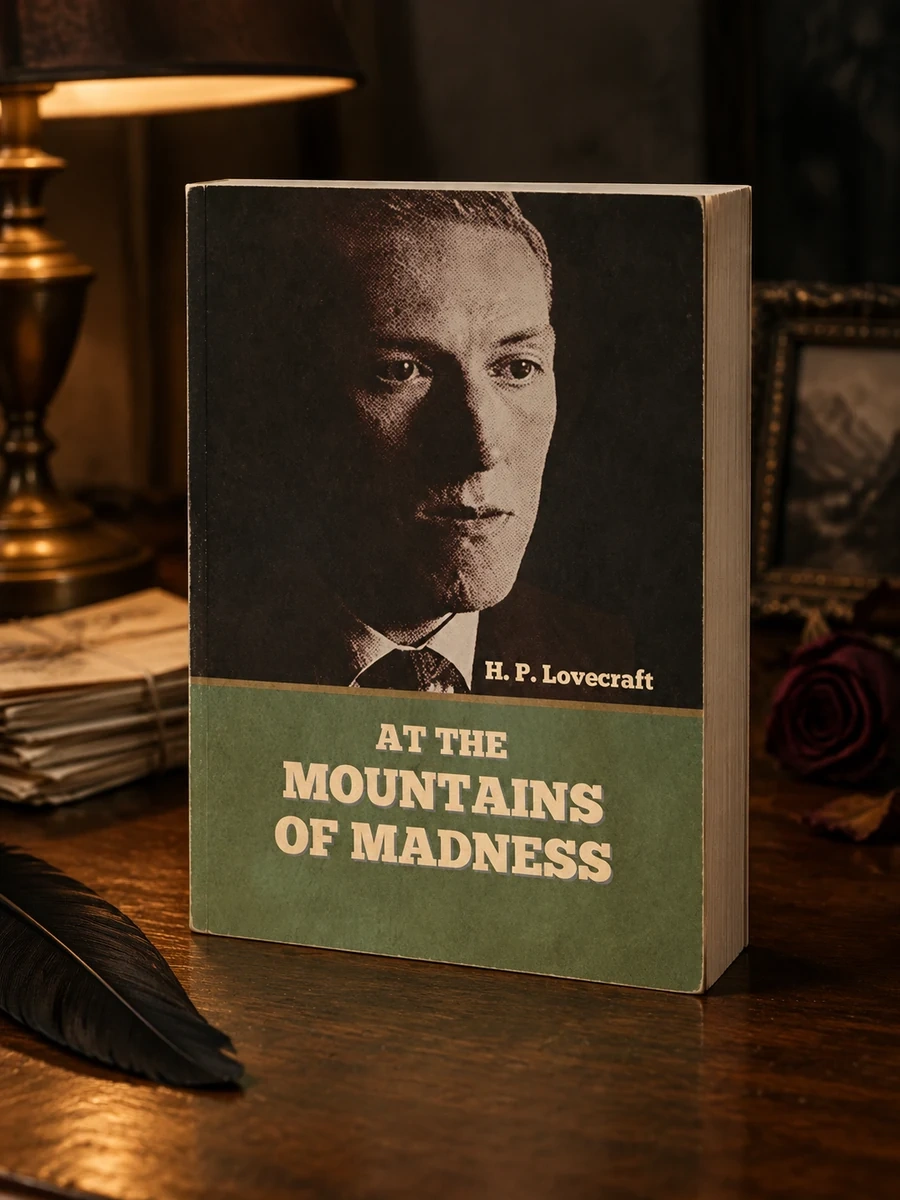

At the Mountains of Madness
Lovecraft's Antarctic expedition reveals an ancient, terrifying civilization.
The narrative follows Dr. Dyer as he documents a failed journey to Antarctica. His account exposes ruins older than human history. Murals and sculptures provide evidence of Earth's forgotten past. The text was serialized in Astounding Stories after initial rejection. It stands as a key work in the horror genre. Readers encounter a bleak vision of discovery. The story warns against repeating past mistakes. Lovecraft uses scientific exploration to frame supernatural dread.
Lovecraft wrote this novella in February and March 1931. It was rejected by Weird Tales editor Farnsworth Wright that same year due to length. The story first appeared in Astounding Stories in early 1936. This places the work firmly within the golden age of American pulp fiction.


📝 Description: At the Mountains of Madness
💎 Our verdict on At the Mountains of Madness
📖 Why choose it
Why this book is worth reading
Readers drawn to the intersection of scientific exploration and supernatural dread will find this novella compelling. It appeals to those who appreciate bleak visions of discovery where human insignificance is paramount. The text offers a unique framework for understanding Earth's forgotten past through the lens of Antarctic ruin. Fans of cosmic horror benefit from its foundational themes, while gothic fiction enthusiasts may enjoy its atmospheric decay. However, those seeking lighthearted adventure should look elsewhere due to the pervasive tone. It serves as a warning against repeating past mistakes, making it essential for students of genre history and lovers of psychological terror.
⭐ Reader reviews
Reader rating
Lovecraft masterfully uses scientific exploration to frame supernatural dread, creating a bleak vision of discovery that lingers long after reading. The narrative structure, driven by Dr. Dyer’s documentation, effectively conveys the weight of ancient ruins older than human history. While the tone is undeniably heavy, it suits readers interested in gothic fiction and supernatural themes who can withstand its atmospheric intensity. The work remains a significant piece of American speculative literature, offering profound insights into cosmic horror. It is best appreciated by those willing to engage with its challenging prose and philosophical implications regarding Earth's deep past.
📖 Read on the blog
✍️ More books by this author H P Lovecraft




🏛 Books from this publisher Bibliotech Press






You might also like
See more →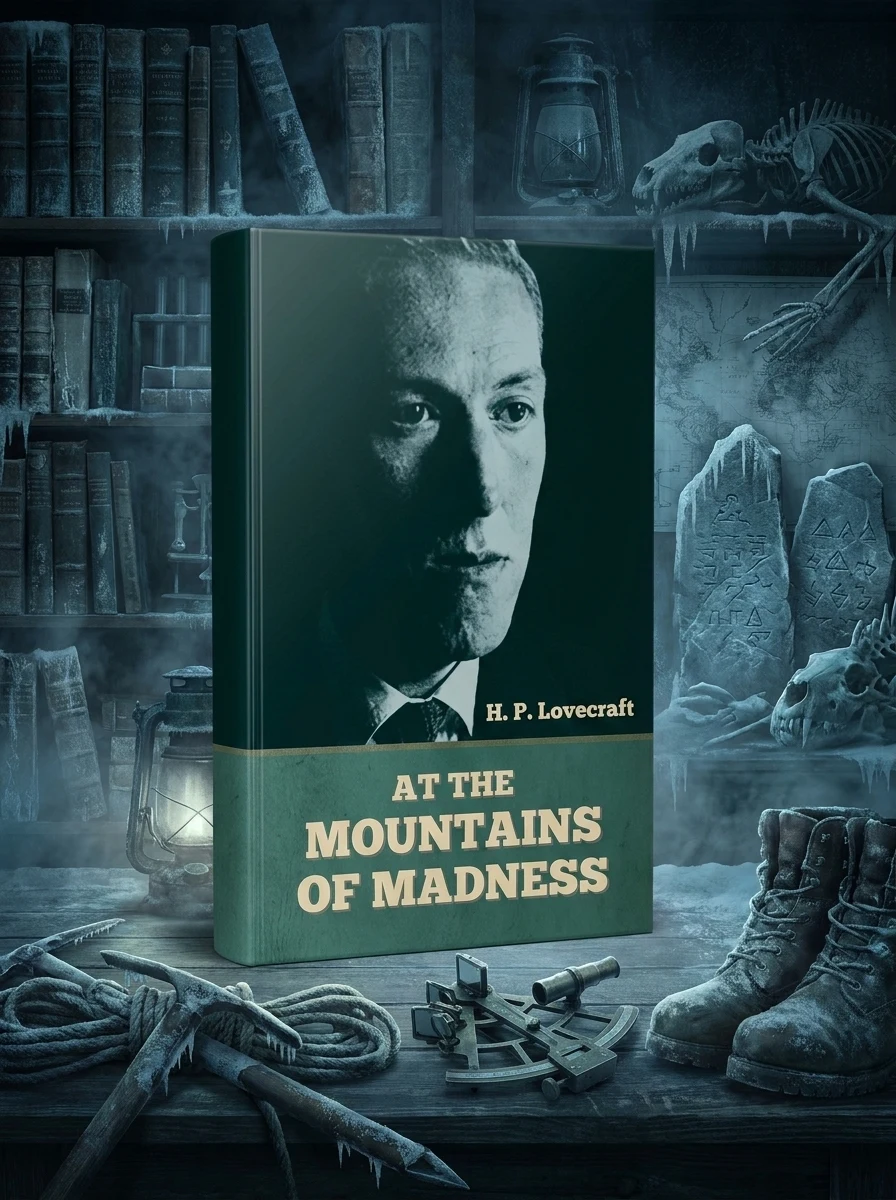

Have a question about this item?
Ask about the edition, condition, delivery or anything else — we reply by email or phone, usually within a day.
