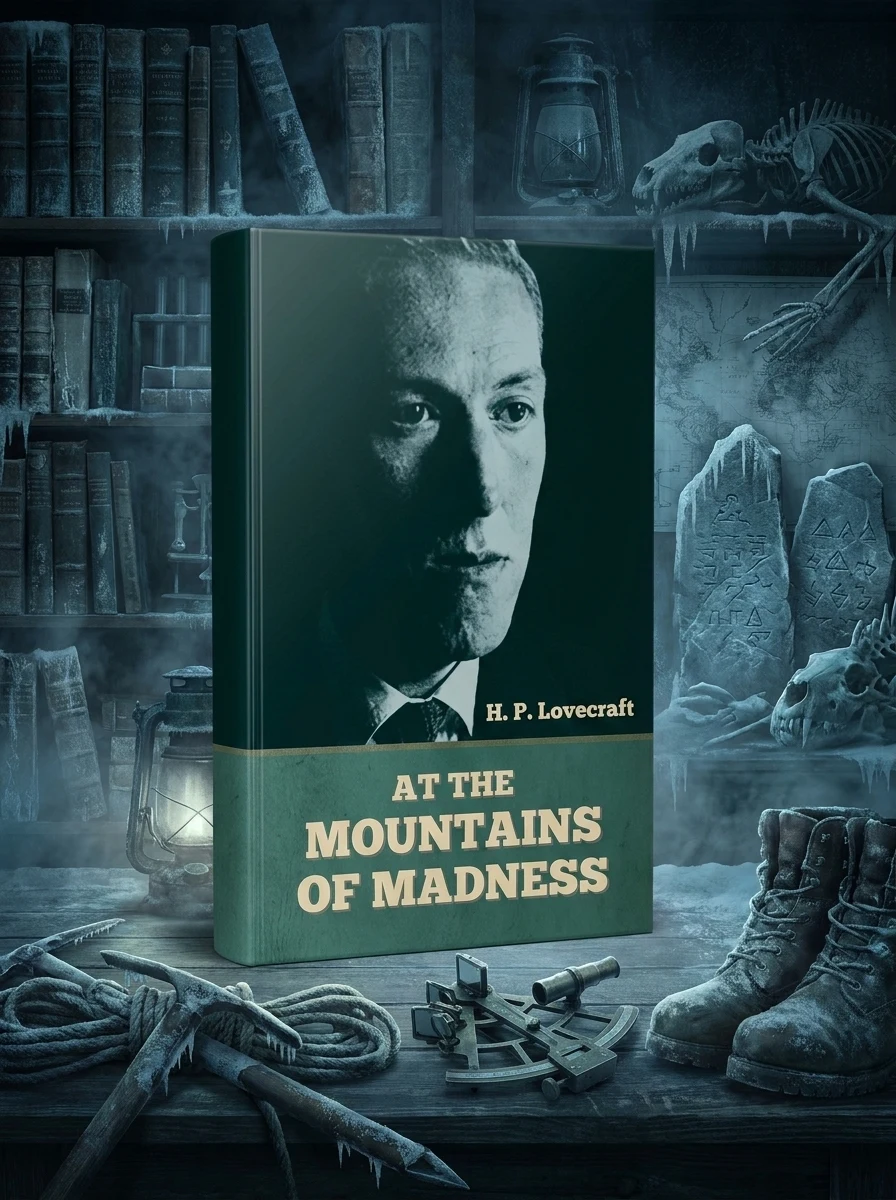
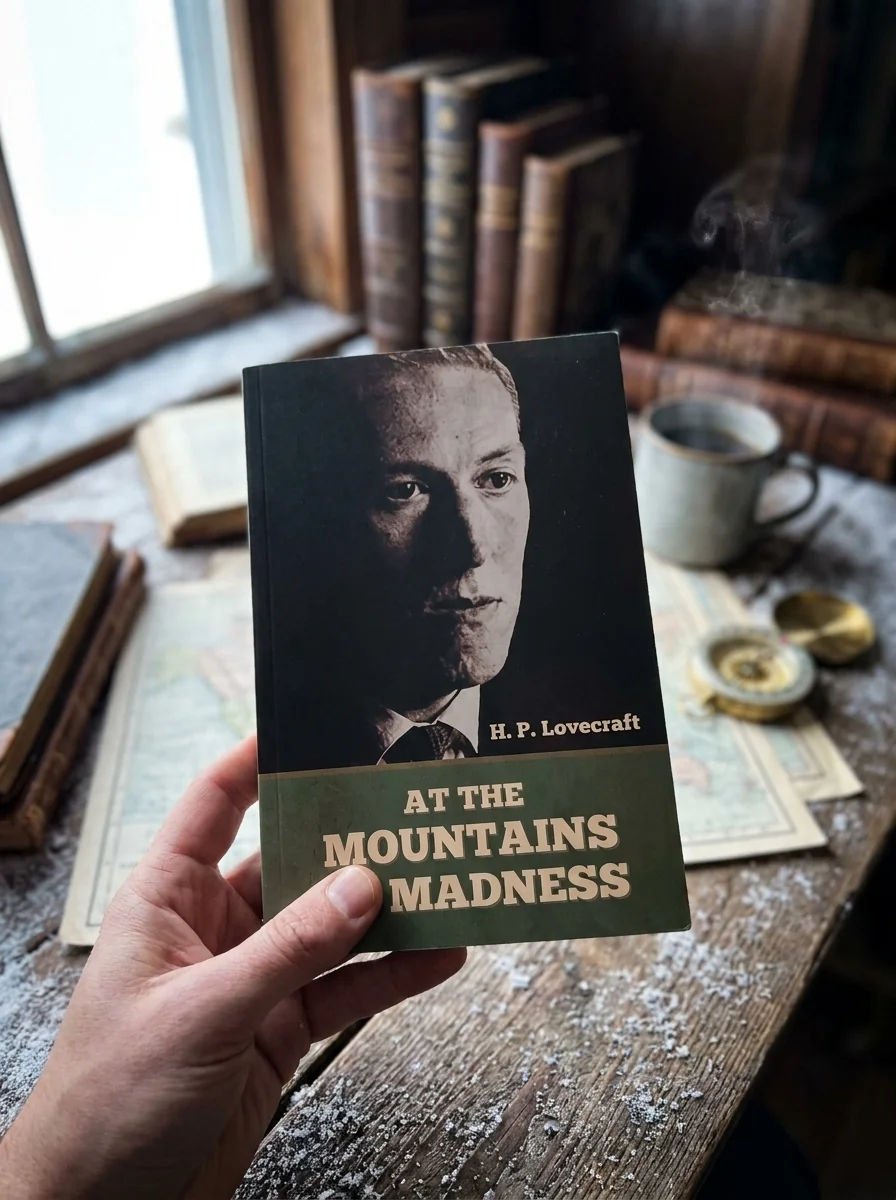
At the Mountains of Madness
Lovecraft's novella details a doomed Antarctic expedition uncovering ancient horrors.
The text recounts Dr. Dyer’s warning about an Antarctic journey that revealed pre-human civilizations through artifacts. It explores themes of cosmic insignificance and the fragility of human knowledge when faced with ancient truths. The narrative structure prioritizes atmospheric dread over plot twists, using academic discovery as a vehicle for terror.
Written in 1931 and serialized in 1936, this work bridges early science fiction and gothic horror. It reflects interwar anxieties about discovery and the unknown, establishing Lovecraft as a key figure in American weird fiction before his posthumous fame.


📝 Description: At the Mountains of Madness
💎 Our verdict on At the Mountains of Madness
📖 Why choose it
Why this book is worth reading
This book suits readers who enjoy atmospheric storytelling rooted in academic settings and ancient mysteries. It is ideal for those interested in gothic fiction and early speculative horror who appreciate the horror of deep time and alien origins over traditional ghost stories. The novella appeals to fans of psychological dread and cosmic insignificance, offering a unique terror that merges scientific discovery with supernatural fear. Those seeking fast-paced action may find it less engaging, but enthusiasts of gradual revelation and geological exploration will find its narrative structure compelling. It serves as an essential entry point for understanding Lovecraft’s style of terror and the fragility of human knowledge when faced with ancient truths.
⭐ Reader reviews
Reader rating
Lovecraft crafts a masterclass in atmospheric dread, prioritizing tension through gradual revelation rather than jump scares. The narrative effectively uses Dr. Dyer’s first-person perspective to build an overwhelming sense of cosmic insignificance. By blending geological exploration with the discovery of pre-human civilizations, the text offers a chilling examination of Earth's forgotten past. The work excels in its academic framework, making it particularly suitable for readers who enjoy intellectual horror rooted in scientific inquiry. While it lacks traditional plot twists, its strength lies in the psychological impact of facing ancient, alien truths. This novella remains a vital piece of interwar American literature for those willing to engage with its slow-burn, philosophical terror.
📖 Read on the blog
✍️ More books by this author H P Lovecraft


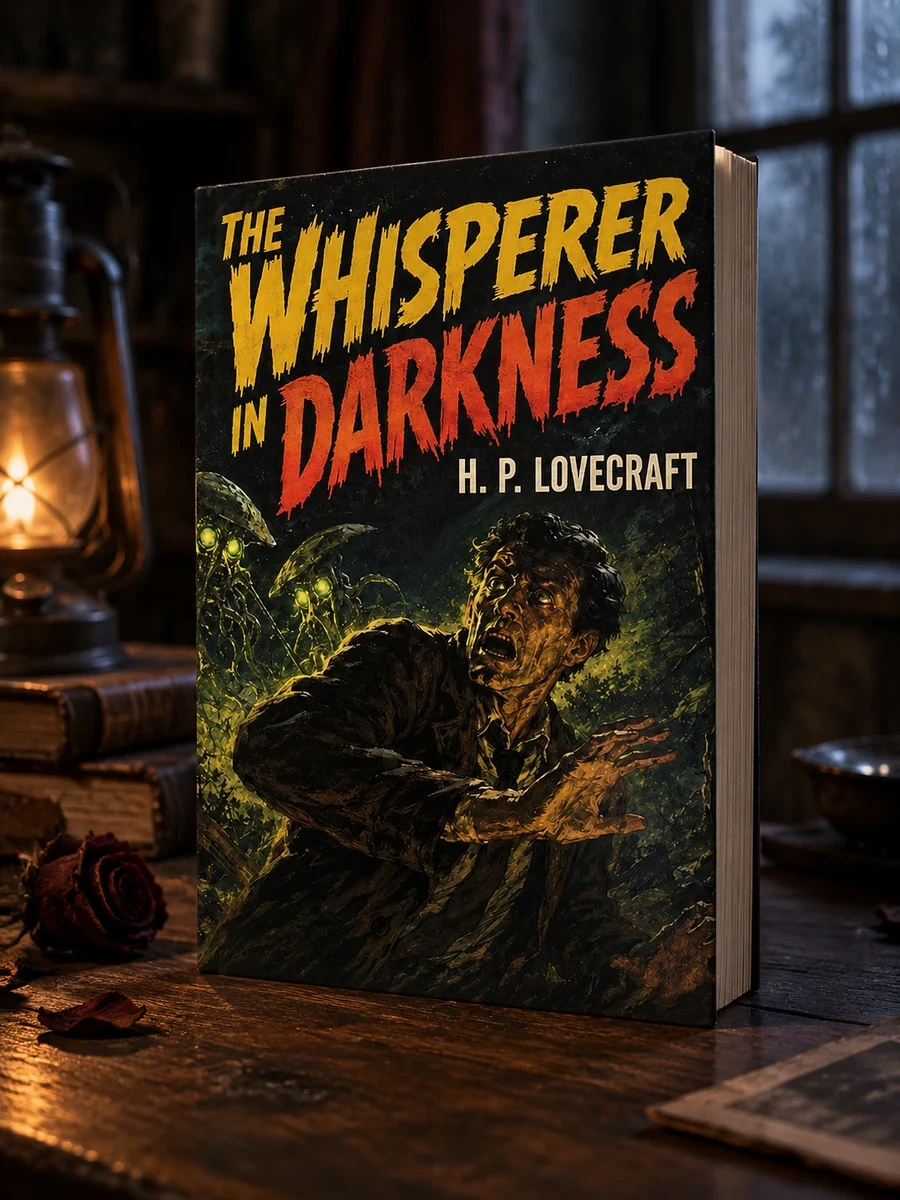

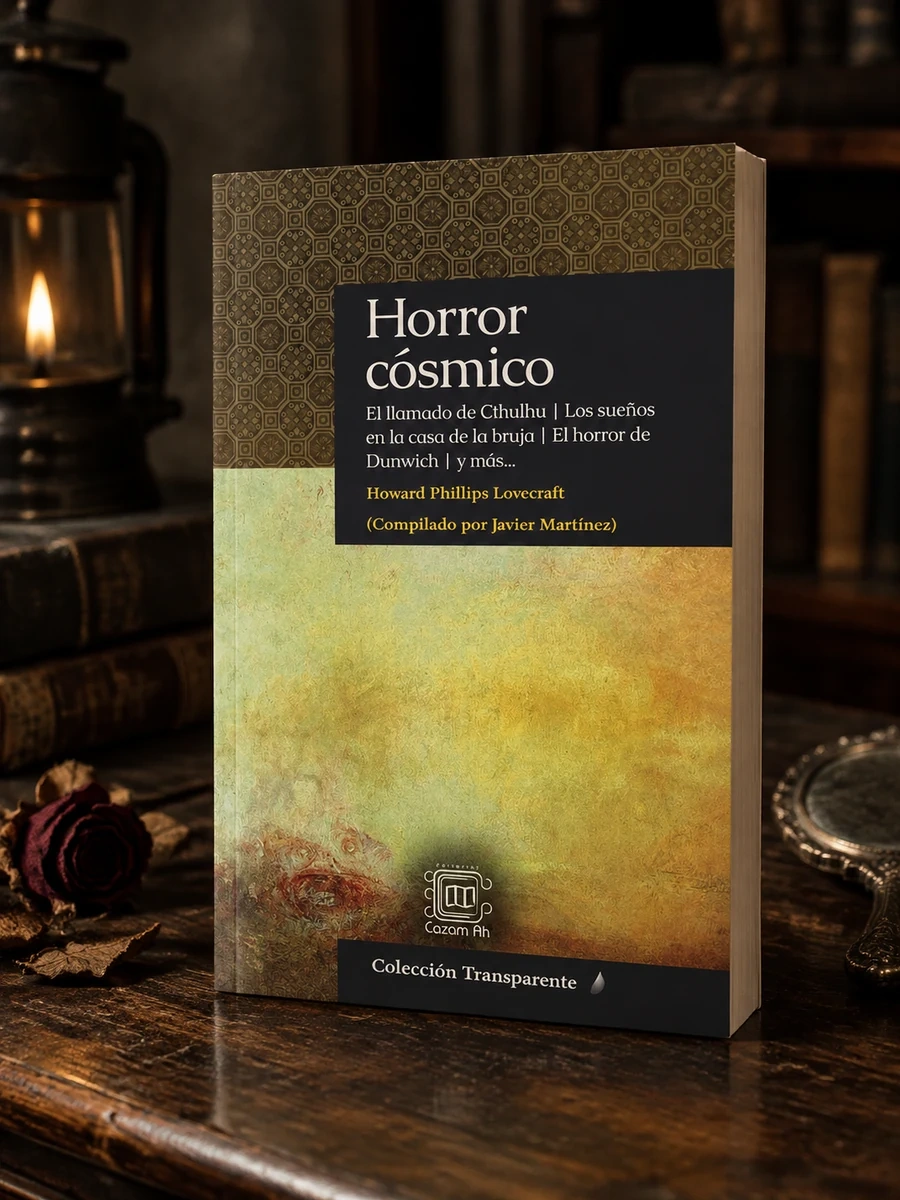


🏛 Books from this publisher Bibliotech Press






You might also like
See more →

Have a question about this item?
Ask about the edition, condition, delivery or anything else — we reply by email or phone, usually within a day.
