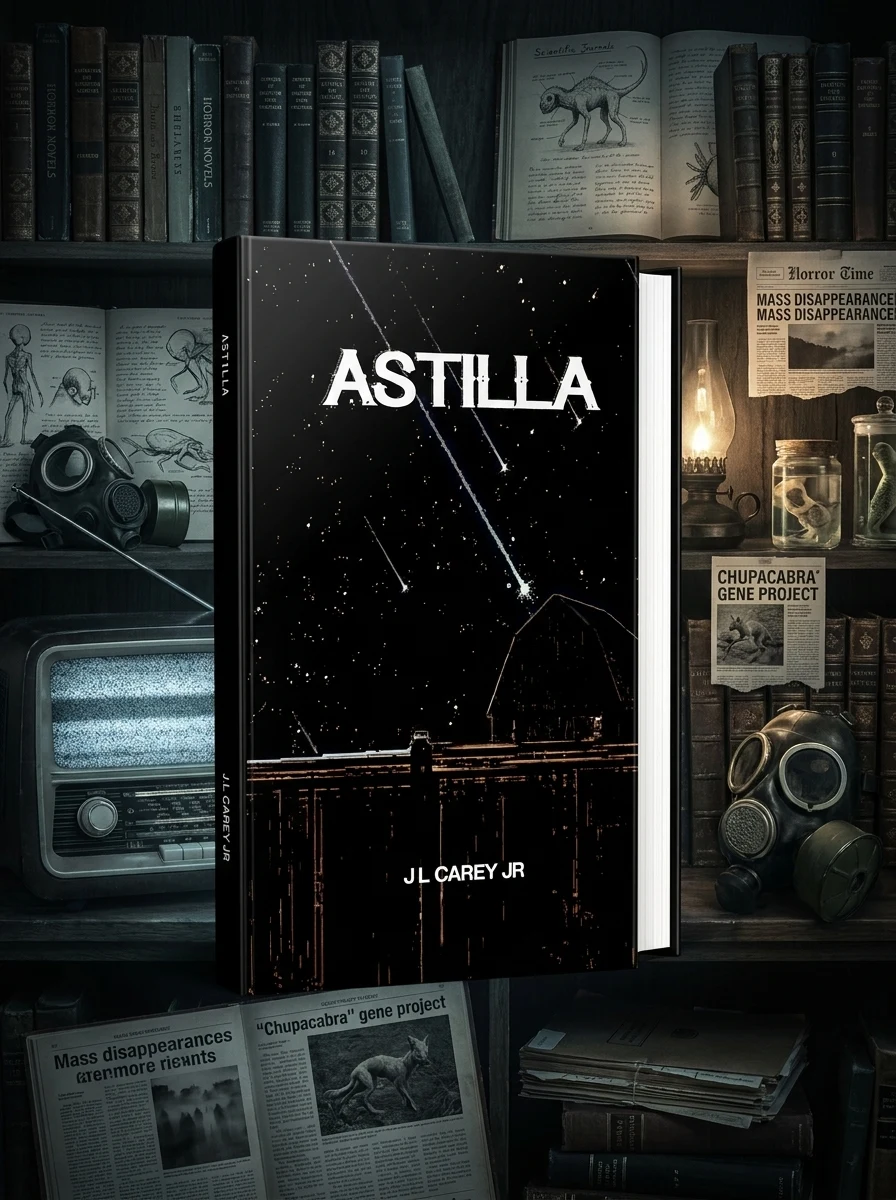
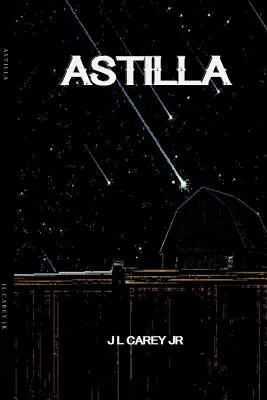
Astilla
A dystopian conspiracy novel about an engineered bio-weapon targeting humanity.
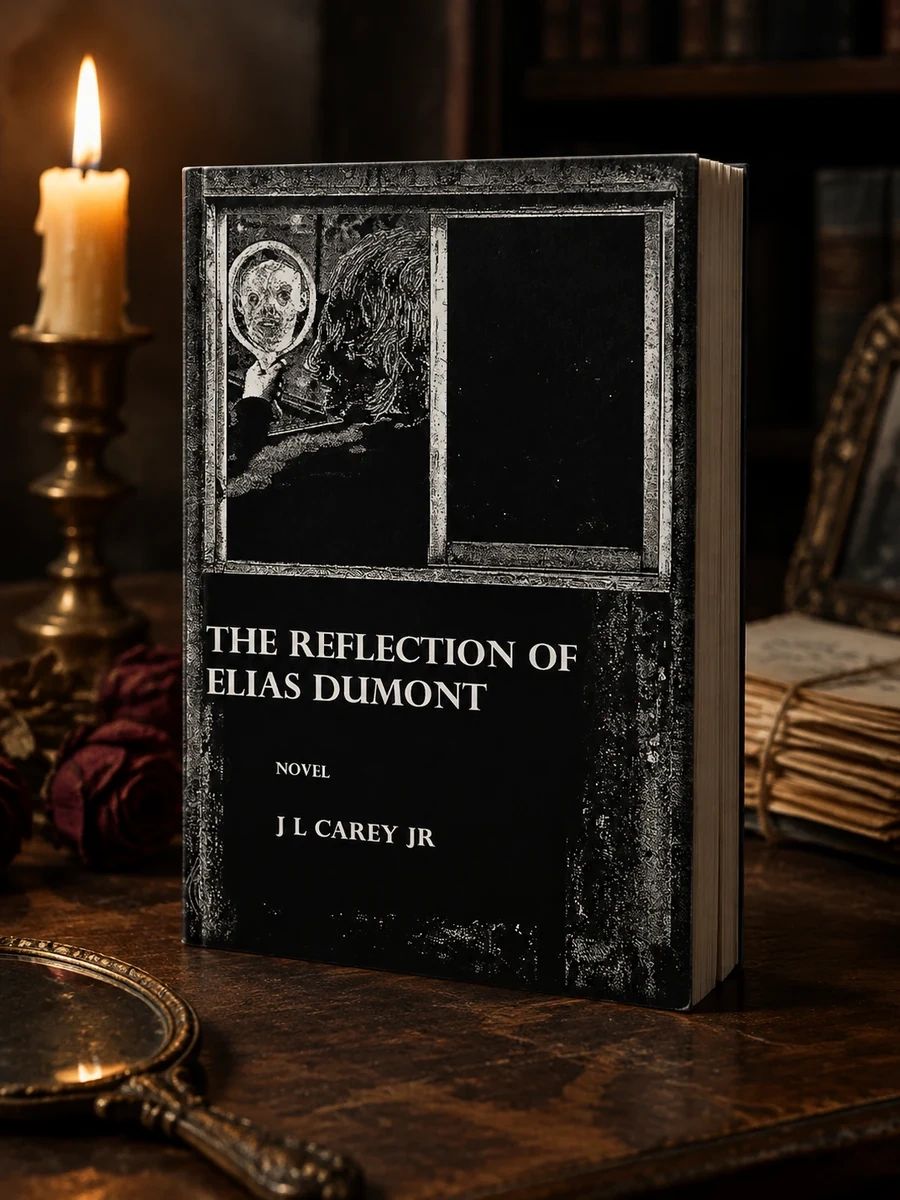
Carey constructs a narrative where the ruling class engineers el Chupacabra to reduce the global population. This gene stealer represents a calculated move by elites to cull masses under the guise of an alien invasion. The story critiques how mass entertainment and technology obscure this hidden agenda. It explores the tension between persuasive advertising and the reality of oligarchical control. The author uses humor to soften the blow of these dark themes. The plot questions whether such extreme measures will spiral out of control. This approach offers a unique perspective on fear and manipulation in modern society.
The book sits within the tradition of pop culture conspiracy fiction. It reflects anxieties about fascism in the United States. The narrative responds to a generation overwhelmed by mass entertainment and relentless technology. It addresses the pervasive influence of persuasive advertising on public perception.


📝 Description: Astilla
💎 Our verdict on Astilla
📖 Why choose it
Why this book is worth reading
Readers interested in the intersection of technology, media, and power structures will find this book compelling. It offers a unique perspective on fear and manipulation in modern society by critiquing how mass entertainment obscures hidden agendas. Those who enjoy analyzing political allegories and speculative fiction that questions elite control will appreciate the narrative's focus on societal critique rather than pure genre fright. The use of humor to soften dark themes makes it accessible for those seeking a searching vision of alternate reality without being overwhelmed by traditional horror tropes.
⭐ Reader reviews
Reader rating
Carey presents a distinctive take on horror through the lens of conspiracy and political satire. By framing the threat as an engineered bio-weapon rather than supernatural entities, the novel critiques oligarchical influence and persuasive advertising effectively. The tone balances disturbing elements with humor, creating a unique reading experience that prioritizes societal analysis over visceral fright. This approach suits readers who enjoy speculative fiction that examines the intersection of technology and power structures. While it may disappoint those seeking traditional horror or straightforward supernatural tales, it succeeds as a thoughtful exploration of depopulation agendas and elite control in a dystopian context.