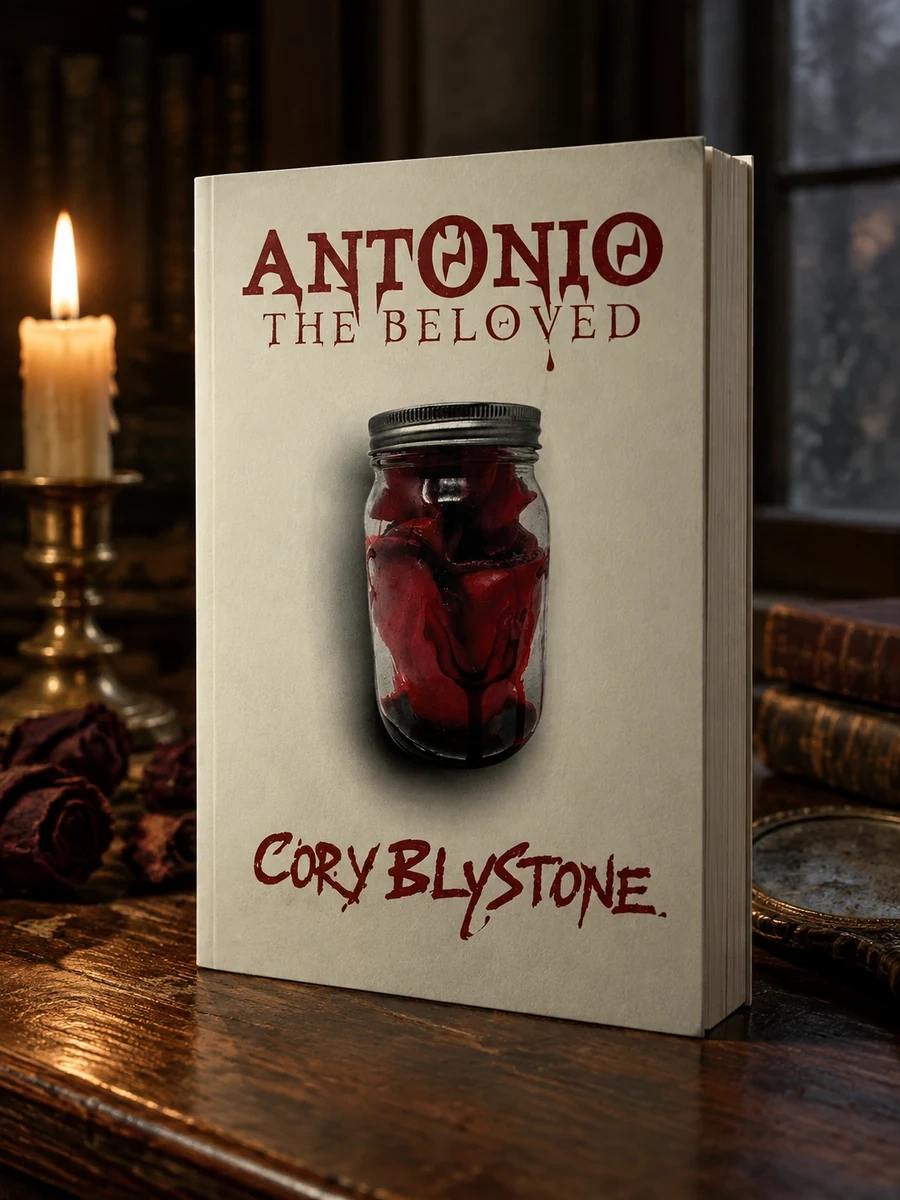
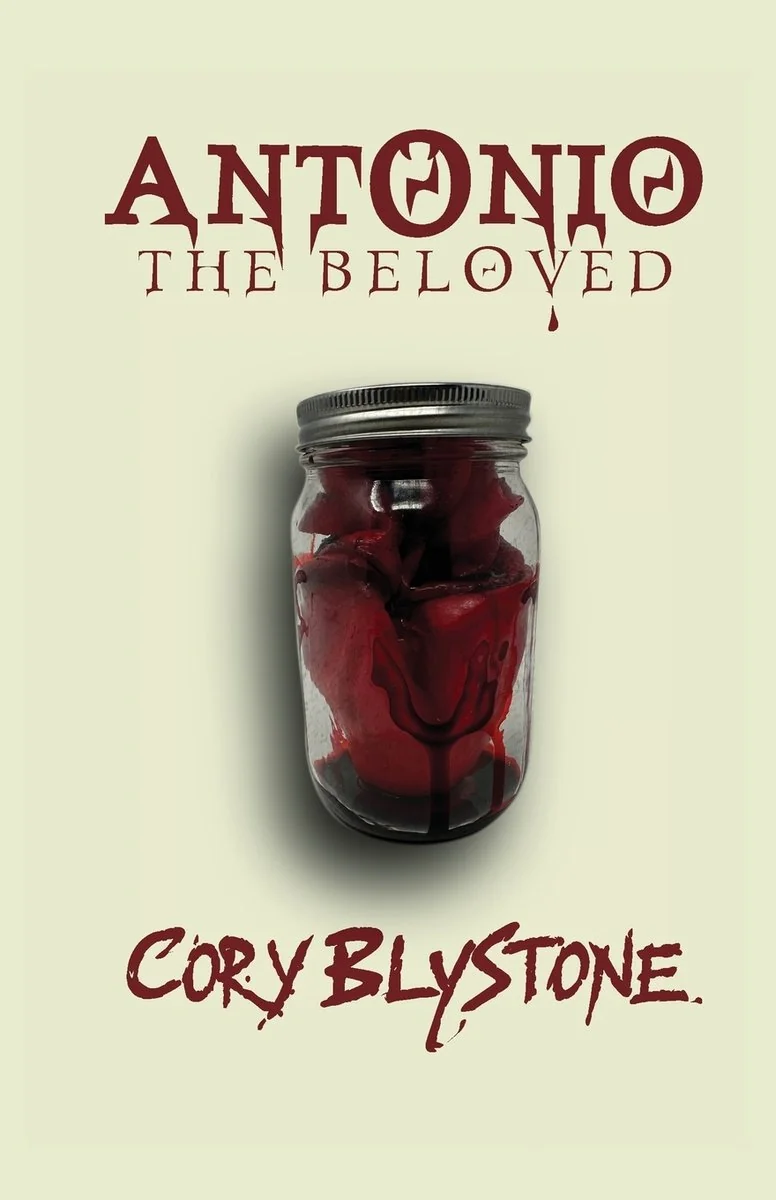
Antonio the Beloved
A vampire seeks wholeness with the help of a witch who helps him piece together his broken past.
This novel examines the psychological toll of immortality through Antonio’s perspective. He is not merely hunting for food but searching for meaning behind his curse. Brendon provides the necessary support to help him understand his condition. Their interactions highlight the contrast between eternal life and human vulnerability. The story avoids traditional monster tropes by focusing on emotional repair rather than physical combat. Blystone uses this dynamic to question what it means to be whole when one is cursed. The narrative remains tight and focused on these two characters. It offers a quiet look at supernatural existence without loud spectacle or gore.
The work fits within contemporary horror fiction, drawing on gothic traditions of the cursed immortal. It reflects modern interests in psychological healing and supernatural romance. The 2026 publication date places it in current genre trends focusing on character-driven narratives.


📝 Description: Antonio the Beloved
💎 Our verdict on Antonio the Beloved
📖 Why choose it
Why this book is worth reading
Readers who appreciate slow-paced character studies and deep emotional resonance within the horror genre will find this book compelling. It is ideal for those seeking a quiet, introspective look at supernatural existence without reliance on gore or loud spectacle. The narrative appeals to individuals interested in themes of loneliness, belonging, and the psychological toll of immortality. Those who enjoy focused, tight narratives centered on internal struggle rather than physical combat will gain significant satisfaction from this examination of identity and healing.
⭐ Reader reviews
Reader rating
Blystone delivers a compact yet profound exploration of cursed life, focusing tightly on the relationship between an immortal vampire and a mortal witch. The text excels in its emotional depth, offering a rare look at supernatural existence through quiet reflection rather than action. By avoiding traditional monster tropes, it successfully questions what it means to be whole when fractured by history. This approach suits readers who value psychological horror and gothic introspection over visceral thrills. It is a thoughtful meditation on connection and self-knowledge, standing out for its restraint and focus on the internal landscape of its protagonist.
You might also like
See more →






Have a question about this item?
Ask about the edition, condition, delivery or anything else — we reply by email or phone, usually within a day.
