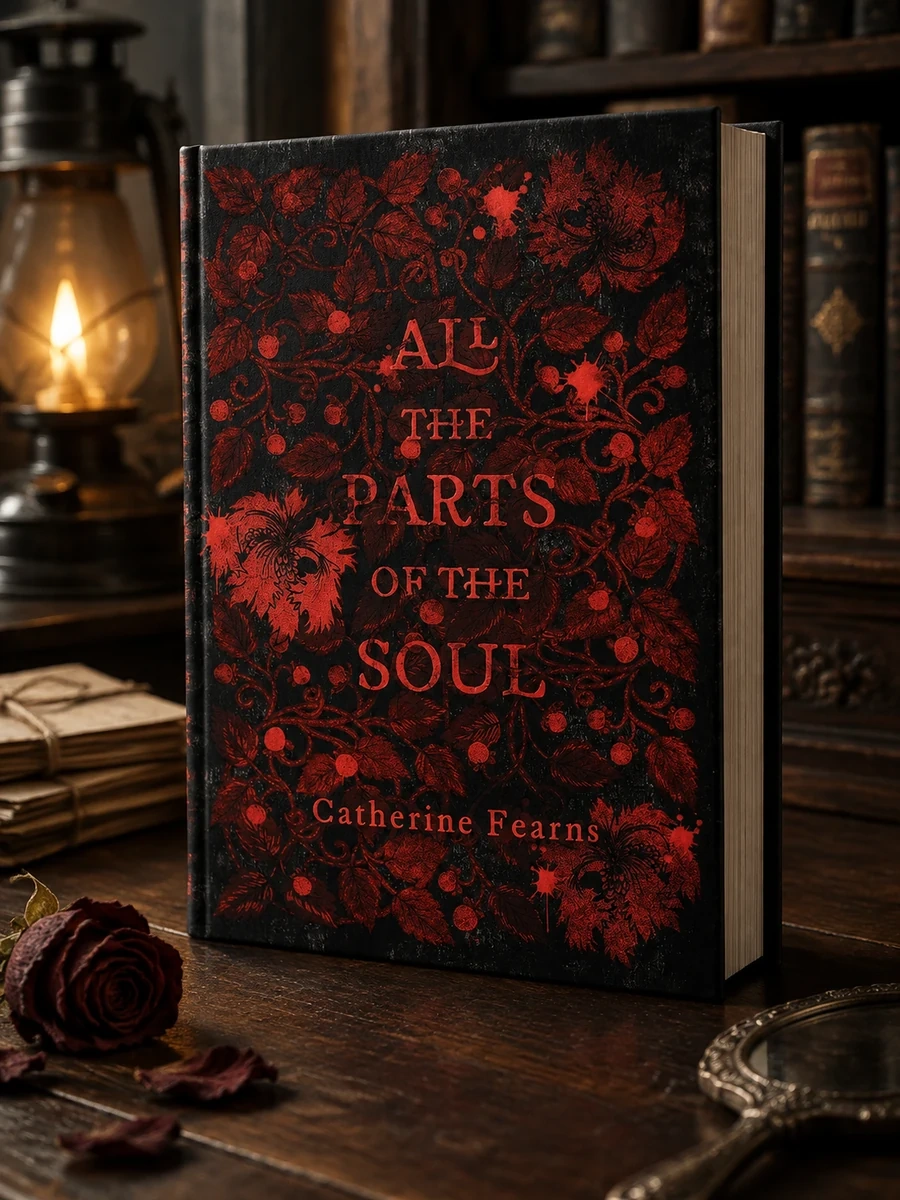

All the Parts of the Soul
A magistrate investigates witchcraft in plague-ridden Geneva under Calvin's rule.
Fearns constructs a tense atmosphere where religious authority meets personal dread. Henry Aubert’s background as an orphan shapes his view of the world. His investigation into Satigny reveals the fragility of peace in Geneva. Louise de Peney offers a glimpse of warmth that contrasts with the surrounding fear. The narrative does not rely on jump scares but rather on psychological pressure. Readers will find a detailed look at how plague and religious reform intersected in daily life. The story emphasizes the cost of isolation and the difficulty of opening up to others. It provides a grounded perspective on historical witch trials through a fictional lens.
The novel is set in Geneva in 1545, a time when the city defeated Catholic forces and became a center for the Reformation under John Calvin. This historical backdrop provides the context for the social tension and religious fervor that drive the plot forward.


📝 Description: All the Parts of the Soul
💎 Our verdict on All the Parts of the Soul
📖 Why choose it
Why this book is worth reading
Readers who appreciate historical fiction infused with supernatural and gothic undertones will find this narrative compelling. The book offers a grounded perspective on the psychological pressure of religious authority and personal dread during a time of crisis. It is ideal for those interested in how plague and reform intersected in daily life, rather than those seeking fast-paced action or contemporary horror tropes. The story emphasizes the cost of isolation and the difficulty of opening up to others through Henry Aubert’s journey. By focusing on psychological tension over jump scares, it provides a thoughtful look at faith and temptation. Fans of character-driven horror set against rigid historical backdrops will gain from its exploration of duty and internal struggle.
⭐ Reader reviews
Reader rating
Catherine Fearns constructs a tense atmosphere where religious authority meets personal dread through Henry Aubert’s investigation into Satigny. The narrative does not rely on jump scares but rather on psychological pressure, offering a detailed look at how plague and religious reform intersected in daily life. Louise de Peney provides warmth that contrasts with the surrounding fear, challenging Henry’s guarded heart. The story emphasizes the cost of isolation and the difficulty of opening up to others. It avoids fast-paced action, focusing instead on Henry’s psychological journey through a society ravaged by disease and suspicion. This approach suits readers interested in historical settings with gothic undertones. While it may not appeal to those seeking contemporary horror, it delivers a profound examination of faith and isolation.
📖 Read on the blog
✍️ More books by this author Catherine Fearns



🏛 Books from this publisher Quill & Crow Publishing House





You might also like
See more →




Have a question about this item?
Ask about the edition, condition, delivery or anything else — we reply by email or phone, usually within a day.
