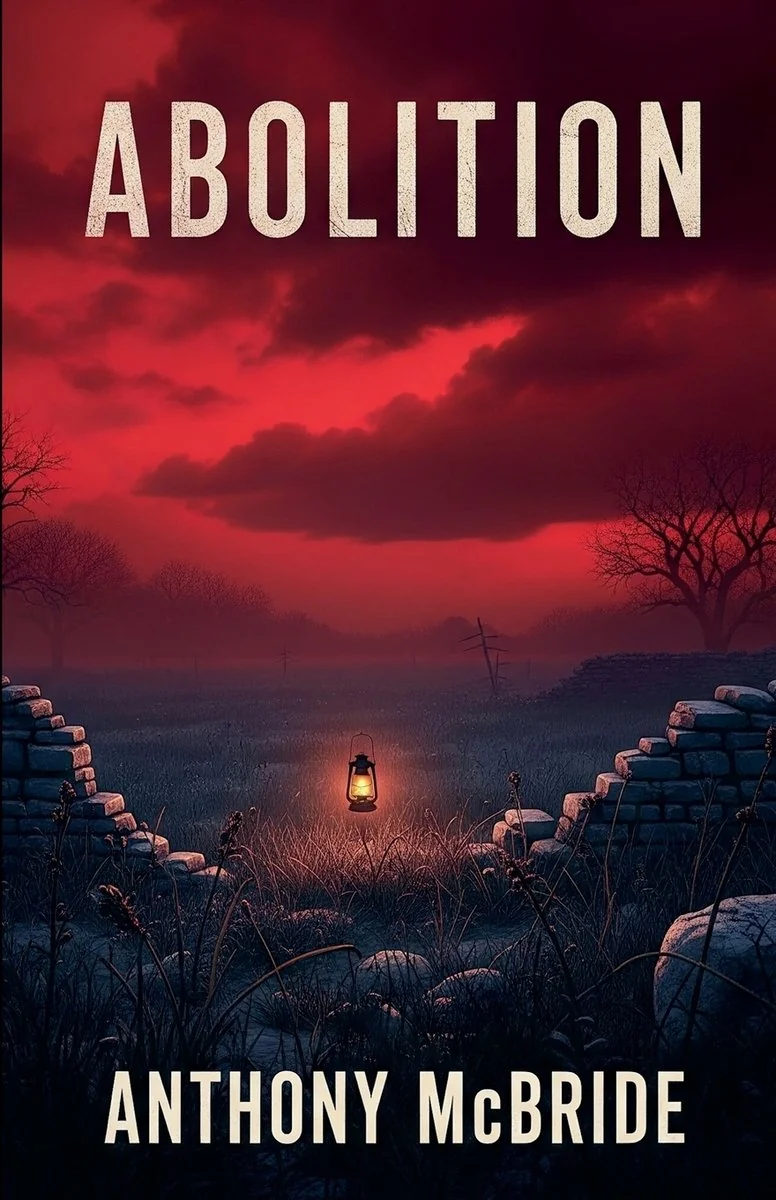
Abolition
A slave leads a team against a ghost targeting Lincoln in this gothic horror novel.
This work examines how personal demons can hinder or help one confront external evils. Virgil’s journey is not merely about physical survival but also about overcoming internalized biases. The narrative structure likely alternates between the immediate threat of Titus and the historical context of the assassination plot. McBride uses the supernatural as a metaphor for the pervasive violence of the era. The book offers a perspective on history through the lens of horror fiction, asking readers to consider how fear shapes leadership and morality in times of national upheaval.
The novel is set during the American Civil War period, specifically referencing President Abraham Lincoln. It engages with the history of slavery in the United States and the gothic literary tradition that often uses the supernatural to explore social anxieties. The work sits at the intersection of historical fiction and horror, reflecting on the nation's past through a lens of fear and moral complexity.


📝 Description: Abolition
💎 Our verdict on Abolition
📖 Why choose it
Why this book is worth reading
Readers seeking a unique intersection of historical fiction and supernatural thriller will find this narrative compelling. It offers a perspective on history through the lens of horror, examining how fear shapes leadership and morality during national crisis. The story appeals to those interested in character-driven horror with emotional depth, focusing on Virgil’s journey of overcoming internalized biases while confronting external evils. It is ideal for audiences who appreciate when the supernatural acts as a metaphor for societal conflicts rather than mere spectacle. Fans of gothic traditions that prioritize psychological complexity over simple jump scares will gain significant insight into the tension between individual redemption and collective survival in times of profound upheaval.
⭐ Reader reviews
Reader rating
McBride crafts a sophisticated narrative where personal demons mirror broader societal conflicts during the Civil War era. The book excels in using gothic horror elements to explore the intersection of trauma and national crisis, avoiding shallow thrills in favor of thematic depth. Virgil’s internal struggle provides a compelling anchor for the supernatural plot involving Titus. This approach suits readers who enjoy historical undertones blended with psychological horror. It may not appeal to those seeking fast-paced action without emotional weight or readers uncomfortable with themes of slavery and racial prejudice. The work stands out for its thoughtful examination of how fear influences morality, offering a nuanced reading experience that balances supernatural threats with real-world historical stakes effectively.
📖 Read on the blog
📖 From the series “Black Horror”


✍️ More books by this author Anthony McBride
🏛 Books from this publisher Anthony McBride
You might also like
See more →




Have a question about this item?
Ask about the edition, condition, delivery or anything else — we reply by email or phone, usually within a day.
