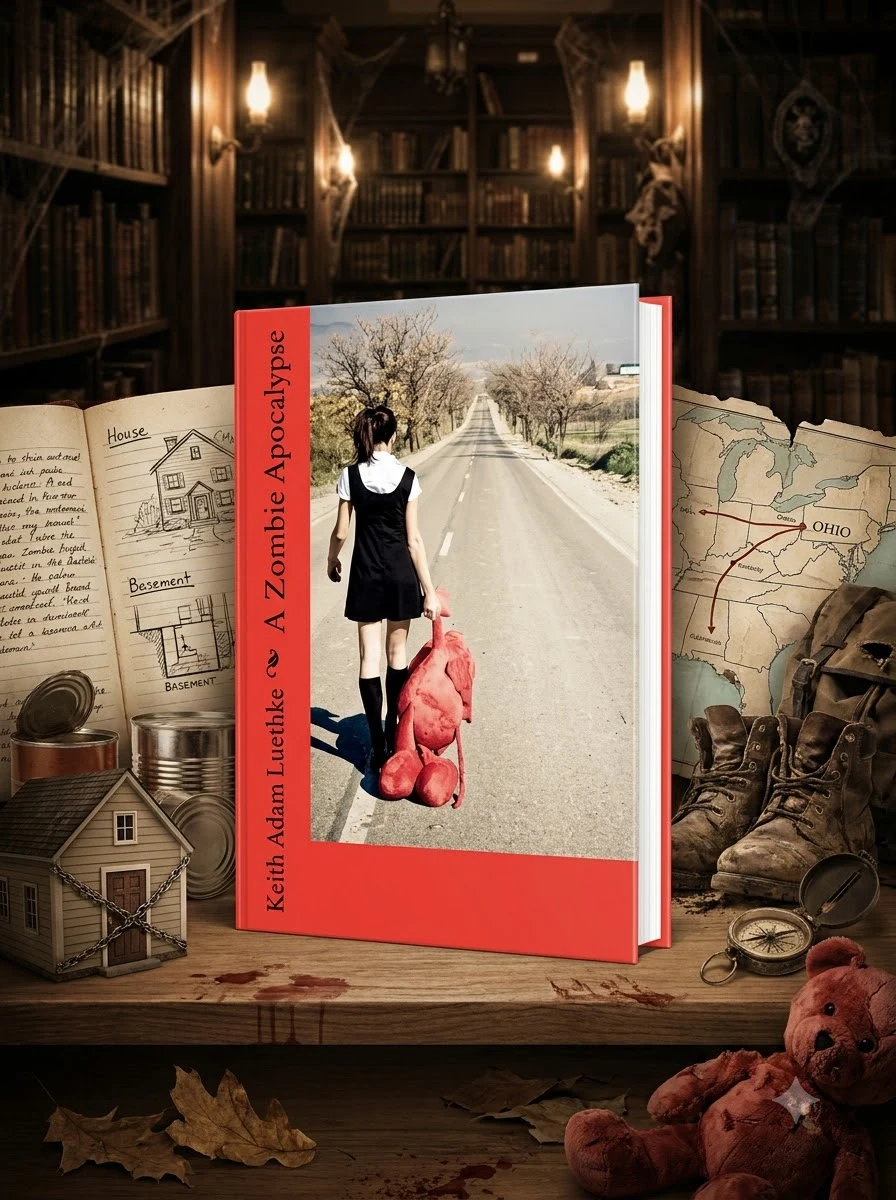
A Zombie Apocalypse
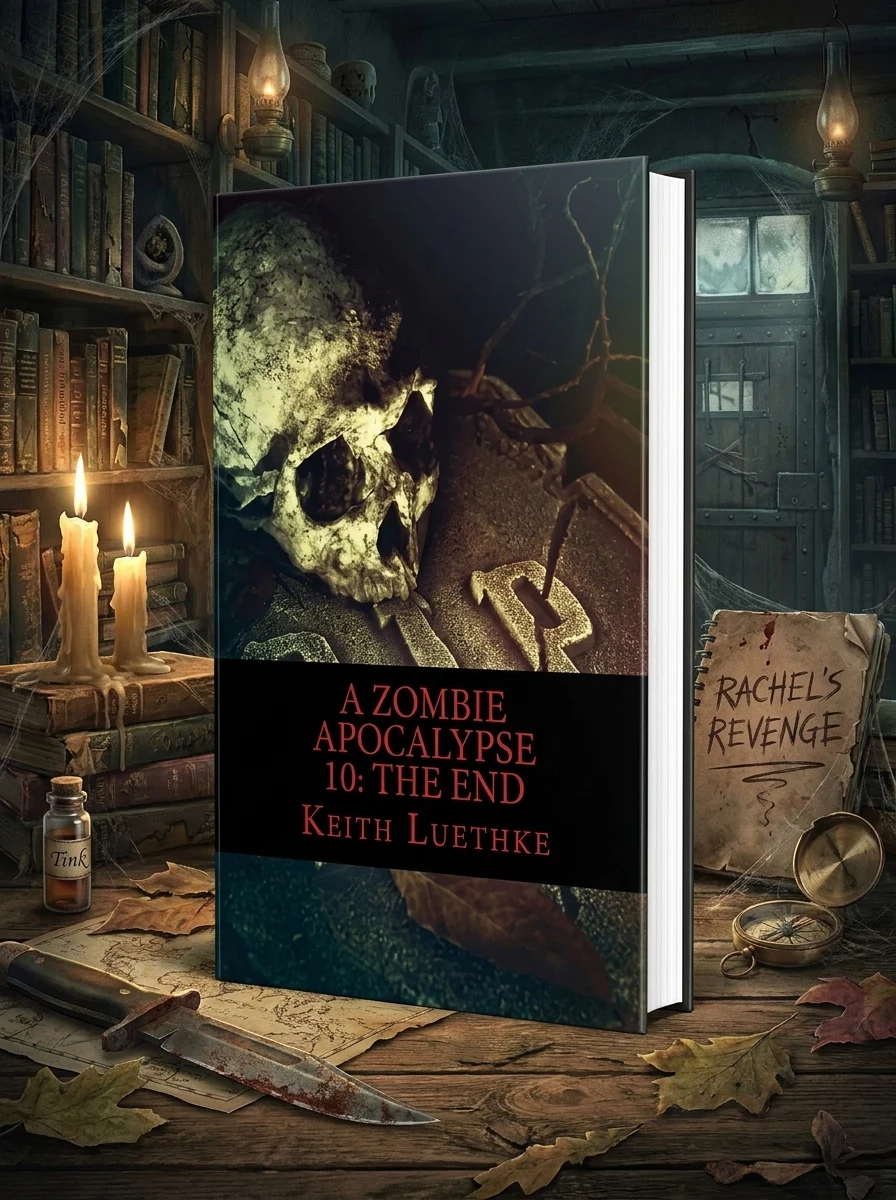
A survivor turns into a zombie while searching for family in Ohio.
The narrative centers on Rachel Cormac, who remains one of the few living people after the collapse. Her initial strategy relies on isolation and securing her undead spouse below ground. Hunger eventually breaks this routine. She travels toward Ohio to locate kin. The plot pivots when she contracts the virus. This event recontextualizes her previous fears and desires. The story explores the immediate physical and mental consequences of infection. It does not focus on cure or reversal. Instead, it details the adaptation to a new predatory nature.
Published in 2010 by Createspace Independent Publishing Platform, this work sits within the contemporary American horror tradition. It reflects early twenty-first-century anxieties about societal collapse and personal responsibility during a global crisis.


📝 Description: A Zombie Apocalypse
💎 Our verdict on A Zombie Apocalypse
📖 Why choose it
Why this book is worth reading
Readers seeking a visceral exploration of the zombie archetype will find this narrative compelling for its unique pivot from survivor to predator. It appeals to those interested in the psychological disintegration of the self when faced with an irreversible physical transformation. The book offers a stark look at moral erosion, making it suitable for fans of cosmic or psychological horror who prefer introspection over heroics. It is ideal for individuals who enjoy dark fantasy elements that question the nature of humanity and hunger. By focusing on the immediate consequences of infection rather than cure or reversal, it provides a refreshing, albeit grim, perspective on the genre. Those weary of traditional military strategies in apocalypse fiction will appreciate this intimate, first-person examination of loss.
⭐ Reader reviews
Reader rating
Luethke delivers a stark, introspective account that prioritizes the internal landscape of its protagonist over external survival tactics. The narrative excels in depicting the visceral shift from human desperation to predatory instinct, offering a chilling study of moral decay. By abandoning the trope of the cure, the text focuses entirely on the adaptation to a new, monstrous existence. This approach suits readers who prefer psychological horror and gothic themes over action-oriented plots. The first-person perspective effectively immerses the audience in the protagonist's gnawing hunger and shifting identity. While it lacks traditional heroics, it compensates with a raw examination of humanity's fragility. It is a thoughtful addition to apocalyptic fiction for those willing to confront the uncomfortable reality of losing one's self.
📖 Read on the blog
✍️ More books by this author Keith Adam Luethke



🏛 Books from this publisher Createspace Independent Publishing Platform






You might also like
See more →



Have a question about this item?
Ask about the edition, condition, delivery or anything else — we reply by email or phone, usually within a day.
