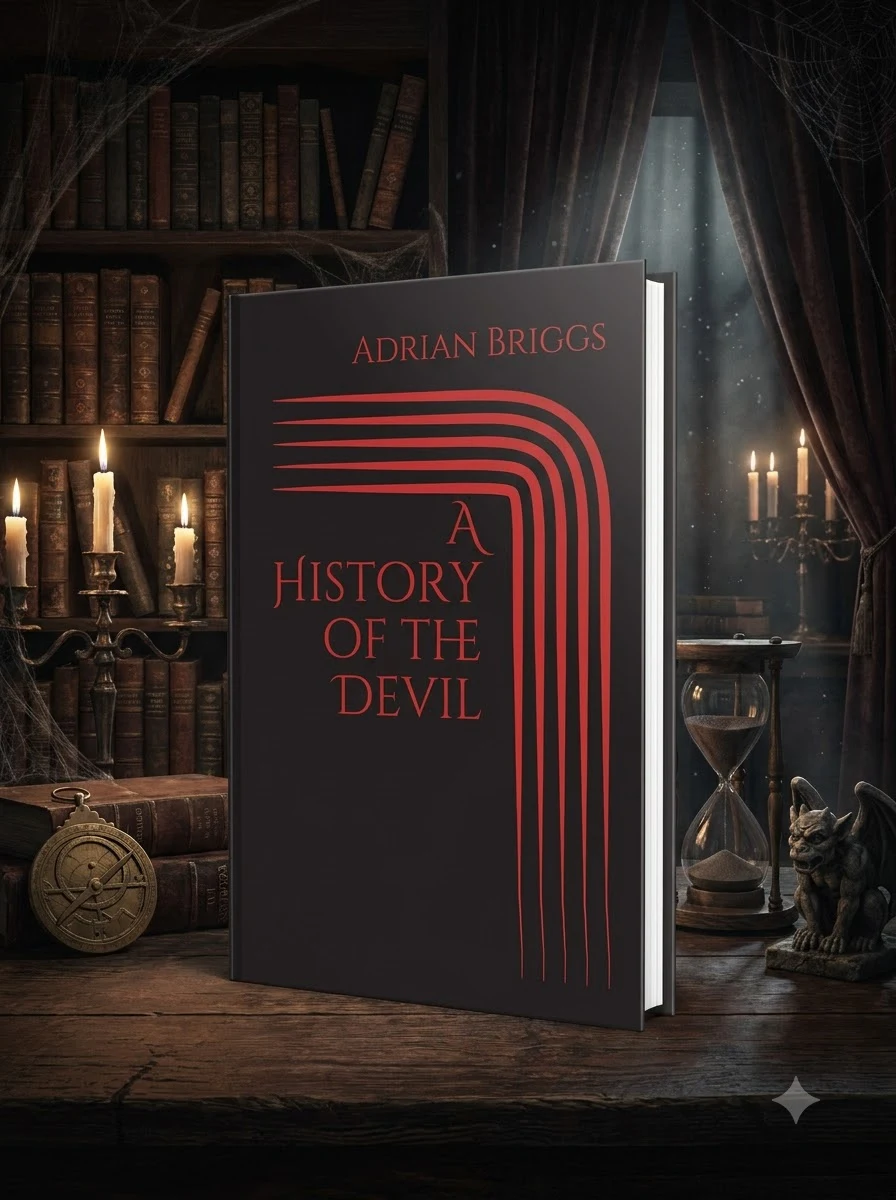

A History of the Devil
A study of horror fiction’s use of mood to create psychological dread.
Briggs analyzes the mechanics of fear in gothic and supernatural fiction. He argues that true unease stems from implication rather than explicit content. The book examines how isolation and the unknown generate lasting terror. It targets readers who prefer intellectual engagement over visceral shock. The narrative structure supports this by avoiding complex plots or large character lists. Instead, it focuses on the slow build of tension through atmospheric prose. This method allows themes of evil and morality to emerge naturally. The work is designed for those who enjoy lingering discomfort rather than immediate gratification. It stands as a focused examination of how suggestion drives horror.
Published independently in 2018, this paperback addresses the American market's interest in atmospheric horror. It responds to readers seeking deeper engagement with supernatural themes through mood rather than spectacle.


📝 Description: A History of the Devil
💎 Our verdict on A History of the Devil
📖 Why choose it
Why this book is worth reading
Readers who prefer intellectual engagement over visceral shock will find value in this focused examination of horror’s psychological underpinnings. The book appeals to those who enjoy lingering discomfort and atmospheric dread rather than immediate gratification or graphic spectacle. By prioritizing implication and suggestion, it offers a unique perspective on how isolation and the unknown generate lasting terror. Fans of gothic fiction and dark fantasy who appreciate slow pacing and deep thematic exploration of evil and morality will gain insight into the genre’s capacity for subtle fear. This title is ideal for audiences seeking a concentrated look at literary techniques that build tension through atmosphere, ensuring the experience persists long after reading.
⭐ Reader reviews
Reader rating
Adrian Briggs delivers a compelling study on how horror fiction generates unease through mood rather than shock. The text successfully prioritizes psychological tension, allowing fear to accumulate via suggestion instead of explicit violence. This approach creates a lingering sense of isolation that resonates deeply with the right audience. While it avoids complex plots and large casts, this restraint serves its purpose well, inviting readers to explore themes of evil and morality through quiet terror. The prose is designed for those who appreciate gothic fiction and intellectual depth. It stands as an excellent resource for fans of atmospheric dread, offering a nuanced understanding of how literature builds fear through subtle means rather than overt displays.
📖 Read on the blog
🏛 Books from this publisher Independently Published








You might also like
See more →

Have a question about this item?
Ask about the edition, condition, delivery or anything else — we reply by email or phone, usually within a day.
