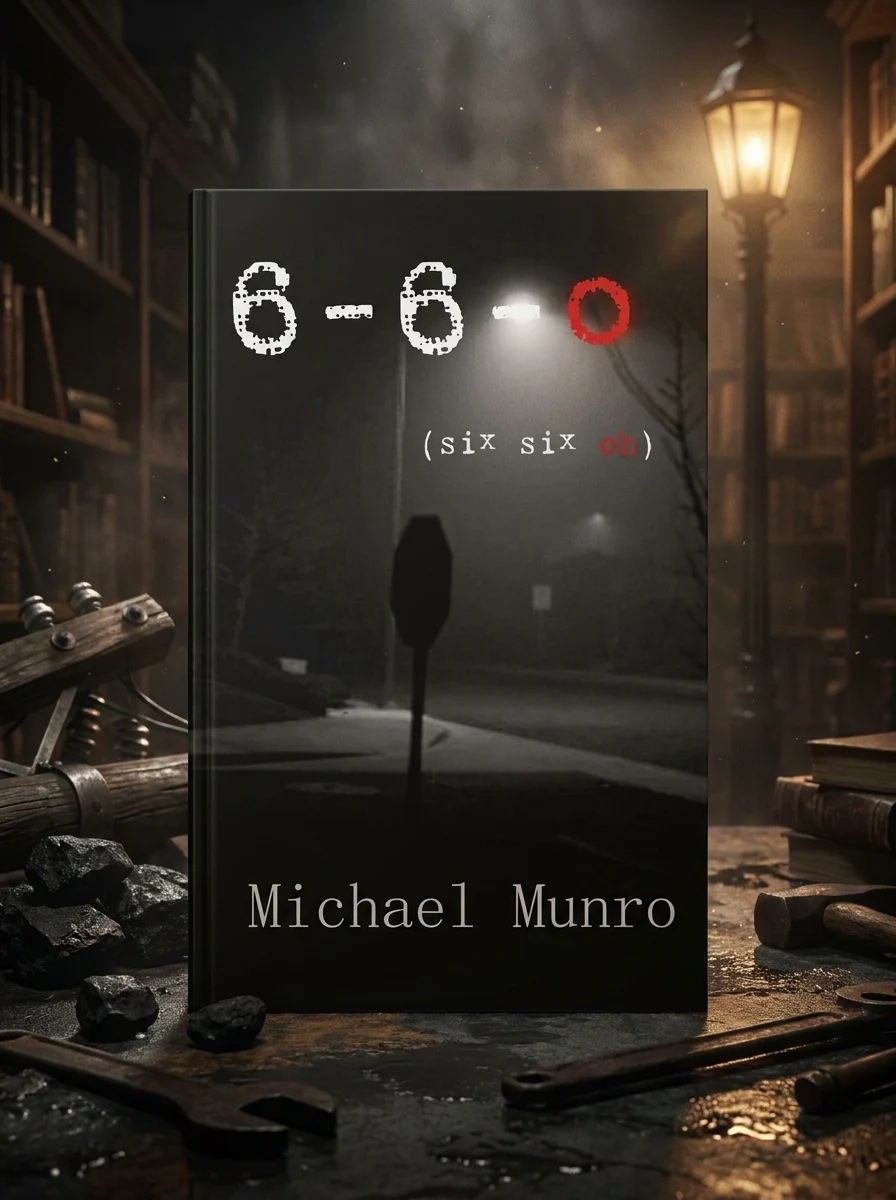
6-6-o
A streetlight curses residents in a Canadian coal town across decades.
The narrative connects the installation of power poles in Seven Acres during the 1950s to modern-day tragedies. Davey and Bert’s work sets a precedent for the suffering that follows. The current inhabitants deal with a light that signals danger by flickering out. Munro uses this object to anchor the horror in physical reality. The story does not rely on abstract ghosts but on the tangible impact of place. Readers witness how the past bleeds into the present through this specific infrastructure.
The work is set in a present day former coal town on Canada's west coast. It bridges the 1950s era of development with modern times. The setting relies on the specific geography of Seven Acres to ground its supernatural elements.


📝 Description: 6-6-o
💎 Our verdict on 6-6-o
📖 Why choose it
Why this book is worth reading
Readers who appreciate dark, atmospheric tales rooted in specific geographic histories will find much to admire here. Munro offers an unflinching look at human frailty and decay, anchoring the horror in the physical reality of a Canadian coal town rather than abstract ghosts. Those interested in how past actions bleed into present suffering through persistent infrastructure will gain from this gritty narrative. It is ideal for fans of gothic fiction and supernatural horror who seek substance over escapism. The book provides a rough ride that examines how choices and location combine to create tragedy, appealing to those who enjoy seeing the tangible impact of place on human lives across decades.
⭐ Reader reviews
Reader rating
Munro crafts a compelling narrative by linking mid-century origins to contemporary consequences through the persistent presence of a cursed streetlight. The book excels at grounding supernatural horror in physical reality, using the flickering light as a tangible anchor for the suffering of residents in Seven Acres. This approach avoids abstract ghost stories in favor of a gritty examination of how infrastructure can facilitate tragedy. The structure effectively binds past actions to present suffering, creating a cohesive and unsettling atmosphere. It suits readers who enjoy dark tales rooted in specific geographic histories and unflinching looks at human decay. Those seeking lighthearted escapism will find no comfort here, but fans of psychological horror will appreciate the careful construction of dread.
You might also like
See more →






Have a question about this item?
Ask about the edition, condition, delivery or anything else — we reply by email or phone, usually within a day.
