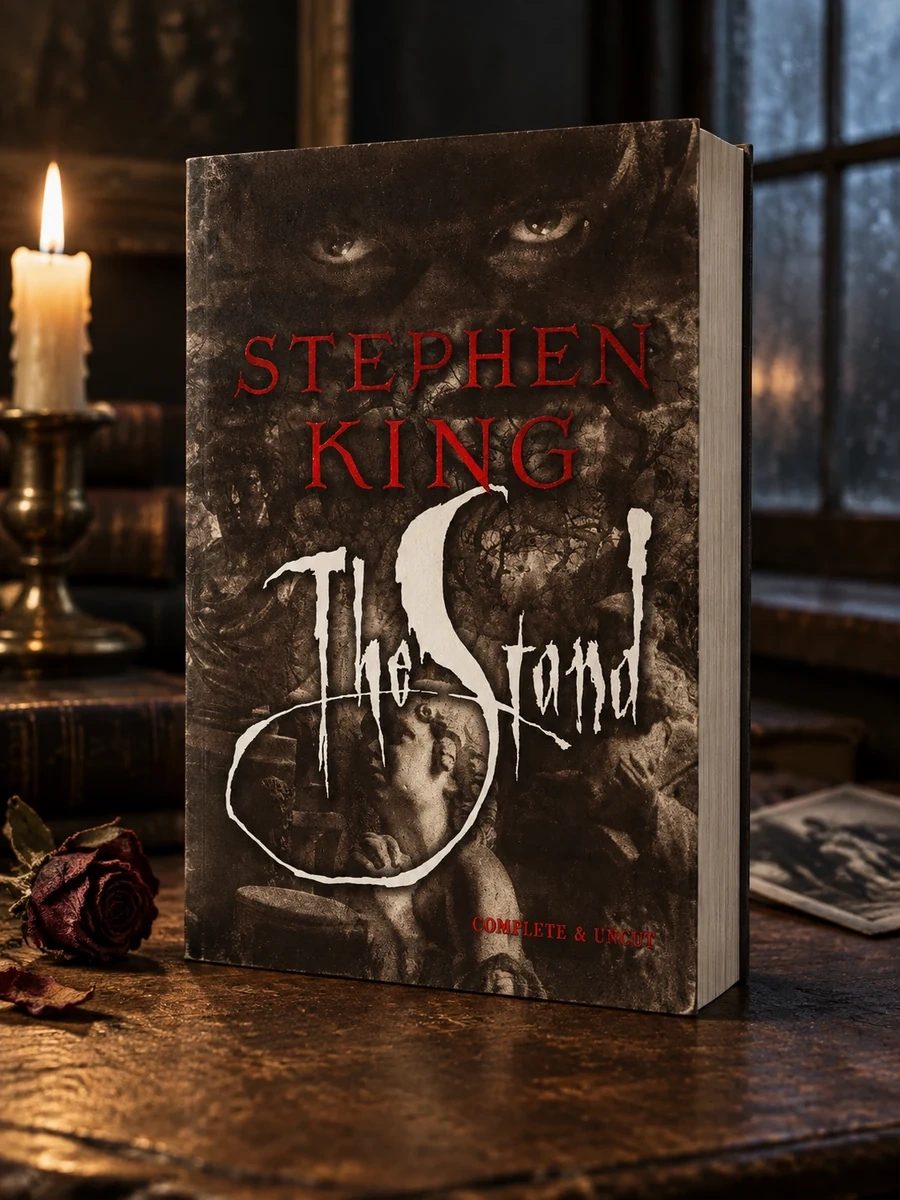
The Stand is a sprawling apocalyptic horror novel that operates on a scale most writers never attempt. It begins with a catastrophe—a bioweapon called Captain Tripps escapes containment and spreads across the globe as a rapidly mutating flu. Within weeks, civilization collapses. Most of humanity is dead. The survivors must rebuild, but they face a choice that splits them into two camps: one led by an elderly Black woman offering spiritual guidance in Boulder, the other commanded by Randall Flagg, a figure of pure malevolence ruling from Las Vegas. The novel is fundamentally about what happens when the structures holding society together vanish, and how people choose between hope and despair, good and evil.
This 1990 Doubleday edition is the expanded version, restoring 150,000 words that were cut from the original 1978 release. That matters. The restored material adds new characters and deepens the psychological portraits of existing ones. You get more concrete detail about how the virus spreads, how communities like Arnette collapse, and how survivors process the weight of extinction. The narrative doesn't rush. It builds slowly, methodically, letting you feel the isolation and fear before the two factions move toward their inevitable confrontation. King's prose is precise about the mechanics of breakdown—both biological and social.
This is not a book for readers seeking quick resolutions or lean storytelling. The expanded text is substantial, and the pacing reflects King's commitment to character over action. You will spend time with dozens of people as they navigate a dying world. Some chapters focus on a single character's internal struggle. Others follow the logistics of survival. The horror here is not jump-scares or monsters—it's the slow recognition that the world as you knew it is gone, and what replaces it may be worse.
What It Is About
The novel begins at Hapscomb's Texaco on Highway 93, north of Arnette, Texas, where a man infected with Captain Tripps stumbles out of a bioweapon research facility. From there, the virus spreads. The narrative follows multiple survivors as they realize what's happening: civilization is ending. Some die. Others survive and begin to gather. The story organizes itself around two poles of moral force. In Boulder, an elderly Black woman named Mother Abagail represents spiritual guidance, community, and hope. In Las Vegas, Randall Flagg—a figure of supernatural evil—commands through fear and promises of power. Survivors gravitate toward one side or the other, and the novel traces their preparation for a final confrontation between these opposing camps. The expanded ending provides a specific resolution to this conflict, rather than leaving it ambiguous.
How It Reads
The pacing is deliberate. King spends considerable time on the early spread of the plague, showing how quickly systems fail when people are dying faster than society can respond. There's real suspense in these sections—the tension of watching something catastrophic unfold in real time. Once survivors begin to gather, the pace slows further. King shifts into character study mode, exploring how different people respond to the end of the world. Some find purpose. Others break. The psychological weight accumulates.
The voice is King's typical blend of accessible prose and dark humor, though the humor is sparse here. The tone is predominantly grim. This is not a book that offers comfort. It examines how society fractures, how people align with moral forces, and what happens when the old rules no longer apply. The horror is existential rather than visceral. You won't find graphic gore or supernatural monsters. Instead, you'll find the terror of isolation, the dread of watching humanity die, and the uncertainty of whether the survivors' choices matter at all.
The supernatural element enters through Randall Flagg, who operates with an almost demonic power. He's not explained in scientific terms. He simply is—a force of darkness that draws certain people to him. This contrast between the biological realism of the plague and the supernatural nature of Flagg creates an interesting tension. The book is grounded in the mechanics of outbreak and survival, but it also operates as a moral allegory where good and evil are almost tangible forces.
Who It Suits, and Who It Does Not
This book is for readers who can commit to long-form fiction and don't mind a slow burn. If you enjoy detailed character work, apocalyptic scenarios, and moral complexity, you'll find immense value here. The expanded edition offers more of what makes the story compelling—deeper characterization, more concrete detail, a fuller sense of how the world breaks and what survivors build in its place. Readers who appreciate gothic horror and supernatural fiction will recognize the tradition King is working in, even as he modernizes it with biological warfare and contemporary settings.
This is not the book for you if you want fast pacing, quick resolutions, or concise narratives. If you prefer short stories, tight thrillers, or horror that relies on jump scares and visceral gore, look elsewhere. The reading difficulty is challenging—not because the prose is ornate, but because the book demands patience and emotional investment. You need to stay with it through hundreds of pages of character building before the final confrontation arrives. Some readers will find that rewarding. Others will find it exhausting.
If You Liked This
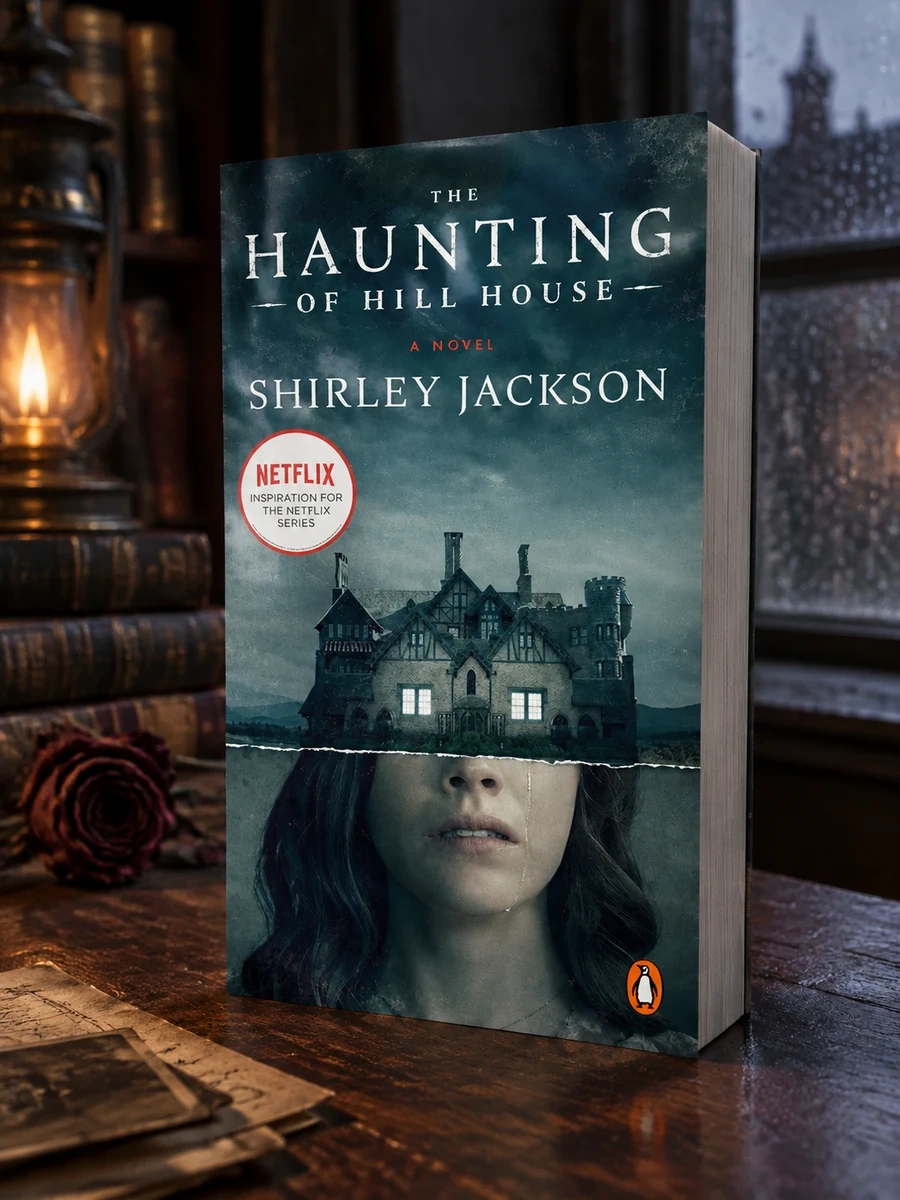
The Haunting of Hill House — Shirley Jackson
Like The Stand, this novel builds dread through psychological complexity rather than action. Jackson's prose is precise and unsettling, and her focus on character dynamics creates a slow-burn horror that lingers.
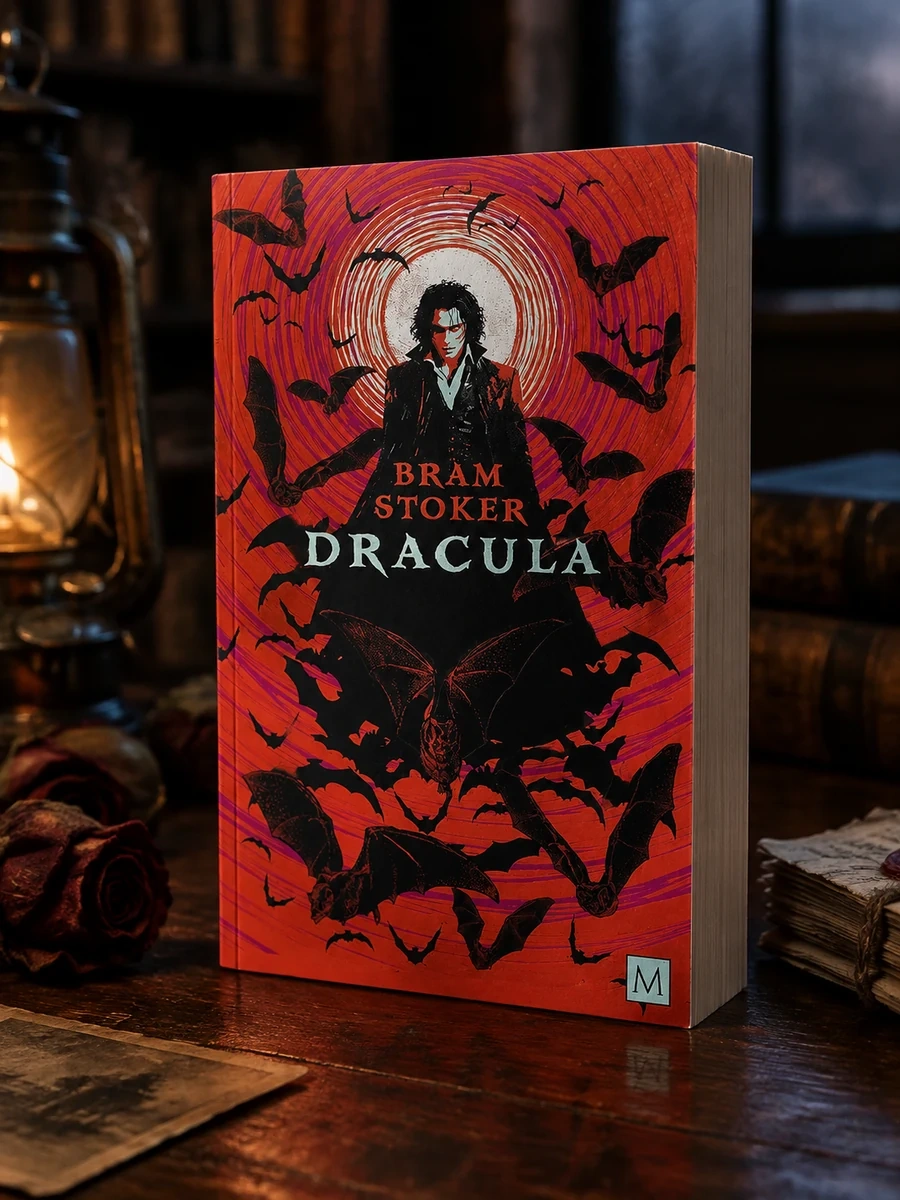
Dracula — Bram Stoker
Both novels operate as moral confrontations between opposing forces, with ensemble casts navigating supernatural evil. Stoker's epistolary structure differs from King's approach, but the thematic weight is similar.
Frankenstein — Mary Wollstonecraft Shelley
This gothic classic shares The Stand's interest in how individuals respond to catastrophe and isolation. Both examine the consequences of human ambition and the fragility of civilization.
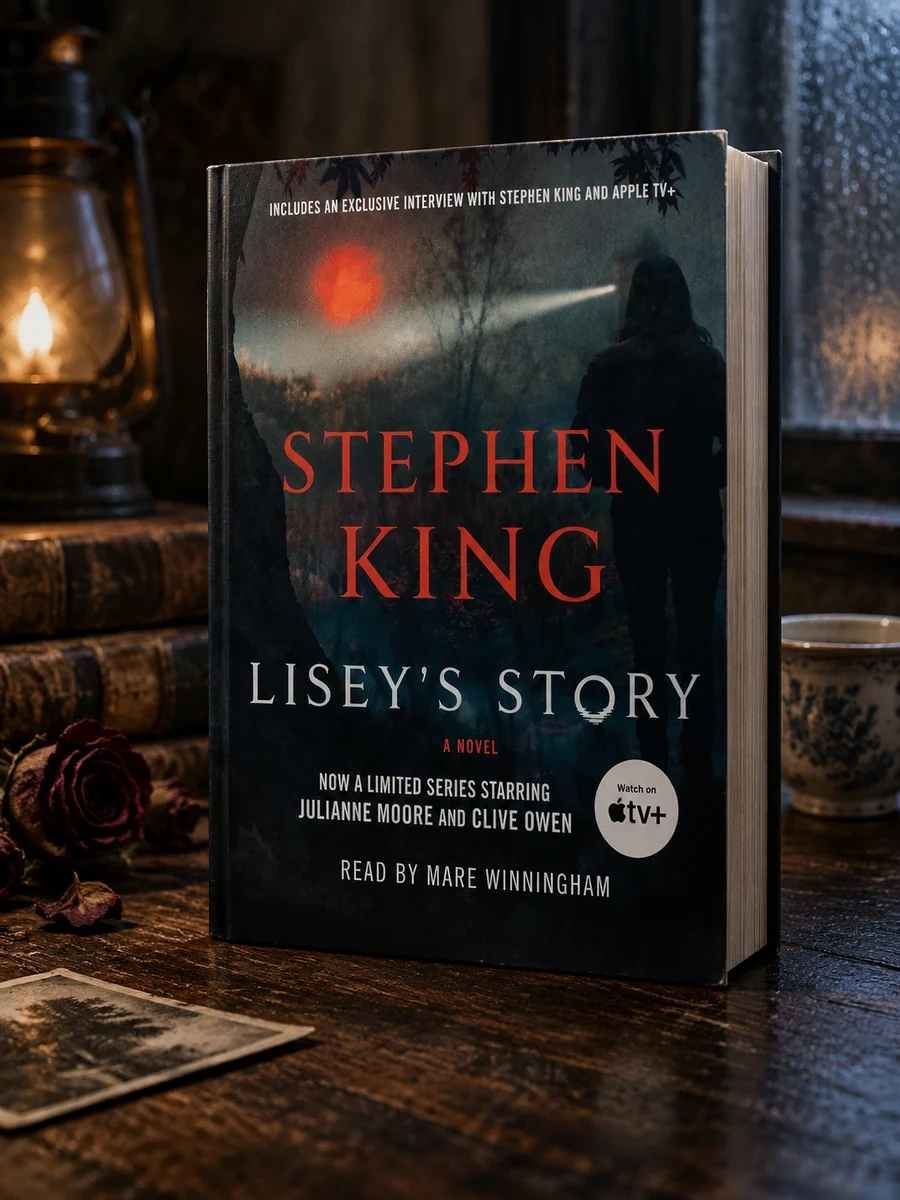
Lisey's Story — Stephen King
Another King work that prioritizes character and psychological depth over conventional horror. It's shorter than The Stand but similarly focused on how people process trauma and loss.
The Picture of Dorian Gray — Oscar Wilde
Both novels explore moral corruption and the seduction of dark power. Wilde's novella is brief, but it shares The Stand's interest in how evil attracts and transforms those around it.
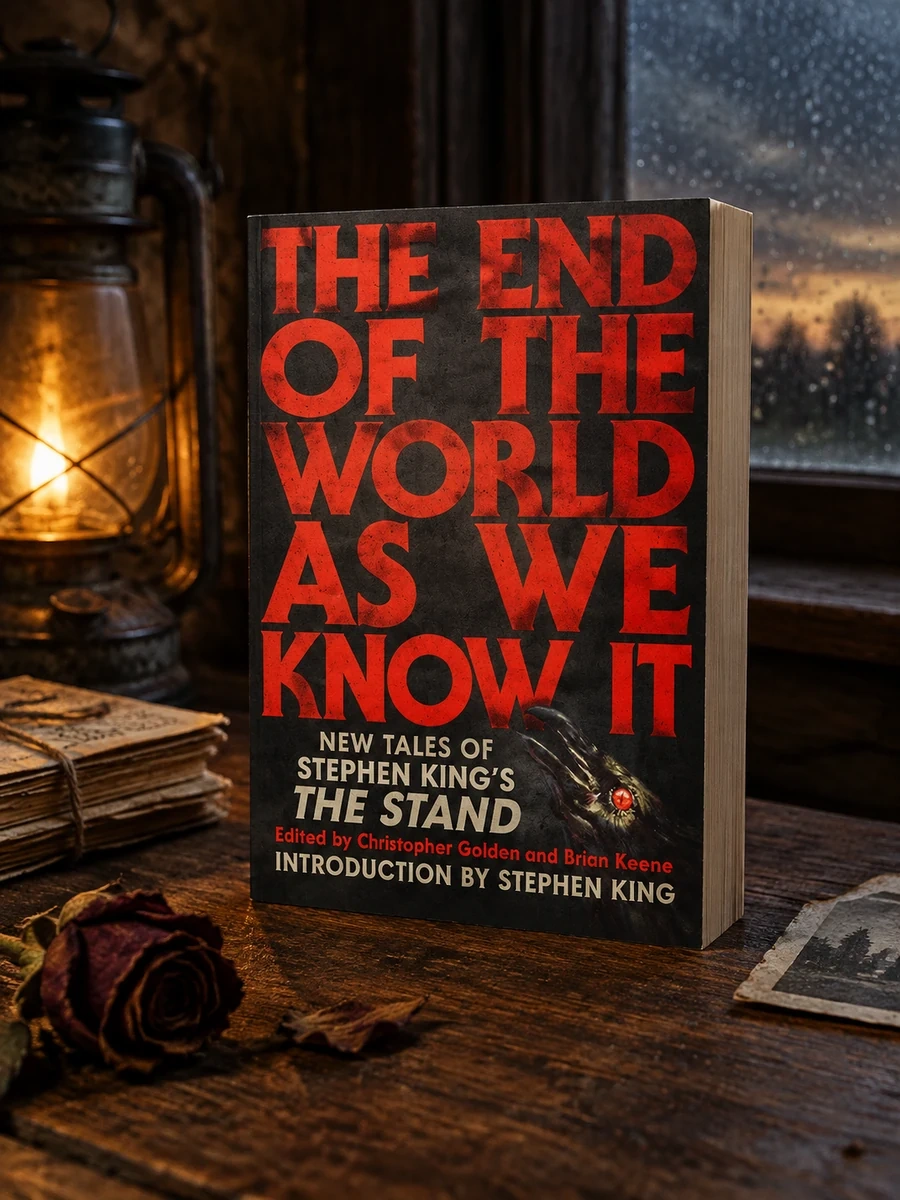
The End of the World as We Know It: New Tales of Stephen King's The Stand
This anthology of authorized expansions explores the world King created. If you finish The Stand and want to remain in that universe, this collection offers new perspectives on the same apocalypse.