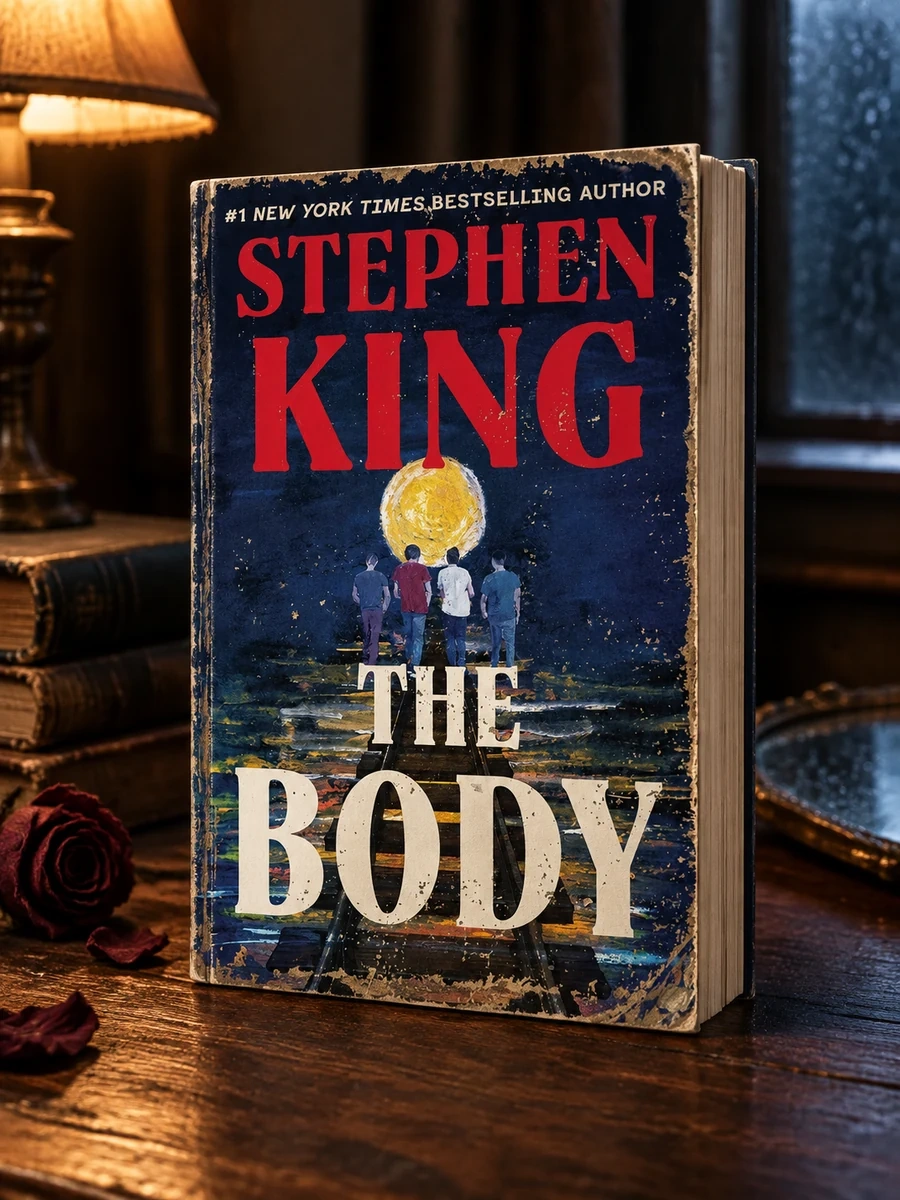
Stephen King's The Body is a rare thing: a horror writer's book that contains almost no horror in the traditional sense. There are no ghosts, no monsters, no supernatural dread creeping through the Maine woods. Instead, King has written a coming-of-age story set in 1960 Castle Rock, Maine, where the real terror is the slow realization that adulthood means limited choices, dead-end futures, and the loss of childhood friendships. It's a book about mortality, but the mortality that matters isn't sudden or dramatic—it's the kind that comes from living in a place where opportunity has already died.
The novel follows four twelve-year-old boys: Gordie Lachance, Chris Chambers, Teddy Duchamp, and Vern Tessio. These aren't kids from a privileged background. They live in a factory town where their parents work jobs that offer no real future, where the landscape itself seems to reflect the bleakness of their circumstances. When they learn that the body of a missing boy from a neighboring community has been spotted along the railroad tracks, they decide to find it themselves. What begins as an adventure—a chance to be heroes, to do something that matters—becomes something far more complicated: a confrontation with death, with their own mortality, and with the knowledge that this moment, this friendship, cannot last forever.
This is King at his most restrained and most effective. The book doesn't rely on jump scares or supernatural explanations for its power. Instead, it builds its horror from the inside out, through the internal lives of the four boys as they walk the railroad tracks, talk, argue, share stories, and slowly begin to understand what they're really looking for.
What It Is About
The story is straightforward on the surface: four boys take a journey to find a dead body. But the real narrative happens in the spaces between plot points. King uses the railroad journey as a framework to explore how these four very different personalities interact under pressure. Gordie is the storyteller, the one who will become a writer. Chris is the leader, the one trying to escape his family's reputation. Teddy is the dreamer, the one with the most dangerous optimism. Vern is the follower, the one most likely to be left behind.
As they move through the landscape, they confront the reality of their small town: the limited futures available to them, the way class and circumstance shape who they can become, the way childhood friendships are often temporary refuges from a harsher world. The body they're searching for becomes almost secondary to what they discover about themselves and each other along the way.
How It Reads
The pacing is deliberate and unhurried. This is not a fast-paced thriller. King takes his time with these boys, letting scenes breathe, allowing conversations to meander. The voice is intimate and reflective, often moving between the present-day narrative and the internal thoughts of the characters. There's a melancholy quality to the prose that builds slowly but steadily.
The book is not frightening in the way King's other work can be. There are no scares, no moments designed to make you jump. Instead, there's a creeping sense of dread that comes from understanding what these boys are about to lose. The horror is existential: the knowledge that childhood ends, that friendships dissolve, that the world is indifferent to our hopes. For some readers, this will be far more unsettling than any ghost story. For others, it may feel like a letdown.
The medium reading difficulty reflects the emotional complexity rather than any narrative confusion. King's prose is accessible, but the themes require engagement. This isn't a book you can skim. It demands attention to character and subtext.
Who It Suits, and Who It Does Not
If you're drawn to character-driven stories about friendship, loss, and the passage of time, The Body will resonate deeply. Readers who appreciate psychological realism, who understand that the most profound horror often comes from human experience rather than supernatural threats, will find this book rewarding. If you've ever felt the sting of a childhood friendship ending, or wondered what happened to friends you lost touch with, this book will speak to you.
If you're looking for traditional horror—monsters, ghosts, supernatural scares—this is not the book for you. King himself acknowledges this in the catalogue description: it's not designed for readers seeking fast-paced action or traditional ghost stories. Some readers will find the pacing too slow, the focus on internal experience too introspective. If you want plot momentum and external conflict, you'll be frustrated.
This is a book for readers willing to sit with sadness, to accept that sometimes the most important stories are about ordinary people facing ordinary but devastating truths.
If You Liked This
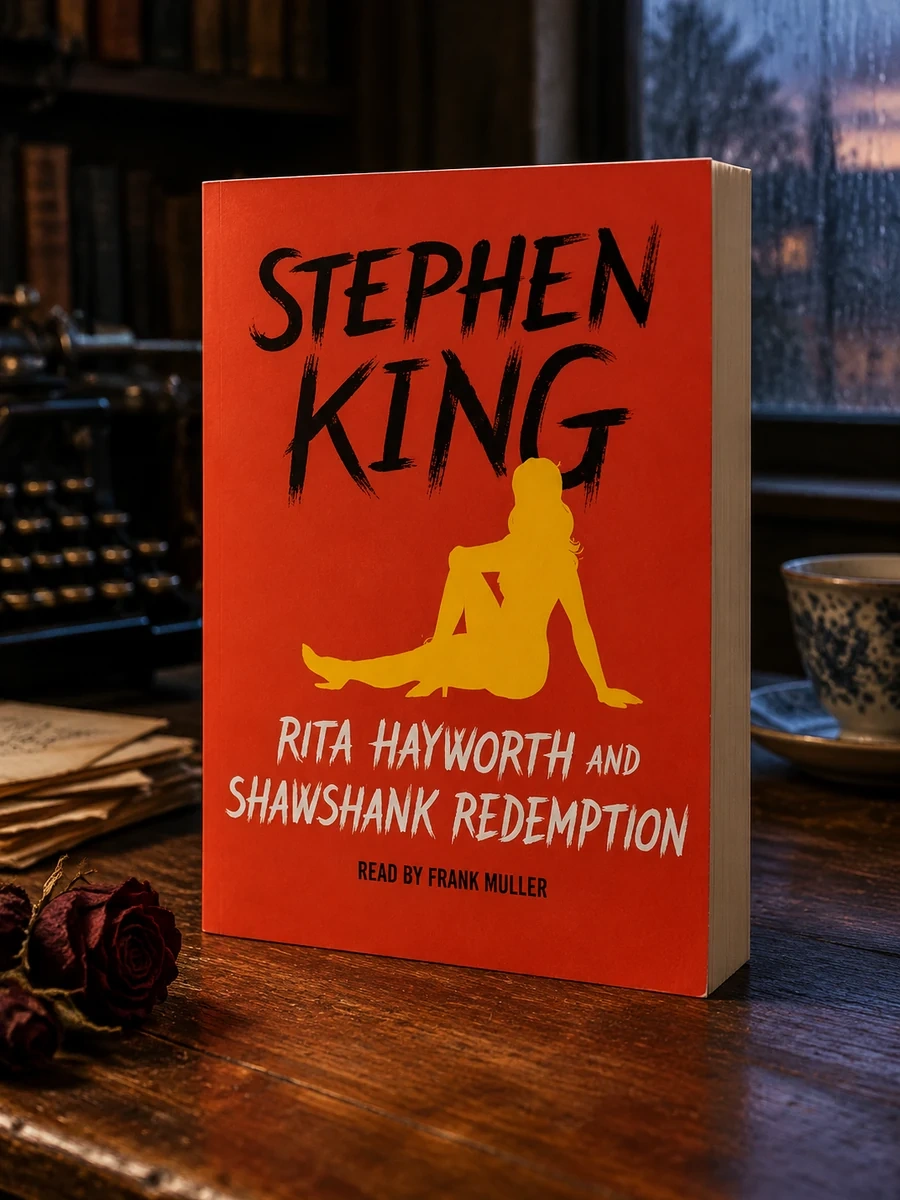
Rita Hayworth and Shawshank Redemption — Stephen King
Another King work that prioritizes character and emotional depth over supernatural horror. This novella about friendship and hope in the darkest circumstances shares The Body's focus on how human connection sustains us.
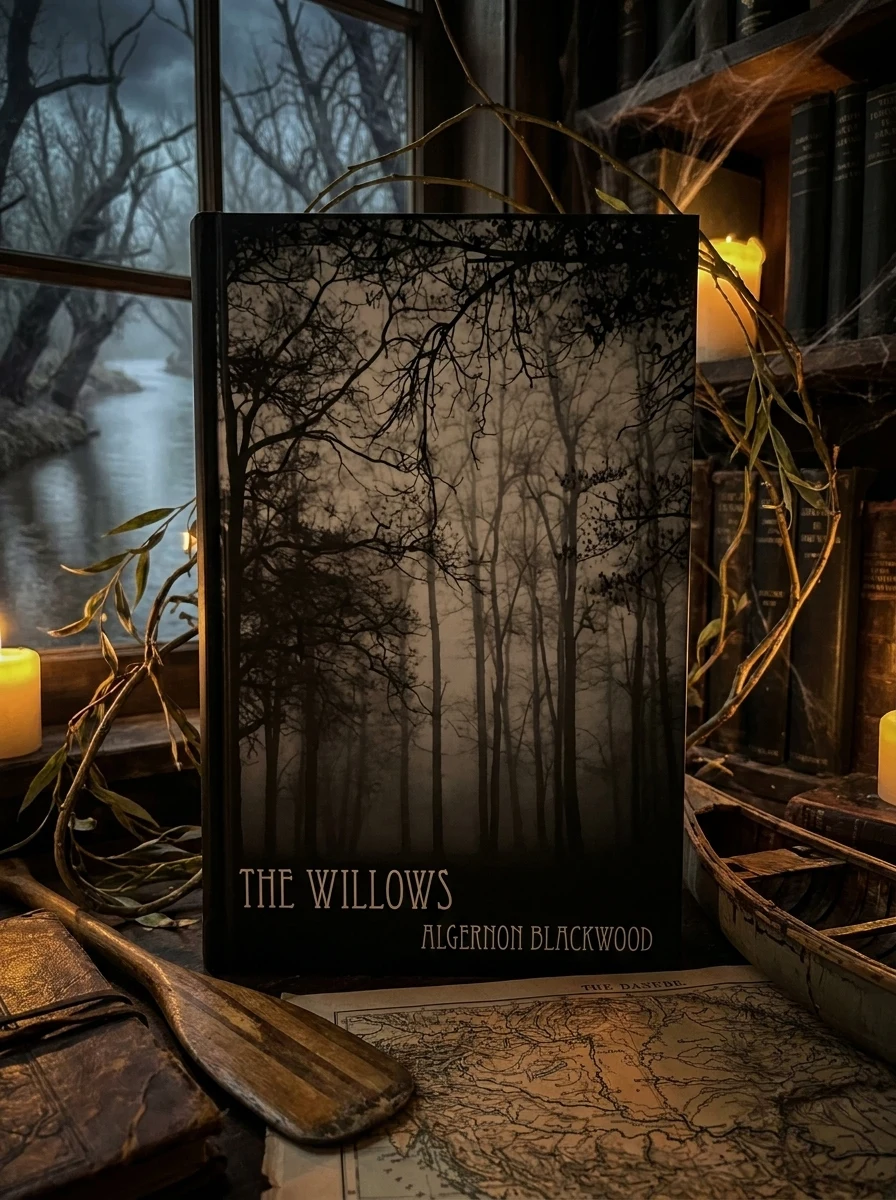
The Willows — Algernon Blackwood
A psychological exploration of fear and isolation that relies on atmosphere and internal experience rather than explicit horror. Like The Body, it finds terror in the confrontation with something larger than ourselves.
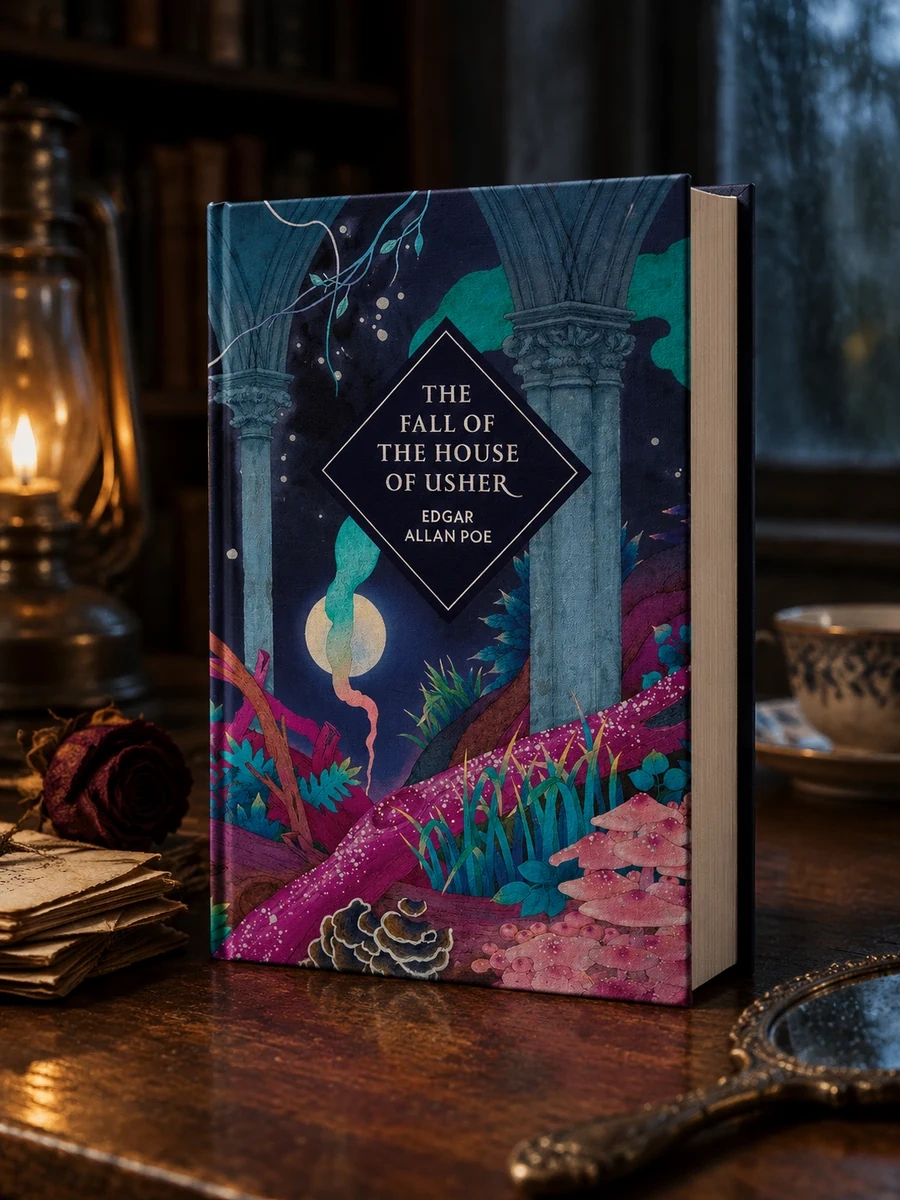
The Fall of the House of Usher and Other Stories — Edgar Allan Poe
Poe's stories often work through psychological deterioration and emotional decay. While more gothic in style, they share The Body's interest in internal states and the way environment shapes character.
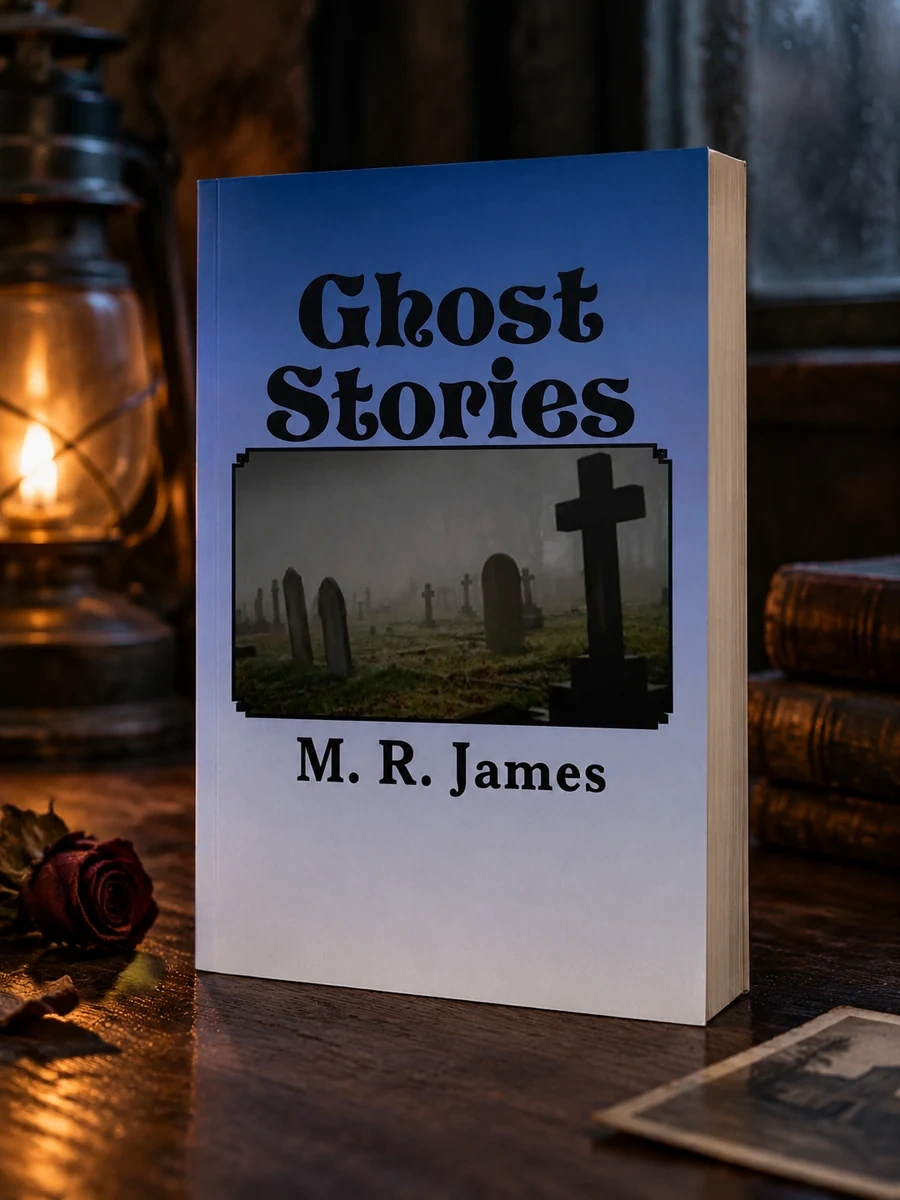
Ghost Stories — M R James
James's ghost stories are grounded in character and setting, focusing on how ordinary people respond to extraordinary circumstances. The emphasis on atmosphere over action mirrors The Body's approach.
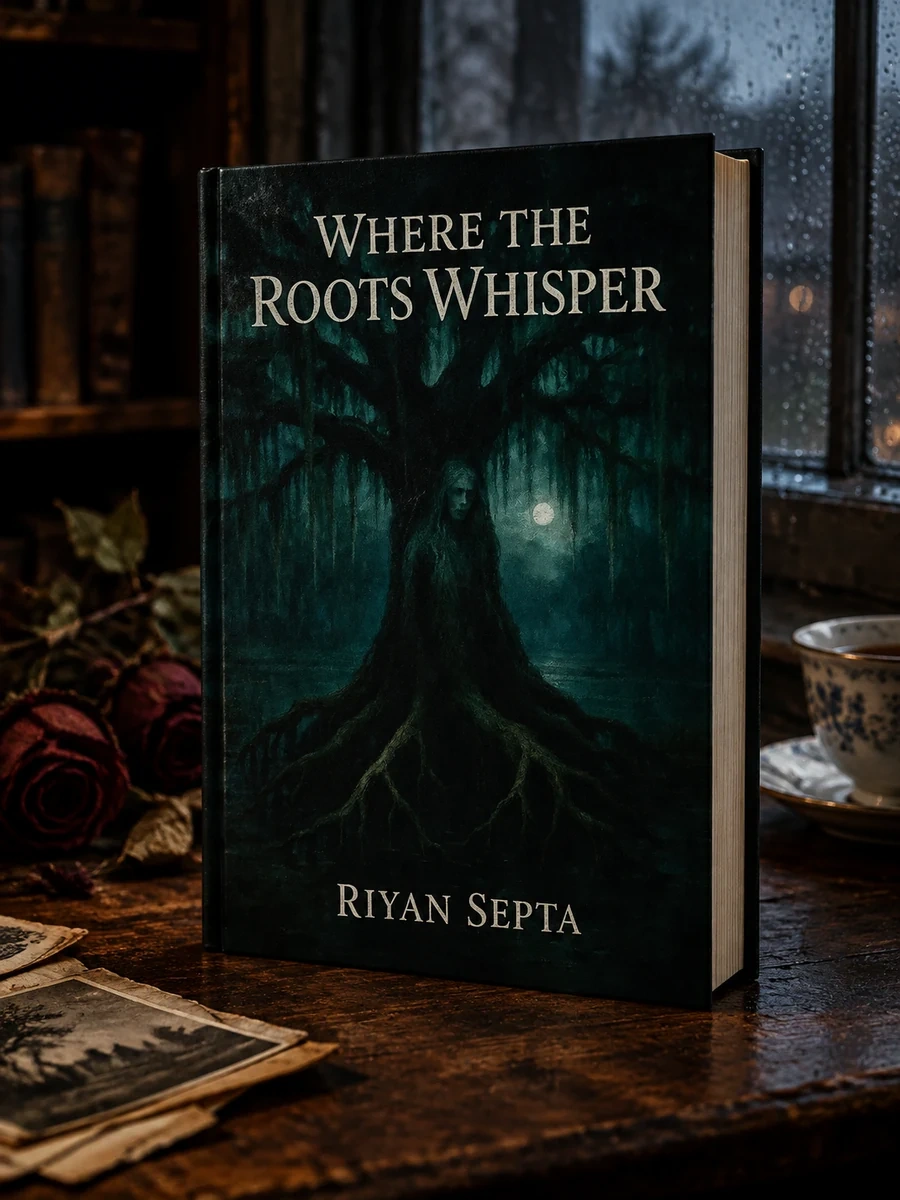
Where the Roots Whisper — Riyan Septa
A contemporary work that emphasizes character and setting in exploring how place shapes identity and experience, much like King's examination of Castle Rock's influence on his young protagonists.
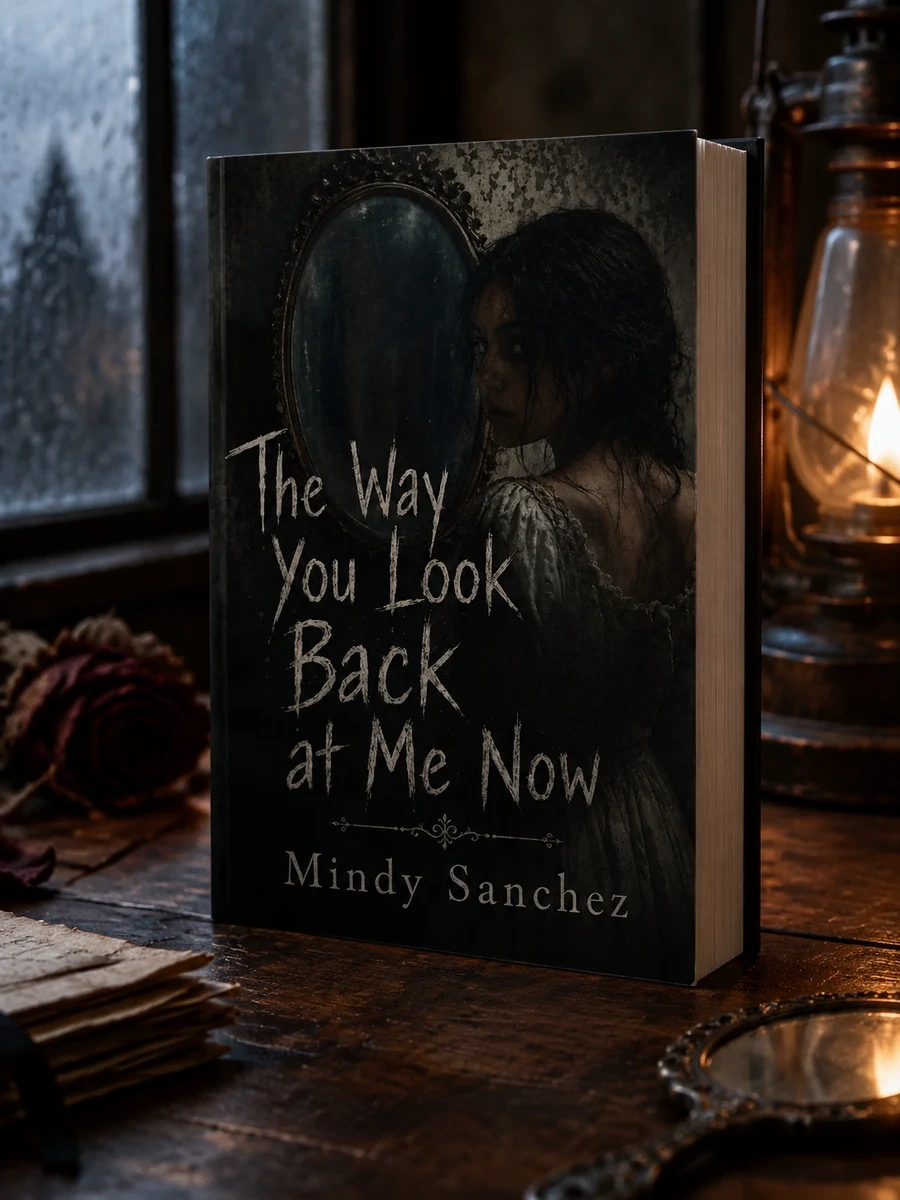
The Way You Look Back at Me Now — Mindy Sanchez
A character-focused narrative exploring memory and loss, themes central to The Body's meditation on how we carry our past with us.