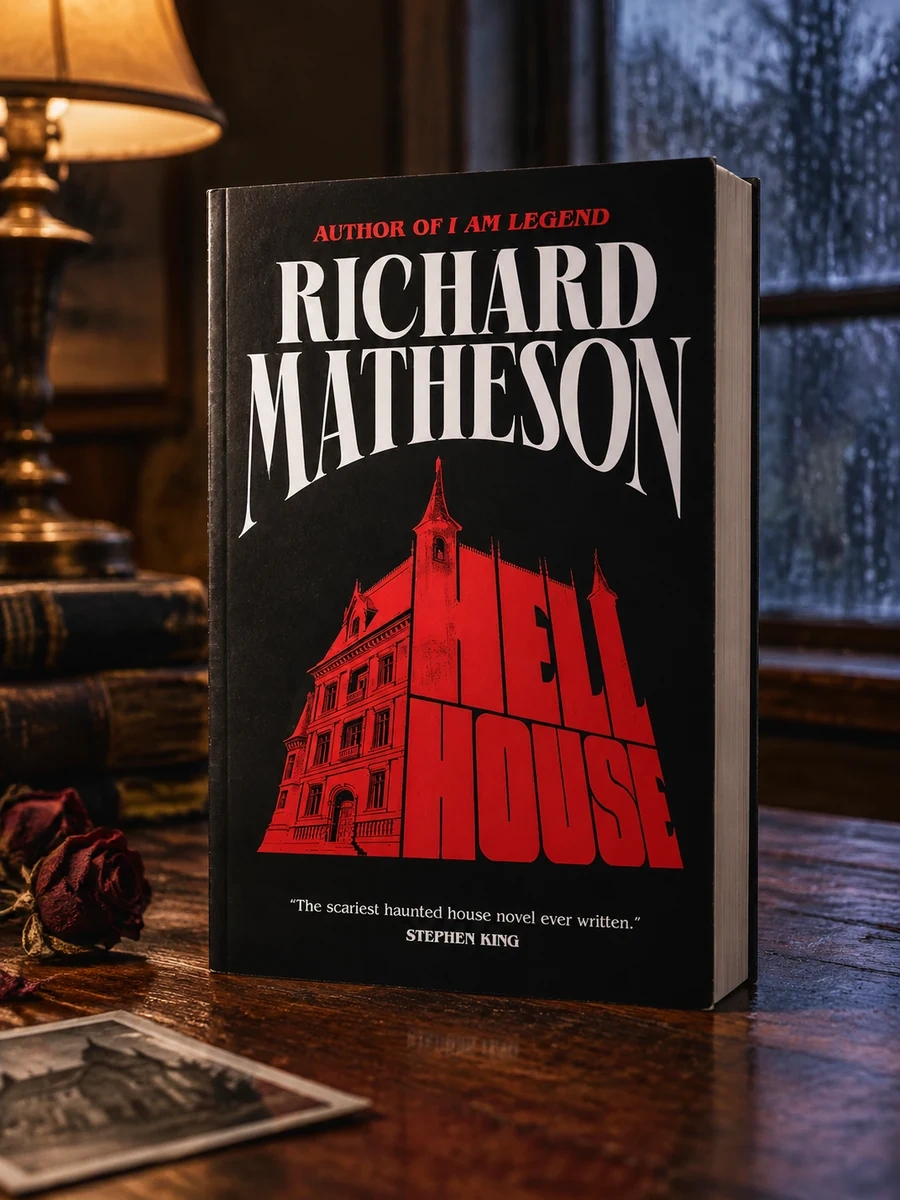
Every October, the same question surfaces in horror communities: which haunted-house novel should I read—Stephen King's The Shining or Richard Matheson's Hell House? The answer depends on what kind of fear you're after. If you want a descent into madness fueled by isolation and family trauma, King delivers. But if you crave something stranger—a novel where the house itself becomes a character of malevolent intelligence, where scientific investigation crumbles against genuine supernatural horror—then Matheson's 1971 masterpiece is the book you need.
Hell House has spent five decades quietly outpacing its more famous competitor in the minds of serious horror readers. It's leaner, stranger, and far more unsettling. Where The Shining builds dread through psychological breakdown, Hell House constructs terror through the collision of rational inquiry and inexplicable evil. Matheson doesn't ask whether the house is haunted; he assumes it is and then asks: what happens when four ordinary people—a physicist, a spiritualist, a sensitive, and a skeptic—try to prove it in a single night?
1. The Setup: Science vs. the Supernatural
Hell House begins with a simple premise that becomes increasingly complex. A wealthy man hires a team of investigators to spend one night in the Belasco House, a sprawling mansion with a reputation for supernatural violence. The team includes Dr. Lionel Barrett, a physicist convinced that hauntings are electromagnetic phenomena that can be measured and controlled; Florence Tanner, a spiritualist medium; Benjamin Franklin, a psychic sensitive; and Lewis, a man hired for his physical strength and his previous experience in the house.
What makes this setup brilliant is that Matheson takes the scientific approach seriously. Barrett isn't a fool or a skeptic played for laughs. He's a legitimate researcher with equipment and theories. And yet, the house systematically dismantles every rational framework he brings to bear. This isn't a story about science being wrong; it's about the limits of science when confronted with something that operates outside natural law. The tension between Barrett's materialism and the undeniable supernatural events creates psychological pressure that builds throughout the night.
2. Why Hell House Surpasses The Shining for Supernatural Horror
Both novels are masterpieces, but they operate in different registers. The Shining is a psychological horror novel that happens to be set in a haunted hotel. Hell House is a supernatural horror novel that uses psychology as one of its weapons. If you've read The Shining and found yourself more interested in the hotel's history and the supernatural elements than in Jack's descent, Hell House is calling to you.
Matheson's prose is also more economical. He doesn't linger on atmosphere the way King does; instead, he creates dread through specificity and forward momentum. The Belasco House has a dark, violent history, and that history bleeds into the present. But Matheson doesn't spend chapters building mood. He builds it through incident, through the accumulation of impossible events that the characters cannot explain away. The novel also avoids the isolation that defines The Shining. In King's novel, the Overlook is cut off by winter; in Matheson's, the Belasco House is surrounded by the city, yet utterly separate from it. The team can't leave—not because of weather, but because the house won't let them.
3. The Characters: Belief and Disbelief Under Pressure
What elevates Hell House beyond a simple haunted-house story is the way Matheson uses his four protagonists to explore different responses to the supernatural. Barrett represents rationalism; Florence represents faith; Benjamin represents sensitivity and intuition; Lewis represents experience and pragmatism. None of them is right. None of them is wrong. And the house exploits every gap between their worldviews.
Florence Tanner is particularly memorable—a spiritualist whose genuine gifts are constantly undermined by her own limitations and the house's cruelty. She's not a charlatan, but she's also not equipped for what she encounters. Matheson treats her with respect and sympathy even as the house destroys her. That balance—between taking the supernatural seriously and acknowledging human vulnerability—is what separates Hell House from lesser haunted-house fiction.
4. The Prose and Pacing: Lean and Relentless
Matheson's writing in Hell House is stripped down and efficient. There are no long passages of introspection or atmospheric description for its own sake. Every sentence moves the story forward or deepens the dread. This makes the novel feel faster than it is, and more claustrophobic. The investigation unfolds in real time, over the course of a single night. That constraint—one night, four people, one house—creates an almost classical unity of action. There's nowhere to go, no escape, no reprieve. The pressure builds steadily, and Matheson doesn't release it until the final pages.
5. Matheson's Other Masterworks
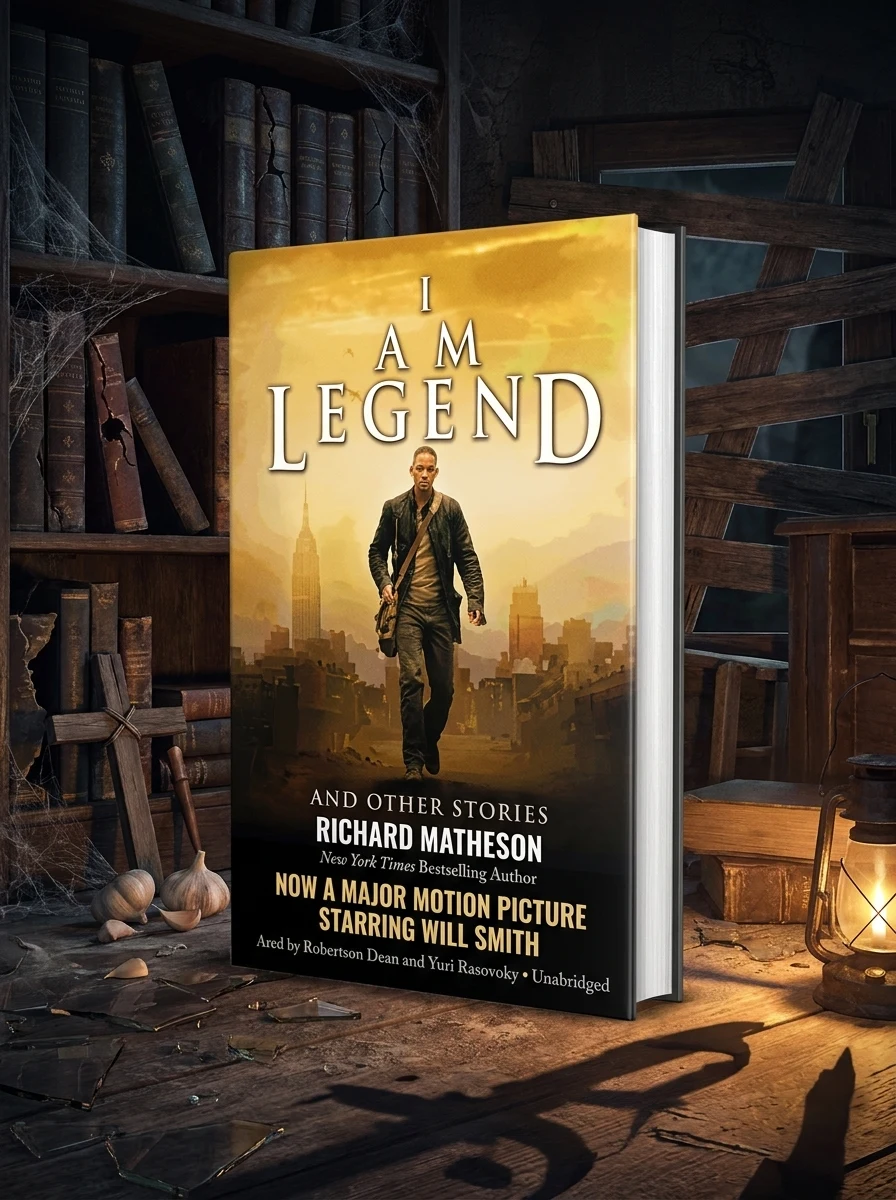
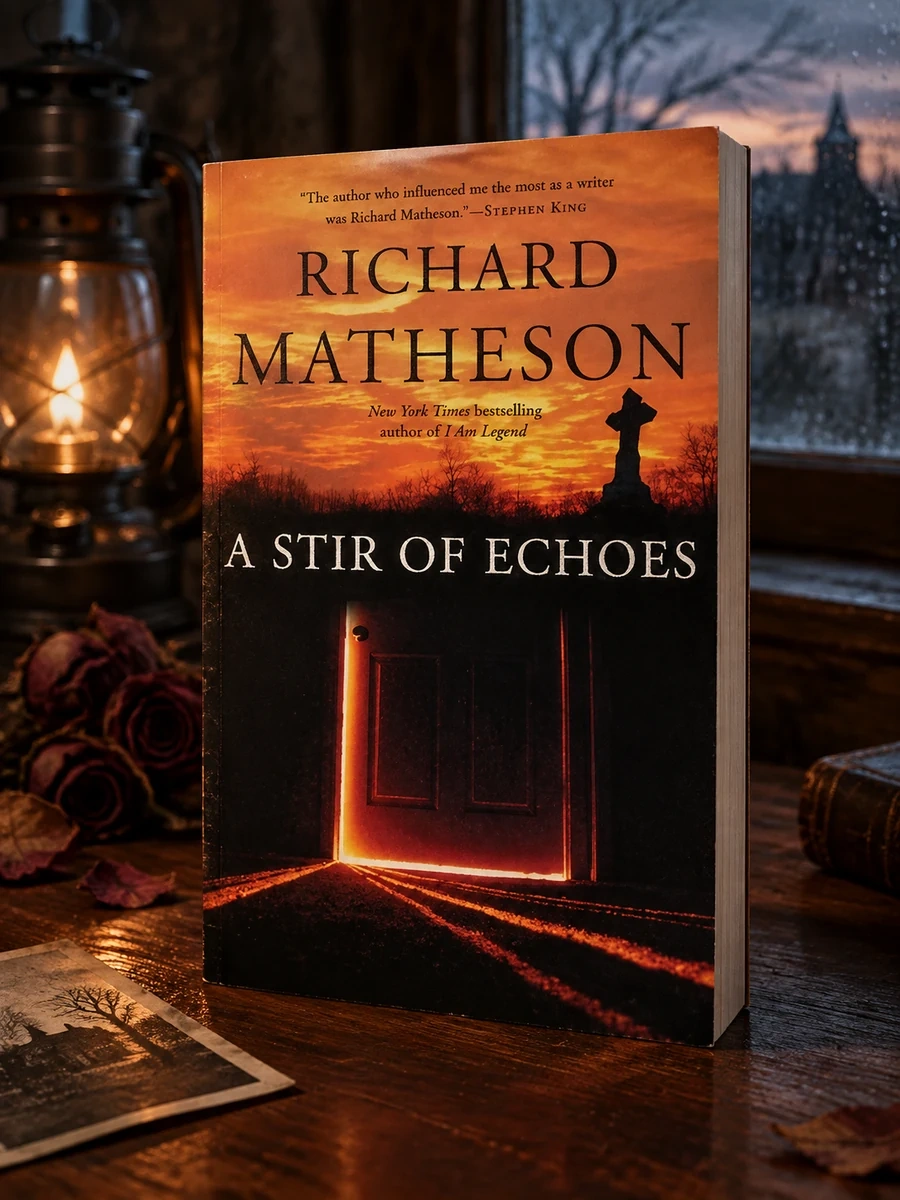
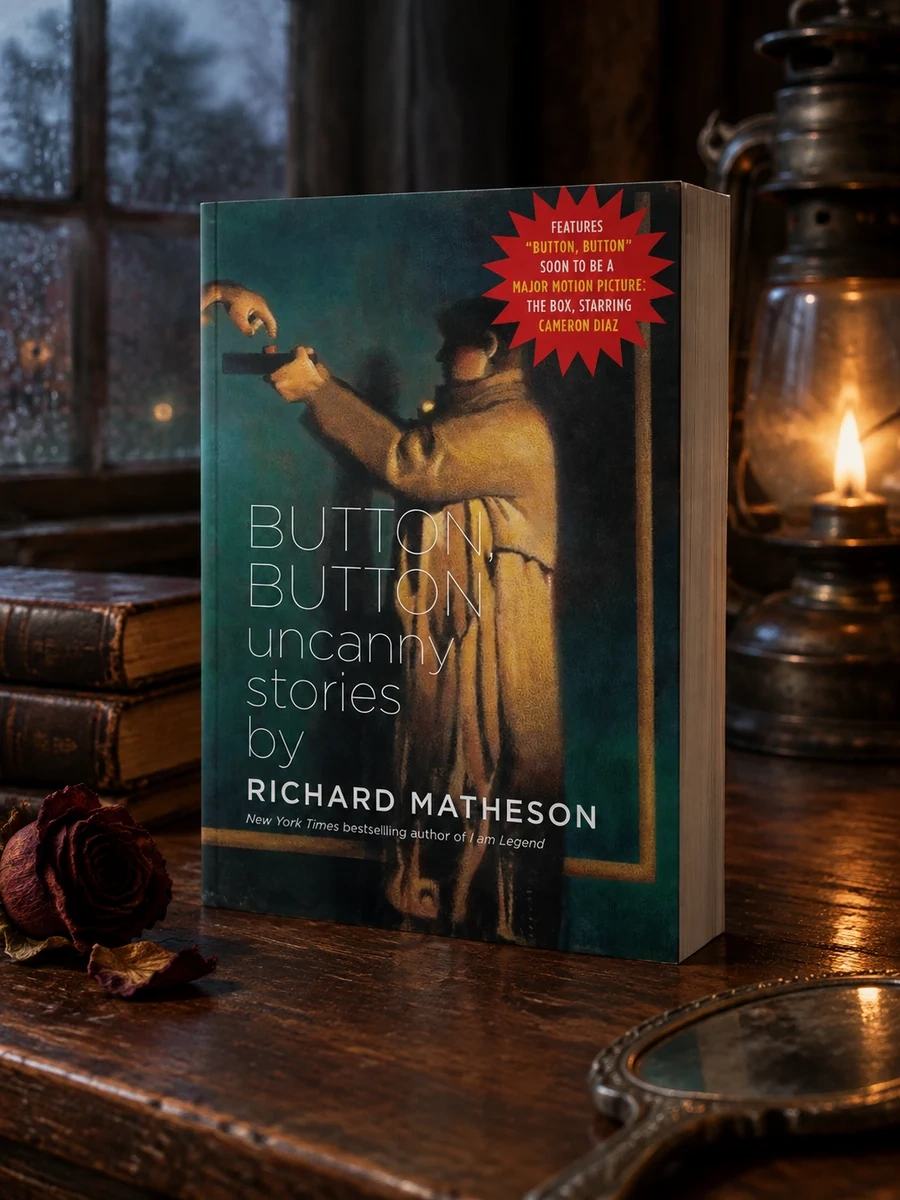
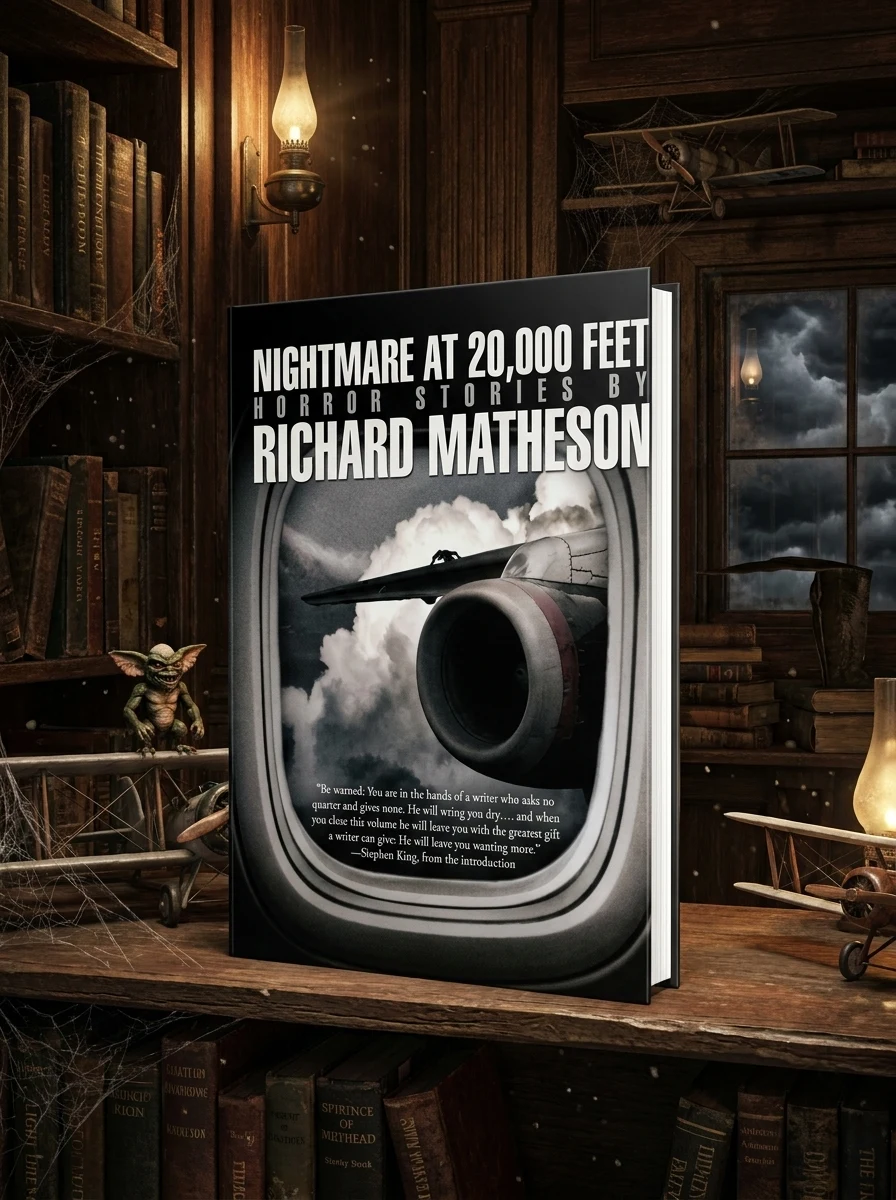
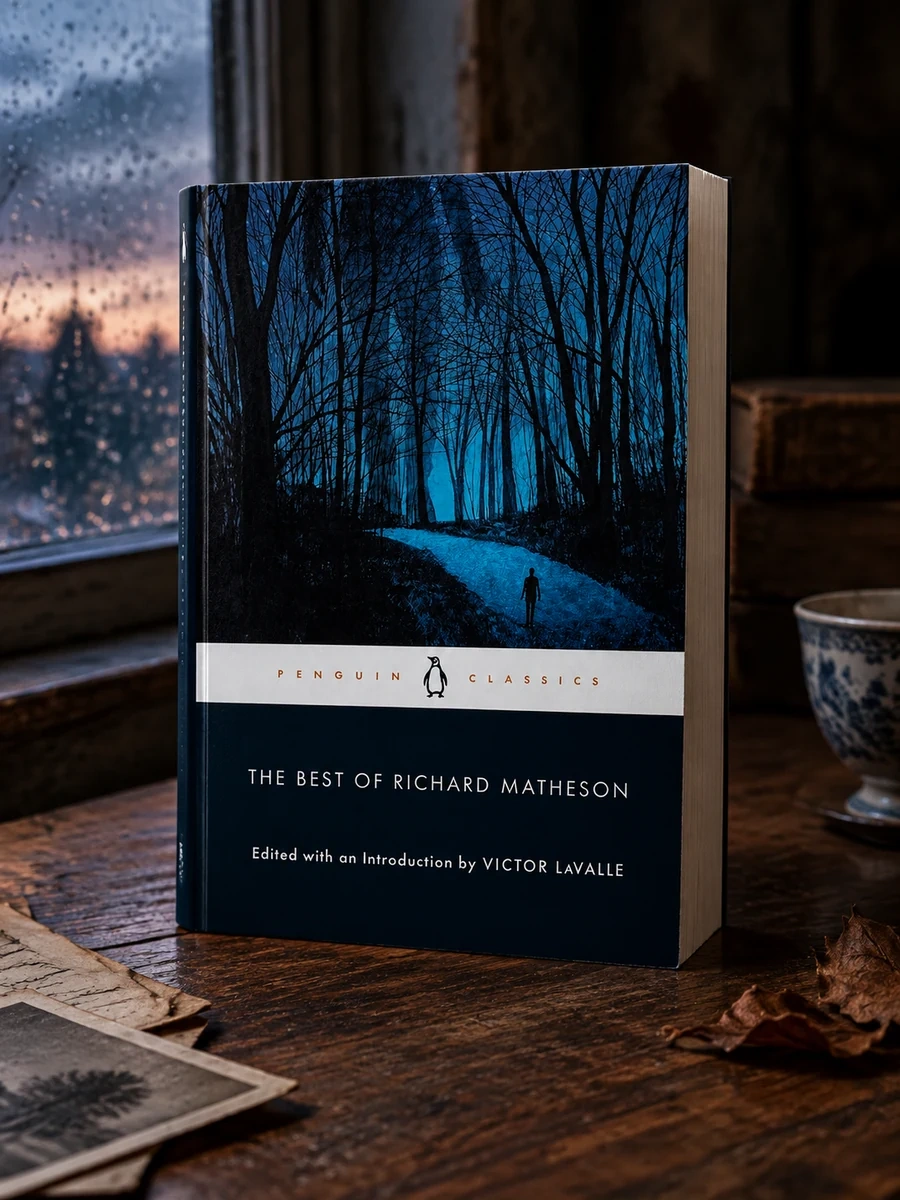
Hell House remains Matheson's finest achievement, but his other works demonstrate the same gift for psychological dread and speculative horror. I Am Legend and Other Stories showcases his ability to construct terror from isolation and existential threat. A Stir of Echoes explores unwanted clairvoyance with the same precision Matheson brings to Hell House. Button, Button: Uncanny Stories contains some of his most devastating short fiction, including the story behind the famous Twilight Zone episode. Nightmare at 20,000 Feet: Horror Stories collects tales of visceral, high-octane terror. The Best of Richard Matheson gathers his finest work across multiple genres.
6. The Tradition of Supernatural Investigation
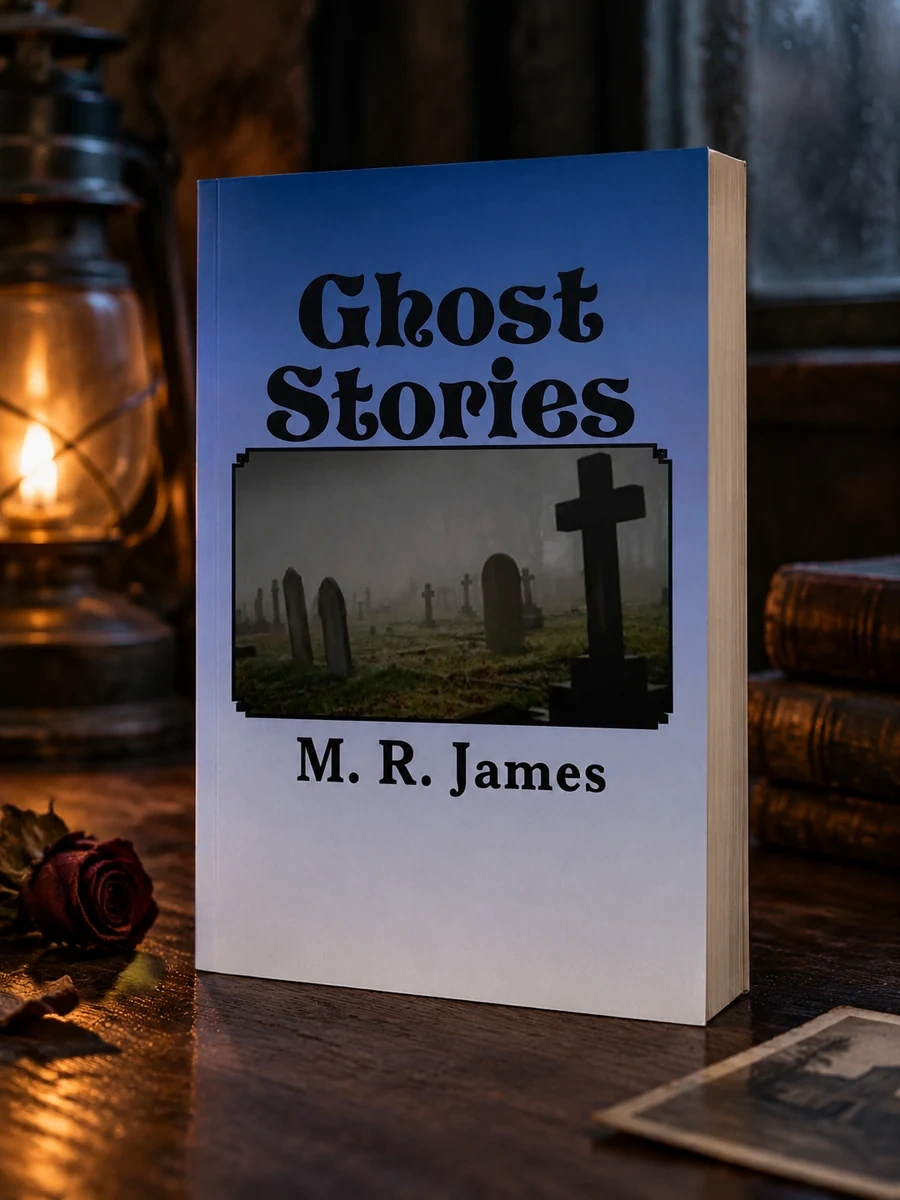
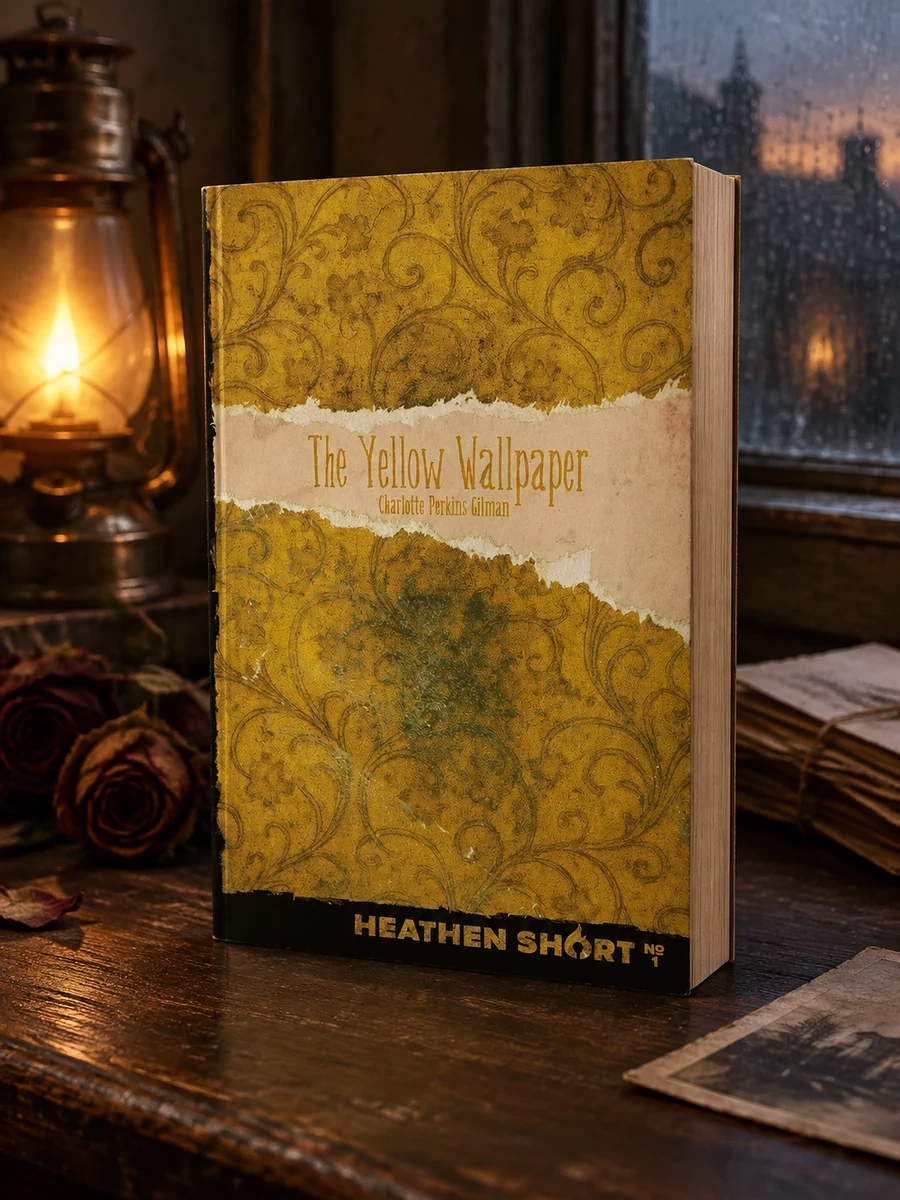
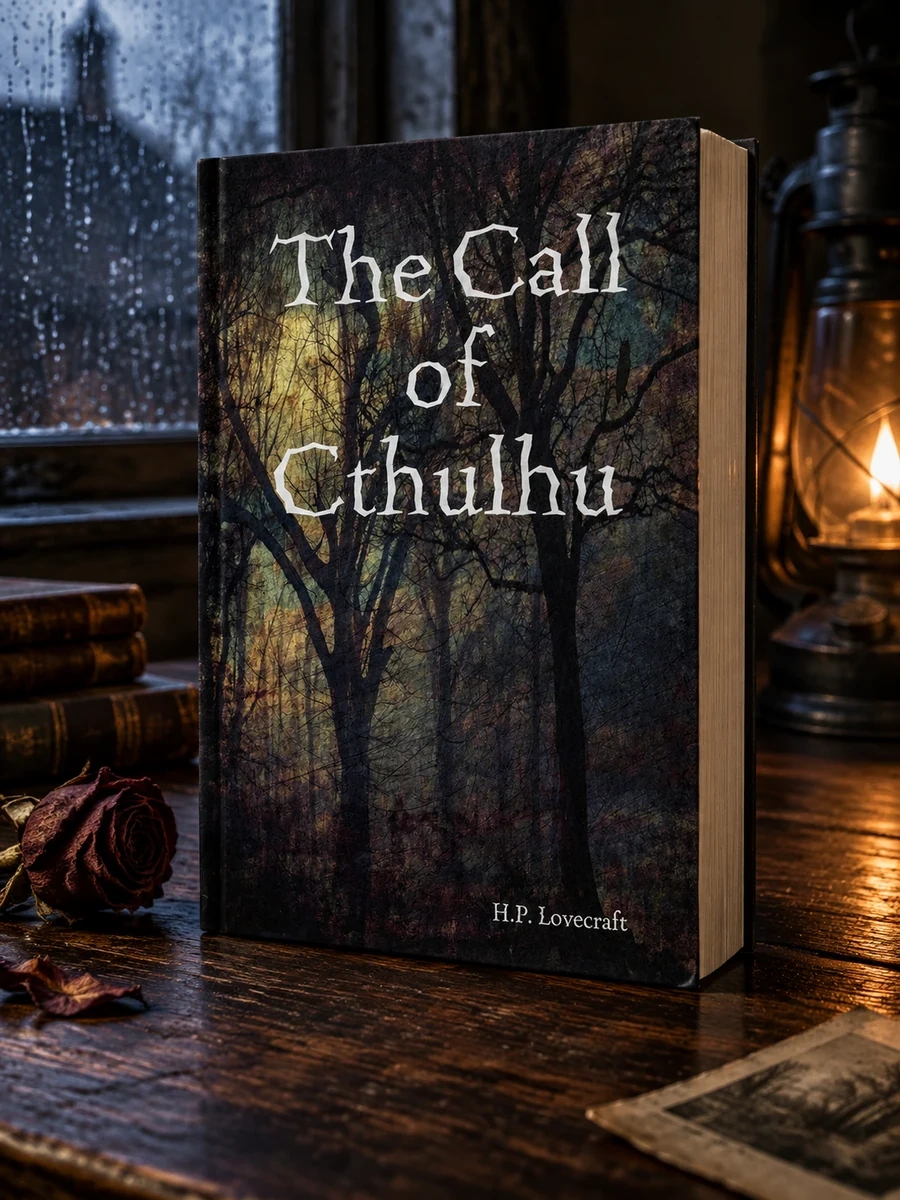
Hell House belongs to a tradition of supernatural fiction that takes investigation seriously. Ghost Stories by M R James established the template for ghost fiction grounded in scholarly detail and atmospheric dread. The Yellow Wallpaper (Heathen Short) by Charlotte Perkins Gilman explores the collision between psychological and supernatural horror with devastating precision. The Call of Cthulhu by H. P. Lovecraft uses investigation and documentation to build cosmic dread. These works share Matheson's conviction that horror fiction should respect both the reader's intelligence and the reality of the supernatural.
7. How to Choose: Hell House or The Shining?
If you've read both, you probably have a preference by now. But if you're choosing between them for the first time, ask yourself: Do you want to explore the psychology of a man's descent into madness, or do you want to confront genuine supernatural evil? Do you prefer a novel that builds slowly over weeks, or one that maintains relentless pressure over a single night? Are you more interested in the internal horror of human nature, or the external horror of forces beyond human comprehension?
The Shining is the more famous novel, the more culturally significant one. But Hell House is the purer haunted-house novel—the one that takes the supernatural seriously and never flinches from its implications. It's the book for readers who want genuine dread grounded in the supernatural, who appreciate intelligence and precision in their horror, who don't need jump scares or gore to feel afraid. If you're drawn to classic horror that respects both the reader and the genre, that uses science and skepticism as part of its terror rather than as a shield against it, then Hell House is essential.