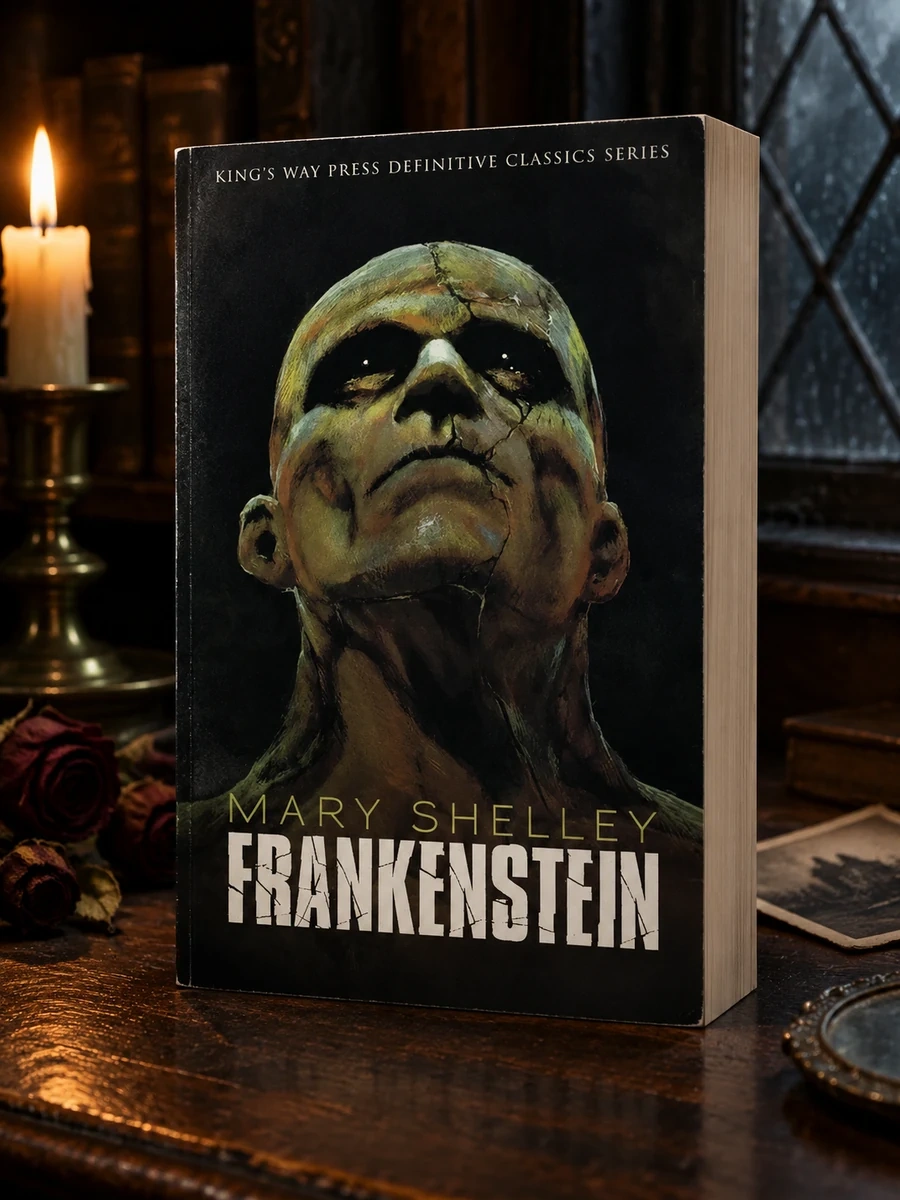
As lead reviewer at Horror Reads, evaluating physical print releases of foundational dark fiction requires looking beyond the cover text to see how a specific printing honors its source material. King's Way Press released this 2016 edition of Frankenstein as part of their ongoing Definitive Classics Series, aiming directly at readers who appreciate historical book design and textual integrity. Rather than attempting a modern reinterpretation, this volume focuses on presenting the complete 1831 version of Mary Shelley’s Gothic horror novel across three hundred four pages of narrative text.
What sets this release apart from standard paperback reprints is the curated framework surrounding the primary text. Bestselling author Dean Koontz contributes a framing introduction that sets up the historical experience, while acclaimed writer Ray Garton provides an insightful essay offering extra context for the reader. Additionally, interior illustrations by award-winning artists Glenn Chadbourne and Alex McVey are integrated into the printed pages, giving visual form to the brooding mood of early nineteenth-century supernatural fiction.
For those collecting Gothic horror, the combination of Shelley’s original 1831 text alongside contemporary commentary creates a distinctive reading experience. While our store catalog records list Dean Koontz under the author column due to his prominent introductory contribution, this volume remains a faithful presentation of Shelley’s classic narrative. It sits firmly on our Gothic shelf, occupying a price point in the $10 to $20 range that makes it accessible for both dedicated collectors and academic readers.
What it is about
The narrative core of this edition relies entirely on the classic supernatural fiction tradition established by Mary Shelley in early nineteenth-century English literature. Rather than leaning into modern revisions, the text presents the specific 1831 textual variant in its original narrative structure. Readers encounter a dark, atmospheric story anchored in early Gothic horror conventions, exploring supernatural themes through a challenging prose style that reflects the literary standards of its period.
Instead of altering the narrative to suit modern stylistic preferences, King's Way Press leaves the 304 pages of narrative text intact. The supplementary materials serve as explanatory guardrails around the fiction. Dean Koontz’s introduction establishes the atmosphere before the story begins, offering insights into why this specific edition holds value for dark fiction enthusiasts. Ray Garton’s essay follows up by placing the work into a broader literary context, allowing readers to analyze how early English horror evolved.
Visual elements also play an active role in how the story unfolds on the page. Artwork from Glenn Chadbourne and Alex McVey is placed throughout the text, offering striking artistic interpretations that align with the supernatural fiction tradition. These visual additions reinforce the physical aesthetic of the volume without distracting from the historical prose, providing readers with an elevated presentation of a classic text.
This edition presents the 1831 version of Mary Shelley’s Gothic horror novel, published by King's Way Press as part of their Definitive Classics Series.
How it reads
Reading this 2016 volume requires a commitment to nineteenth-century literary rhythms. Our evaluation rates the reading difficulty as challenging, primarily due to the dense syntax, formal vocabulary, and measured pacing characteristic of early Gothic literature. Readers accustomed to fast-paced contemporary thrillers will find the narrative pace deliberate and methodical, requiring attentive reading to fully appreciate the atmospheric tension built into every chapter.
The voice of the text reflects the authentic supernatural fiction tradition of the 1830s. Rather than relying on visceral shocks or rapid action scenes, the horror operates through lingering atmosphere, moral tension, and psychological dread. The narrative voice carries a formal weight that demands patience, rewarding those who enjoy unhurried world-building and complex prose structures over quick scares.
The supplementary essays and artwork alter the overall reading rhythm in a positive way. Koontz’s introduction and Garton’s essay provide valuable orientation before and after engaging with the main text, creating a thoughtful academic framing. Meanwhile, the visual artwork by Chadbourne and McVey creates natural pauses in the 304 pages of narrative, allowing readers to reflect on the eerie visuals while digesting the challenging nineteenth-century prose.
Who it suits, and who it does not
Being candid about who will benefit from this volume is essential for any honest bookstore review. This specific release is tailored for serious readers, Gothic purists, and physical book collectors who specifically value the 1831 textual variant. If you enjoy studying the evolution of supernatural fiction or building a library of illustrated classic editions, this King's Way Press release belongs on your shelf.
Conversely, this printing is less suitable for readers looking for modern horror styles or fast, light reading. If you prefer contemporary pacing, modern retellings, or streamlined prose, the challenging nineteenth-century text may feel overly dense. This volume explicitly targets those who value historical accuracy and classic Gothic horror over modern reimagining.
Here is a quick summary of who should consider adding this title to their personal collection:
- Collectors of Gothic Literature: Book lovers seeking a high-quality physical edition from the Definitive Classics Series featuring original interior artwork.
- Academic and Historical Readers: Anyone specifically interested in analyzing the 1831 textual variant alongside commentary from contemporary writers like Dean Koontz and Ray Garton.
- Fans of Classic Supernatural Fiction: Readers who enjoy immersive, formal prose and brooding nineteenth-century atmosphere over modern jump scares.
If you liked this
If you appreciate historical Gothic fiction, annotated classic texts, and atmospheric dark literature, consider exploring these complementary titles from our catalogue inventory:
Frankenstein — Dean Koontz
For readers who want another cataloged printing of this classic story, this entry offers an alternative option for Gothic purists and textual variant collectors. Explore the listing for Frankenstein to see how it compares.
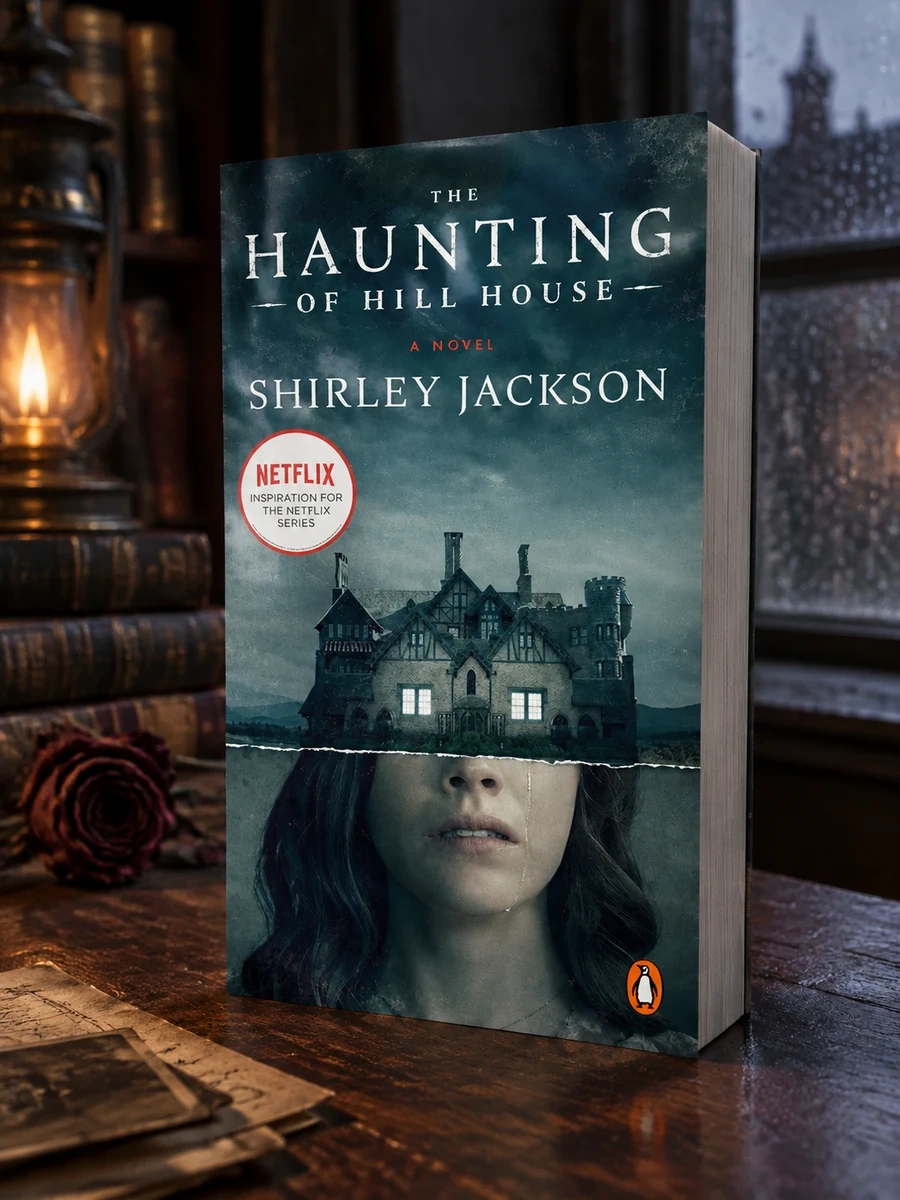
The Haunting of Hill House — Shirley Jackson
Seekers of psychological dread and slow-burn atmospheric tension will adore this landmark haunted house story. Check out The Haunting of Hill House for another peak of dark literature.
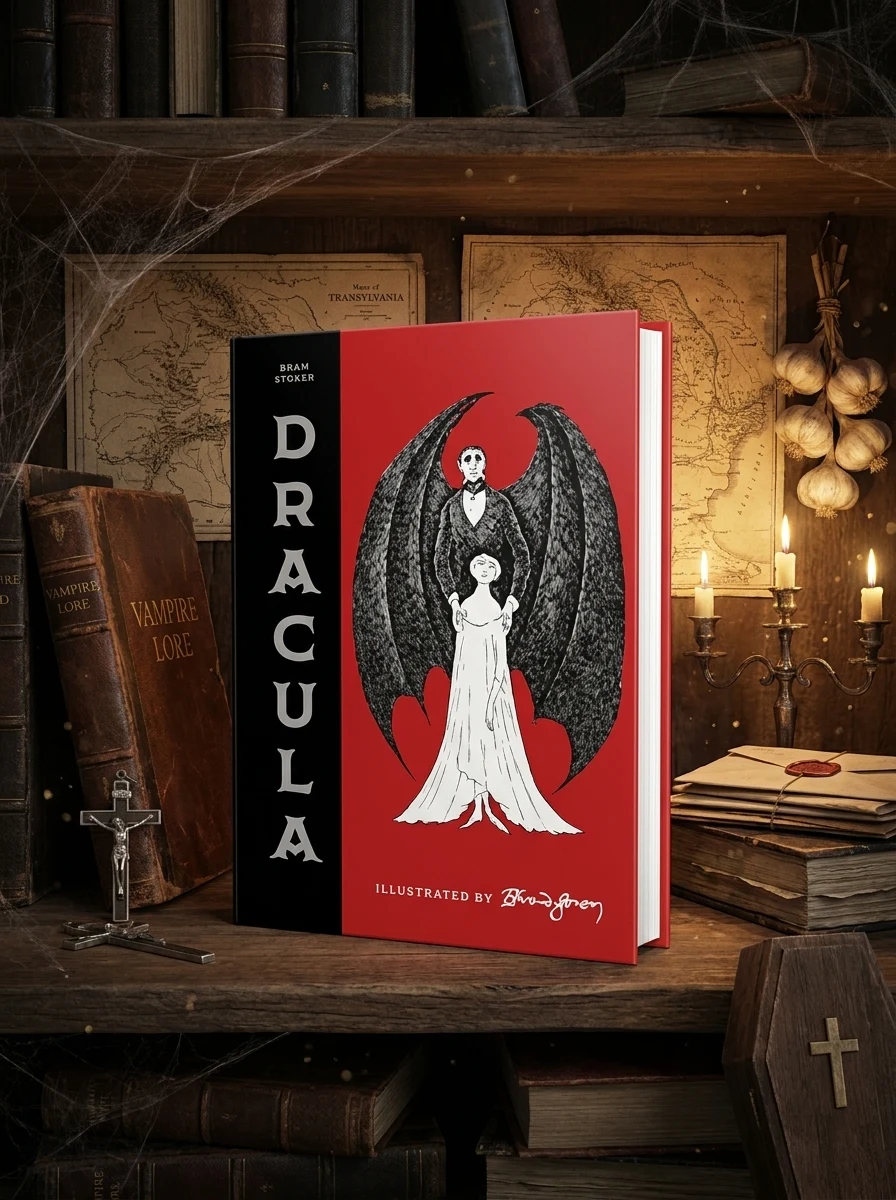
Dracula (Deluxe Edition) — Bram Stoker
A premium presentation of Bram Stoker's classic vampire tale that appeals directly to collectors of foundational supernatural fiction. Read more about Dracula (Deluxe Edition) in our collection.
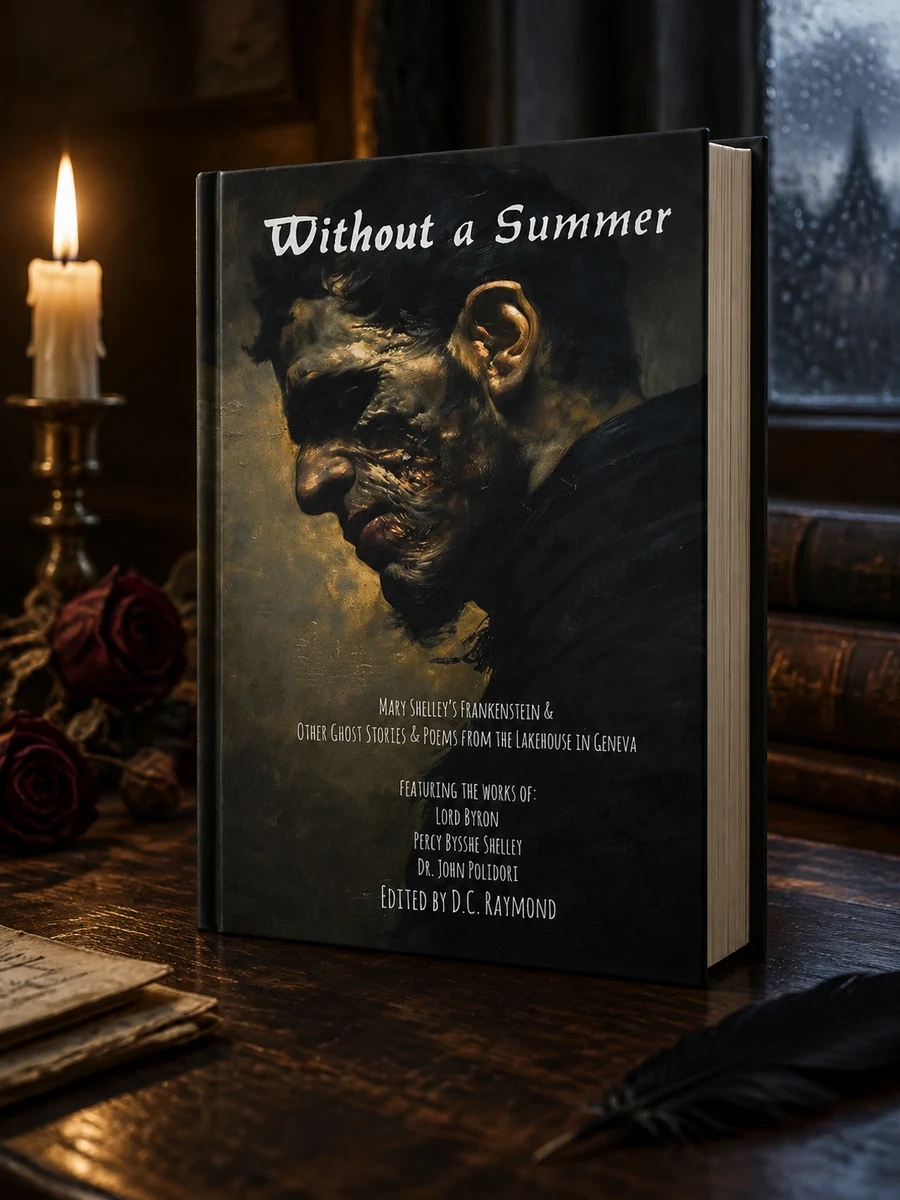
Without a Summer: An Anthology — Mary Shelley
Essential reading for those drawn to Gothic origins and Romantic-era atmospheric dread. Discover Without a Summer: An Anthology for additional period horror.
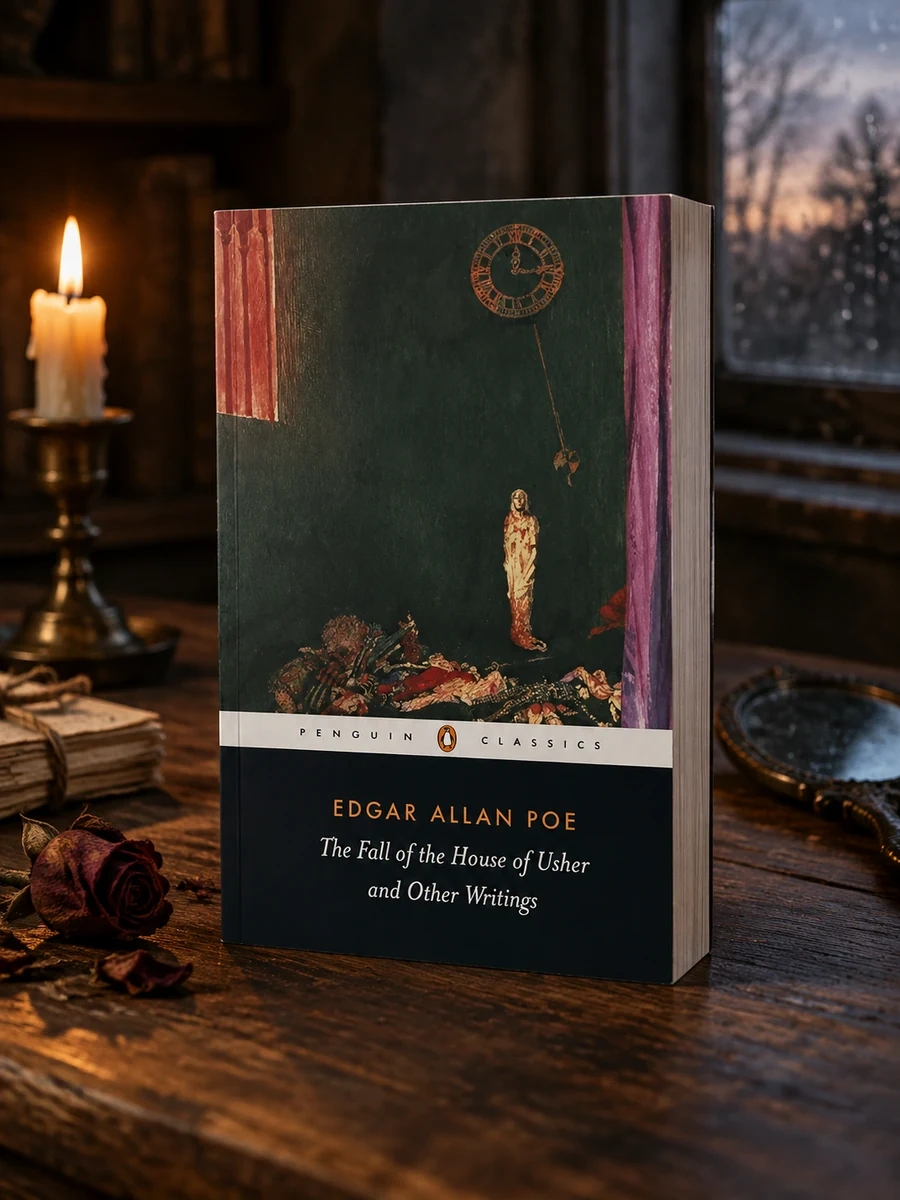
The Fall of the House of Usher and Other Writings: Poems, Tales, Essays, and Reviews — Edgar Allan Poe
A broad collection gathering essential Gothic short fiction, essays, and literary reviews. Examine The Fall of the House of Usher and Other Writings: Poems, Tales, Essays, and Reviews for early American dark fiction.
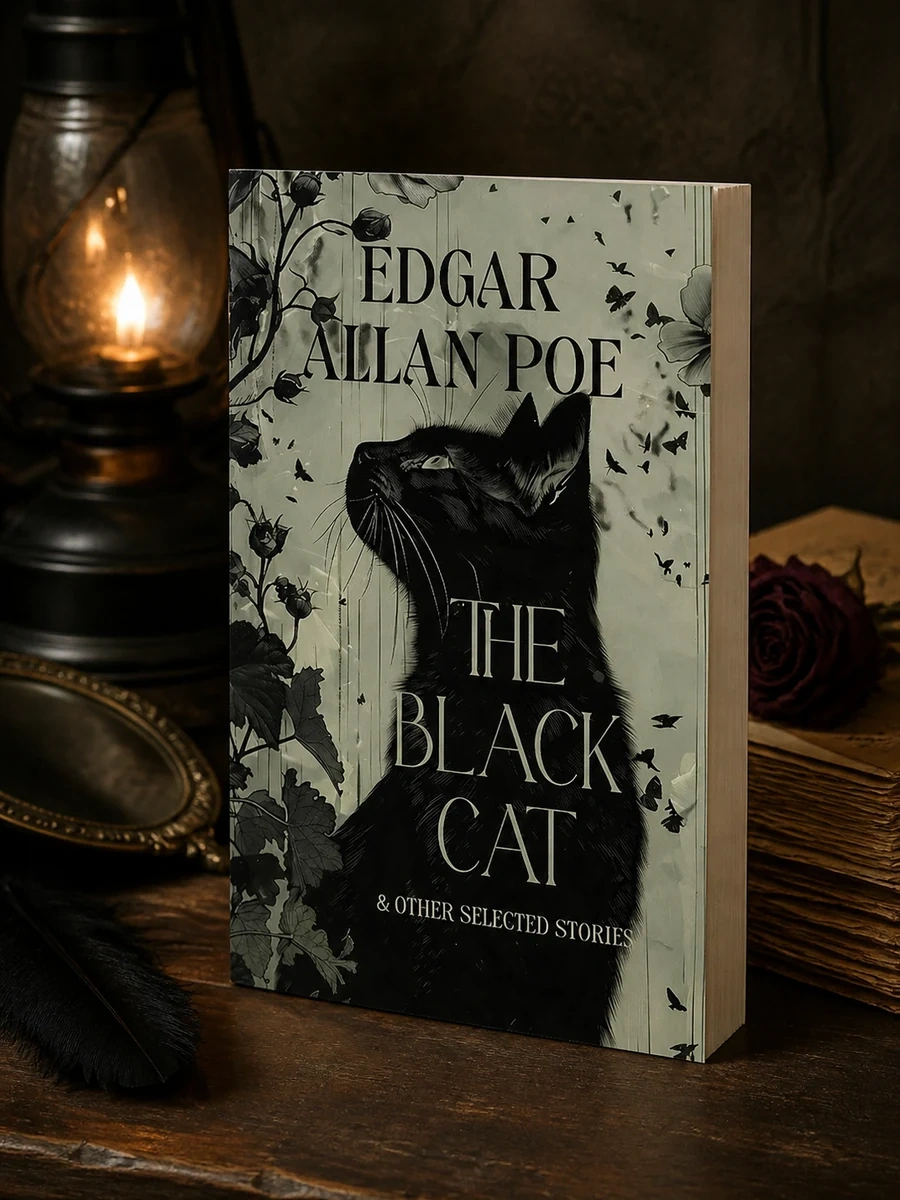
The Black Cat & Other Selected Stories — Edgar Allan Poe
Ideal for devotees of classic American Gothic dread who appreciate slow-burn atmospheric terror over visceral gore. Take a look at The Black Cat & Other Selected Stories to expand your collection.