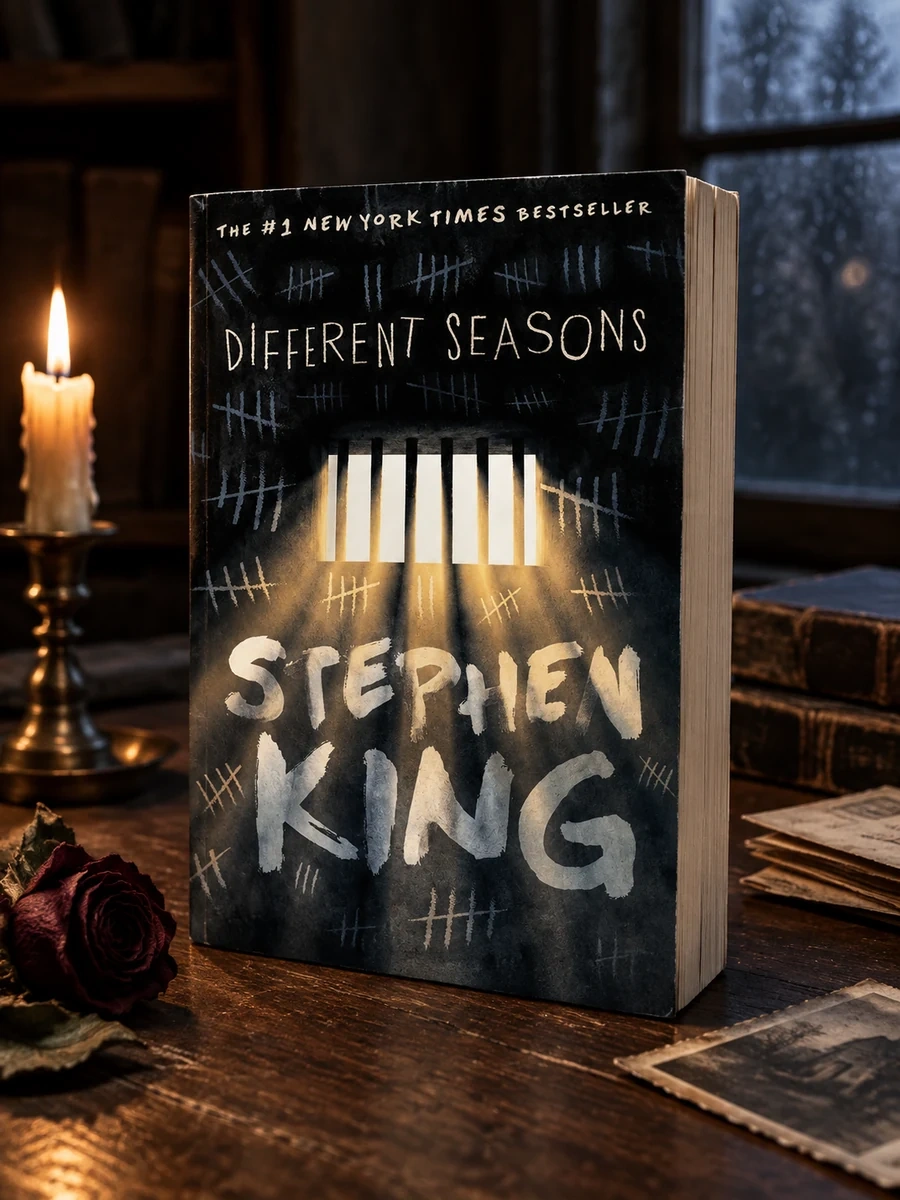
Different Seasons is a collection that shouldn't work as well as it does. Four separate novellas, each tied to a season, each wildly different in tone and subject matter—it reads like it could be scattered and unfocused. Instead, it's one of King's most cohesive and rewarding works, and proof that he's far more than a horror writer. This is a book about people facing impossible circumstances: imprisonment, obsession, mortality, and the weight of the past. The horror here is psychological and deeply human.
The collection has already proven its staying power through film. Rita Hayworth and the Shawshank Redemption became an Academy Award-nominated film; Apt Pupil and The Body also made the jump to screen, with The Body becoming the beloved Stand By Me. That track record tells you something: these stories have resonance beyond genre. They're about the American experience of small towns, friendship, corruption, and the possibility of redemption. The fourth novella, The Breathing Method, is the most overtly supernatural of the four, but even it prioritizes character and emotional stakes over spectacle.
This 2016 Scribner edition brings these stories together for readers who may have encountered them separately or only through their film versions. The binding by seasons—spring, summer, fall, winter—creates a subtle architecture that ties the narratives together thematically, even as each stands completely on its own.
What It Is About
Rita Hayworth and the Shawshank Redemption follows an unjustly imprisoned man who has spent decades in prison, plotting a quiet and methodical path toward freedom. Apt Pupil centers on a high school student who becomes dangerously obsessed with the dark past of an older man living in his town. The Body is a nostalgic story of four boys confronting mortality and the end of childhood during a summer adventure. The Breathing Method features a woman determined to triumph over death itself, told through the frame of a mysterious club where men share impossible stories.
Each story operates on its own logic and emotional wavelength. There's no overarching plot connecting them, no shared universe or recurring characters. What binds them is King's exploration of journeys—spiritual, physical, and psychological—and the ways ordinary people respond to extraordinary pressure.
How It Reads
King's prose here is notably readable and direct. He's not showing off; he's communicating. The pacing varies by story. Shawshank moves with deliberate patience, building tension through small details and the passage of time. Apt Pupil tightens the screws gradually, becoming increasingly claustrophobic as the student's obsession deepens. The Body has a more nostalgic, reflective rhythm—it's about memory and loss as much as plot. The Breathing Method is the most formally experimental, nested within a frame story that adds layers of mystery.
None of these stories rely on jump scares or graphic violence. The horror is in what people do to each other, in the weight of secrets, in the inevitability of time and change. Apt Pupil comes closest to traditional darkness, but even there, King's focus is on the psychological corruption of a young mind rather than on gore. If you're looking for traditional scares—ghosts, monsters, supernatural attacks—you won't find much here. What you will find is dread, unease, and the kind of tension that comes from watching characters make choices that matter.
The collection reads best if you take it slowly, one novella at a time. These aren't quick reads, and they're not meant to be consumed in one sitting. They reward attention and reflection.
Who It Suits, and Who It Does Not
This collection is ideal for readers who value character depth and emotional authenticity over plot mechanics. If you appreciate King's ability to make you care about ordinary people in difficult situations, you'll find much to love here. Fans of the films will discover that the novellas offer richer interiority and more space for King's voice to breathe. Readers interested in how stories become films will find this collection fascinating—it's a masterclass in narrative economy and emotional clarity.
It's also a good entry point for readers who find King's longer works intimidating. These are substantial but not sprawling. You can finish one in an evening or two.
This book is not for readers seeking pure horror without character depth. If you want relentless pacing, gore, or supernatural spectacle, look elsewhere. If you prefer standalone novels over collections, you might find the format frustrating, though each novella truly does stand alone. And if you lack patience for slow-burn tension and emotional nuance, the psychological focus here may feel slow.
If You Liked This
11/22/63 — Stephen King
A sprawling time-travel novel that shares Different Seasons' commitment to character and historical detail. King explores how personal destiny collides with massive historical events, with the same careful attention to human motivation.
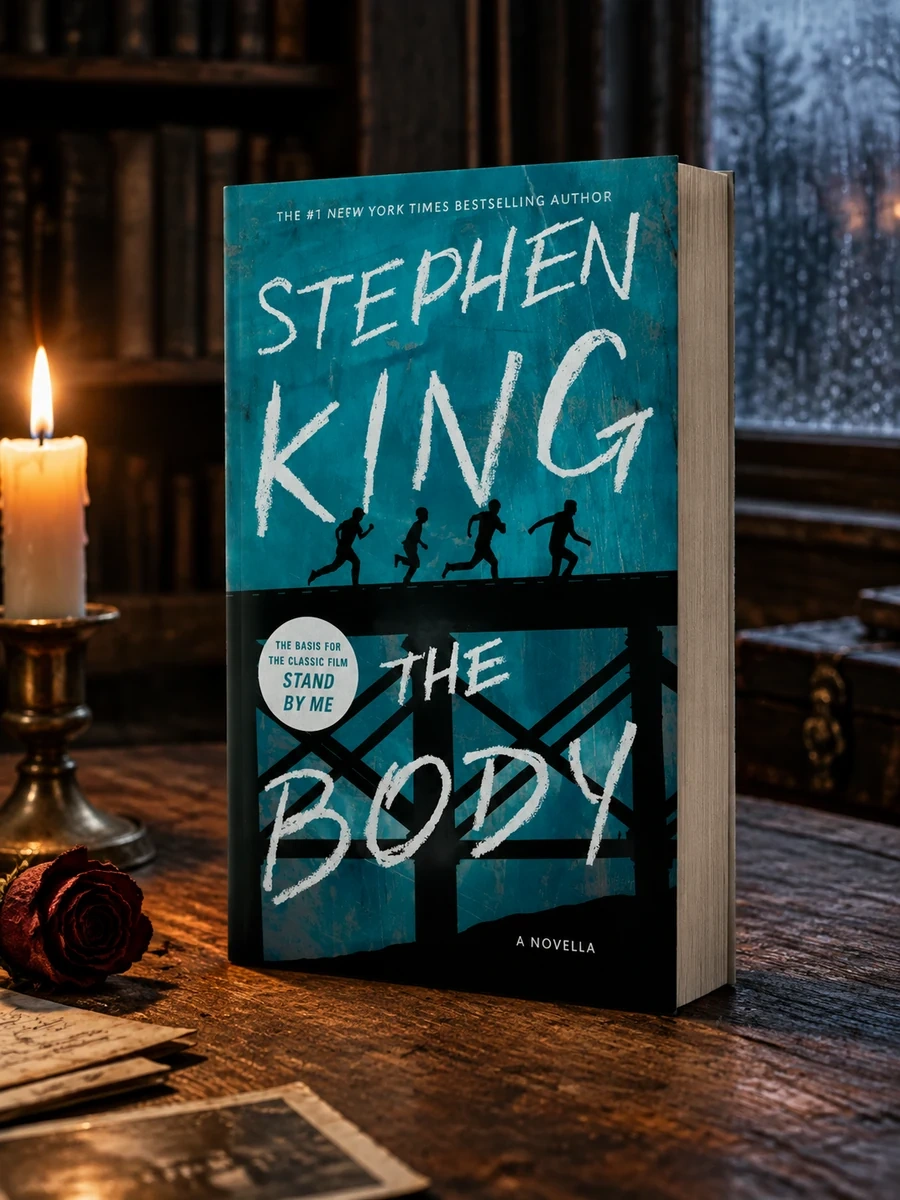
The Body — Stephen King
If you want to revisit one of the novellas in this collection in its original form, this standalone edition offers the full text. It's a memoir-style narrative about the bittersweet transition from childhood to adulthood.
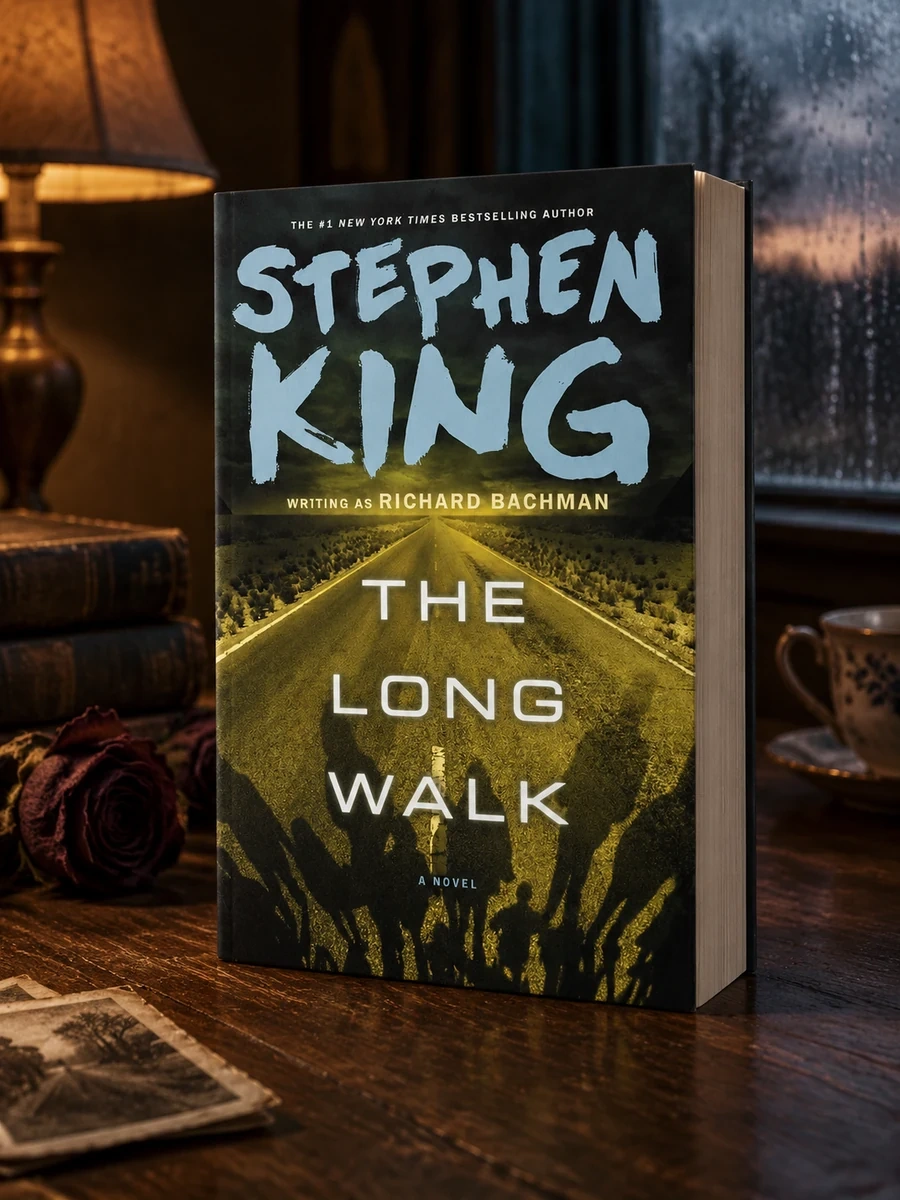
The Long Walk — Stephen King
Another King work that prioritizes psychological dread and character study over action. A dystopian endurance test that explores moral ambiguity and the limits of human will.
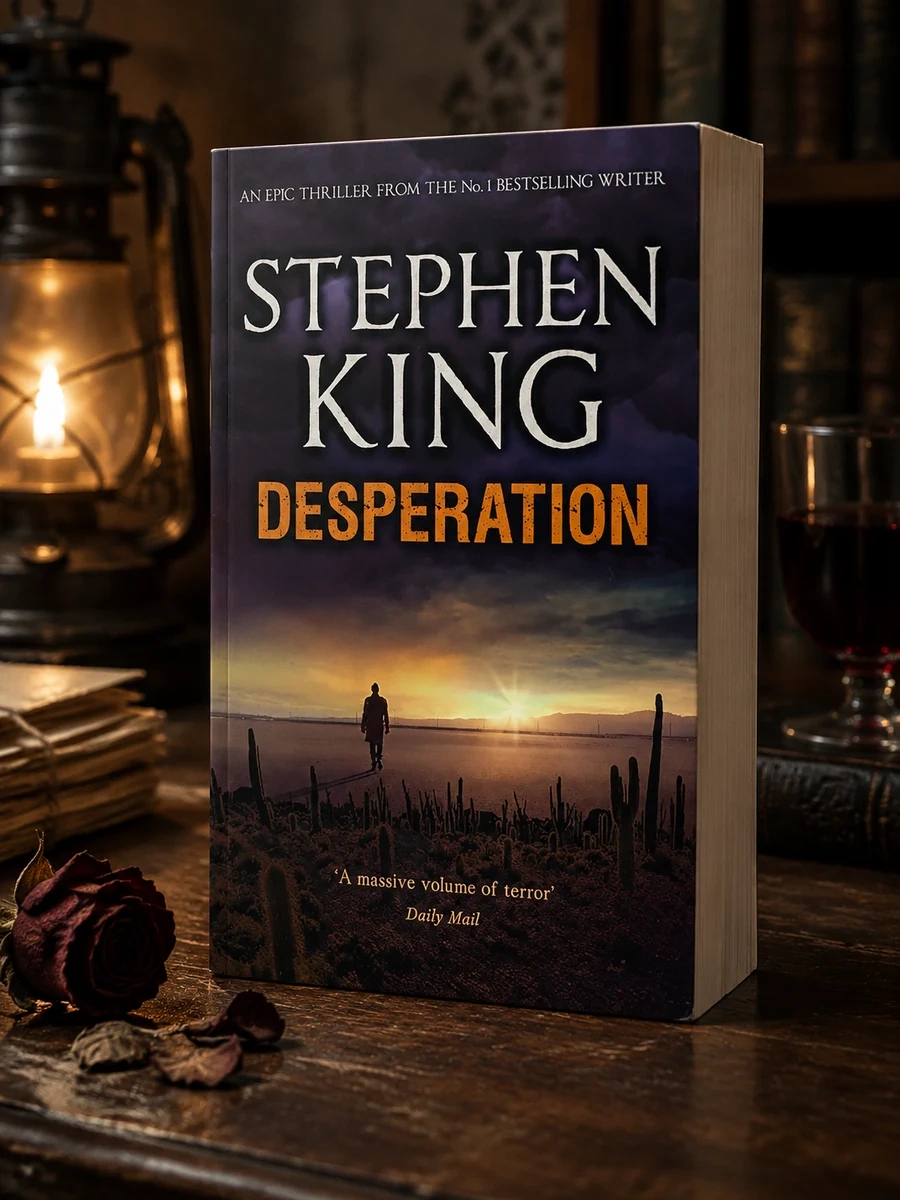
Desperation — Stephen King
A high-stakes supernatural thriller where ordinary people are trapped by cosmic forces. Like Different Seasons, it's driven by character dynamics and moral questions rather than spectacle.
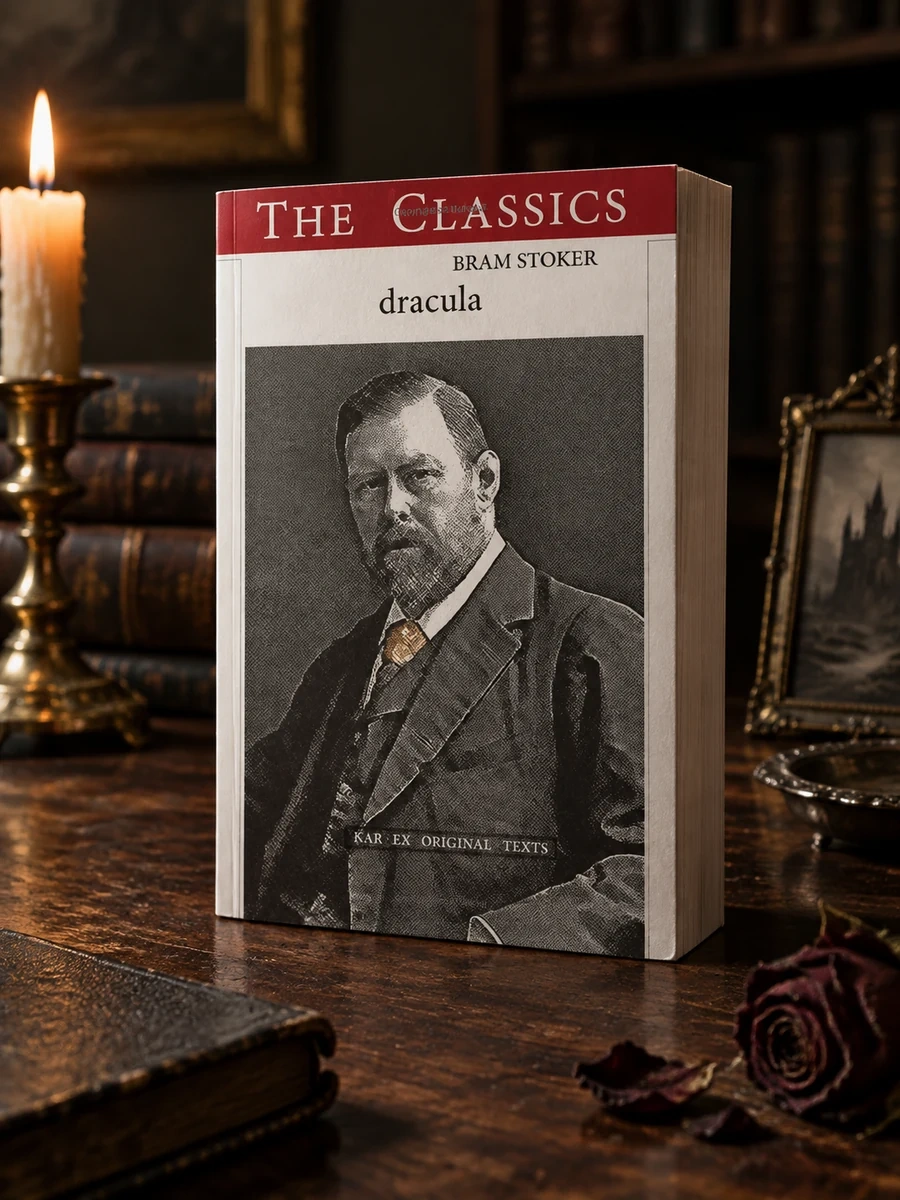
Dracula — Bram Stoker
A classic that, like these novellas, uses multiple perspectives and emotional depth to create dread. The epistolary format creates intimacy and makes the horror personal rather than abstract.
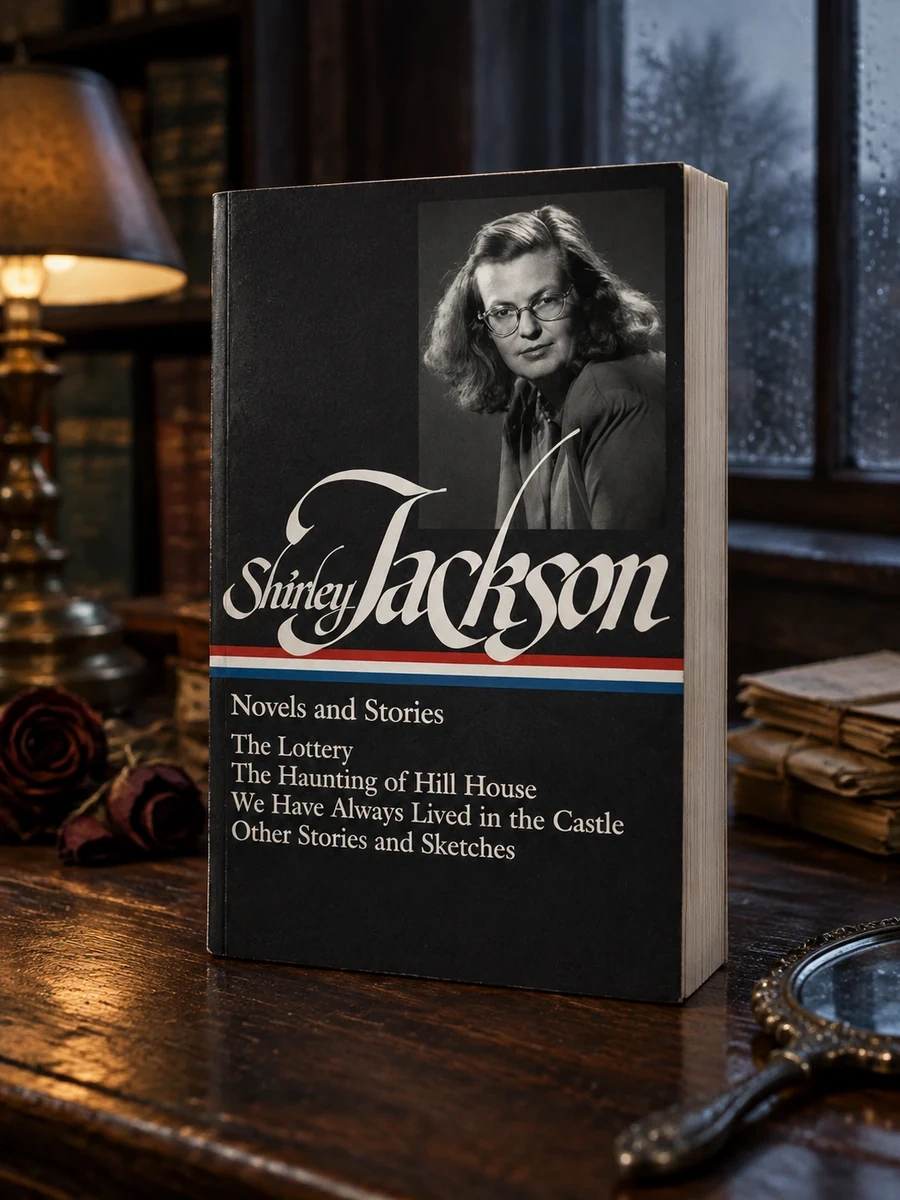
Shirley Jackson: Novels and Stories — Shirley Jackson
A collection that shares Different Seasons' commitment to psychological unease and the horror of ordinary life. Jackson's work explores how evil and darkness lurk in mundane settings and social rituals.
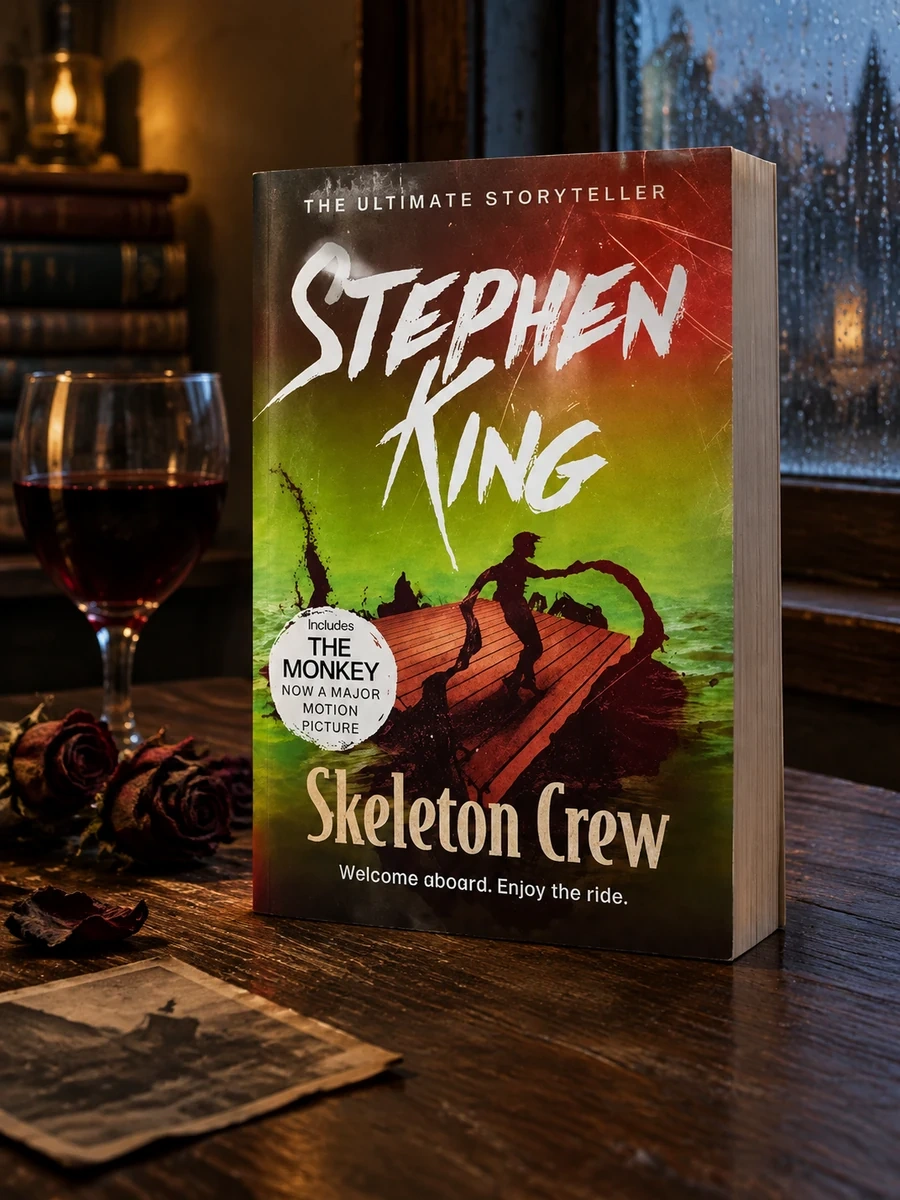
Skeleton Crew — Stephen King
A short story collection that demonstrates King's range and mastery of the form. Like Different Seasons, it shows that King's real gift is making readers care about people, not just scaring them.
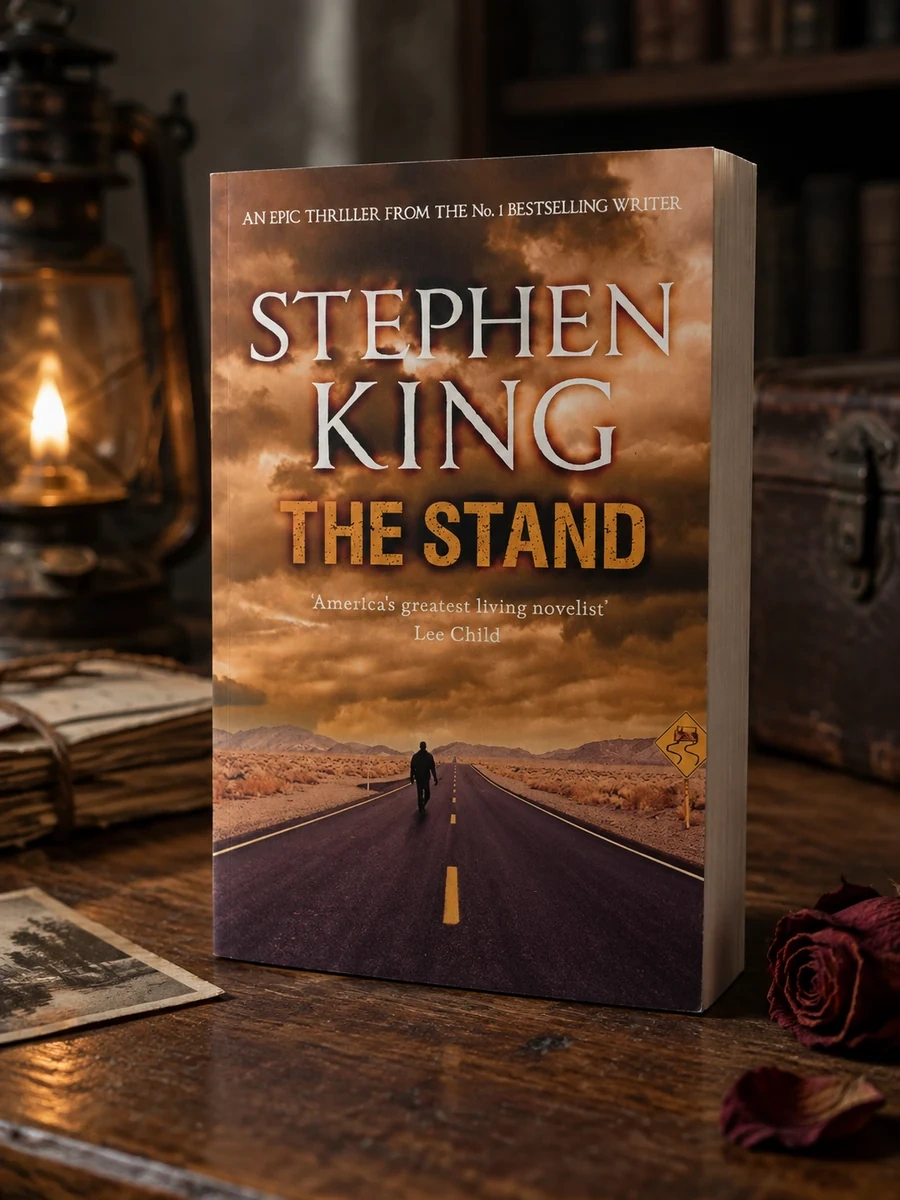
The Stand — Stephen King
An epic post-apocalyptic saga that shares Different Seasons' focus on character-driven drama and moral complexity. King explores how ordinary people respond to extraordinary circumstances.