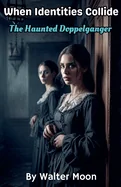
Doppelganger
A physical double of a living person that appears in literature to signal impending doom, madness, or the fracturing of identity through uncanny mimicry.
In depth
<p>In horror fiction, the doppelgänger is not merely a ghostly apparition but a tangible, often grotesque reflection of a character who is still alive. This figure manifests as a perfect physical replica, frequently appearing during moments of extreme psychological stress or moral decay. Its primary function in novels and short stories is to externalize internal conflict, forcing the protagonist to confront their own hidden darkness, repressed desires, or impending mortality. The presence of this double serves as a harrowing mirror, reflecting what the character refuses to acknowledge about themselves.</p><p>The term originates from German literature, combining <strong>doppel</strong> (double) and <strong>Gänger</strong> (goer). While early Romantic writers used it to explore existential anxiety, modern horror authors have weaponized the concept to create visceral terror. The figure evolved from a mere omen of death into an active agent of psychological disintegration, blurring the line between supernatural intrusion and mental collapse.</p><p>You recognize a doppelgänger in a story by its uncanny perfection and its inability to be dismissed as madness. Unlike a hallucination, this double interacts with the physical world; it may leave footprints, cast shadows, or speak with a voice that mimics the protagonist’s own. The terror arises from the violation of bodily autonomy and identity integrity. Readers feel dread when the double begins to act independently, often taking over the protagonist’s life or committing acts the protagonist fears they might commit.</p><p>It is crucial to distinguish this figure from a clone or a shapeshifter. A clone is a biological copy created through science, lacking the metaphysical weight of fate. A shapeshifter changes form to deceive others, whereas the doppelgänger is specifically a double of an existing person that reveals truth rather than hiding it. It differs from a ghost because it represents the living self turned against itself, not the spirit of the dead. The horror lies in the recognition that the monster is you.</p>