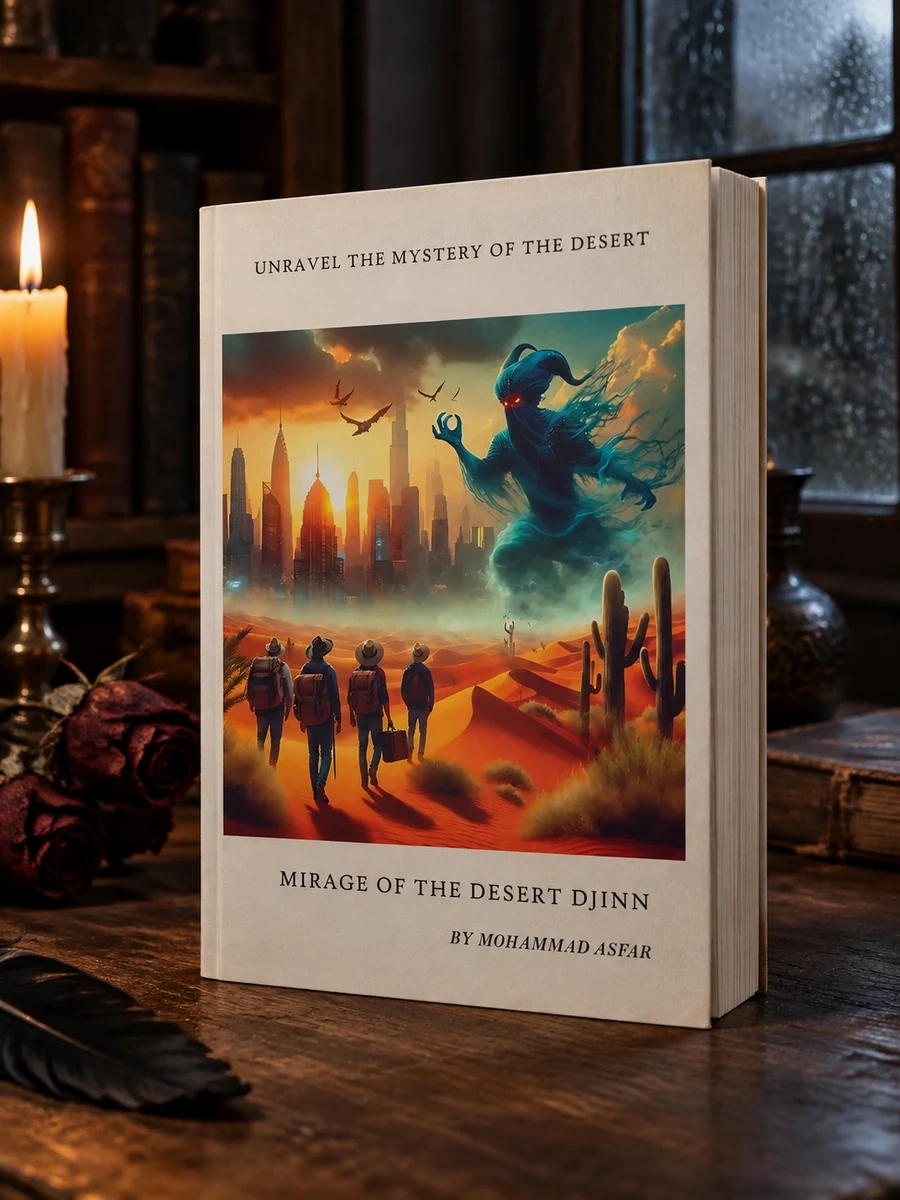
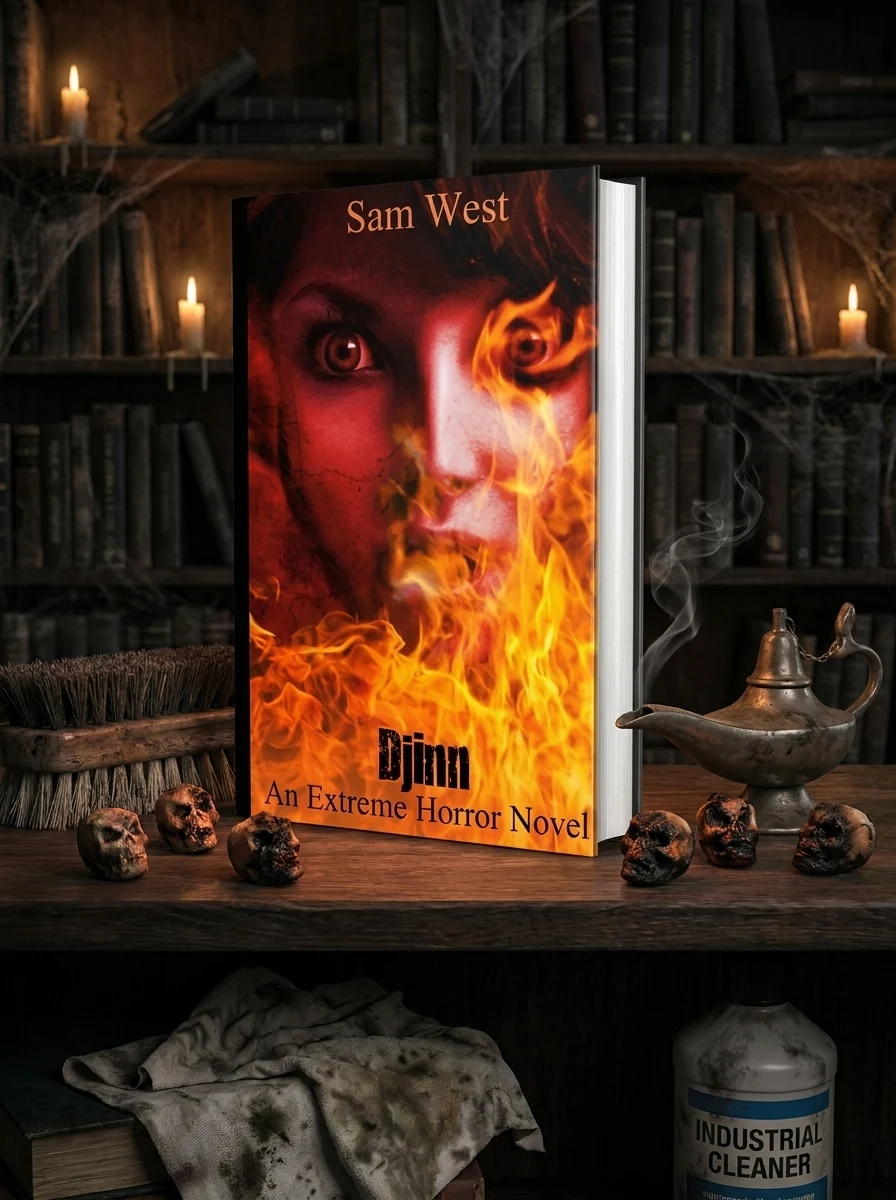
Djinn
Originating in pre-Islamic Arabian mythology and later integrated into Islamic theology, the djinn is a supernatural spirit fashioned from smokeless fire that possesses free will, vast powers, and a morally complex nature.
Where the word comes from
The word comes from the Arabic root j-n-n, meaning 'to hide' or 'to conceal,' reflecting the unseen nature of these entities.
In depth
Origins
In Arabian folklore predating Islam, the djinn were believed to be ancient invisible spirits inhabiting the wilderness, deserts, and unseen realms parallel to humanity. With the advent of Islam in the seventh century, these beings were codified within religious theology as one of three primary conscious creations, alongside angels and humans. According to Islamic tradition, while angels were crafted from light and humanity from clay, the djinn were created from a scorched wind or smokeless fire. Unlike angels, who act solely in accordance with divine will, djinn are granted moral agency and free choice, rendering them capable of righteousness, mischief, or malevolence. Over centuries, these beliefs spread across the Middle East, North Africa, and South Asia, branching into distinct classifications such as the formidable ifrit, the powerful marid, and the treacherous ghul.
What It Is Said to Do
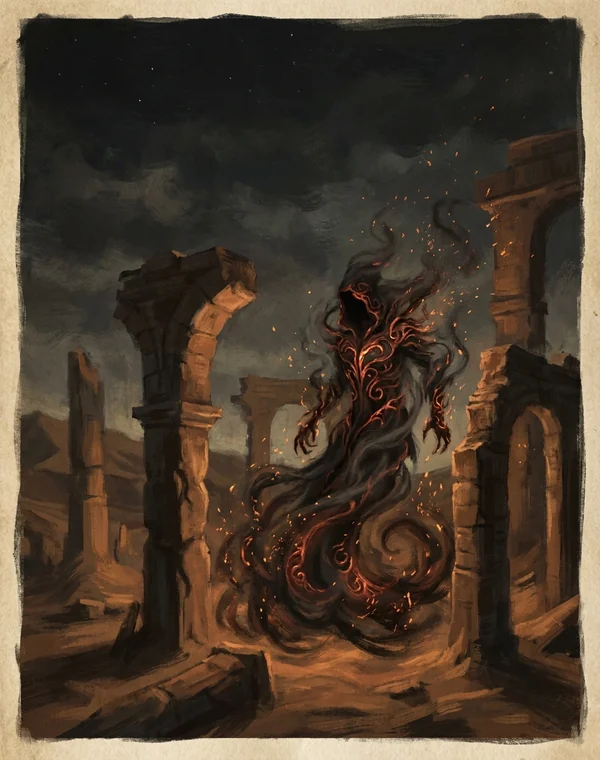
In traditional lore, djinn are shapeshifters capable of appearing as animals, shadowy humanoids, or terrifying whirlwinds of fire and mist. Though inherently unseen, they frequent desolate places like caves, cemeteries, and desert ruins, as well as abandoned human structures. Folklore holds that djinn possess immense supernatural strength, the power to bestow hidden wealth, and the ability to influence human minds through subtle whispers or full spirit possession. While some tales depict neutral or benign spirits living alongside humans, hostile entities are said to afflict victims with sudden illness, madness, or tragic misfortune when offended by human intrusion or disrespect. To protect themselves, practitioners of regional folklore employ specific religious recitations, talismanic amulets inscribed with sacred geometry, or iron items, as cold iron is traditionally believed to repel these spiritual entities.
In Horror Fiction
In modern horror fiction, writers often strip away the sanitized genie-in-a-bottle tropes of Western fairy tales to restore the creature's primordial, dangerous edge. Rather than benevolent wish-fulfillers, djinn in horror literature serve as predatory tricksters whose compliance with human demands is a sinister trap. Authors leverage the entity's gift of free will and morally ambiguous nature to explore themes of hubris, Faustian bargains, and cosmic dread. Landmark works of contemporary horror, such as P. Djèlí Clark's A Master of Djinn and Graham Masterton's The Djinn, highlight the tension between ancient spiritual power and modern human vulnerability. In these narratives, the terror springs not merely from physical violence, but from the insidious twisting of a victim's deepest desires into horrific reality.
Why It Still Frightens
The djinn remains deeply terrifying because it embodies the ultimate psychological trap: the peril of unrestrained desire. Unlike mindless monsters or unyielding demons, the djinn confronts us with our own greed and illusion of control, demonstrating that getting exactly what we wish for can be far more destructive than any physical threat.