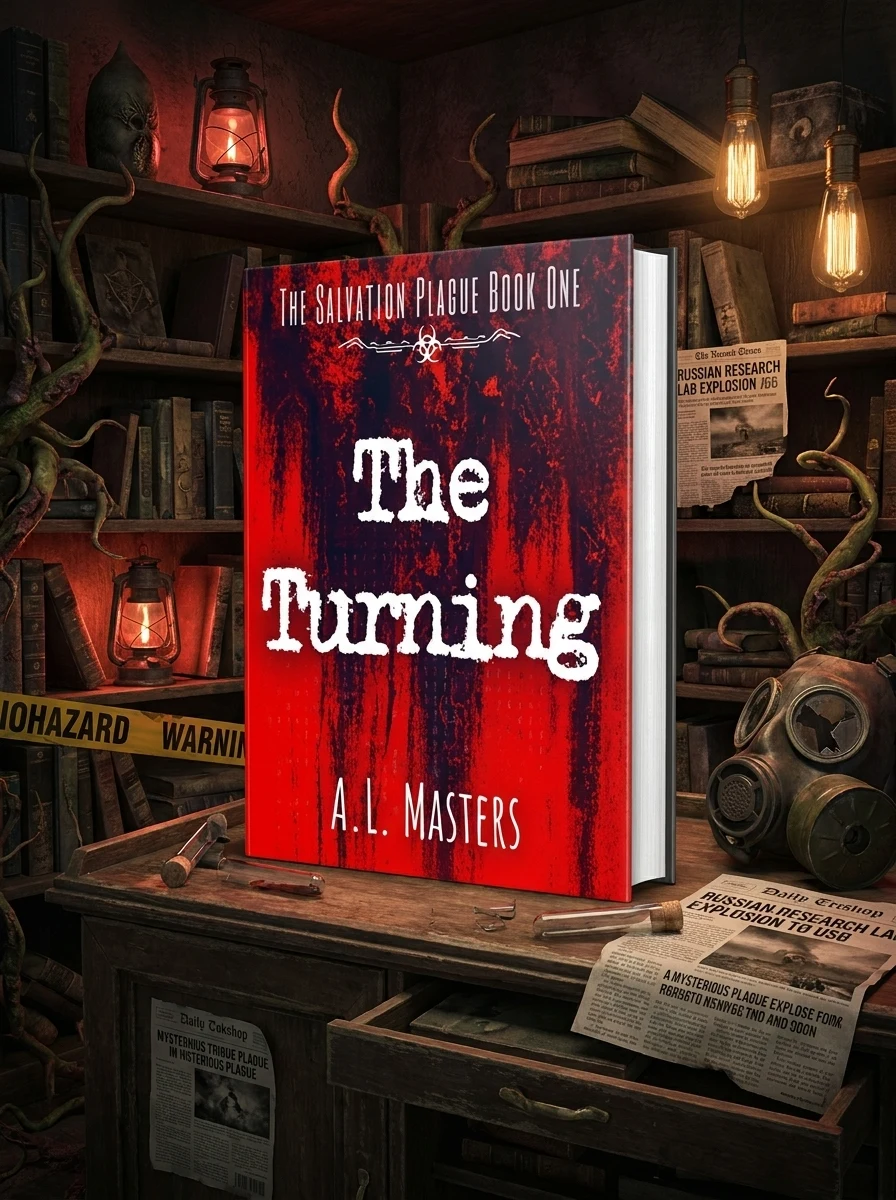
The Turning
Currently unavailable
This book is sold out right now. Leave your email — we'll let you know if it comes back, and you'll get 10% off any book today.
In stock now — readers of this book also loved:




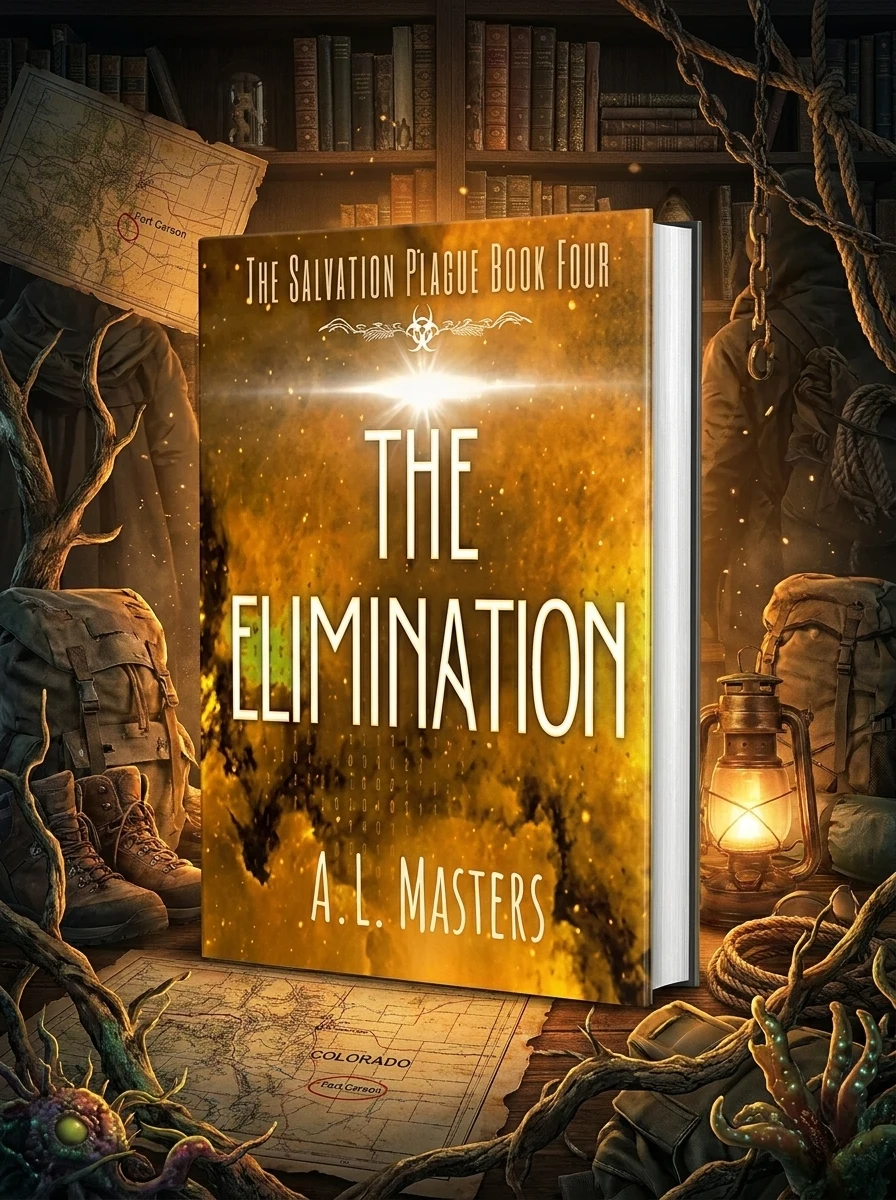
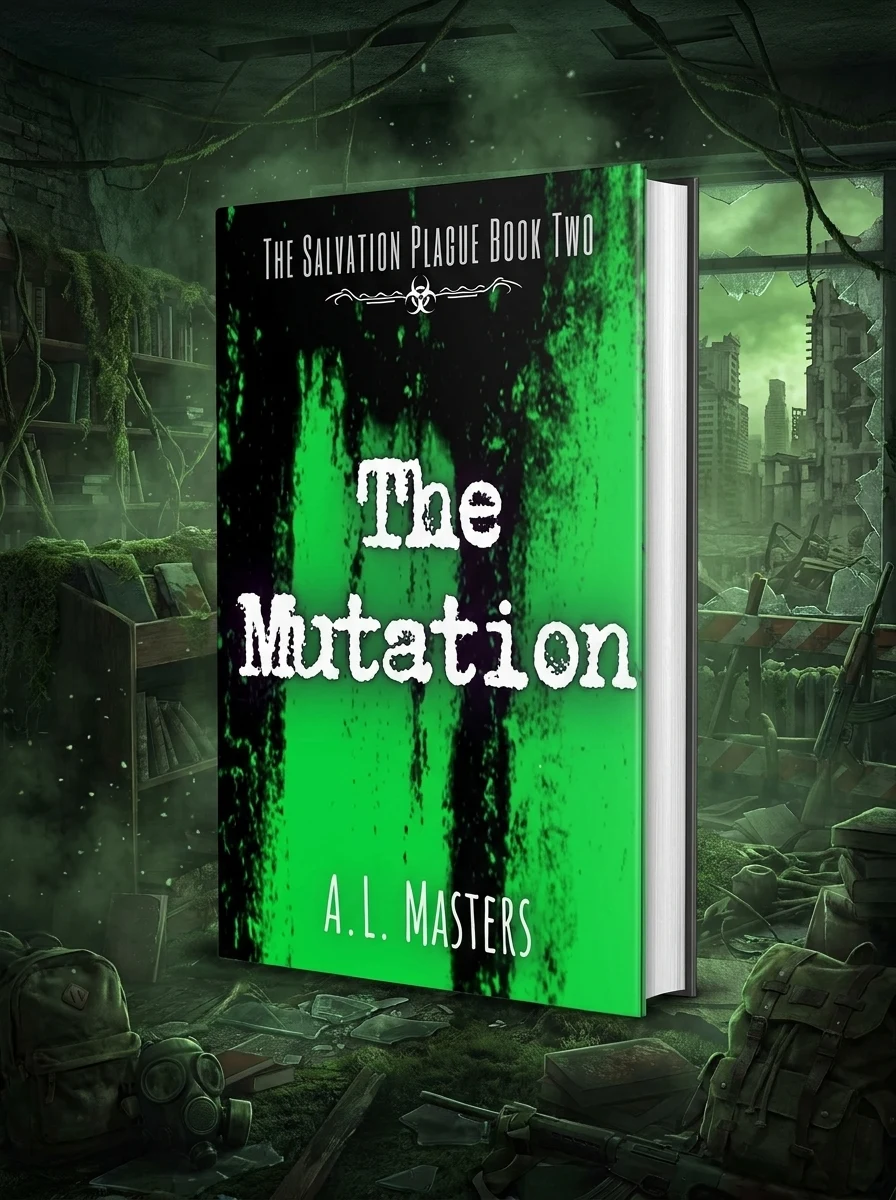
A southern town faces an unordinary plague after a Russian lab explosion.
This work examines how close relationships fracture under extreme pressure. The narrative does not focus on the science of the outbreak but rather on the human cost. Friends who once relied on each other must now make impossible choices. The text suggests that the physical danger is secondary to the psychological terror of facing an unknown enemy. Masters uses the setting to create a sense of claustrophobia despite the wide scope of the threat. The story moves from the initial shock of the explosion to the slow realization that help is not coming. It is a study of trust and betrayal in a world where the rules have changed.
The book was published by Tantor Audio on November 8, 2022. It fits into the contemporary horror genre with elements of supernatural fiction. The setting is a small southern town in the United States, while the inciting incident involves a Russian research laboratory.


📝 Description: The Turning
💎 Our verdict on The Turning
📖 Why choose it
Why this book is worth reading
Readers who prioritize character-driven horror and supernatural fiction will find this book aligns with their interests. It is ideal for those seeking a study of trust and betrayal in a world where the rules have changed, rather than a technical manual on pandemics. The narrative offers a claustrophobic atmosphere despite its wide scope, making it suitable for fans who enjoy watching ordinary people confront extraordinary events. Those who appreciate when the physical danger is secondary to the psychological terror of facing an unknown enemy will gain the most. It serves as a compelling examination of how extreme pressure fractures close relationships and social order.
⭐ Reader reviews
Reader rating
A L Masters delivers a potent exploration of interpersonal dynamics under the strain of an existential crisis. By grounding the global threat of a Russian lab explosion in a small southern town, the author creates a unique juxtaposition that keeps the emotional core intimate and local. The work excels in depicting the slow realization that help is not coming, shifting focus from the science of the outbreak to the human cost. While it lacks detailed scientific explanations, this omission serves the narrative by prioritizing survival instincts and fear. It is best suited for readers who enjoy dark fantasy elements and psychological horror over non-fiction accounts or technical precision.