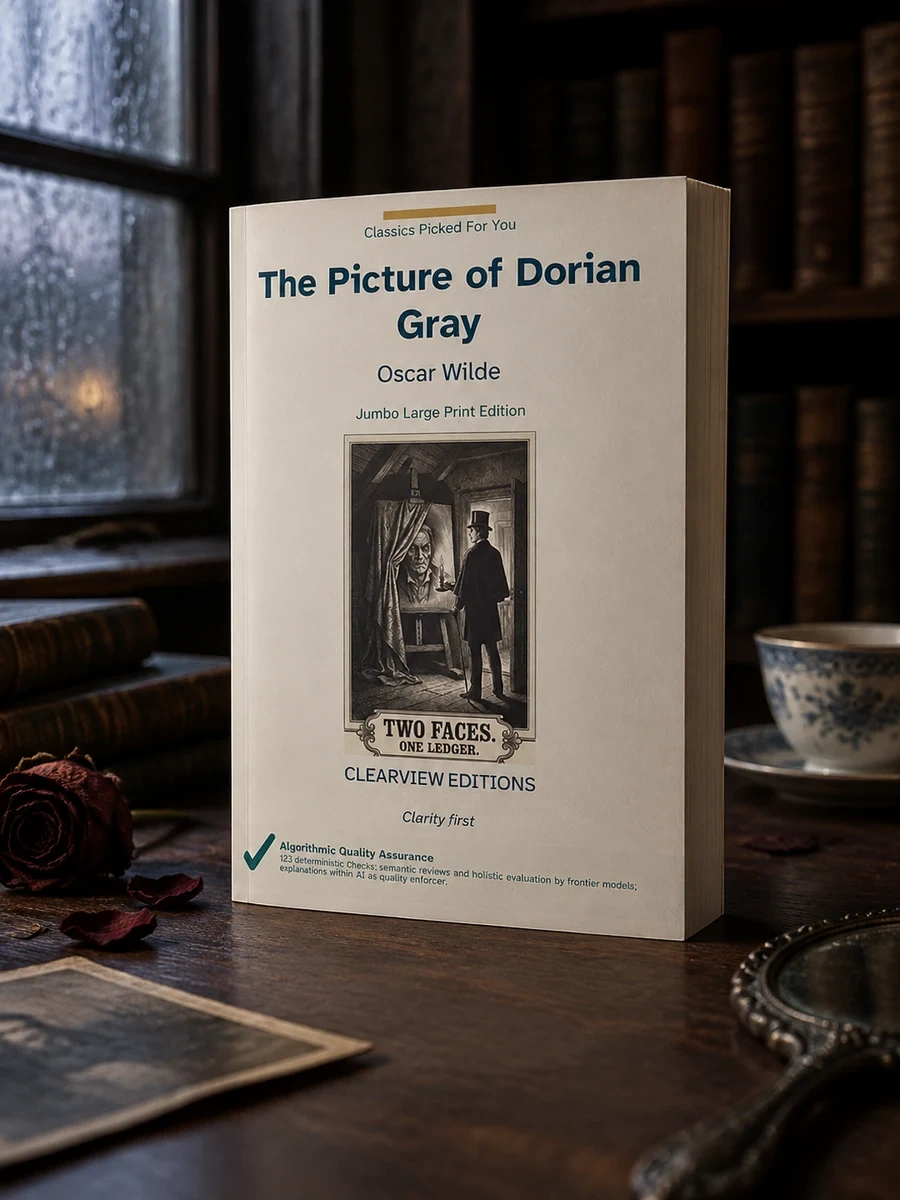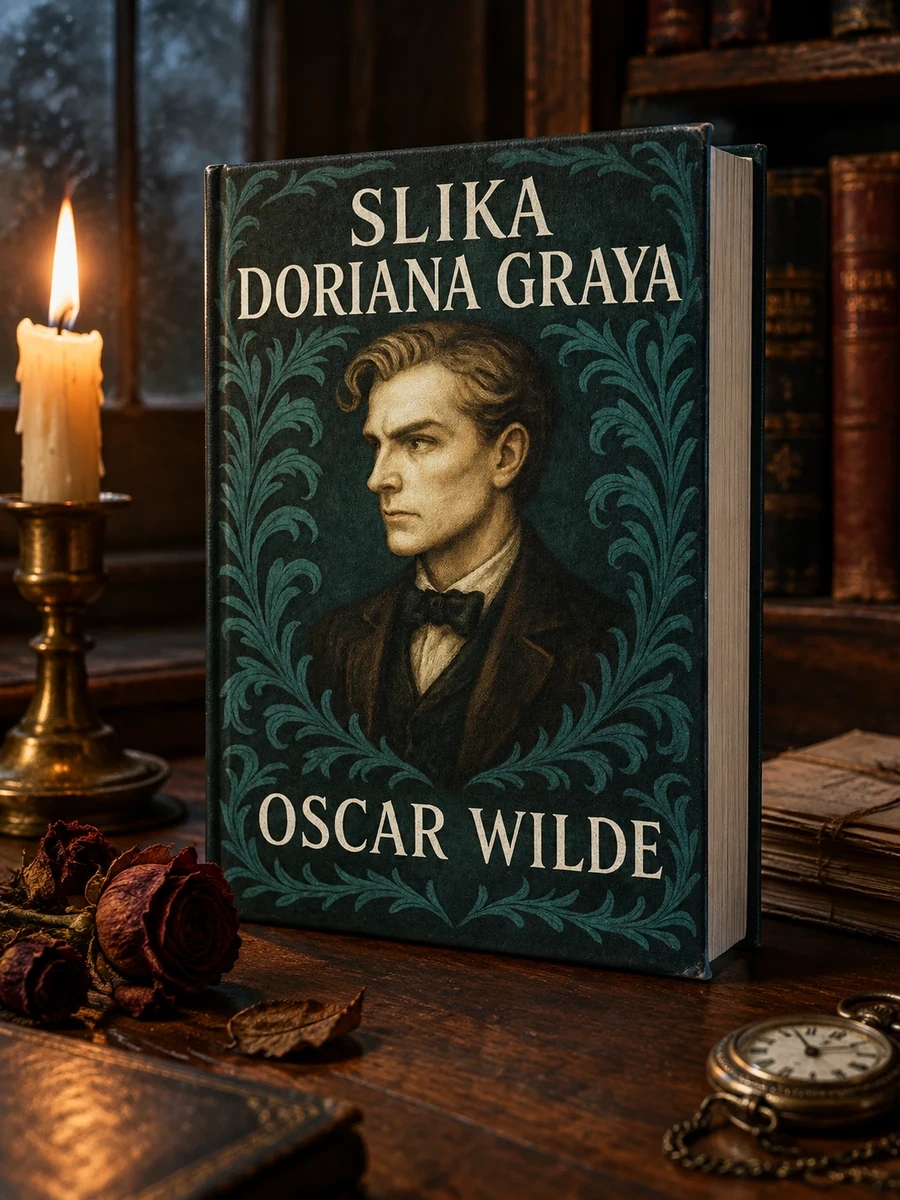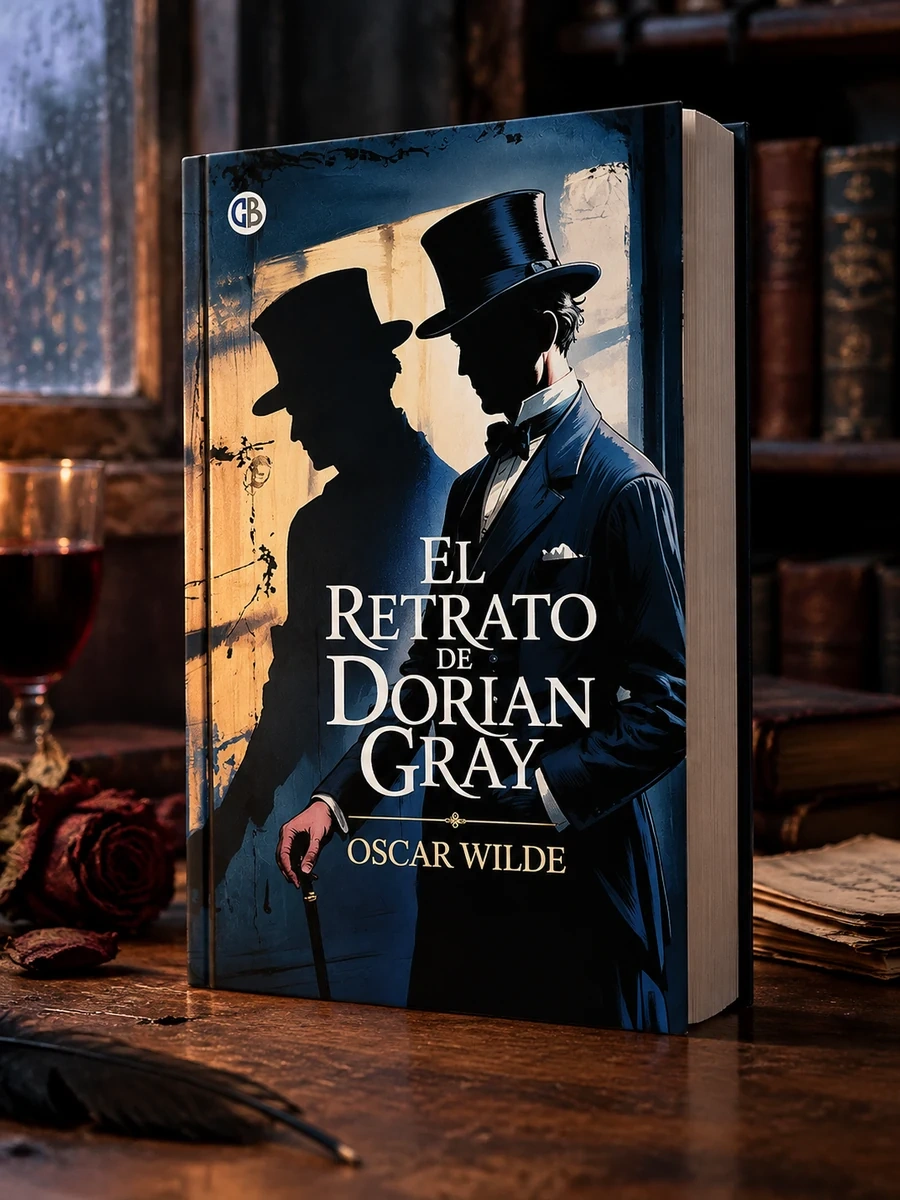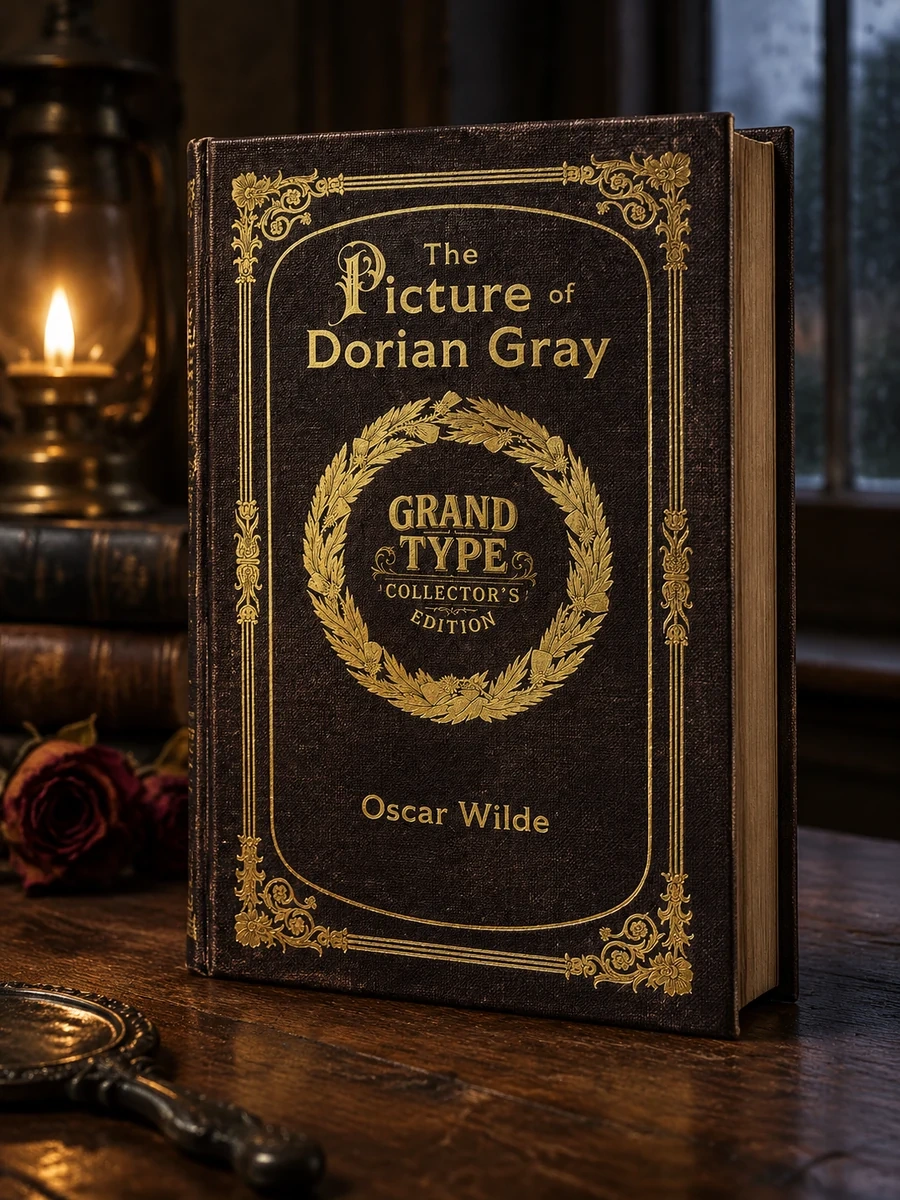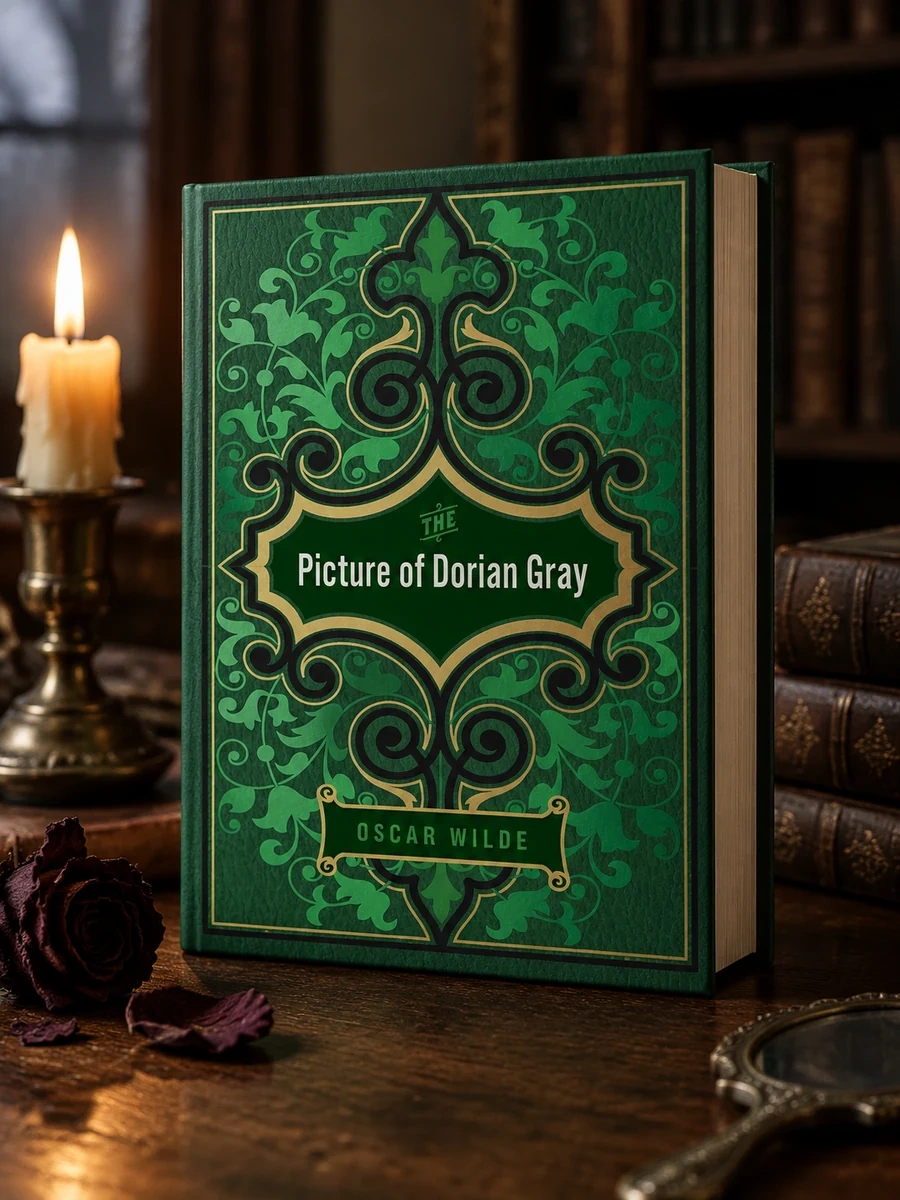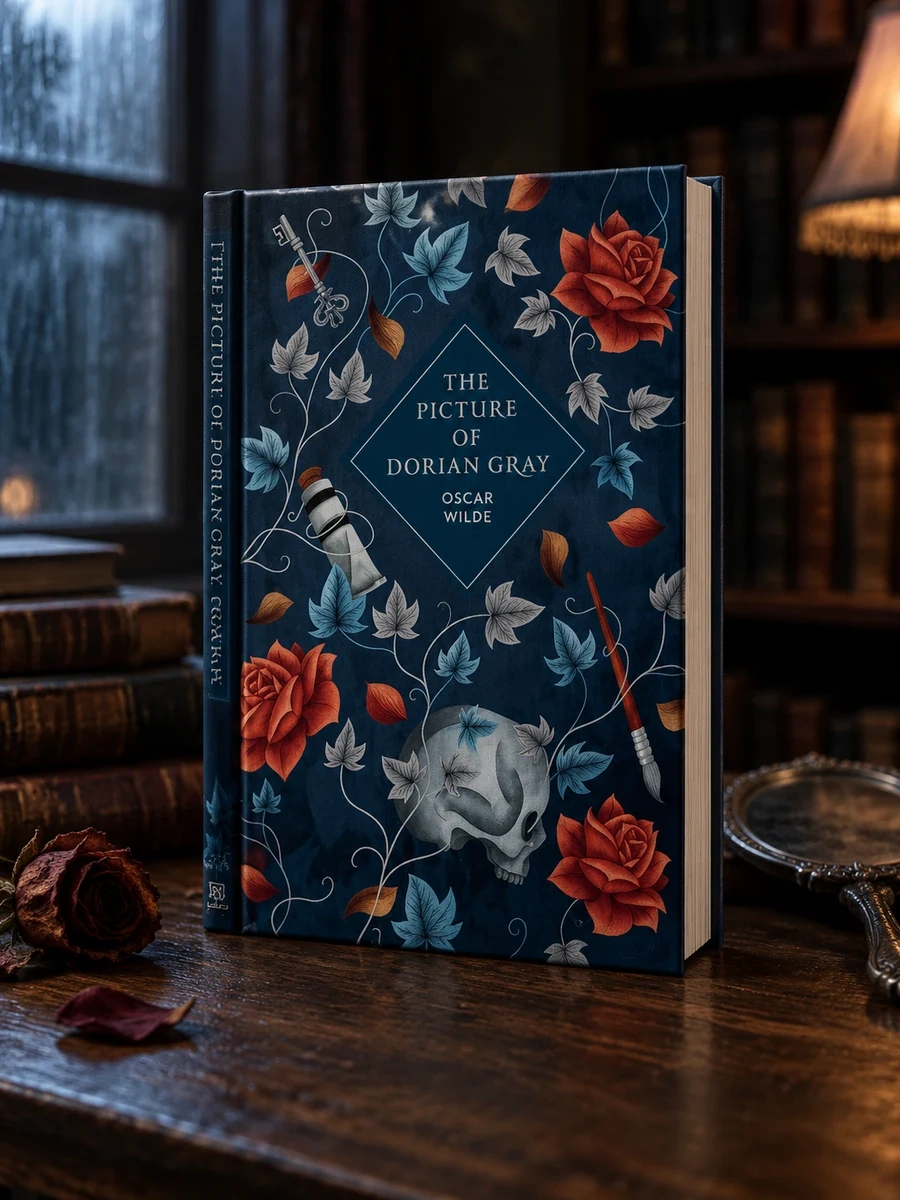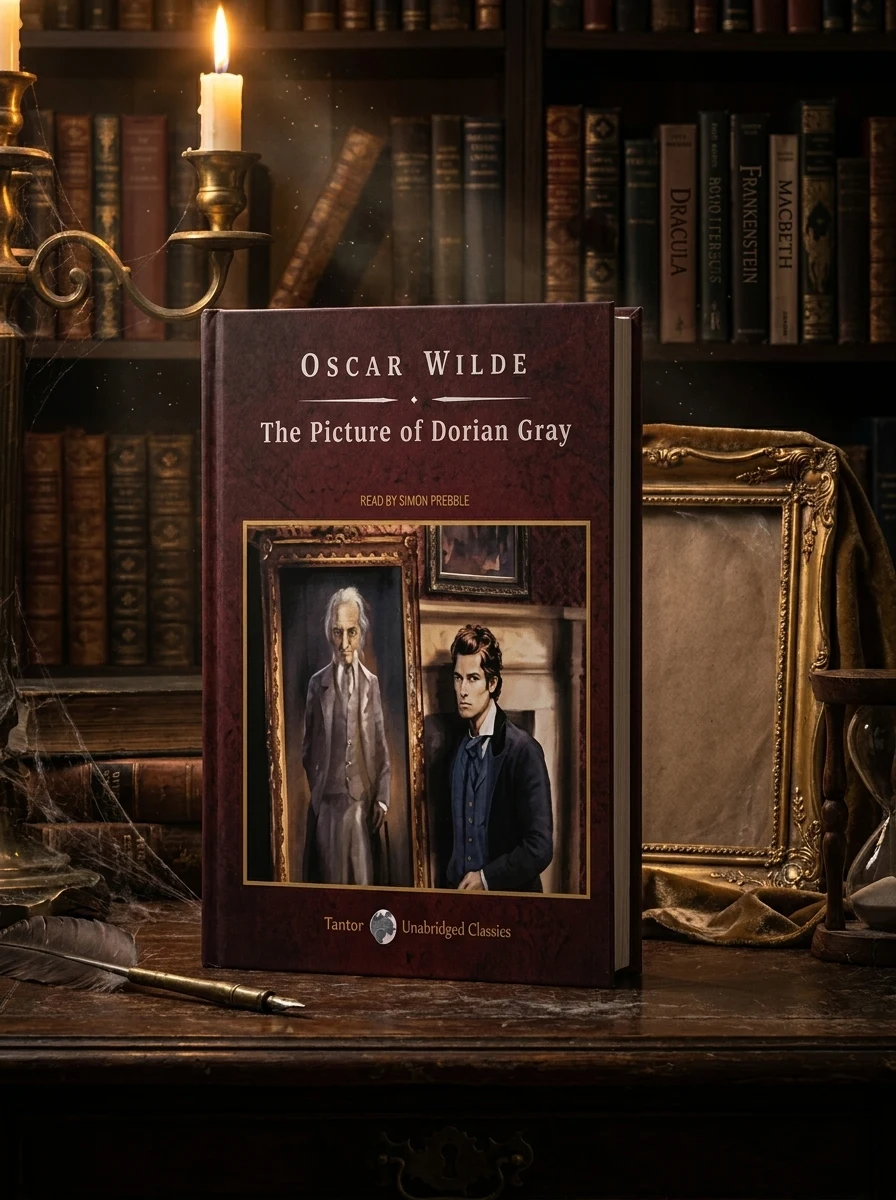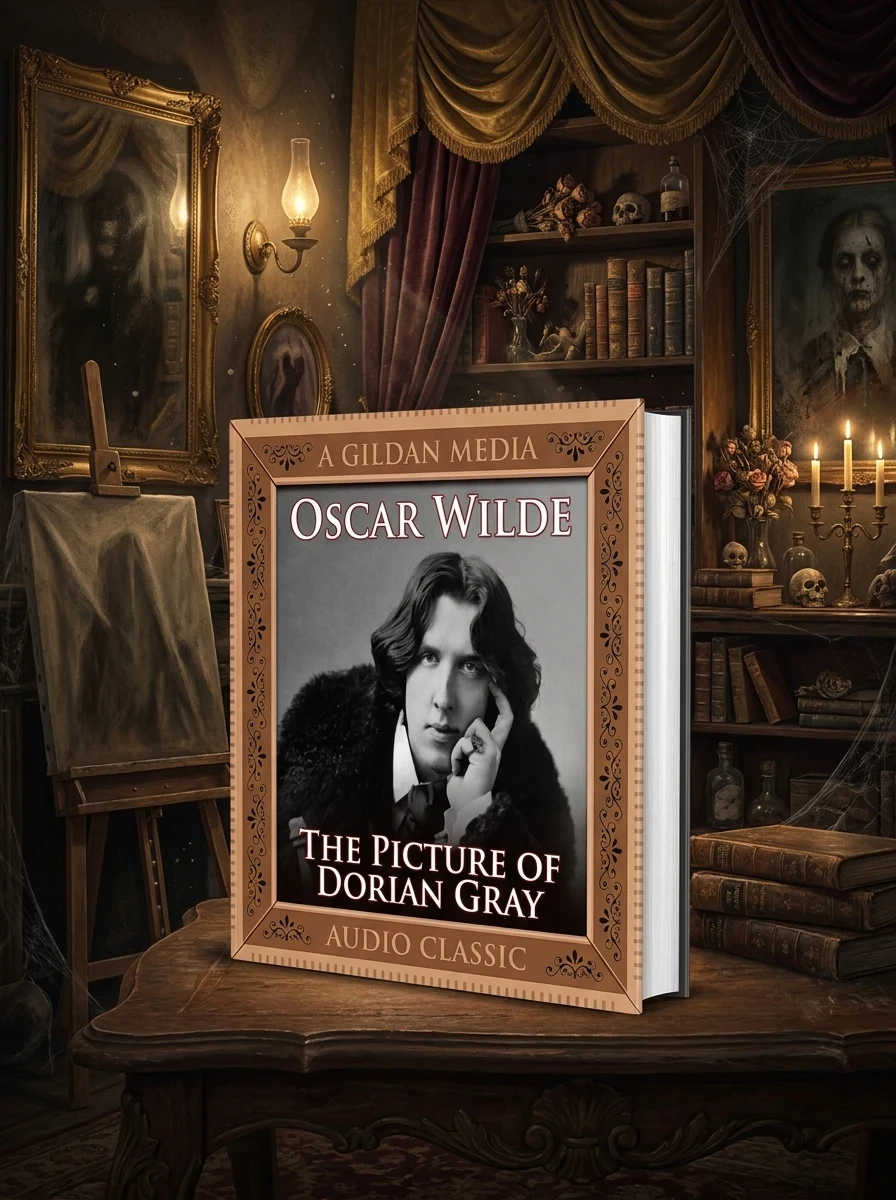
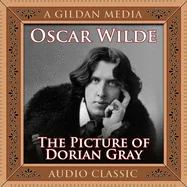
The Picture Dorian Gray
Currently unavailable
This book is sold out right now. Leave your email — we'll let you know if it comes back, and you'll get 10% off any book today.
In stock now — readers of this book also loved:




A young man trades his soul for eternal youth while his portrait ages instead.
The novel follows Dorian Gray as he navigates a life of sin after wishing his portrait would bear the burden of aging. Henry Wotton influences him toward depravity, while Basil Hallward’s art captures his true self. Each sinful act makes the painting more grotesque, serving as a mirror to his corrupted soul. The story critiques Victorian society through its exploration of vanity and moral decay. It remains relevant for its sharp social commentary and gothic atmosphere.
This work emerged from late nineteenth-century literature, blending gothic fiction with supernatural elements. Wilde’s writing critiques the social norms of his time through a melodramatic lens. The story reflects anxieties about vanity and moral decay in Victorian society, using the portrait as a central symbol of hidden truth.


📝 Description: The Picture Dorian Gray
💎 Our verdict on The Picture Dorian Gray
📖 Why choose it
Why this book is worth reading
This book is ideal for readers who appreciate gothic fiction and supernatural themes over straightforward action plots. It offers a chilling exploration of vanity, moral decay, and the consequences of trading one’s soul for eternal youth. The narrative provides a dreamlike look at how depravity affects the soul, mirrored by a grotesque portrait. Those interested in social commentary and the critique of Victorian values will find relevance in its astute observations. While the focus on internal moral decay may not suit everyone, it rewards those seeking atmospheric depth and philosophical inquiry within the horror genre.
⭐ Reader reviews
Reader rating
Wilde delivers a dreamlike narrative that masterfully blends Gothic atmosphere with psychological horror. The story effectively uses the grotesque transformation of Dorian’s portrait to visualize moral corruption, creating a chilling mirror to his soul. Its strength lies in sparkling prose and astute social observation, critiquing Victorian society through themes of vanity and depravity. This work suits readers interested in gothic fiction and supernatural elements who appreciate complex character studies over action. It is particularly engaging for those seeking sharp social commentary and an exploration of the human condition beneath polite surfaces.