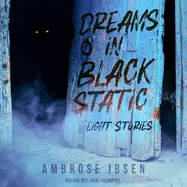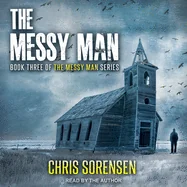
The Messy Man
Ellen Marx follows her dead father's breadcrumbs to uncover buried secrets in this final trilogy installment.
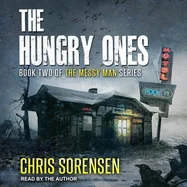
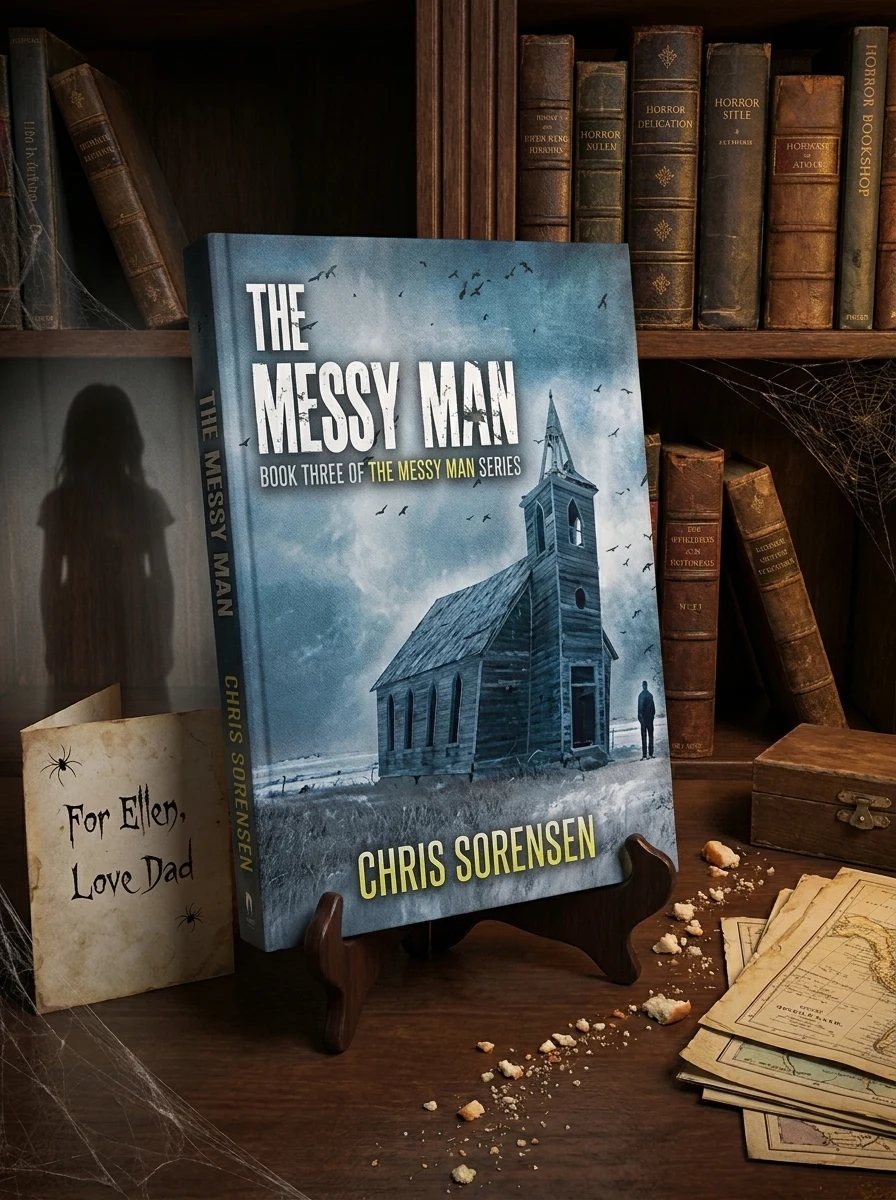
The narrative closes the loop on Ellen’s supernatural experiences. Her ability to see spirits creates tension with her mother Rita, who wants a standard childhood. The inciting incident involves a greeting card from a parent who is no longer alive. This object provides clues that guide Ellen toward hidden truths about her family history. Sorensen structures the story around this investigation, blending grief with supernatural elements. The work relies on the established lore of the previous two books for full context. Readers familiar with The Nightmare Room and The Hungry Ones will recognize the characters and setting. The story does not introduce new magical systems but rather resolves existing mysteries. It is a conclusion to a specific arc rather than a standalone tale.
Published by Tantor Audio in 2021, this book sits within the American horror genre. It continues a trilogy of supernatural fiction aimed at young adult audiences. The work draws on gothic traditions of haunted heritage and unresolved family trauma.


📝 Description: The Messy Man
💎 Our verdict on The Messy Man
📖 Why choose it
Why this book is worth reading
Readers who appreciate character-driven supernatural mysteries will find value in this conclusion to the trilogy. The book appeals to those interested in how grief and family secrets intertwine with ghostly encounters. It is ideal for fans of gothic fiction who prefer introspective narratives over shock value. Those seeking resolution to Ellen Marx’s journey will gain satisfaction from the closure provided here. The story offers a thoughtful exploration of loss, making it suitable for readers who enjoy emotional depth within the horror genre. It serves as a solid addition for collectors of the series who want to understand the full context of the family history.
⭐ Reader reviews
Reader rating
Sorensen delivers a poignant conclusion that prioritizes emotional resonance over visceral terror. The narrative effectively blends family drama with eerie occurrences, creating a tense atmosphere rooted in personal loss. By focusing on Ellen’s investigation into her father’s disappearance, the book maintains a steady pace without relying on new magical systems or unexplained lore. This approach rewards dedicated readers familiar with the previous installments while offering a satisfying closure to the arc. The tone is introspective, appealing to those who enjoy ghost stories driven by character development rather than fast-paced action or gore. It stands as a solid entry for collectors of the trilogy.