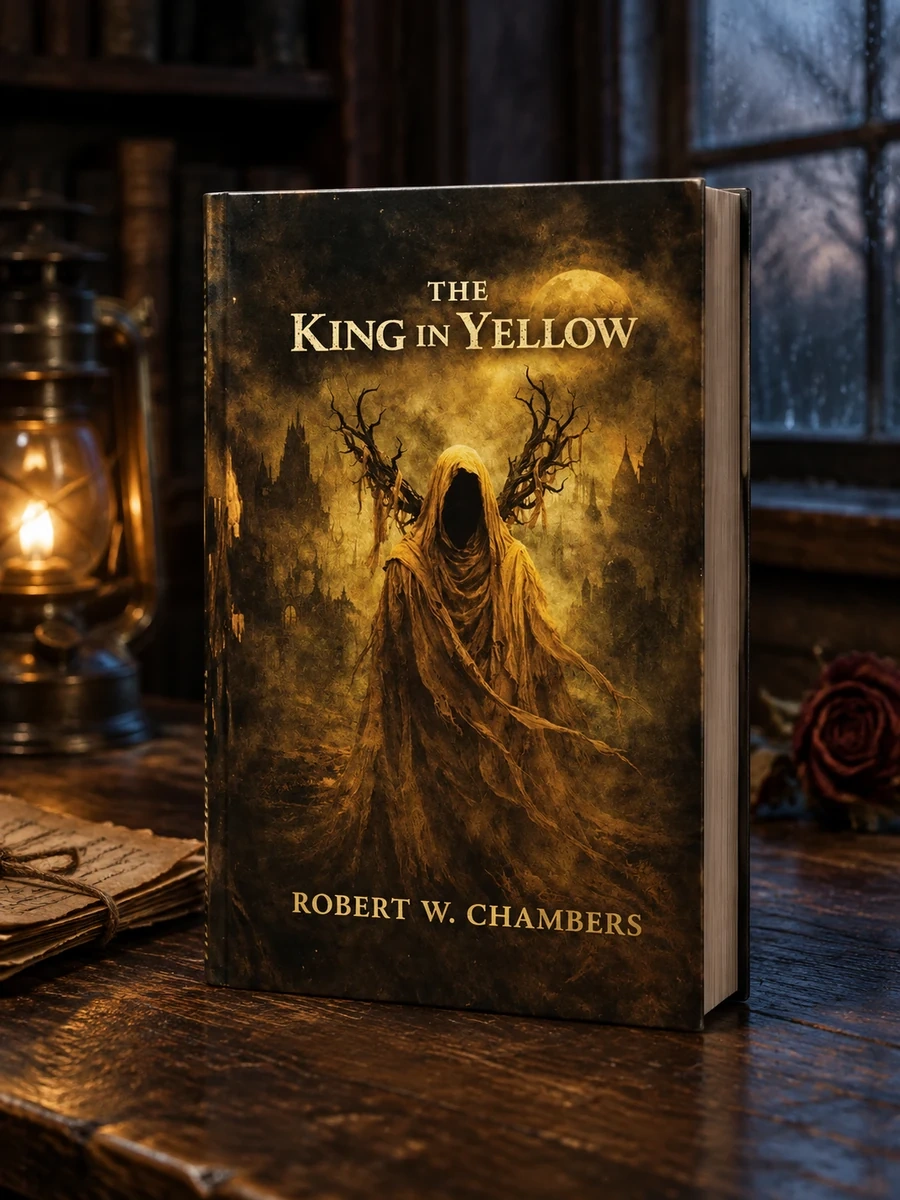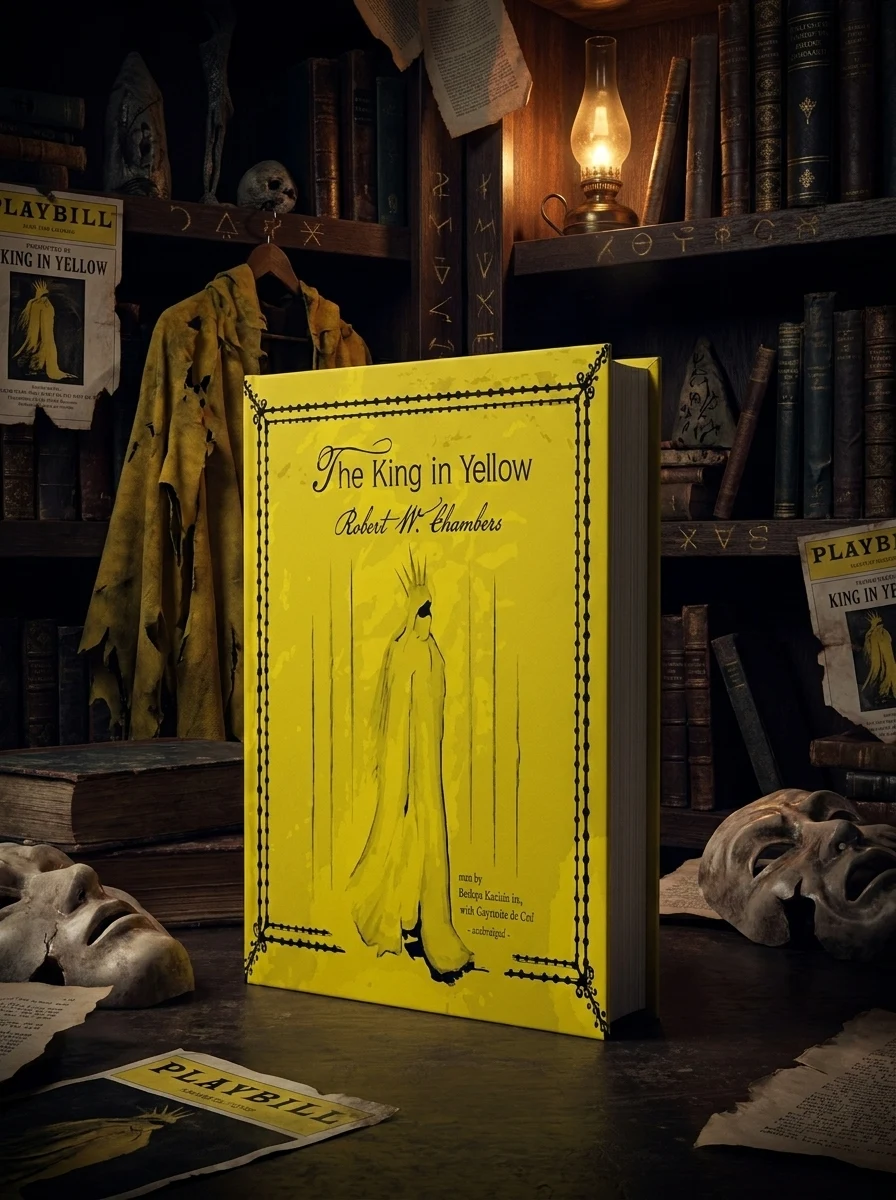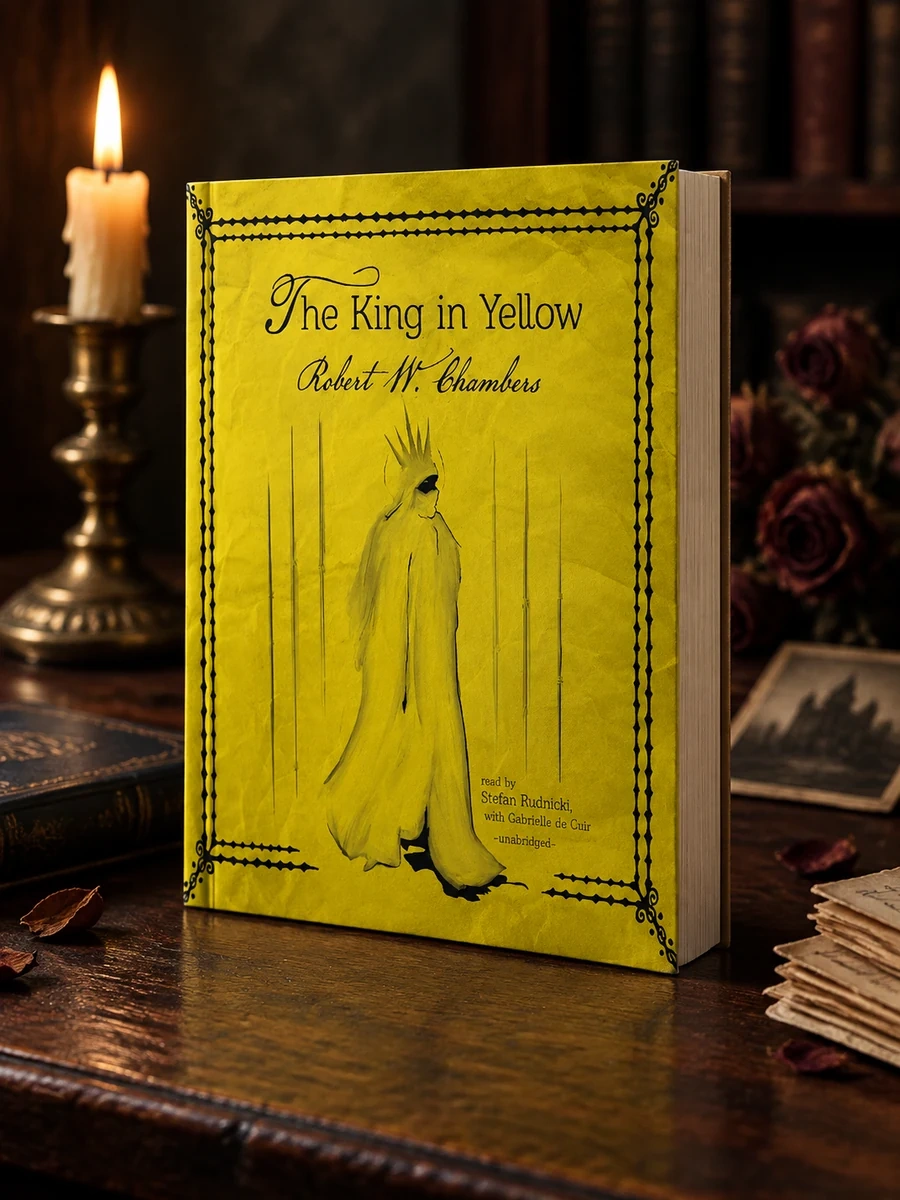

The King in Yellow
Currently unavailable
This book is sold out right now. Leave your email — we'll let you know if it comes back, and you'll get 10% off any book today.
In stock now — readers of this book also loved:




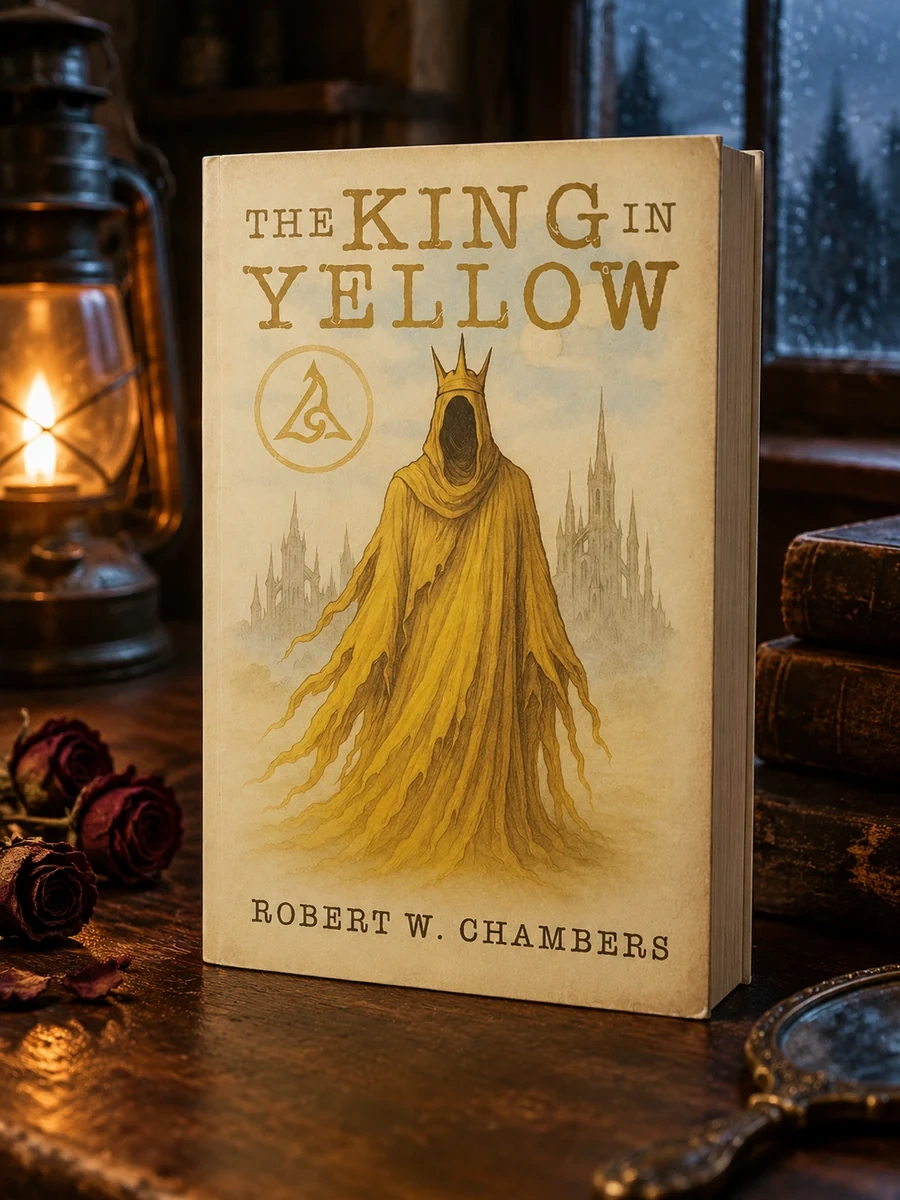
A 1895 collection of weird fiction bound by a madness-inducing play.
Chambers uses a fictional play as the anchor for disparate stories. The narrative does not follow a linear path but circles around the central mythos. Characters interact with the text in ways that reveal their fragility. The horror stems from psychological unraveling rather than physical threats. This approach influenced the development of modern supernatural fiction. The work stands as a bridge between 19th-century gothic tales and 20th-century cosmic horror. Its structure reflects the fragmented nature of the madness it describes.
Published in 1895, this work sits at the intersection of late Victorian gothic fiction and emerging weird tale traditions. It predates the modern horror genre by decades yet establishes key tropes used by later authors like H. P. Lovecraft. The book reflects an era fascinated by the boundary between art and psychological collapse.


📝 Description: The King in Yellow
💎 Our verdict on The King in Yellow
📖 Why choose it
Why this book is worth reading
Readers who appreciate atmospheric storytelling over fast-paced action will find value in this collection. It is ideal for fans of classic weird fiction and those interested in the roots of cosmic horror. The book explores how art can corrupt the mind through direct exposure to forbidden knowledge. Its structure reflects the fragmented nature of the madness it describes, offering a distinct experience. Those seeking straightforward plots may find the disjointed narrative difficult, but enthusiasts of psychological unraveling will appreciate the depth. It offers insight into how ancient texts hold dangerous power within its pages.
⭐ Reader reviews
Reader rating
Chambers creates a lingering atmosphere by balancing lyrical description with unsettling horror elements. The narrative circles around a central mythos rather than following a linear path, revealing character fragility through their interaction with the text. This approach highlights psychological unraveling over physical threats, establishing a unique tone. The work appeals to readers who enjoy complex structures and thematic depth. While the loose connections between stories may challenge those preferring clear plots, the influence on later writers underscores its importance. It remains a relevant study in how literature can induce madness.
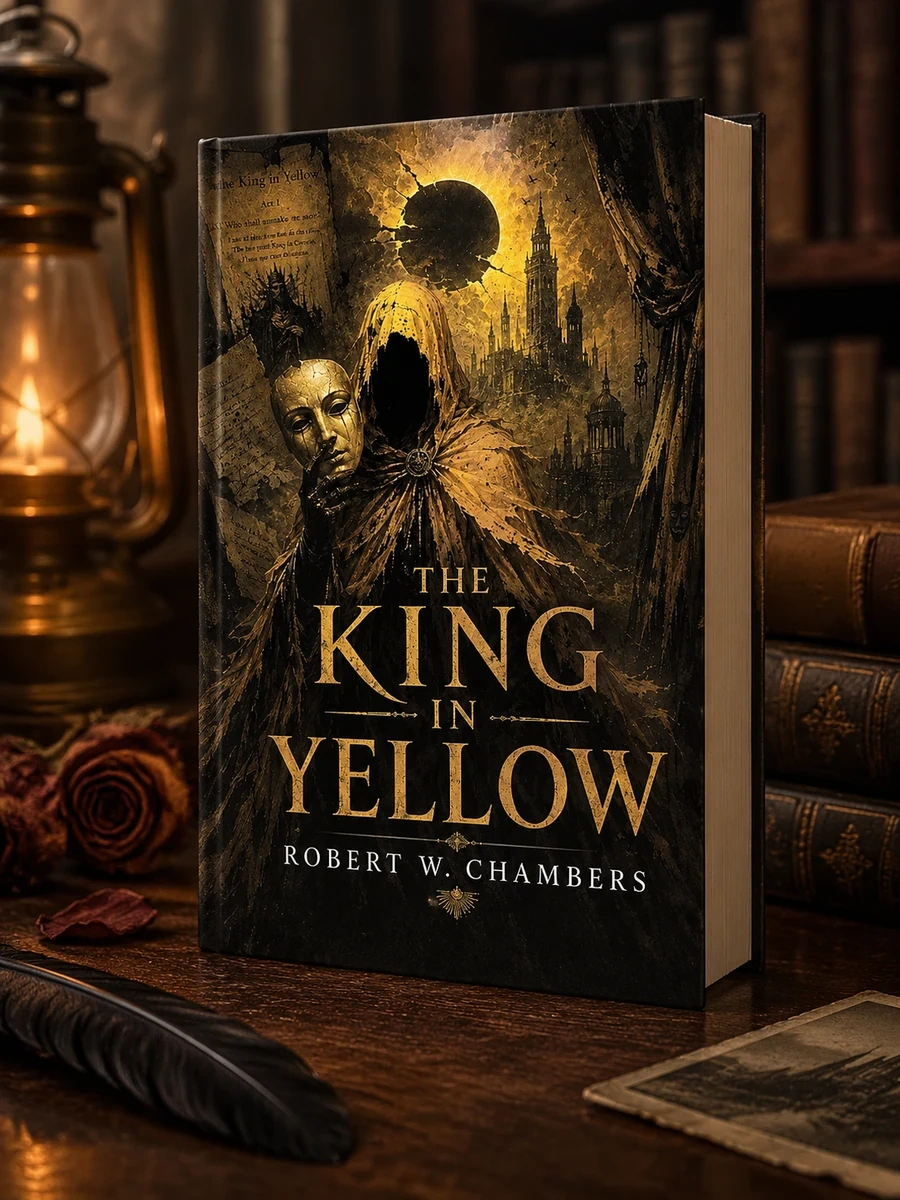
![El Rey de Amarillo: El Libro Maldito de Carcosa [El Reparador de Reputaciones, La Mascara, En el Patio del Dragon, El Signo Amarillo] (Edicion modernizad](/img/el-rey-de-amarillo-el-libro-maldito-de-carcosa-el-reparador-de-reputac-01052-scene.webp)