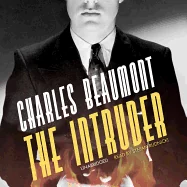
The Intruder
Currently unavailable
This book is sold out right now. Leave your email — we'll let you know if it comes back, and you'll get 10% off any book today.
In stock now — readers of this book also loved:





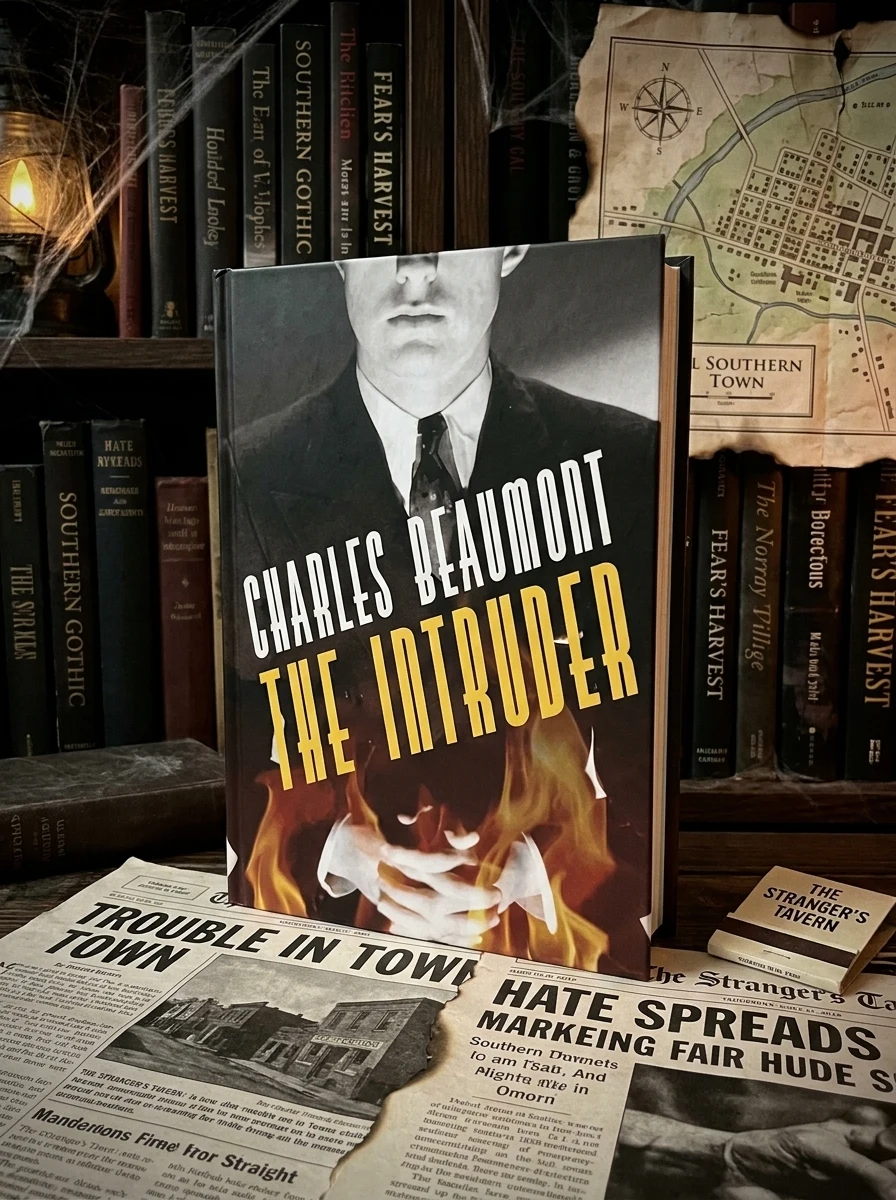
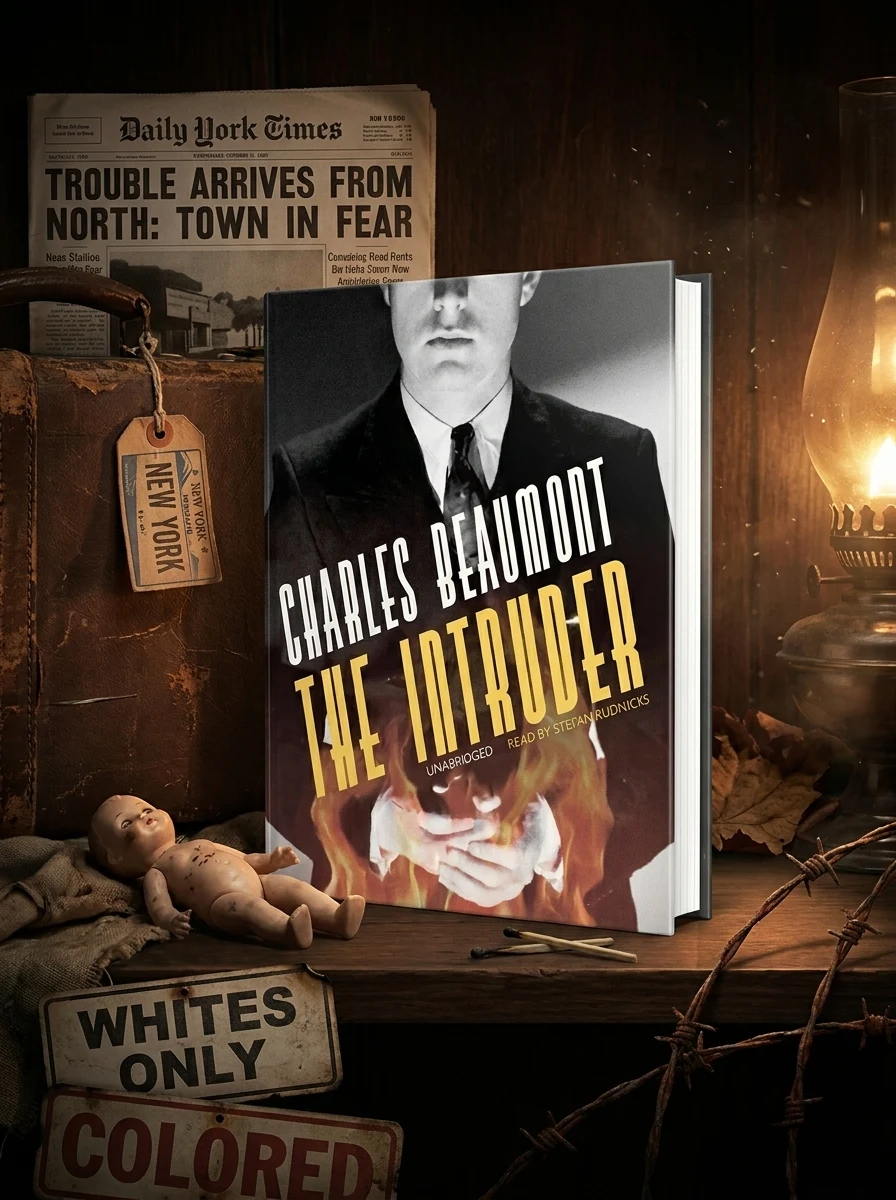
A mid-century tale of racial tension and supernatural horror in a quiet southern town.
The Intruder examines the collapse of a peaceful community through the arrival of a malevolent outsider. Beaumont uses the figure of the stranger to explore deep-seated prejudices and fears within 1950s America. The story does not rely on traditional monsters but instead focuses on the human capacity for cruelty. The narrative tracks the progression from initial unease to outright violence and societal breakdown. This approach highlights how quickly trust can vanish when hate takes root. The author’s perspective provides a critical view of social harmony in that era.
This work sits firmly in the mid-1950s American context, specifically addressing racial dynamics in southern towns. It reflects the era's social anxieties and the breakdown of community bonds during a period of significant cultural shift.


📝 Description: The Intruder
💎 Our verdict on The Intruder
📖 Why choose it
Why this book is worth reading
Readers seeking profound social commentary wrapped in horror will find this title essential. It appeals to those interested in the collapse of community trust and the psychological mechanisms of prejudice. The narrative offers a stark examination of how fear can dismantle moral order, making it valuable for students of mid-century American society. Fans of character-driven dread over jump scares will appreciate the slow burn of societal breakdown. It provides a critical lens on historical racial dynamics without relying on traditional monster tropes. This book is ideal for those who enjoy seeing human nature tested under pressure.
⭐ Reader reviews
Reader rating
Beaumont delivers a chilling portrait of a quiet southern town unraveling under the weight of introduced evil and hate. The narrative excels in showing how quickly trust vanishes when prejudice takes root, moving from unease to outright violence. It avoids simple monster encounters, focusing instead on the human capacity for cruelty and the destruction of relationships between neighbors and races. This approach creates a deeply unsettling atmosphere that lingers long after reading. The work is best suited for readers who appreciate gothic fiction grounded in real social dynamics. It offers a stark, critical view of mid-century American moral decay. Those seeking lighthearted entertainment should look elsewhere, as this tale is a serious study of racial tension and societal collapse.