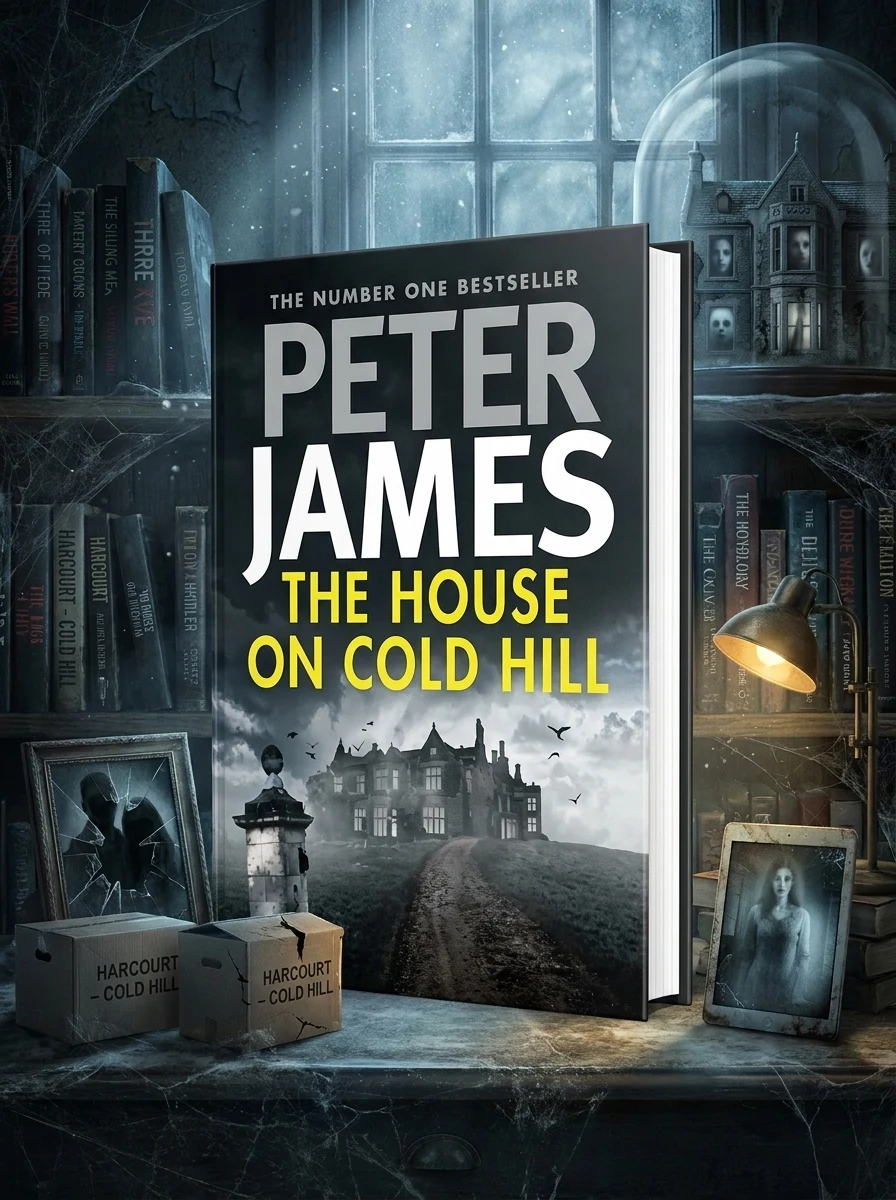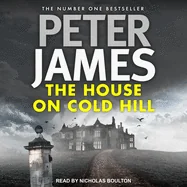
The House on Cold Hill
A family moves into a haunted mansion where a missing room hides dark secrets.
The narrative centers on the Harcourt family's struggle to adapt to their new rural environment. Ollie desires the change while Caro remains skeptical. The purchase of Cold Hill House seems logical due to its space and isolation. However, the reality of living there proves terrifying. The presence of a ghostly figure disrupts their daily routine. Visual anomalies on screens and in hallways create a sense of unease. Caro's sightings of faces in an upstairs window drive the plot forward. This specific detail suggests a connection to the building's history. The impossibility of the room's existence adds a layer of psychological horror. James uses this contradiction to build tension rather than relying on jump scares. The story examines how grief and displacement can make one vulnerable to supernatural forces. It is a tale of a family trapped by their own poor decision.
This work sits within the tradition of American gothic horror fiction. It draws on the period's interest in rural isolation and domestic terror. The setting reflects a modern desire to escape city life, contrasting with supernatural dread.


📝 Description: The House on Cold Hill
💎 Our verdict on The House on Cold Hill
📖 Why choose it
Why this book is worth reading
Readers who appreciate atmospheric dread over visceral gore will find value in this narrative. It suits those interested in the intersection of family dynamics and supernatural intrusion, particularly how displacement affects mental stability. The book offers a study in psychological unraveling rather than simple shock. Fans of gothic tropes involving haunted estates and hidden histories will enjoy the tension built through contradiction and visual anomalies. It is ideal for audiences seeking a slow-burn exploration of grief and vulnerability within a confined, eerie setting.
⭐ Reader reviews
Reader rating
Peter James effectively utilizes classic gothic elements to construct a tense narrative centered on domestic disruption. The concept of an impossible room serves as a brilliant focal point for psychological horror, leveraging the contradiction between physical reality and supernatural presence to build unease rather than relying on cheap scares. The focus on the Harcourt family’s psychological unraveling provides depth, making the supernatural threat feel personal and inescapable. While it may not satisfy those seeking fast-paced action, its strength lies in its atmospheric dread and exploration of how grief makes one vulnerable. It is a solid entry for fans of family-centric horror and eerie, isolated settings.