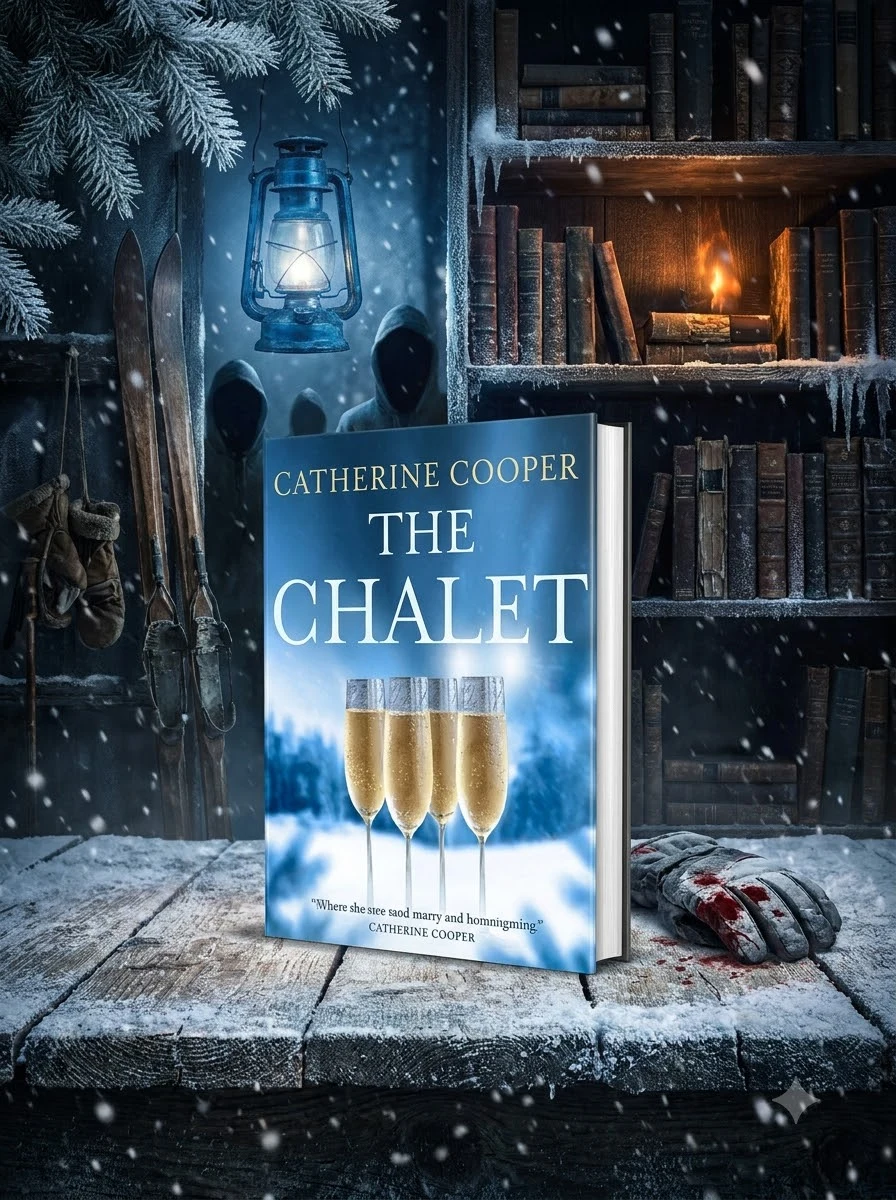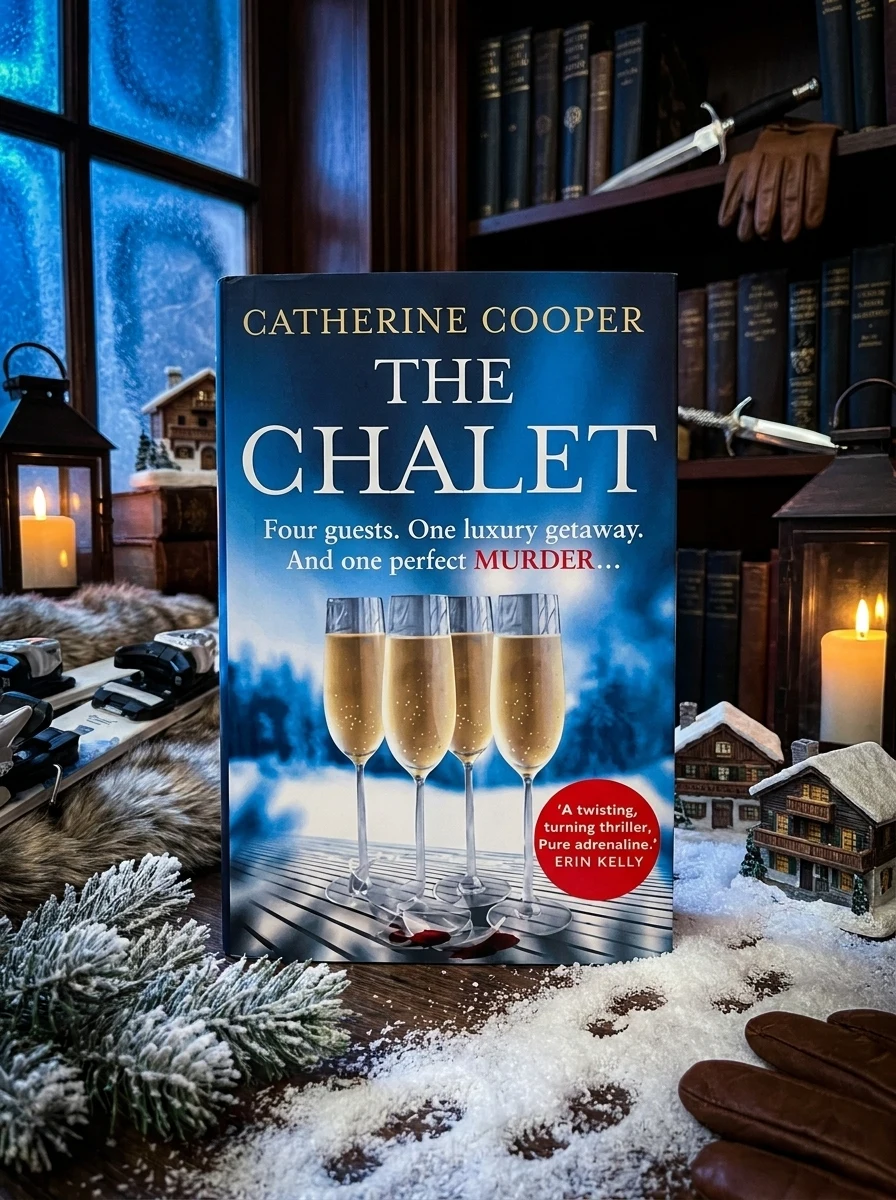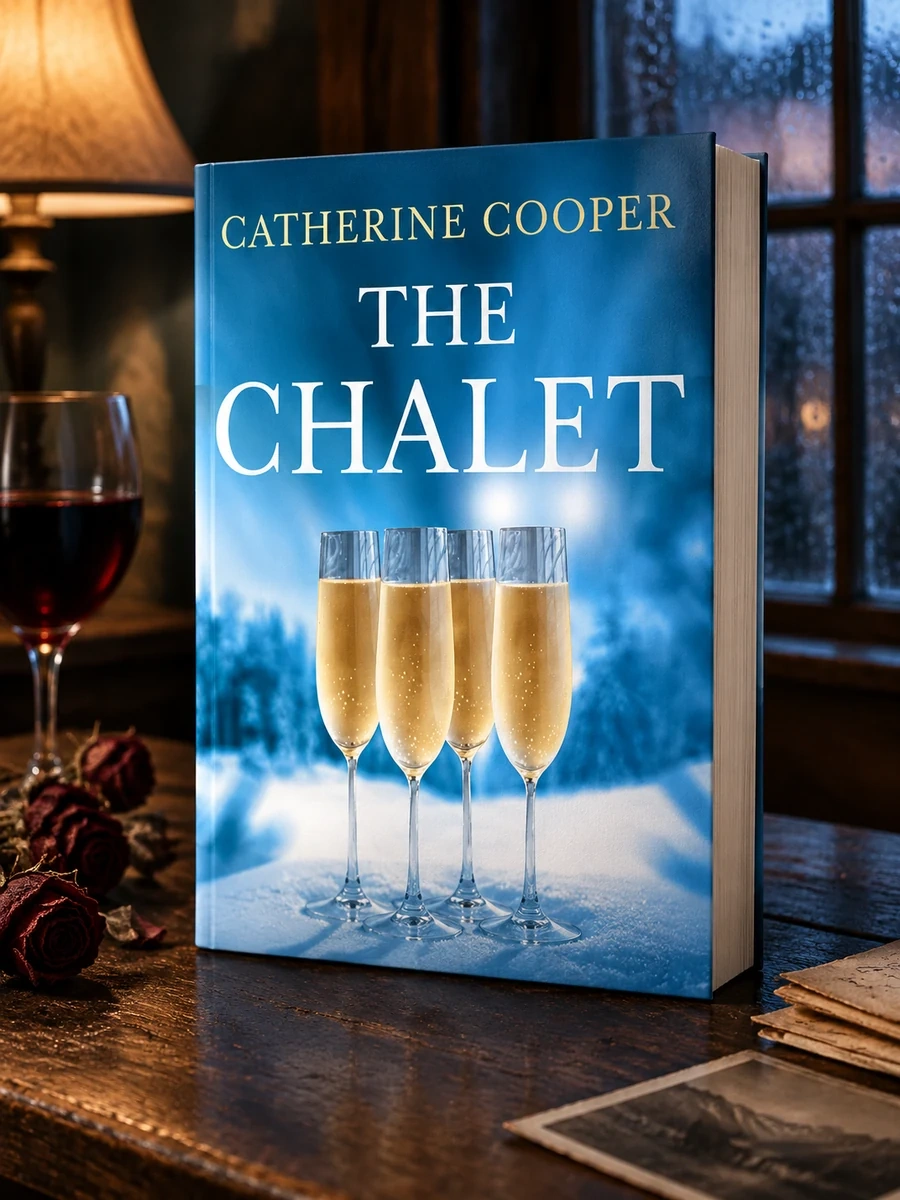

The Chalet
A 1998 Alpine blizzard hides a secret that resurfaces twenty years later.
The narrative follows four people connected to a man who vanished in the French Alps in 1998. They gather at the resort where the tragedy occurred, each harboring their own dark secrets. The tension rises as it becomes clear that two of them might be responsible for violence, while another is poised to kill. The story explores how past events continue to haunt the present. Cooper uses the isolated mountain setting to amplify the sense of dread and paranoia among the characters. There are no supernatural forces at work, only human evil and the consequences of hiding the truth. The plot moves toward a confrontation where someone must answer for what happened two decades ago. This is a story about accountability and the inescapable nature of history.
This novel is set in the French Alps during 1998, drawing on the tradition of isolated mountain thrillers. It examines how personal guilt persists over time and affects those who remain connected to a traumatic event. The story reflects on the lingering impact of unresolved violence within close-knit groups.


📝 Description: The Chalet
💎 Our verdict on The Chalet
📖 Why choose it
Why this book is worth reading
Readers seeking a tight, focused narrative about guilt and retribution will find this title compelling. It appeals to those who appreciate atmospheric thrillers with deep psychological tension rather than fast-paced action. The book is ideal for fans of gothic fiction who enjoy slow-burn dread and complex character motivations. It offers a chilling exploration of how past events haunt the present, making it suitable for audiences comfortable with ambiguous endings. Those looking for lighthearted escapism should look elsewhere, as this story demands emotional engagement with human evil.
⭐ Reader reviews
Reader rating
Cooper delivers a chilling narrative that leverages the isolated French Alps to amplify paranoia and dread. The plot effectively builds tension around four characters connected to a vanished skier, each harboring dark secrets. The absence of supernatural forces grounds the horror in human malice and secrecy, creating a realistic sense of unease. Cooper’s direct approach avoids unnecessary exposition, maintaining suspense throughout. This book suits fans of psychological horror who value emotional weight over jump scares. It is a well-crafted study of accountability, though it may not appeal to readers who dislike complex motivations or unresolved narratives.