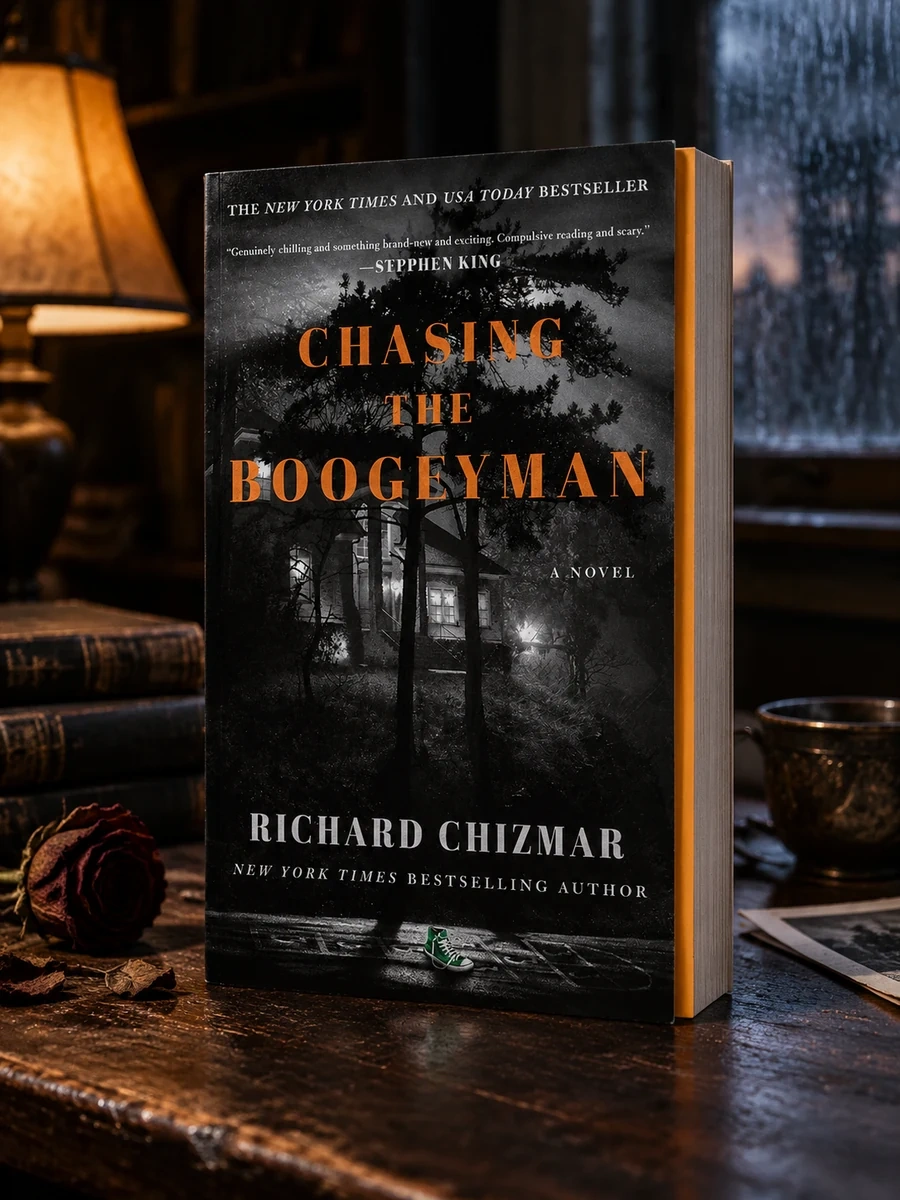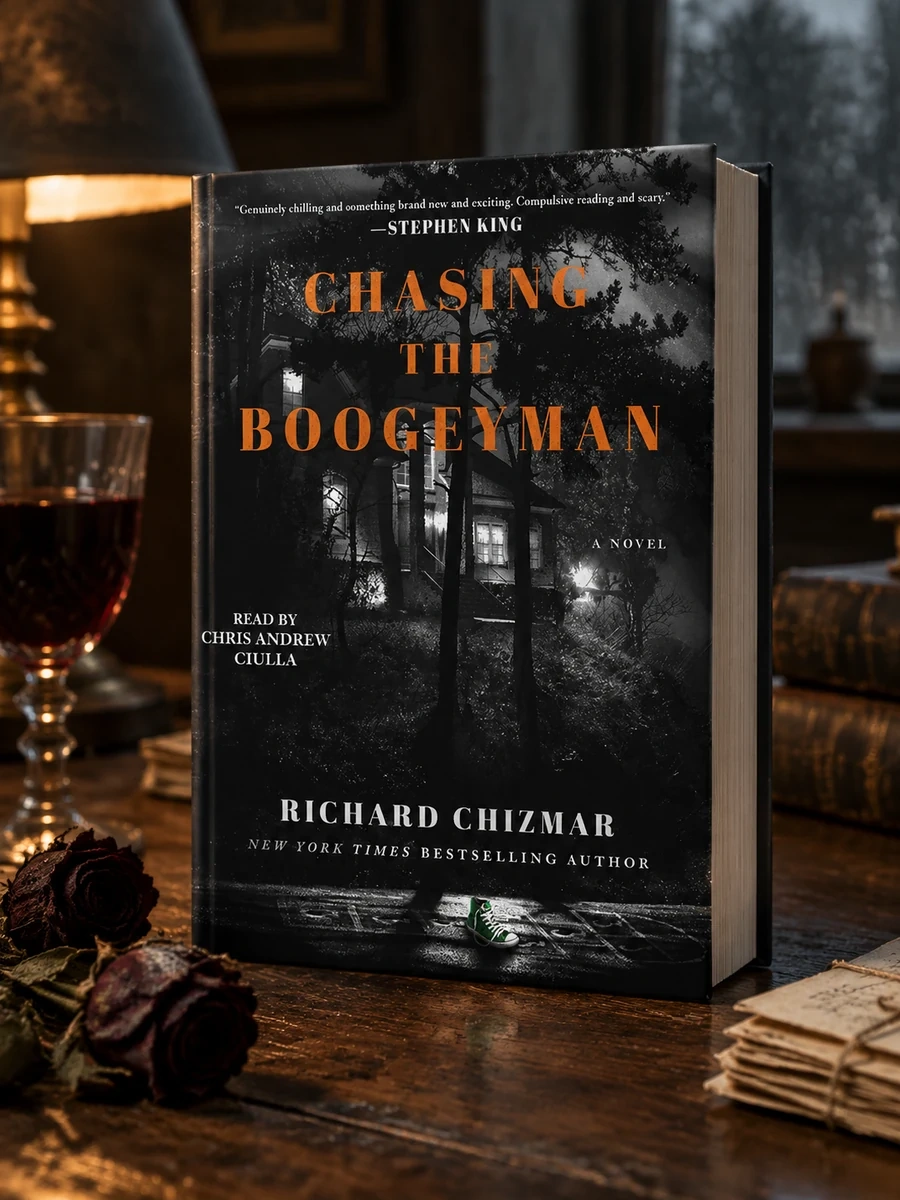

Chasing the Boogeyman
A memoir of suburban terror and supernatural rumors in 1988 Maryland.
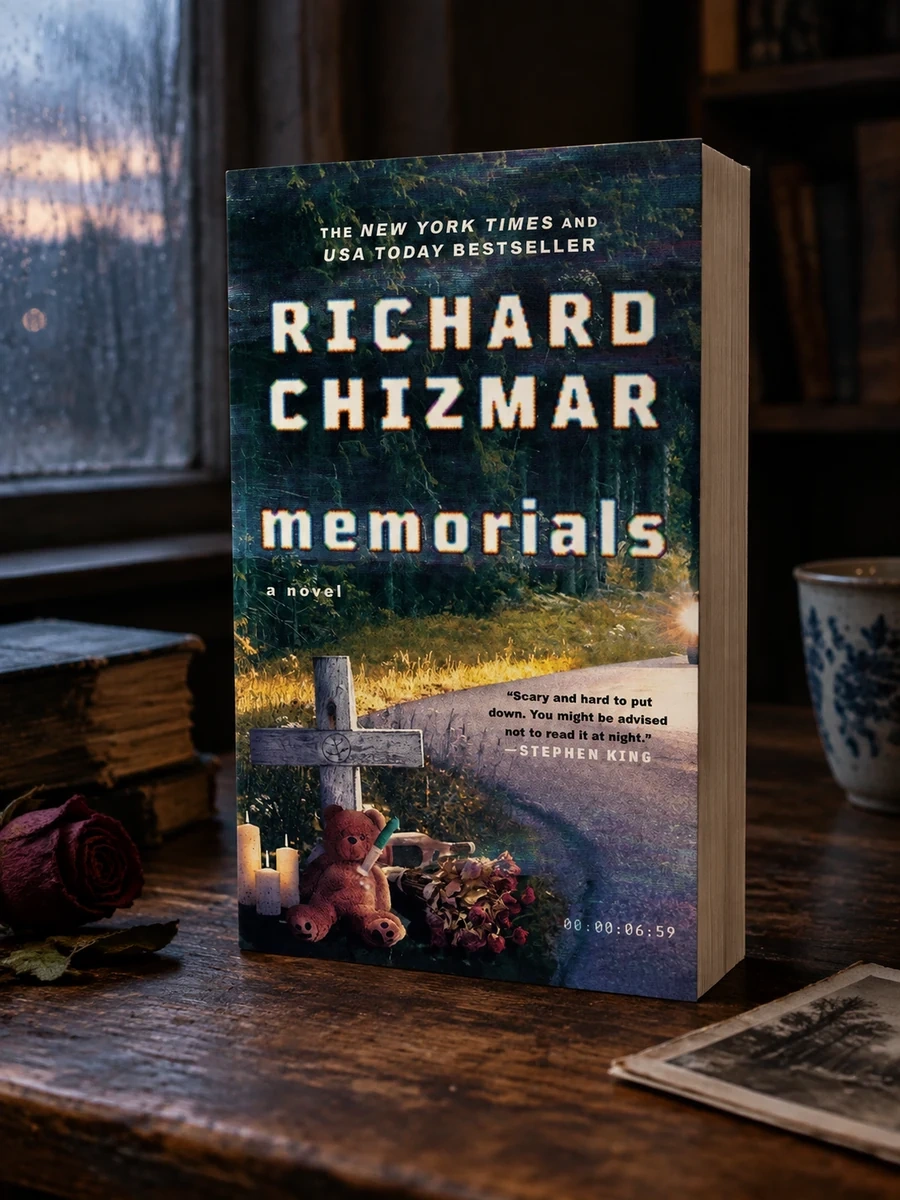
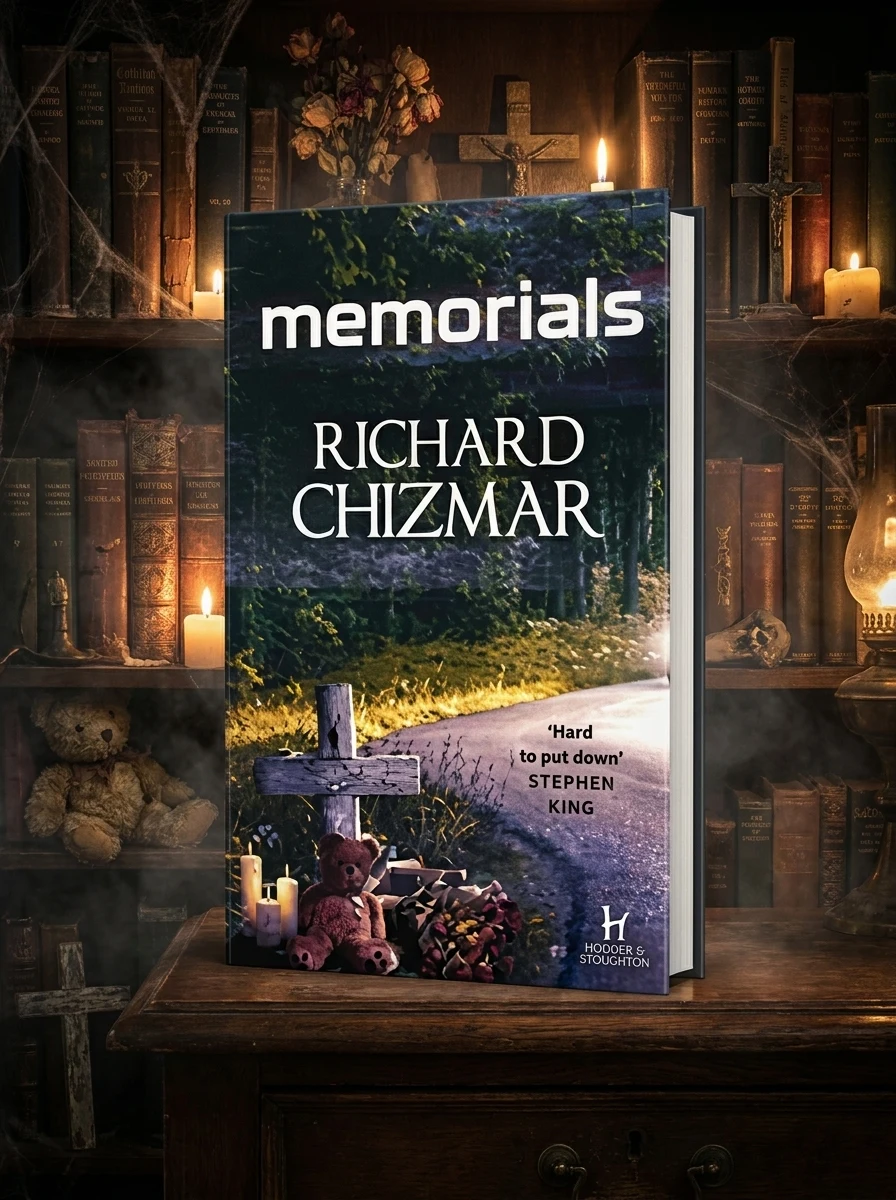
Chizmar returns home during a crisis. He witnesses the discovery of mutilated bodies. Police suspect a killer. Rumors claim a non-human evil stalks teens. A curfew begins. A neighborhood watch forms. Chizmar prepares for his wedding and starts writing. He records the terror. He does not know it will haunt him later. The book blends personal history with genre fiction traditions. It shows how fear alters a community. It highlights the power of rumor. It connects real events to supernatural lore. The narrative is driven by immediate experience. It avoids fictional embellishment. It focuses on the psychological weight of the events. Chizmar’s perspective is unique because he lived it. He was both victim and chronicler. The text reflects on the lasting impact of that summer. It does not offer easy answers. It presents a raw account of fear.
The narrative is set in a small Maryland town during the summer of 1988. Chizmar returns to his hometown as a recent college graduate. The period sees a curfew and neighborhood watch formation. The events involve mutilated bodies of missing girls. The story blends true crime with gothic fiction traditions.


📝 Description: Chasing the Boogeyman
💎 Our verdict on Chasing the Boogeyman
📖 Why choose it
Why this book is worth reading
This book is essential for readers who appreciate the raw, unfiltered psychological weight of fear rather than polished fictional narratives. It offers a unique perspective on how rumors and panic can transform a quiet suburb into a landscape of dread, making it ideal for those interested in the sociology of horror. Readers who enjoy accounts where the boundary between reality and supernatural lore dissolves will find profound engagement here. It is not suitable for those seeking detached historical analysis or purely fictional escapism, but rather for those willing to confront the lasting impact of trauma through a lens that blends personal history with genre fiction traditions.
⭐ Reader reviews
Reader rating
Chizmar delivers a haunting chronicle that effectively bridges the gap between true crime and gothic fiction. By positioning himself as both victim and chronicler, he provides an intimate look at how terror alters community dynamics during a crisis. The narrative’s strength lies in its refusal to offer easy answers, instead focusing on the immediate, visceral experience of living through suburban horror. This approach creates a compelling atmosphere where supernatural rumors feel dangerously plausible. While it may disappoint readers seeking traditional plot-driven fiction, it succeeds brilliantly as a grounded examination of fear’s spread. It is a vital text for understanding how real events can haunt individuals long after they have passed.