A Gathering of Evil
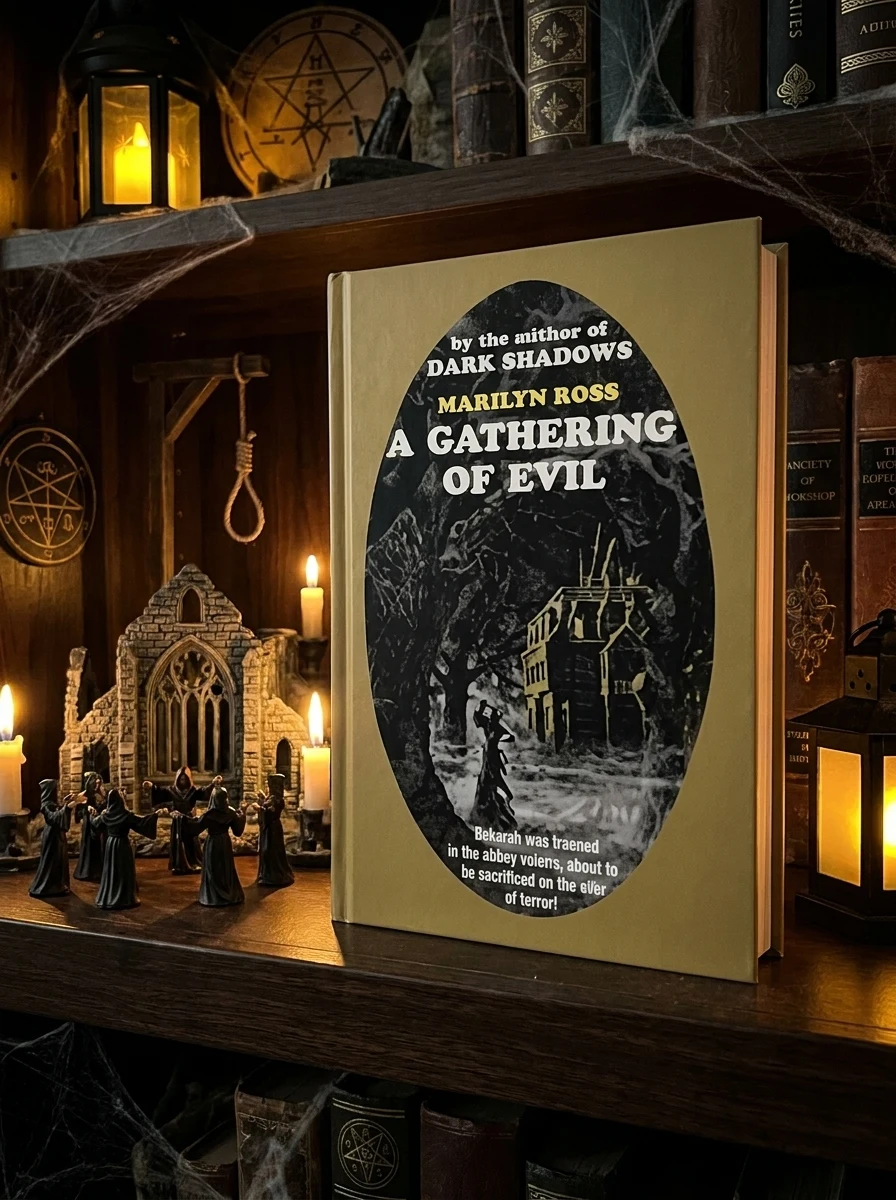
A woman faces demonic witches in a ruined abbey while hunting her sister's killer.
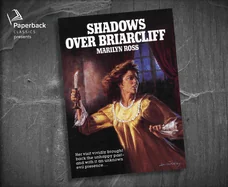
Deborah Foster arrives at a desolate abbey hoping to solve her sister's murder. Instead, she walks into a trap set by devil worshippers. The site has become a center for dark rituals and terror. Witches weave an unholy spell that controls Deborah's movements. She cannot escape the circle forming around her. Panic sets in as she realizes she is the intended sacrifice. A noose threatens her life during this night of evil. Ross uses simple, direct prose to convey the immediate danger. The story focuses on physical peril and supernatural coercion. There is little backstory provided about the characters before this moment. The tension arises from Deborah's inability to resist the spell. The narrative moves quickly toward the climax of the ritual. This approach keeps the reader focused on the present threat.
This Paperback Classics edition from 2021 republishes a mid-century horror tale. It reflects the era's fascination with occultism and rural gothic settings. The ruined abbey setting draws on traditional English gothic tropes popular in twentieth century pulp fiction.


📝 Description: A Gathering of Evil
💎 Our verdict on A Gathering of Evil
📖 Why choose it
Why this book is worth reading
Readers seeking straightforward, high-tension horror narratives will find this title compelling. It appeals to those who enjoy classic supernatural thrillers where the atmosphere and immediate danger drive the plot rather than deep character studies. Fans of gothic traditions involving cursed locations and occult dangers will appreciate the clear stakes and atmospheric dread. The book suits audiences looking for a quick, visceral read focused on physical peril and ritualistic violence without the need for extensive backstory or modern psychological analysis. It offers a pure experience of supernatural coercion and terror.
⭐ Reader reviews
Reader rating
Marilyn Ross delivers a focused narrative where Deborah Foster confronts demonic witches in a ruined abbey. The text excels at conveying immediate danger through simple, direct prose, keeping readers anchored in the present threat. The tension arises from the protagonist's inability to resist the spell, creating a palpable sense of dread. While it lacks complex character development, this approach effectively maintains focus on the unfolding ritual and physical peril. The work is best suited for readers who prefer atmospheric horror and straightforward plots over literary complexity or modern psychological depth. It stands as a solid example of classic supernatural thriller conventions.