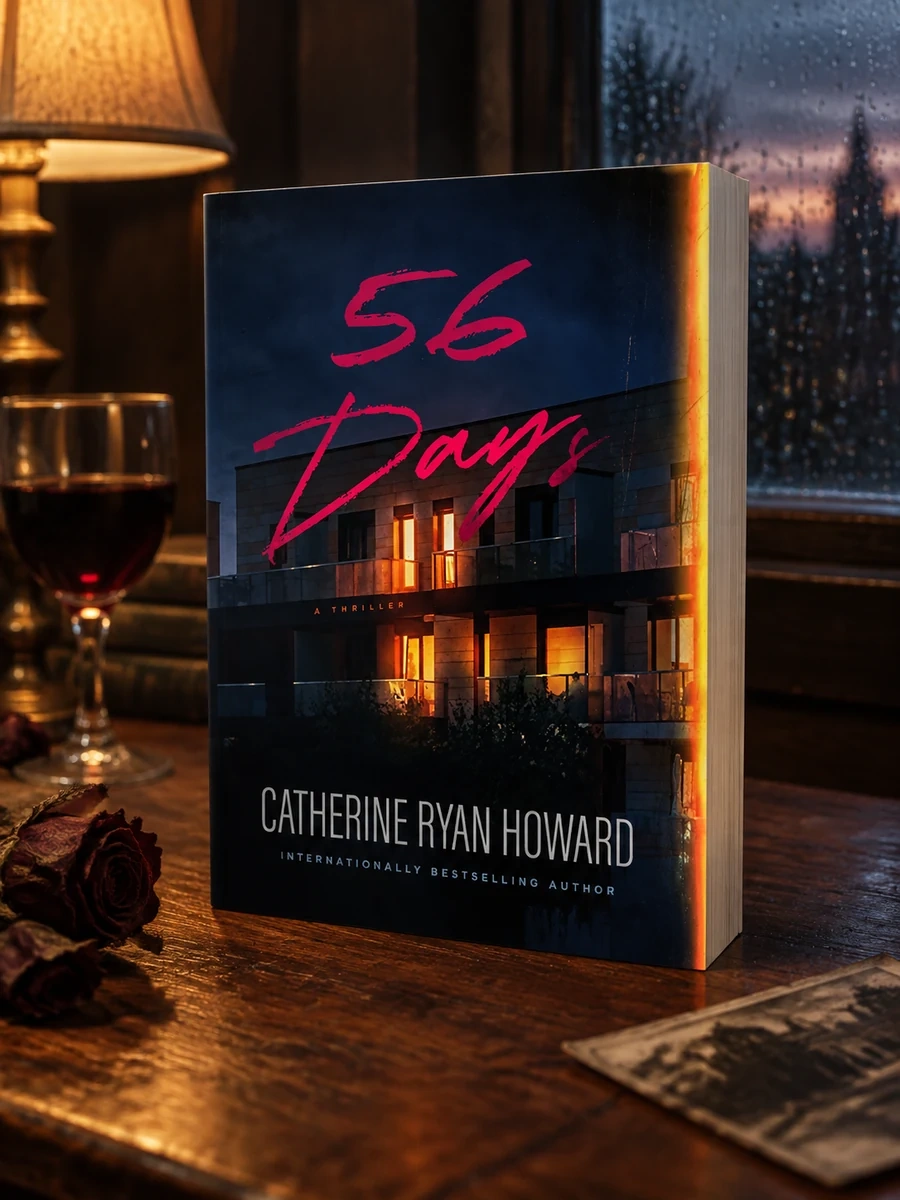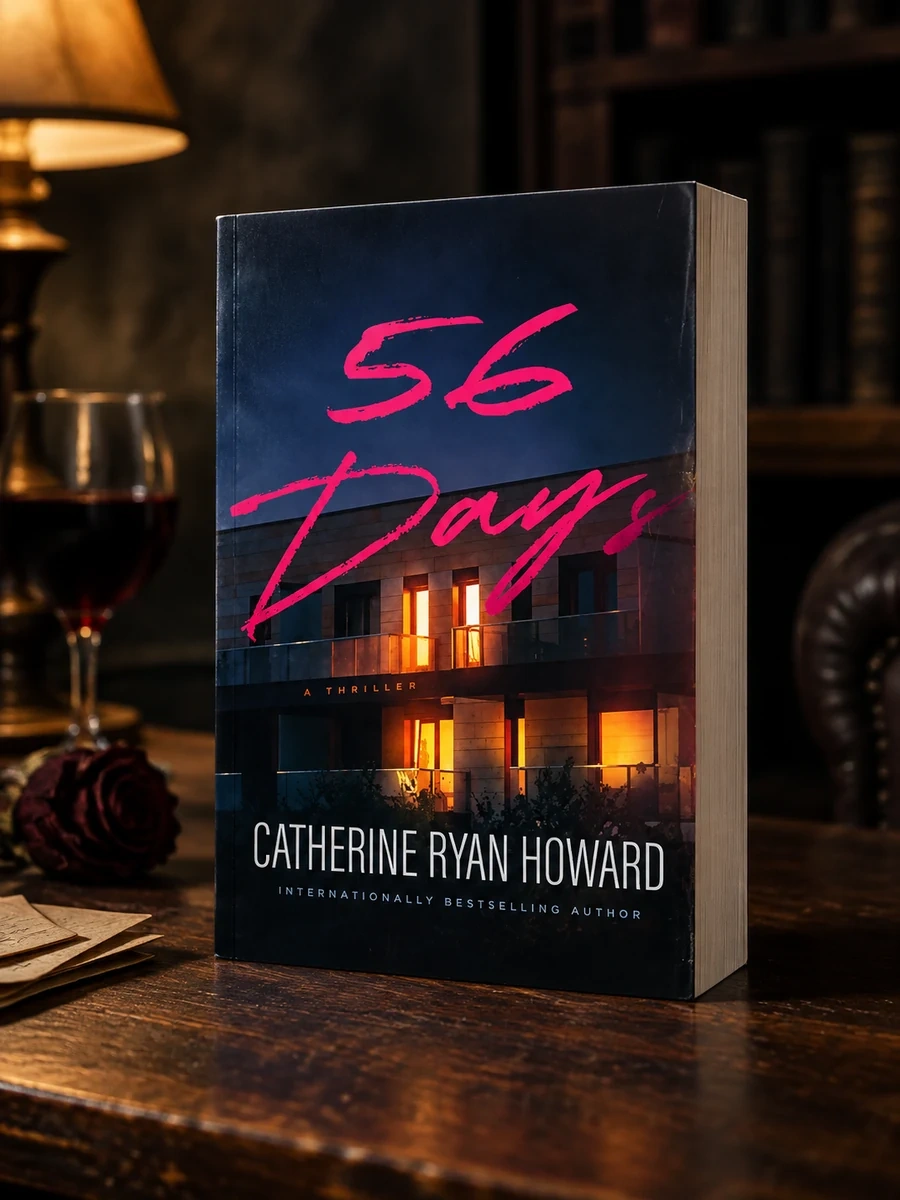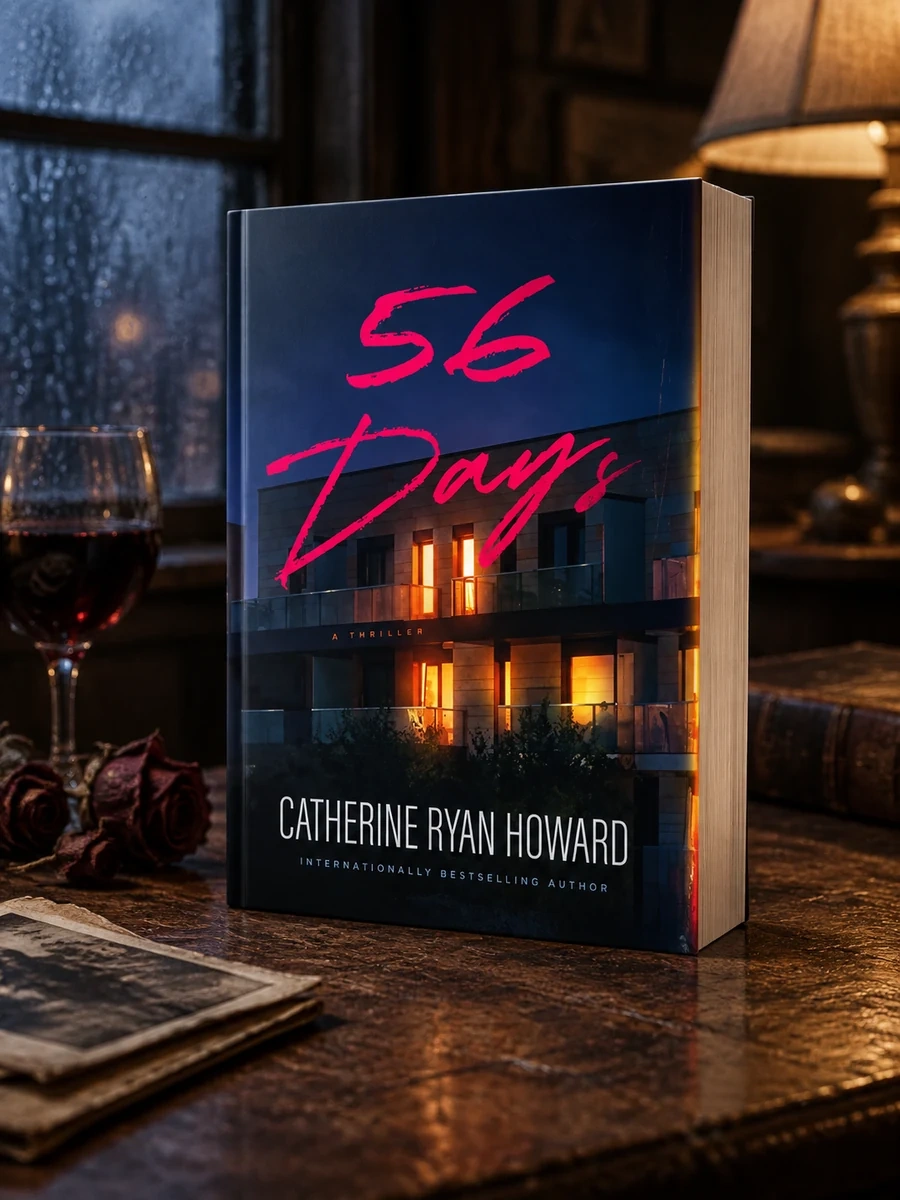

56 Days
A lockdown romance turns deadly in this Dublin-set thriller about hidden identities.
The story tracks a couple's rapid intimacy during early Irish lockdowns. Ciara believes she is building a future with Oliver, while he plans to hide his past. The narrative uses precise day counts to show the relationship's growth and subsequent collapse. When police find a corpse in their shared home, the timeline reveals how isolation enabled a perfect crime. The book examines the fragility of trust when external social controls vanish.
The narrative is set in Dublin, Ireland, during the early stages of the COVID-19 pandemic. It reflects the specific social conditions of Irish lockdowns in 2021, where strict measures forced couples into close quarters and altered how relationships formed and were observed by society.


📝 Description: 56 Days
💎 Our verdict on 56 Days
📖 Why choose it
Why this book is worth reading
Readers who appreciate intricate domestic suspense and psychological manipulation will find this narrative compelling. The book offers a chilling exploration of how isolation can facilitate deception, making it ideal for those interested in the mechanics of hidden identities and the fragility of trust under pressure. It appeals to audiences seeking a thriller that relies on psychological tension rather than supernatural elements or traditional gothic atmospheres. The unique structural approach using specific time markers adds a layer of forensic precision to the unfolding drama, engaging readers who enjoy piecing together the timeline of a relationship’s collapse within a confined space.
⭐ Reader reviews
Reader rating
Catherine Howard delivers a tense examination of intimacy weaponized by isolation. By anchoring the narrative in the context of Dublin’s early pandemic lockdowns, she creates a claustrophobic atmosphere where trust disintegrates rapidly. The reliance on precise day counts rather than traditional chapters heightens the sense of impending doom, mirroring the countdown to discovery. This structure effectively underscores how external social controls vanish during crises, allowing criminal behavior to flourish unnoticed. The book is best suited for fans of psychological thrillers who prioritize character psychology and plot mechanics over supernatural horror. It successfully merges the domestic suspense genre with the eerie reality of modern isolation, offering a sharp critique of human nature when societal norms are stripped away.