A Haunting: The Horror on Rue Lane
Currently unavailable
This book is sold out right now. Leave your email — we'll let you know if it comes back, and you'll get 10% off any book today.
In stock now — readers of this book also loved:


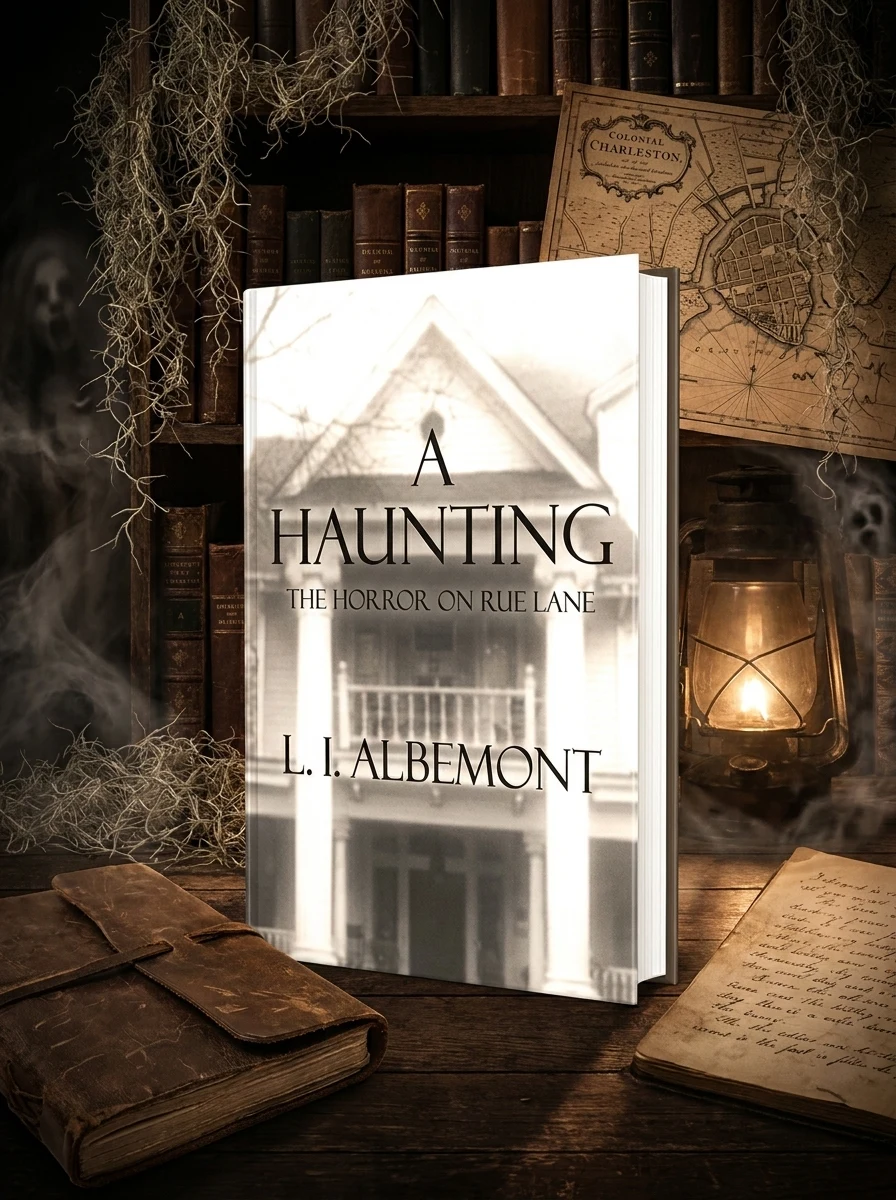
A dual-timeline ghost story set in a historic Charleston townhouse by L I Albemont
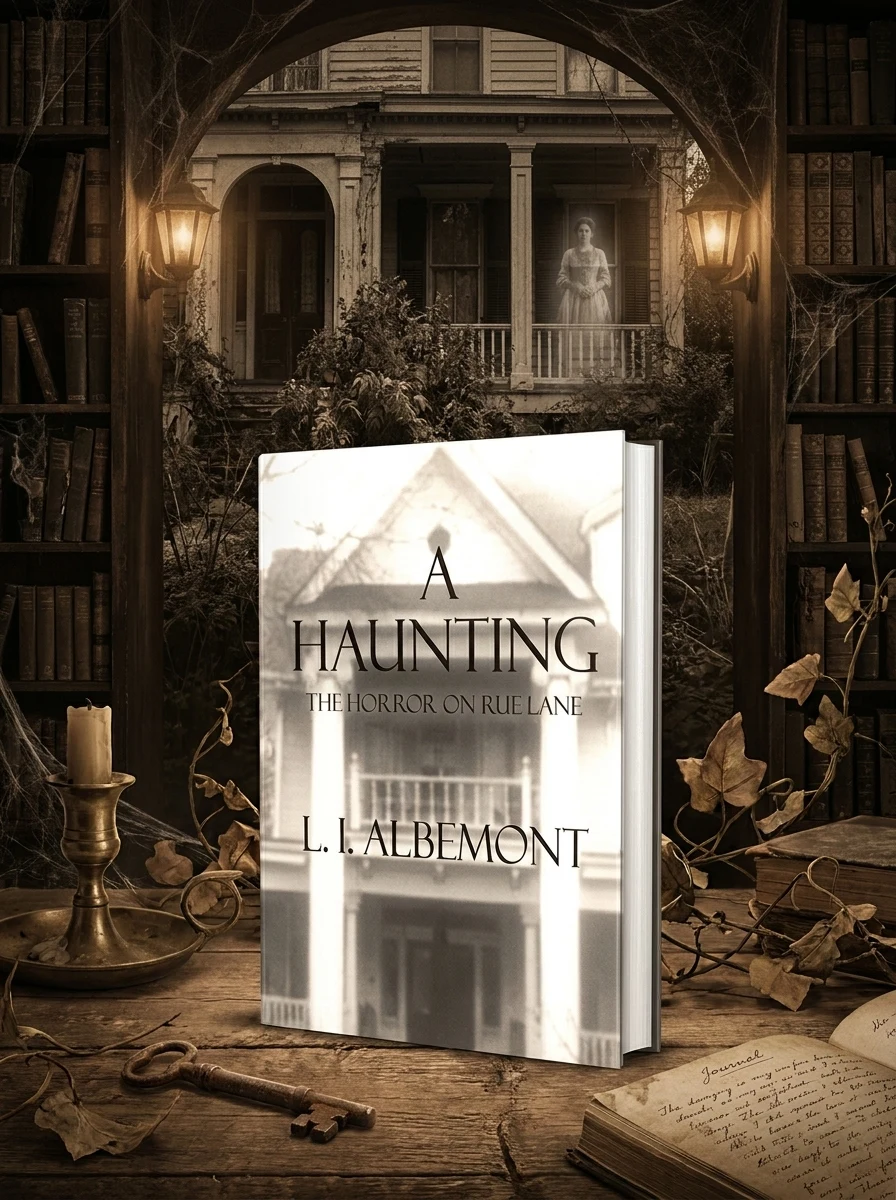
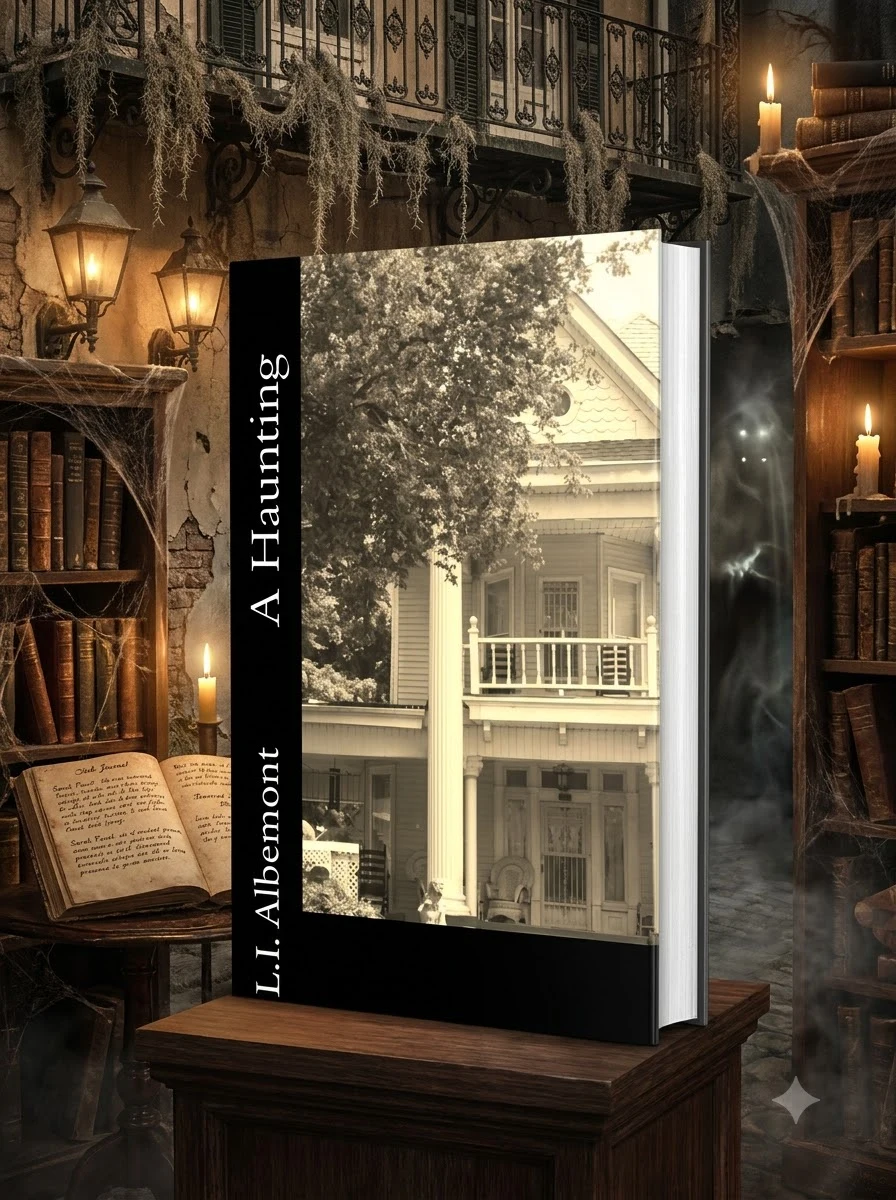
The narrative follows Sarah Faust as she moves into a three-hundred-year-old home on Rue Lane. The property sits in Charleston, a port city known for its deep history. Albemont uses this setting to explore the intersection of colonial past and modern life. The story reveals that the house holds entities from centuries ago that still influence current events. This structure allows the author to compare historical fears with contemporary anxieties. The result is a layered tale where the boundary between eras blurs. The focus remains on the psychological impact of living in a space filled with unresolved history.
The book is set in Charleston, a historic port city in the United States. It draws on colonial era traditions and gothic fiction styles. The narrative bridges three hundred years of history within a single location. This context highlights the enduring nature of supernatural folklore in American urban settings.


📝 Description: A Haunting: The Horror on Rue Lane
💎 Our verdict on A Haunting: The Horror on Rue Lane
📖 Why choose it
Why this book is worth reading
Readers who appreciate atmospheric dread and psychological depth will find this book rewarding. It appeals to those interested in how historical fears manifest in modern life, offering a layered narrative that blurs the boundaries between eras. The dual-timeline structure allows for a comparison of colonial anxieties with contemporary ones, creating a unique perspective on inherited trauma. Fans of slow-burn horror who prefer unease over jump scares will enjoy the detailed settings and complex character motivations. It is ideal for those seeking to understand the physical manifestation of grief within a historic context.
⭐ Reader reviews
Reader rating
Albemont constructs a compelling narrative that bridges colonial events with contemporary experiences, weaving parallel tales into a cohesive ghost story. The book excels in creating an atmosphere of lingering unease through its focus on psychological weight rather than explicit horror. By alternating timelines, the author demonstrates how old wounds reopen in modern times, offering a thoughtful examination of history’s repetition. This approach suits readers who enjoy historical fiction blended with the supernatural. Those seeking fast-paced action may find it slow, but lovers of gothic tradition and detailed character work will appreciate the nuanced exploration of unresolved history.