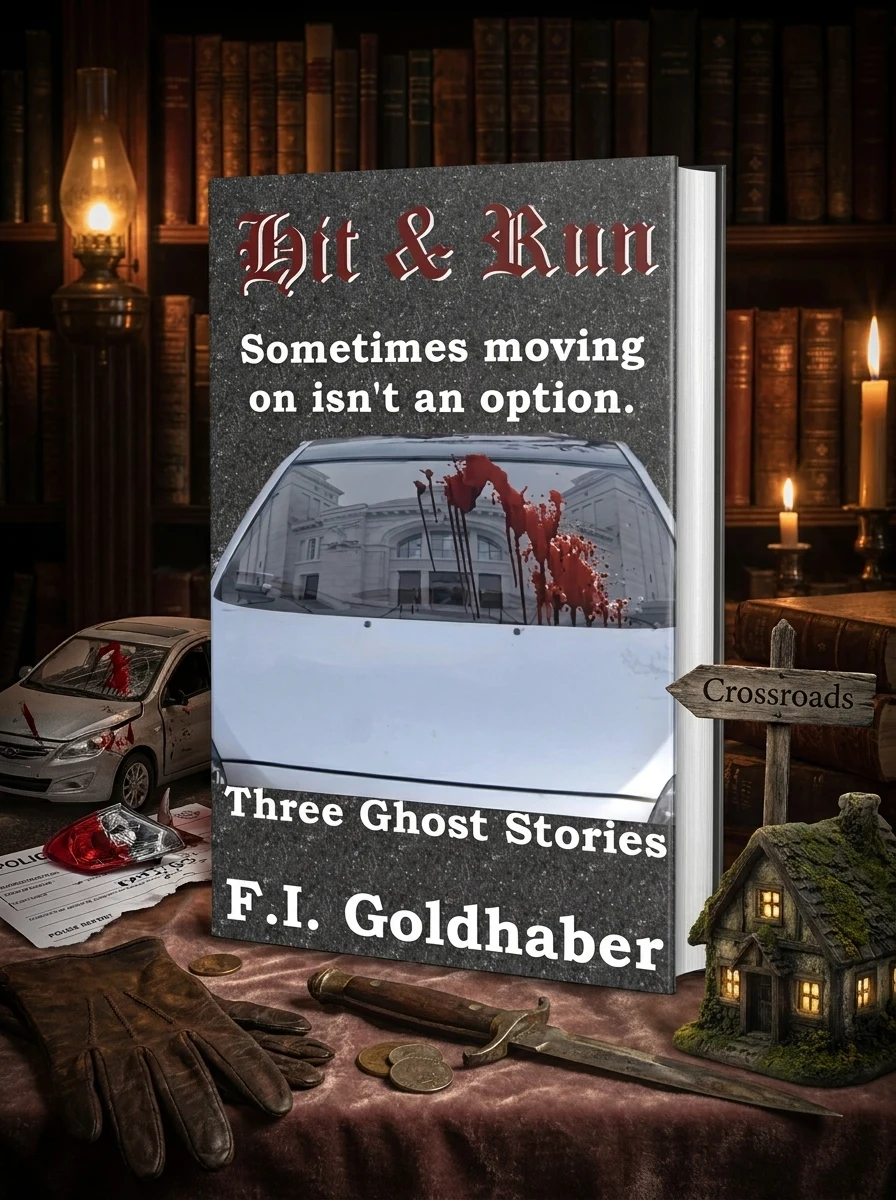
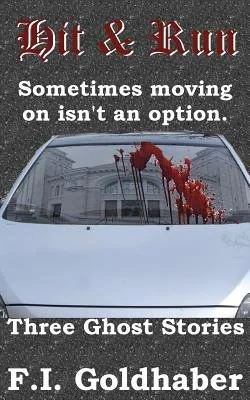
Hit & Run: Three Ghost Stories
A trio of ghost stories by F I Goldhaber about inescapable pasts.
Goldhaber uses three separate plots to examine how history intrudes on the present. Robert Linden cannot forget his previous night. James bribes killers to stop their voices. Three women find dangerous shelter. The work focuses on immediate supernatural consequences rather than slow-building dread. Each story isolates a specific type of haunting, from personal guilt to ancestral debt to spatial entrapment. The author avoids elaborate backstories, preferring direct confrontation with the uncanny. This approach creates a compact reading experience for those who prefer short fiction formats.
This 2014 release from Fantastic Worlds Publishing fits within the contemporary American horror tradition. It revives classic ghost story structures for modern readers. The work reflects a period where short fiction collections gained renewed interest in independent publishing.


📝 Description: Hit & Run: Three Ghost Stories
💎 Our verdict on Hit & Run: Three Ghost Stories
📖 Why choose it
Why this book is worth reading
Readers who prefer short, impactful supernatural tales will find value in this compact volume. Those interested in themes of ancestral guilt, historical violence, and spatial entrapment will appreciate the direct confrontation with the uncanny. The collection is ideal for individuals who enjoy atmospheric tension without extensive character development. It offers a focused exploration of how the dead influence the living through specific, locative hauntings. Fans of ghost stories that prioritize mood over complex plotting will gain from the cohesive sense of inevitable retribution. This book serves those seeking immediate supernatural consequences rather than gradual dread. It is suitable for readers who appreciate distinct narrative structures examining the lingering presence of the dead.
⭐ Reader reviews
Reader rating
Goldhaber delivers a potent collection where history intrudes on the present through three distinct narratives. The work excels in creating unsettling scenarios where the boundary between past and present dissolves, utilizing traditional tropes to examine personal guilt and ancestral debt. By avoiding elaborate backstories, the author ensures direct confrontation with the uncanny, resulting in a compact reading experience. This approach appeals to those who favor atmospheric tension over complex plotting. The collection suits readers of ghost stories and gothic fiction who enjoy concise supernatural tales. It may not satisfy those seeking extensive character development or long-form narratives. Instead, it offers a focused look at how destinations choose their visitors and how the dead influence the living through specific hauntings.