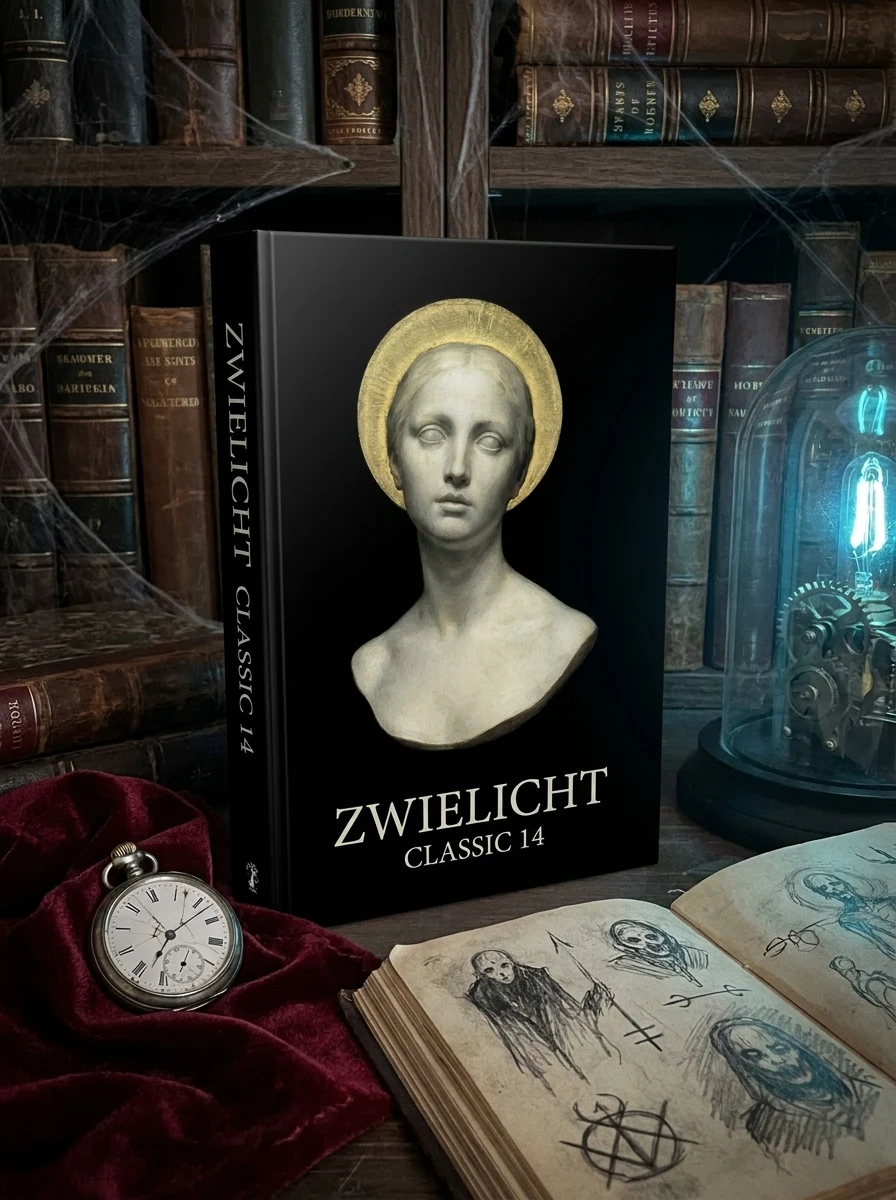
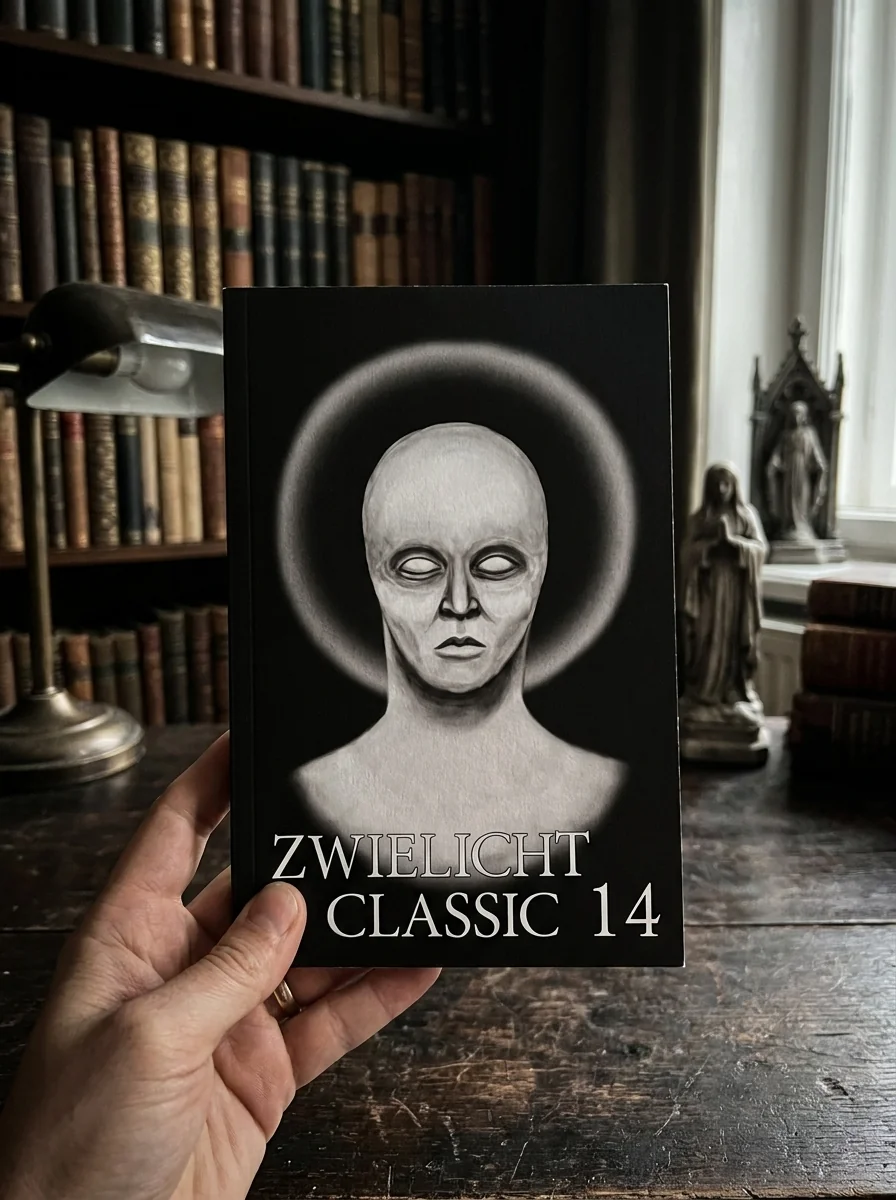
Zwielicht Classic 14
A curated anthology of German horror stories spanning from 1916 to 2018.
This volume functions as a bridge between classic and modern dark fiction. Pflug selects tales that demonstrate the enduring appeal of the uncanny. The inclusion of early works like those by Meyrink and Seidel provides historical depth. Recent stories by Jorges and Teller show the genre's continued vitality. The mix of narrative and critical writing allows for a comprehensive view of the field. Readers gain insight into how themes of death, symbiosis, and family dynamics persist across decades. The collection avoids modern commercial tropes in favor of literary tradition.
Published independently in 2018, this German-language anthology reflects a niche market for classic horror reprints. It preserves works from the Weimar era and beyond, catering to readers who value historical continuity in the genre rather than modern trends.


📝 Description: Zwielicht Classic 14
💎 Our verdict on Zwielicht Classic 14
📖 Why choose it
Why this book is worth reading
Readers seeking a deep dive into the literary heritage of German horror will find this anthology invaluable. Oliver Pflug curates a selection that avoids commercial tropes in favor of enduring narrative power, offering historical depth through early works and vitality through recent contributions. The inclusion of critical essays provides necessary context, allowing audiences to understand how themes of symbiosis and the uncanny persist across decades. It is ideal for those who appreciate the evolution of the genre and wish to explore the psychological underpinnings of fear beyond typical American supernatural thrillers. This collection offers a comprehensive view of the field, appealing to scholars and enthusiasts alike who value literary tradition over fleeting trends.
⭐ Reader reviews
Reader rating
Zwielicht Classic 14 succeeds as a vital bridge between classic and modern dark fiction, demonstrating the genre's enduring appeal through carefully selected tales. Oliver Pflug’s editorial vision ensures a diverse range of subjects, from early twentieth-century gothic pieces to contemporary narratives, all unified by a focus on the uncanny. The volume distinguishes itself by avoiding commercial clichés, instead prioritizing literary quality and historical context. It suits readers interested in the evolution of German-language horror and those who appreciate critical analysis alongside narrative content. While less suitable for audiences seeking only contemporary American supernatural thrillers or non-fiction without story, this book offers a profound insight into the persistent themes of death and family dynamics that define the tradition.
📖 Read on the blog
🏛 Books from this publisher Independently Published








You might also like
See more →

Have a question about this item?
Ask about the edition, condition, delivery or anything else — we reply by email or phone, usually within a day.
