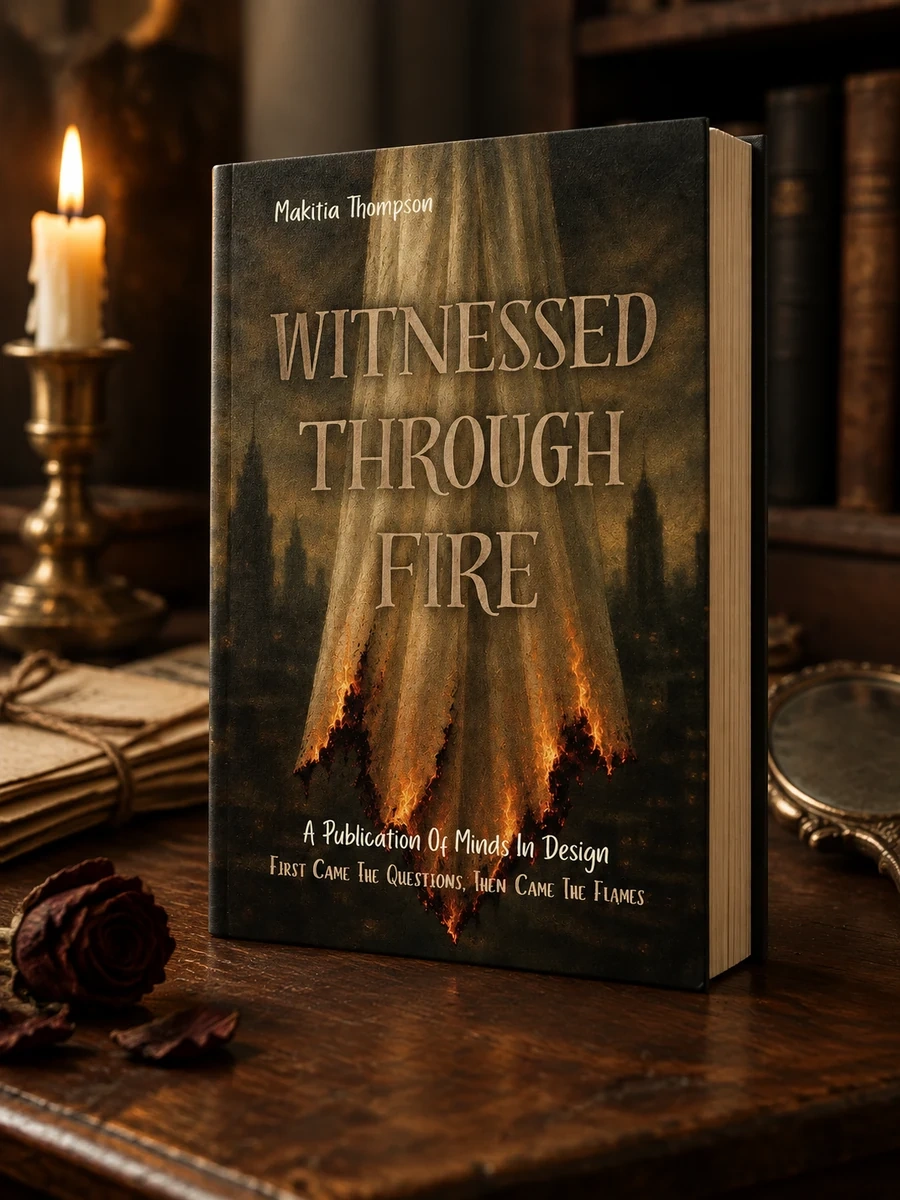
Witnessed Through Fire
A dystopian horror novel about exposing a dangerous institutional history.
Clara leaves the underground chambers of the Chapel of Witness to uncover a buried history capable of unraveling the institution's power. She carries stolen records and a book the Chapel would kill to recover. The unrest in Fairward forces her to weigh the safety of her city against the necessity of truth. Thompson explores how manipulation shapes identity and faith. The narrative avoids simple heroics, instead focusing on the heavy burden of knowledge. Clara’s journey is not about victory but about the irreversible consequences of revelation. The story highlights the danger of hidden prisons and the lives lost to silence. It asks whether exposing the past destroys the present or saves it from further decay.
This novel sits within the dystopian psychological horror genre, drawing on traditions of gothic fiction and supernatural suspense. It examines the intersection of faith and control in a fictional American setting, reflecting contemporary anxieties about institutional power and historical erasure.


📝 Description: Witnessed Through Fire
💎 Our verdict on Witnessed Through Fire
📖 Why choose it
Why this book is worth reading
Readers who appreciate complex character studies and atmospheric dread will find this novel deeply rewarding. It appeals to those interested in exploring how manipulation shapes identity and faith within oppressive societies. The book offers a rigorous examination of the heavy burden of knowledge, avoiding simple heroics in favor of psychological terror. Those seeking lighthearted escapism may find the focus on institutional control too intense, but fans of dark fantasy and true crime-adjacent realism will engage with the narrative’s exploration of hidden prisons. It is ideal for readers who want to witness the irreversible consequences of revelation and understand the danger of silence in a society built on lies.
⭐ Reader reviews
Reader rating
Thompson delivers a tense exploration of institutional power, focusing on Clara’s escape from the Chapel of Witness. The narrative avoids easy resolutions, instead presenting the terrifying cost of speaking out against established authority. By centering on stolen records and forgotten names, the book examines faith and identity within a society built on hidden prisons. The prose maintains steady tension as Clara steps out of the shadows, knowing there is no return once the truth is spoken. This approach suits readers who enjoy psychological horror over action-driven plots. It highlights the lives lost to silence, asking whether exposing the past destroys or saves the present. The story emphasizes that some fires were never meant to be extinguished, offering a grim but compelling look at the revolution beginning while the Chapel watches.
📖 Read on the blog
📖 From the series “House of Witnesses”
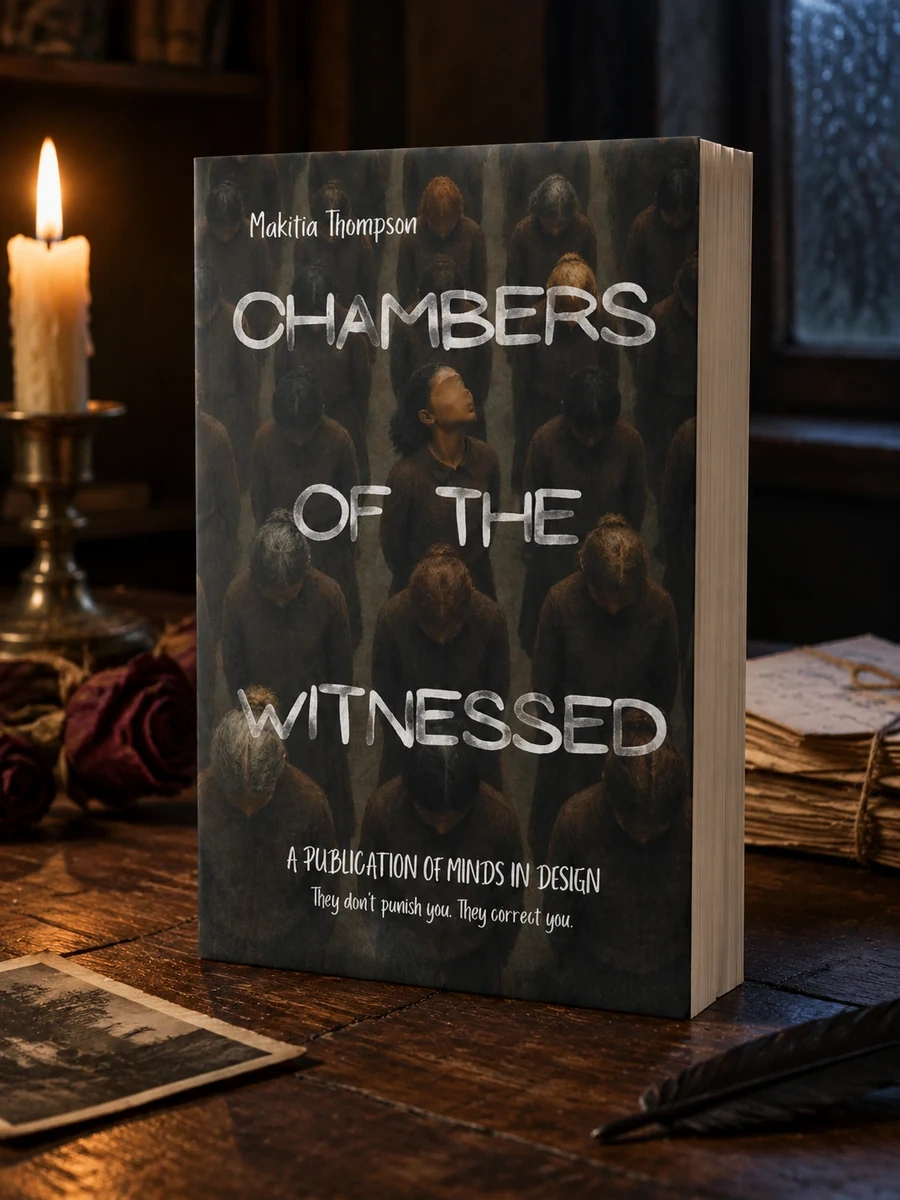


✍️ More books by this author Makitia Thompson
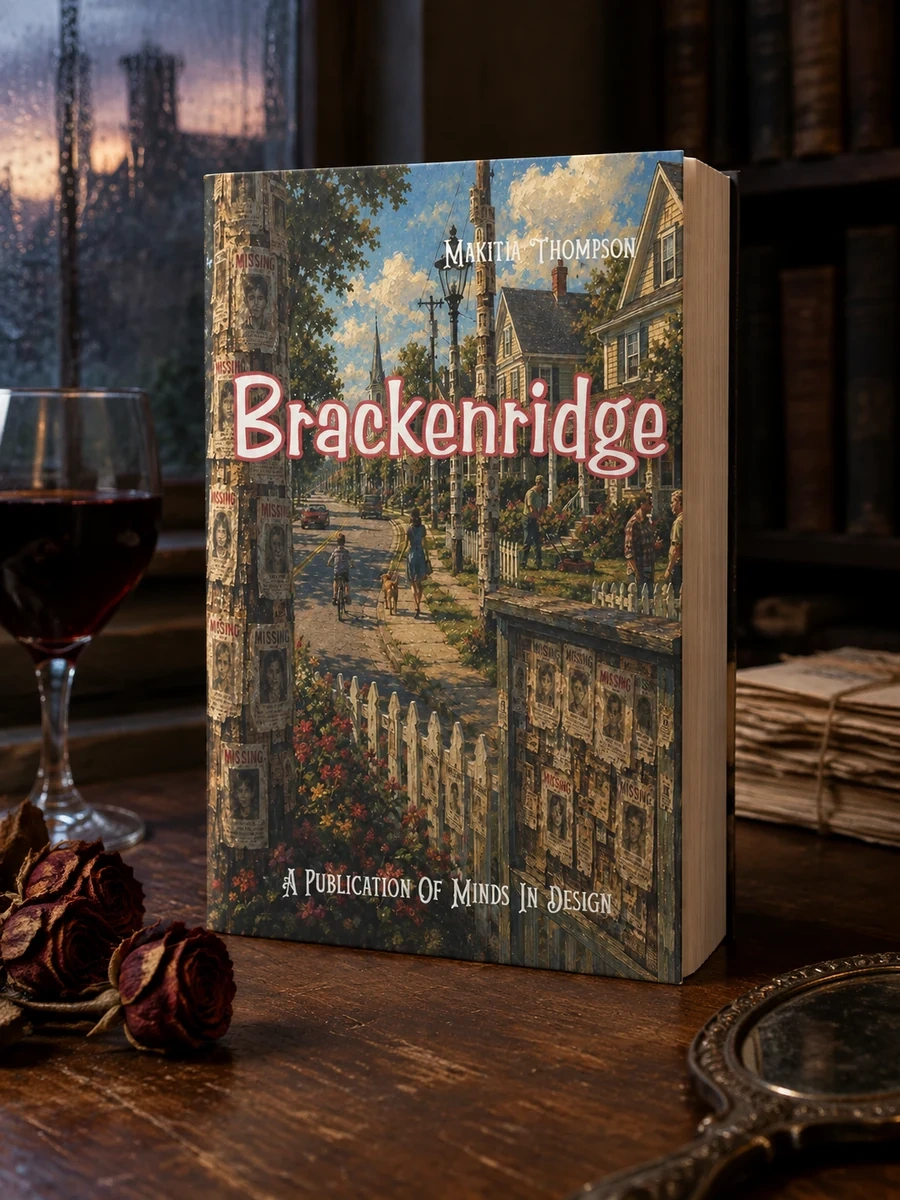
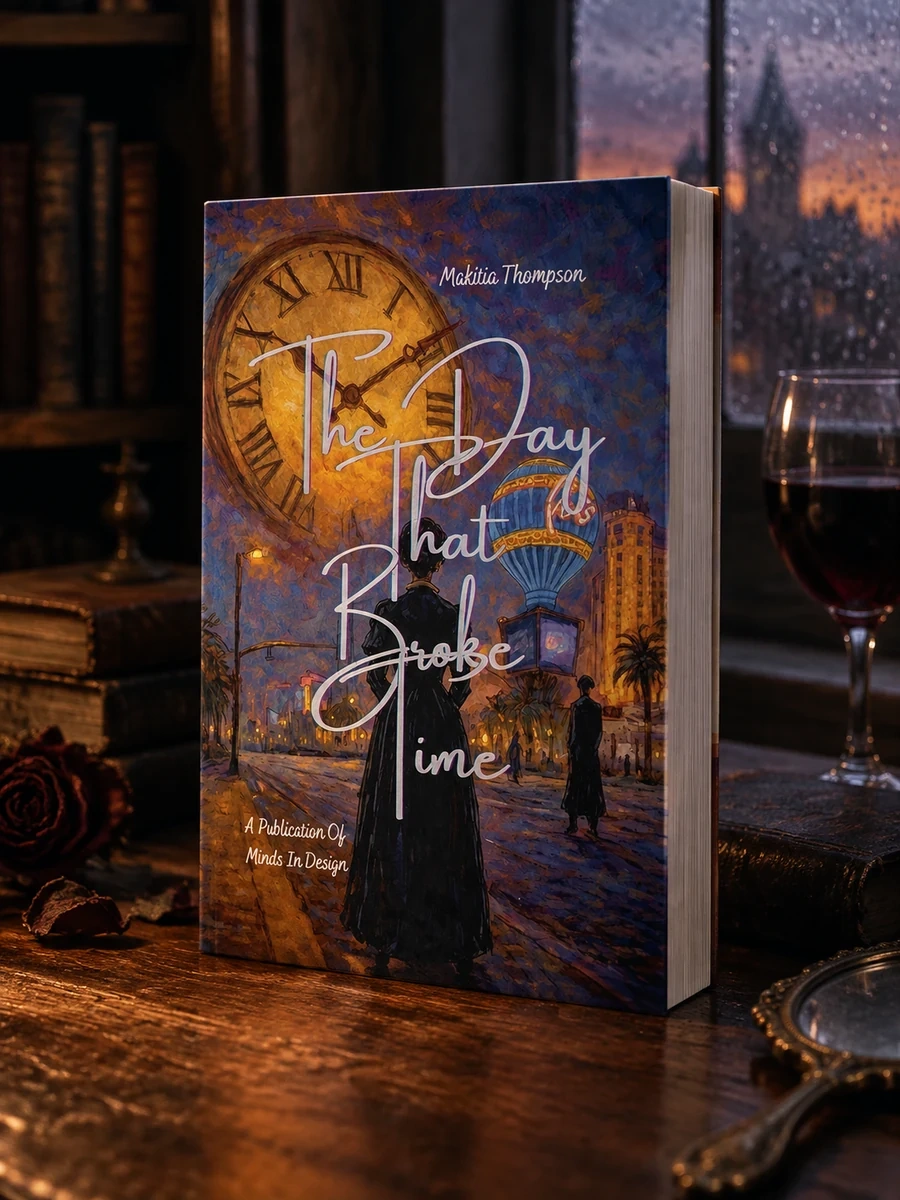
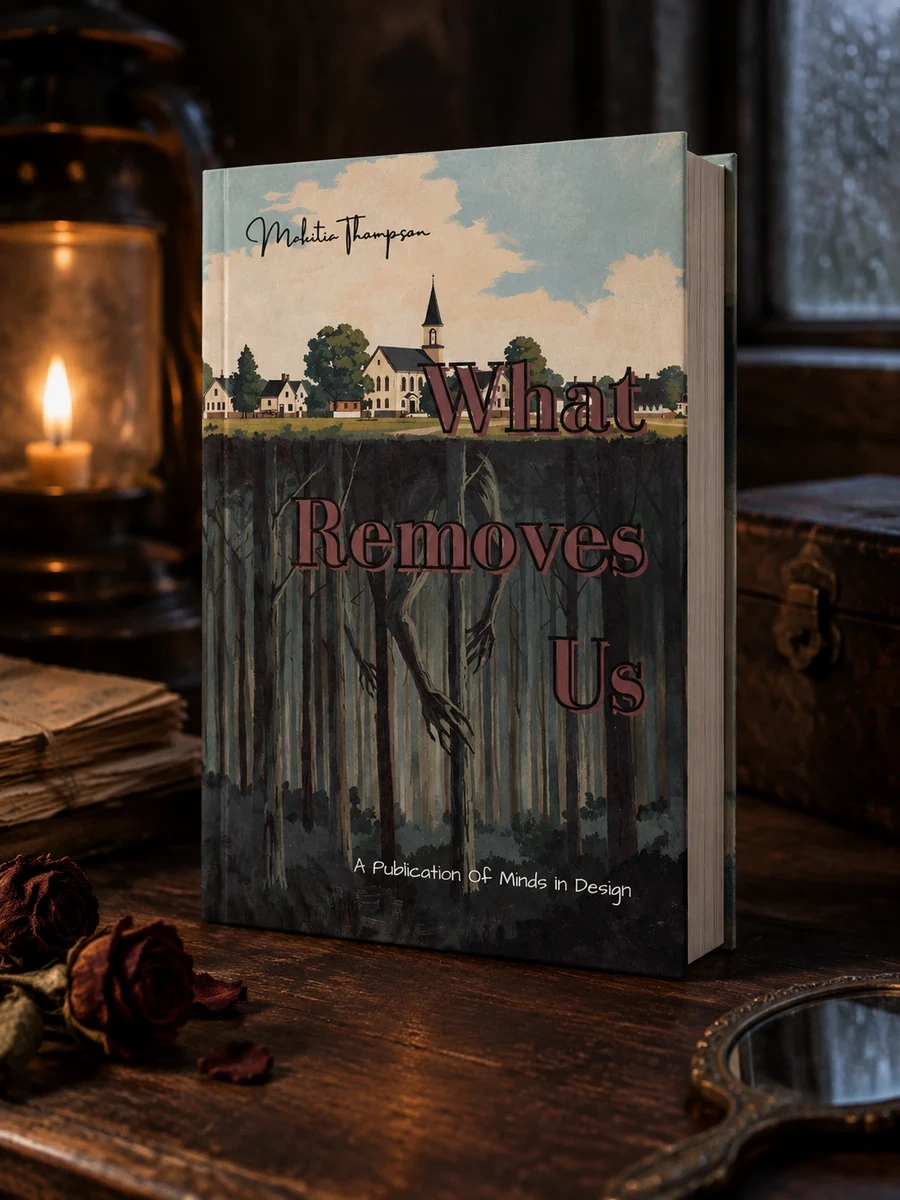
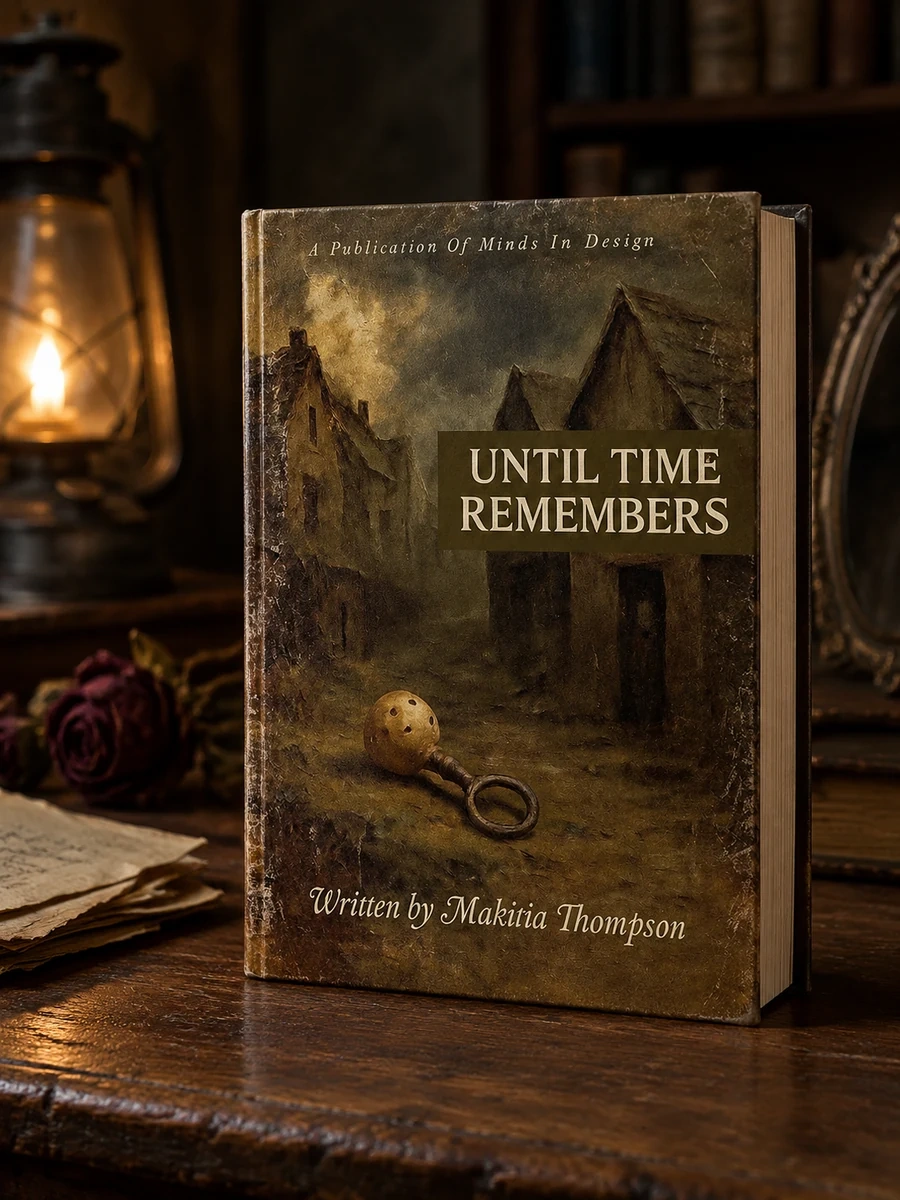
🏛 Books from this publisher Independently Published






You might also like
See more →


Have a question about this item?
Ask about the edition, condition, delivery or anything else — we reply by email or phone, usually within a day.
