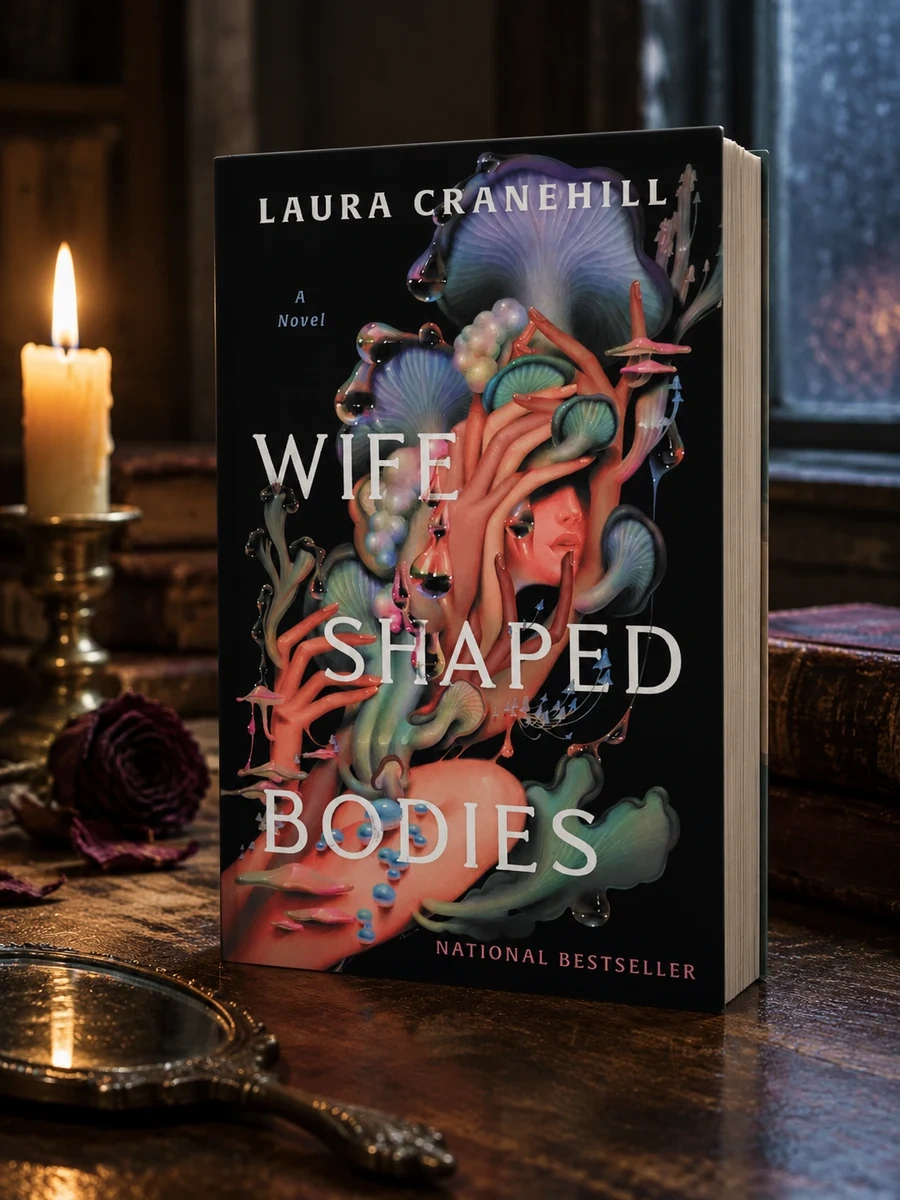
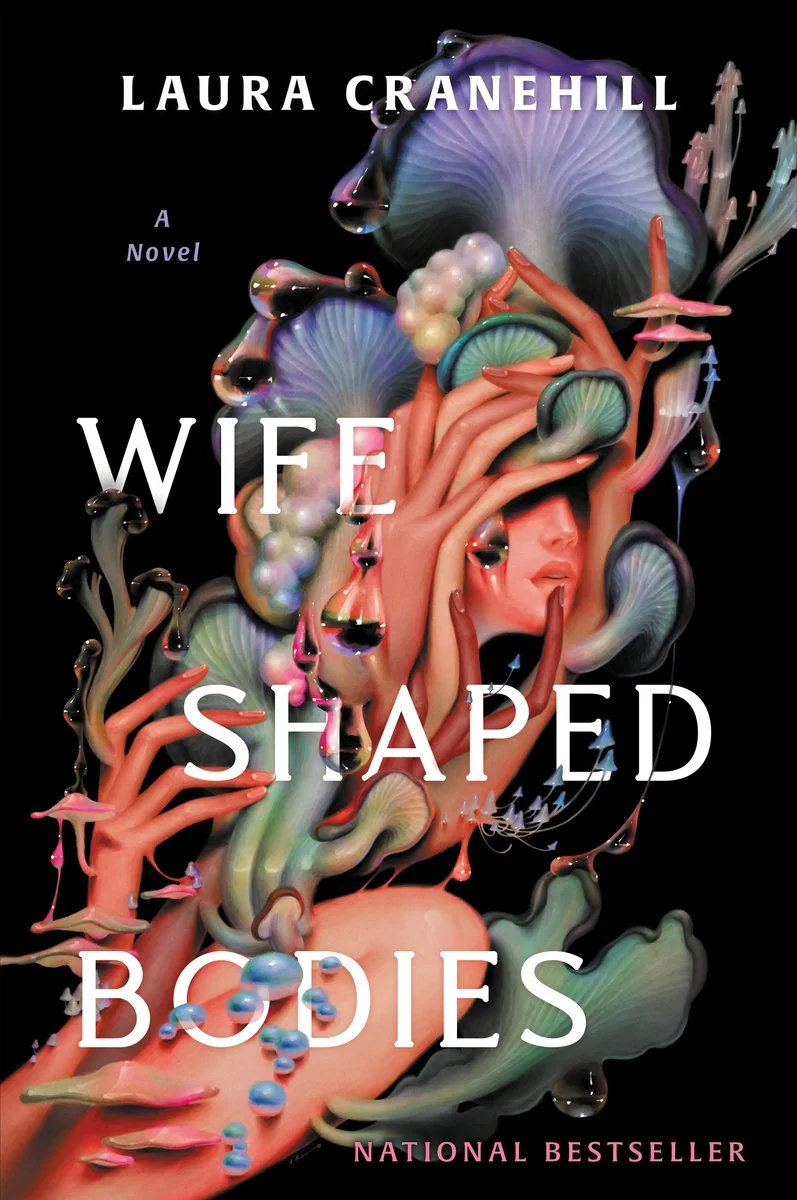
Wife Shaped Bodies
A lesbian dystopian novel about identity under control.
Laura Cranehill’s Wife Shaped Bodies merges feminist theory with dystopian horror to explore societal influence on identity. It eschews external monsters for internal dread, highlighting the crushing weight of expectations that become visceral. Rooted in gothic fiction, it offers sharp social critique regarding modern power dynamics. The narrative provides a raw examination of relationships under extreme pressure, challenging norms through an oppressive lens. This book targets readers interested in LGBTQ+ lesbian fiction and feminist dystopian tales, offering unsettling insights into survival within a broken system. Those seeking traditional horror tropes or external threats may find this psychological approach less appealing. The story lingers by questioning the self rather than providing easy answers. Cranehill creates a tense atmosphere where dread builds through internal conflict. The title appeals to those who enjoy narratives blurring social commentary and supernatural fear. It does not cater to readers preferring fast-paced action or clear moral binaries. The focus remains tightly on the internal experience of control and identity erosion. The narrative structure supports this by maintaining a consistent tone of unease throughout.
Wife Shaped Bodies sits at the intersection of feminist literature and gothic tradition. It addresses contemporary social critiques through a lens of oppression. The work reflects current discussions on identity within LGBTQ+ communities while drawing on established horror conventions to examine societal expectations.


📝 Description: Wife Shaped Bodies
💎 Our verdict on Wife Shaped Bodies
📖 Why choose it
Why this book is worth reading
Readers seeking unsettling insights into survival within broken systems will find value in this narrative. It appeals to those interested in LGBTQ+ lesbian fiction and feminist dystopian tales who desire a raw examination of relationships under extreme pressure. The book is ideal for audiences comfortable with dense social commentary that blurs the line between societal critique and supernatural fear. Those willing to engage with a consistent tone of unease will appreciate the exploration of identity erosion and control without the distraction of fast-paced action or clear moral binaries.
⭐ Reader reviews
Reader rating
Cranehill successfully merges feminist theory with dystopian horror, eschewing external monsters for visceral internal dread. The work offers a sharp social critique regarding modern power dynamics, maintaining a tense atmosphere where conflict arises from within characters rather than outside forces. This approach challenges norms through an oppressive lens, questioning the self rather than providing easy answers. It suits readers who enjoy narratives blurring social commentary and psychological fear. Those preferring traditional horror tropes or clear moral binaries may find the experience less appealing due to its focus on internal conflict and identity erosion.
📖 Read on the blog
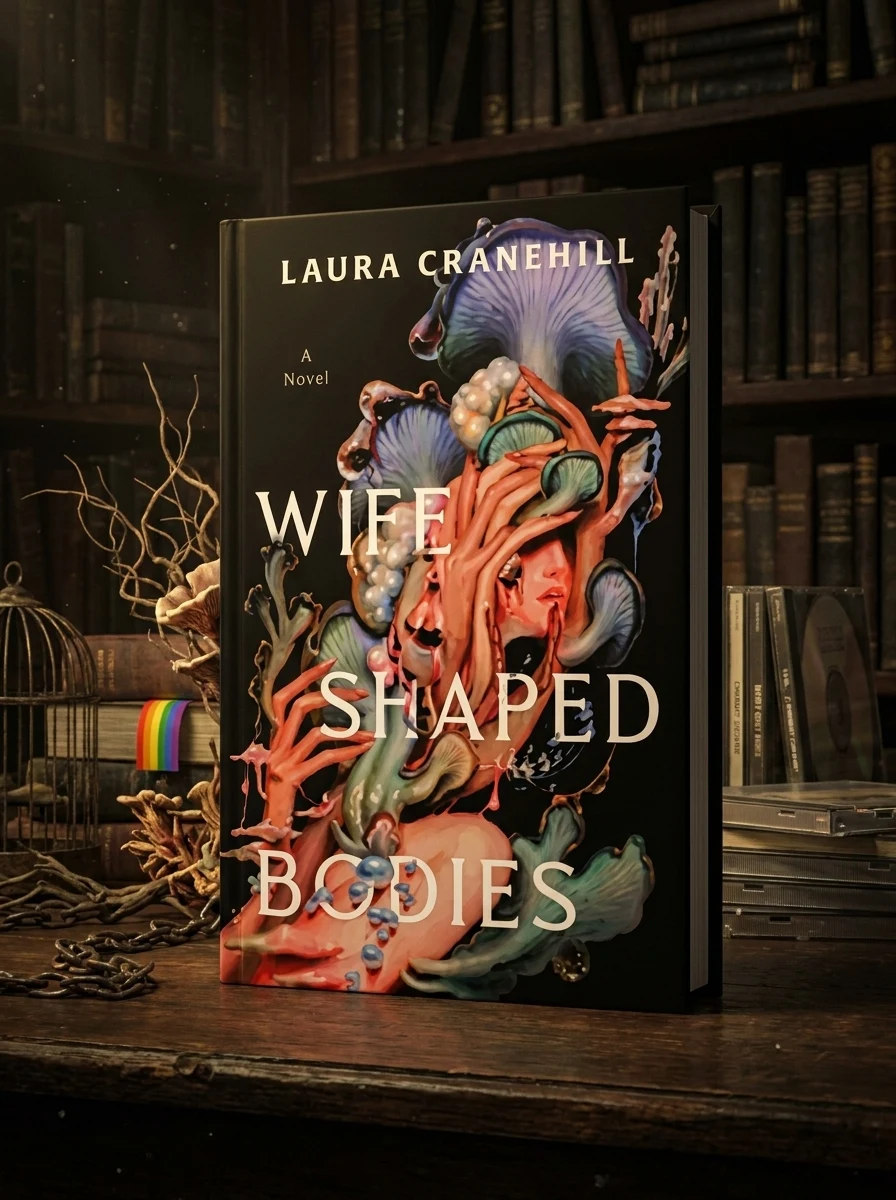
✍️ More books by this author Laura Cranehill


🏛 Books from this publisher S&s/Saga Press
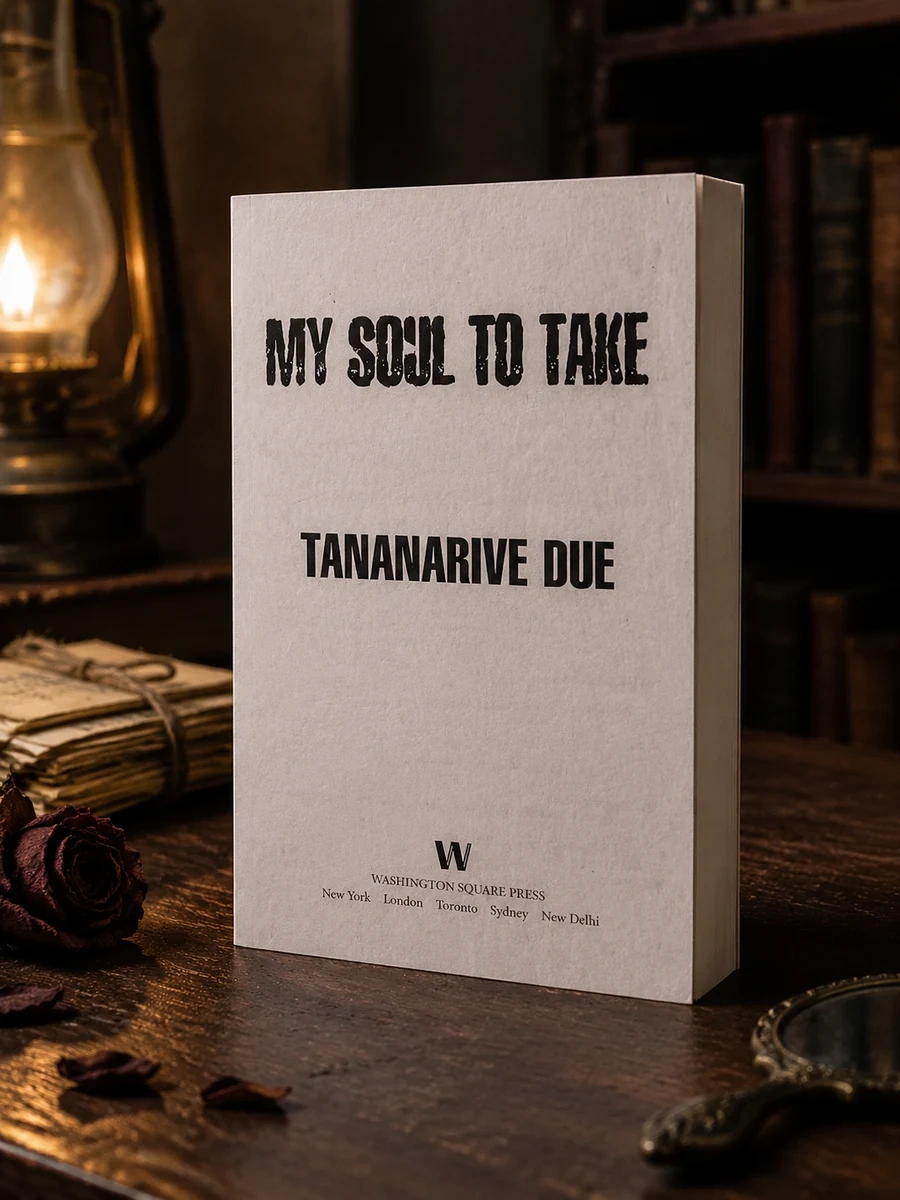
You might also like
See more →
Have a question about this item?
Ask about the edition, condition, delivery or anything else — we reply by email or phone, usually within a day.
