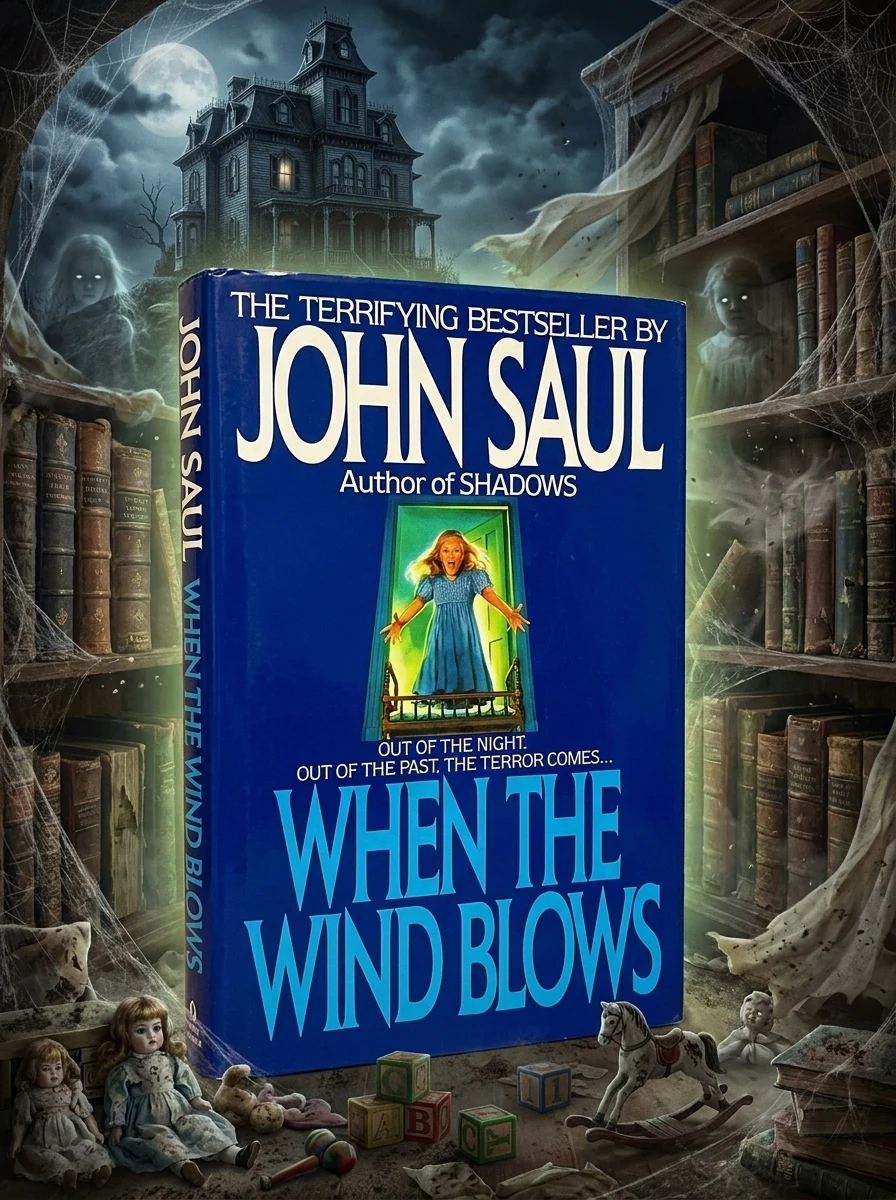

When the Wind Blows
A nine-year-old girl faces supernatural terror in a house that has rejected children for fifty years.
The plot follows Christine Lyons as she navigates life in a new home filled with silent watchers. Her experience in the third-floor nursery becomes a battle against unseen forces that have waited generations for a victim. The story does not rely on complex puzzles but on the visceral fear of being watched by entities that predate modern understanding. It is suitable for fans of traditional ghost stories who appreciate mood over mystery.
Published in 1990 by Dell, this novel reflects the late twentieth-century interest in domestic horror and the psychological impact of place. It sits within the tradition of American gothic fiction, focusing on the home as a site of supernatural dread rather than external monsters.


📝 Description: When the Wind Blows
💎 Our verdict on When the Wind Blows
📖 Why choose it
Why this book is worth reading
Readers who appreciate atmospheric horror over fast-paced action will find this narrative deeply rewarding. It suits those interested in the psychology of childhood vulnerability and the specific terror of isolation within a domestic setting. Fans of gothic traditions that utilize the house as a character will enjoy the slow-burn tension. The book offers a visceral experience of being watched by ancient, unseen forces without relying on complex puzzles or scientific explanations. It is ideal for audiences seeking mood-driven dread rooted in family dynamics and the fear of the unknown. Those who prefer suggestion over explicit gore will find the focus on psychological tension particularly effective.
⭐ Reader reviews
Reader rating
John Saul delivers a masterclass in atmospheric dread, focusing intensely on the vulnerability of a nine-year-old protagonist trapped in a hostile environment. The narrative excels in building isolation, making the third-floor nursery feel like an inescapable cage of memories. By prioritizing mood over mystery, the text creates a persistent sense of unease rather than relying on jump scares or gore. This approach ensures that the fear remains psychological and lingering. It suits readers who value traditional ghost stories and gothic tropes where the past refuses to stay buried. The slow-burn pacing demands patience but rewards it with genuine tension.
📖 Read on the blog
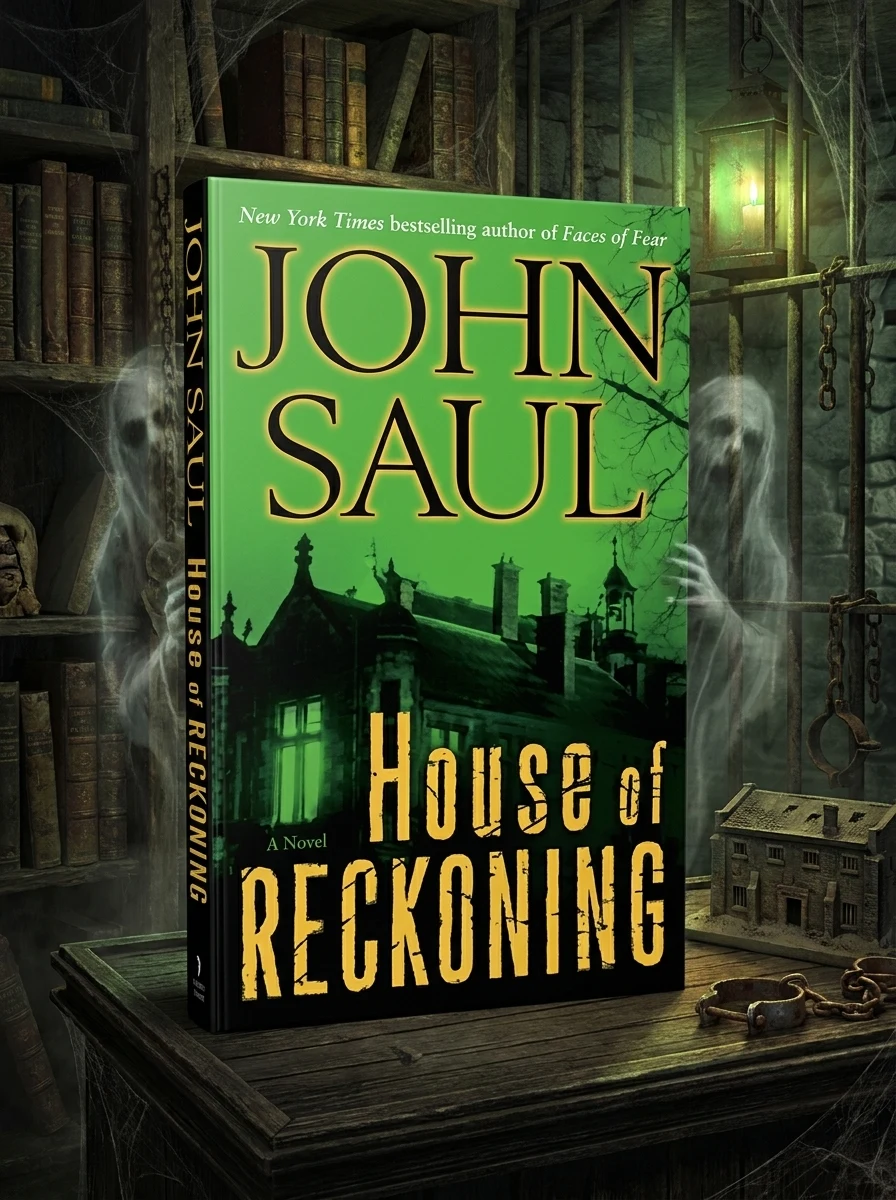
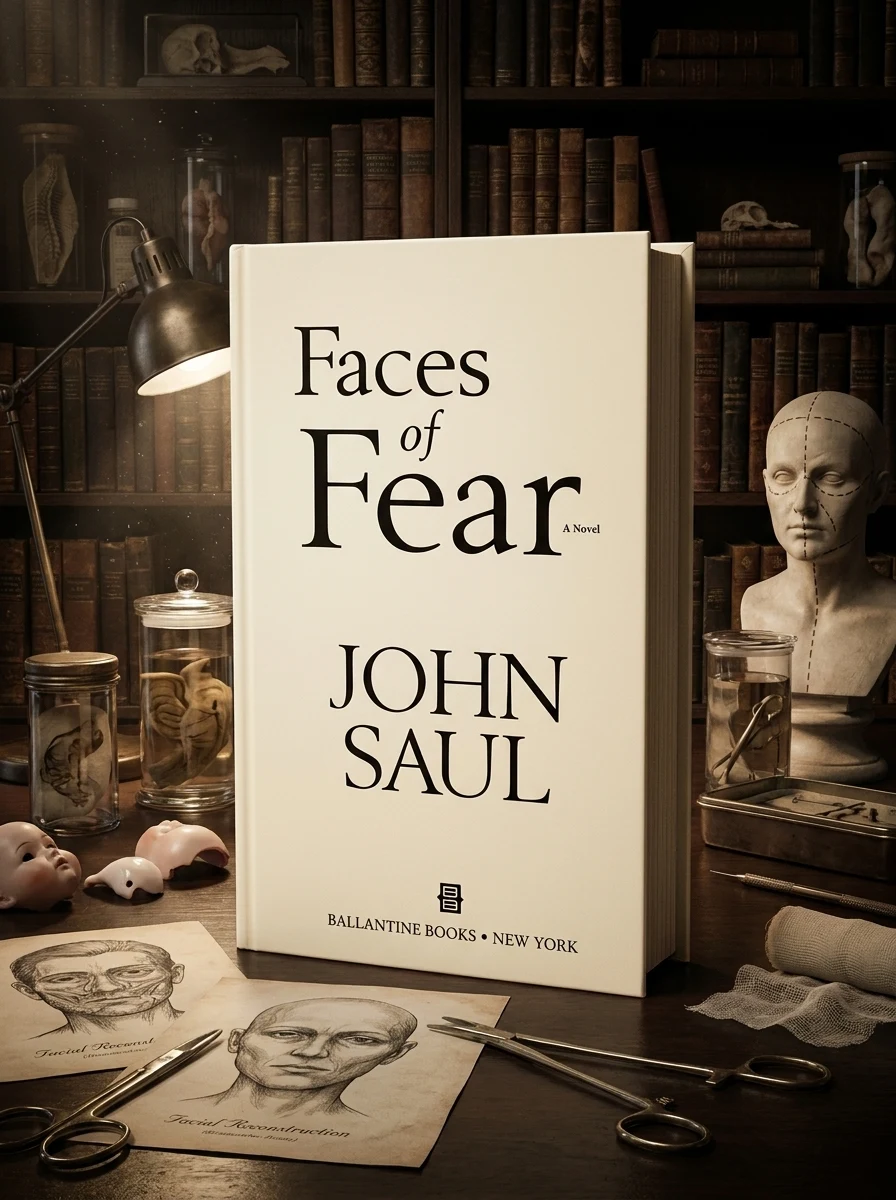
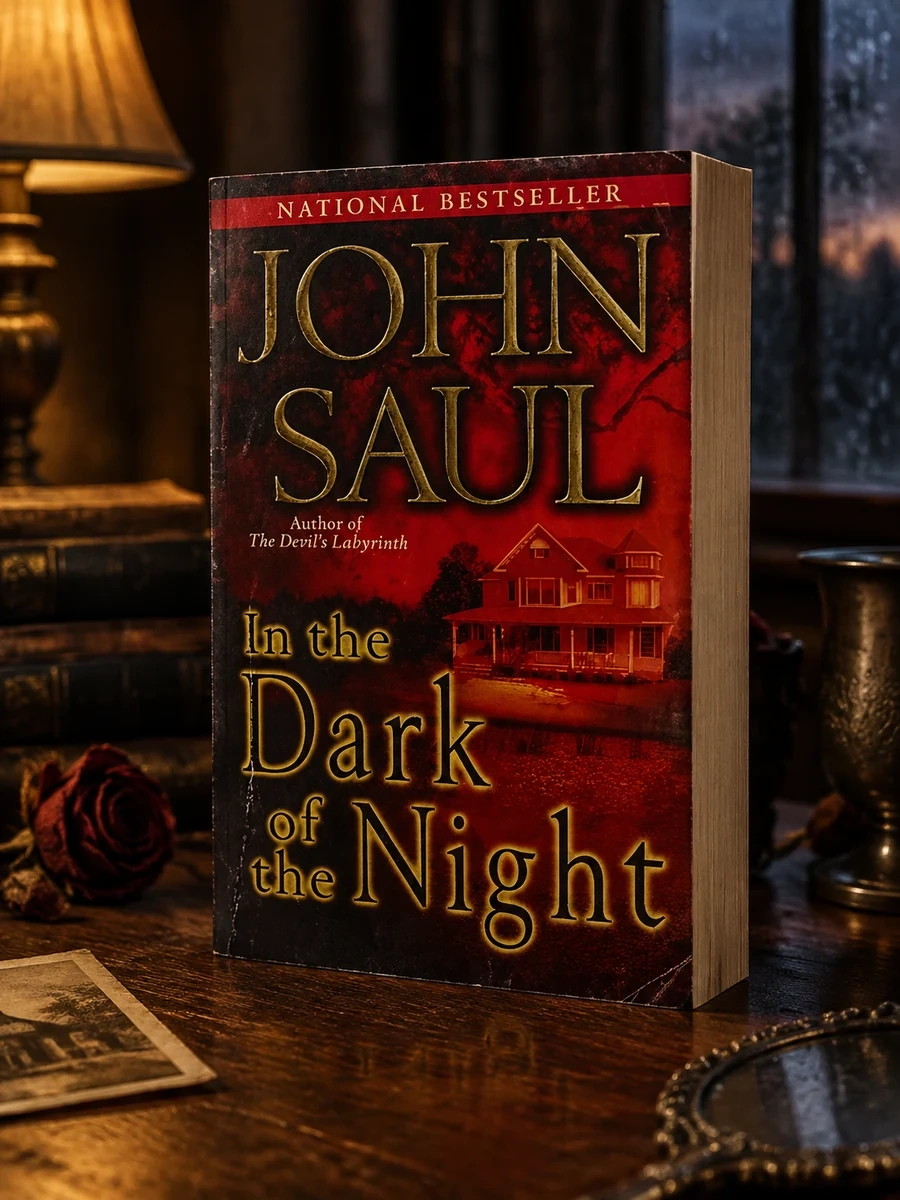
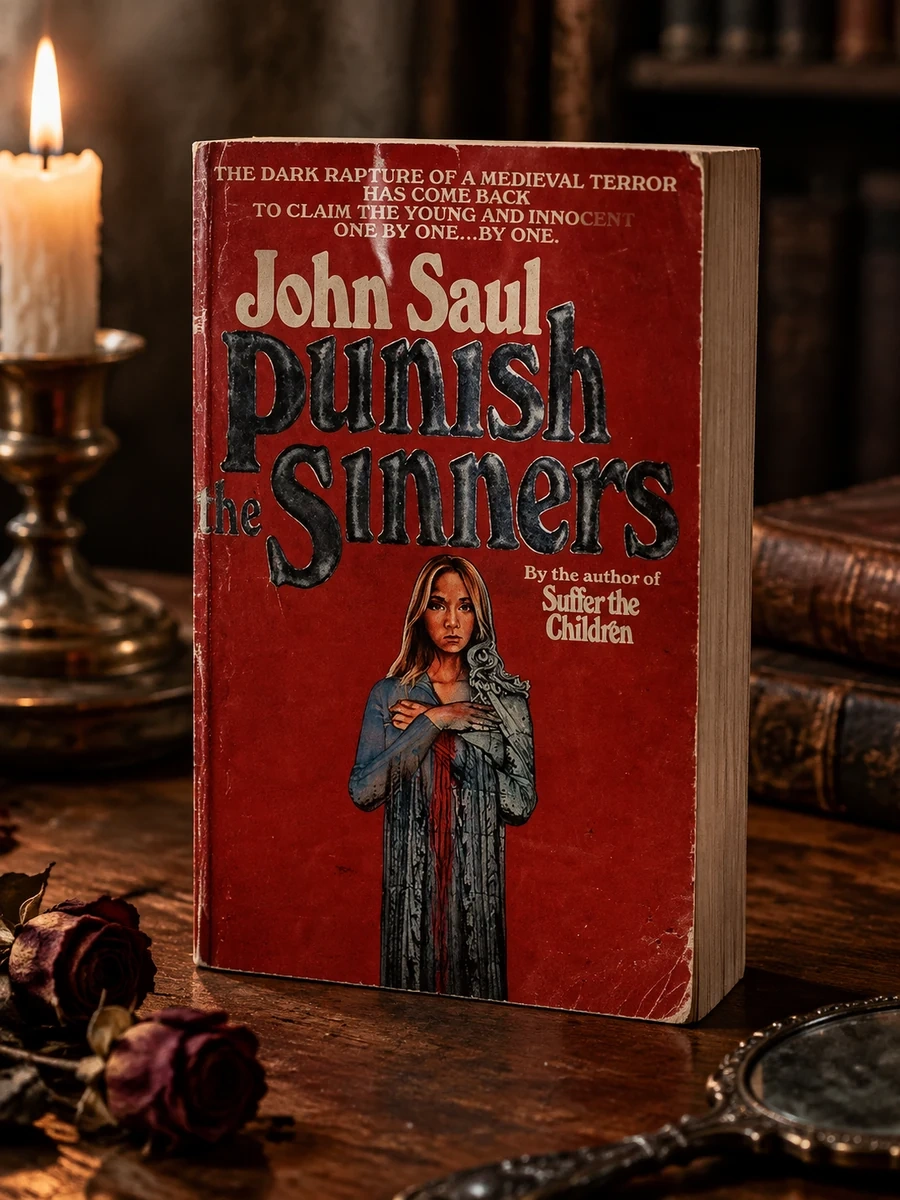
✍️ More books by this author John Saul


🏛 Books from this publisher Dell

You might also like
See more →


Have a question about this item?
Ask about the edition, condition, delivery or anything else — we reply by email or phone, usually within a day.
