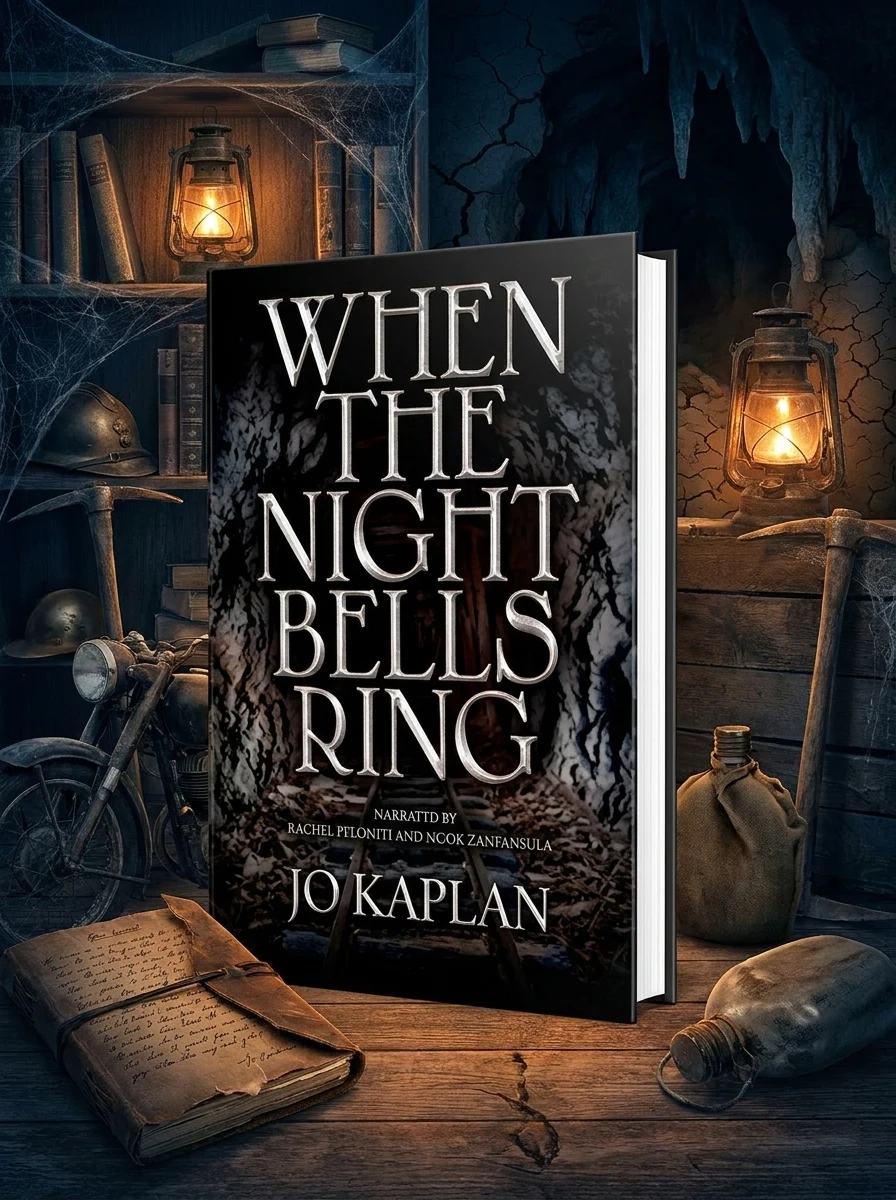
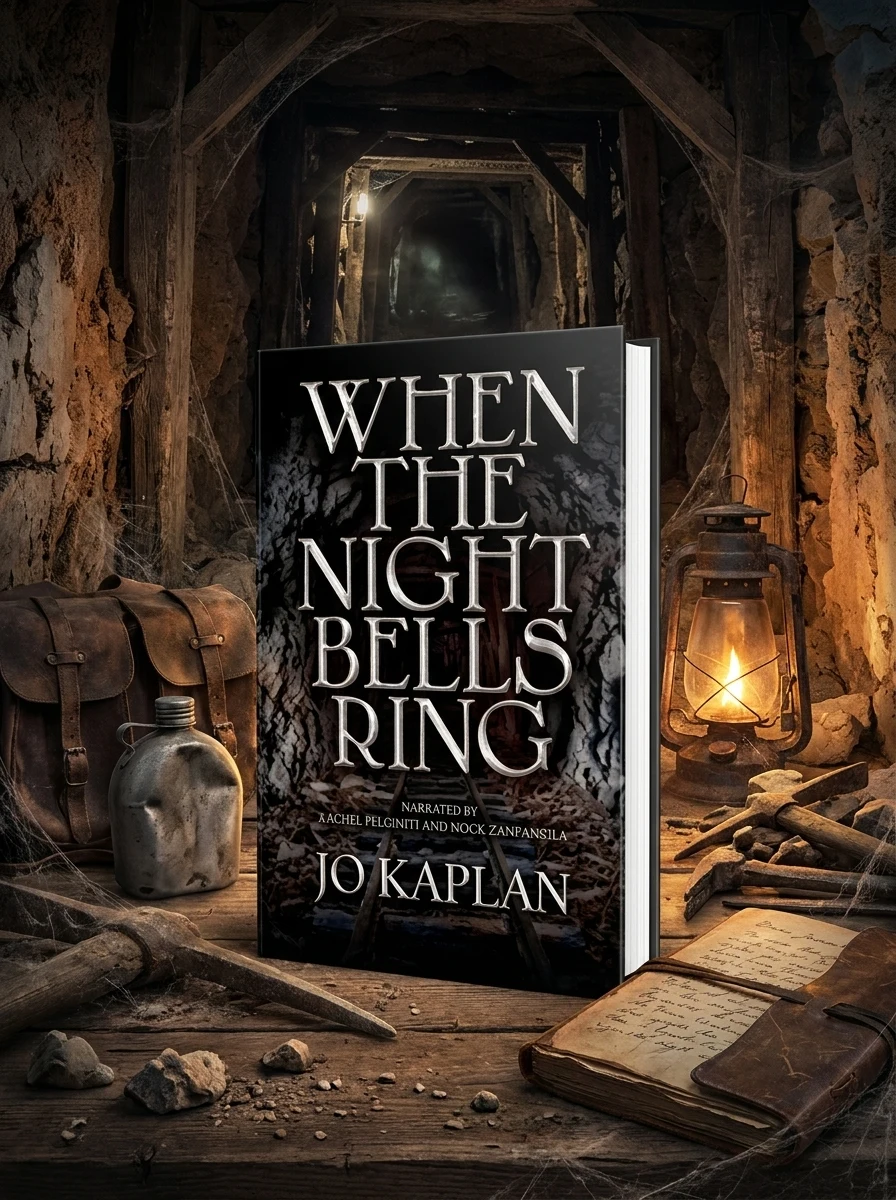
When the Night Bells Ring
Currently unavailable
This book is sold out right now. Leave your email — we'll let you know if it comes back, and you'll get 10% off any book today.
In stock now — readers of this book also loved:





Two refugees find a 1860s diary and a monster in a Nevada mine.
Kaplan constructs a dual timeline that connects modern survival struggles with historical greed. The present-day characters encounter Lavinia Cain’s writings, which detail the original settlers’ discovery of a subterranean threat. This entity reacts violently to intruders seeking resources. The book examines how past mistakes echo through time, affecting those who follow. The horror arises from both the external environment and the internal corruption of desire. Kaplan avoids easy resolutions, leaving the protagonists trapped with their ancient pursuer.
The novel sits at the intersection of contemporary climate fiction and American gothic horror. It draws on the history of Nevada settlement in the late 1860s, reimagining the era’s mining boom as a gateway for supernatural terror. The setting reflects a future western United States devastated by environmental collapse.


📝 Description: When the Night Bells Ring
💎 Our verdict on When the Night Bells Ring
📖 Why choose it
Why this book is worth reading
Readers interested in the convergence of ecological disaster and classic horror tropes will find this narrative compelling. It offers a bleak, unresolving exploration of how past greed echoes into present survival struggles. Those who appreciate psychological depth alongside physical peril will engage with the dual timeline structure connecting modern refugees to historical settlers. It is not for those seeking optimism or traditional adventure, but rather for audiences willing to endure a tone of internal corruption and external dread.
⭐ Reader reviews
Reader rating
Kaplan effectively grounds supernatural terror in environmental collapse, creating a chilling atmosphere where historical mistakes haunt present-day intruders. The dual timeline structure successfully links the desolate western landscape with subterranean threats, emphasizing the persistence of ancient evils. The narrative avoids easy resolutions, leaving protagonists trapped with their pursuer, which enhances the sense of inescapable doom. This approach suits readers who enjoy detailed descriptions of madness and physical peril within a gothic framework. By intertwining climate fiction with horror, the book offers a unique perspective on survival, making it a strong choice for fans of dark, atmospheric storytelling that prioritizes thematic resonance over conventional plot satisfaction.
📖 Read on the blog
✍️ More books by this author Jo Kaplan
🏛 Books from this publisher Marble Press
You might also like
See more →
Have a question about this item?
Ask about the edition, condition, delivery or anything else — we reply by email or phone, usually within a day.
