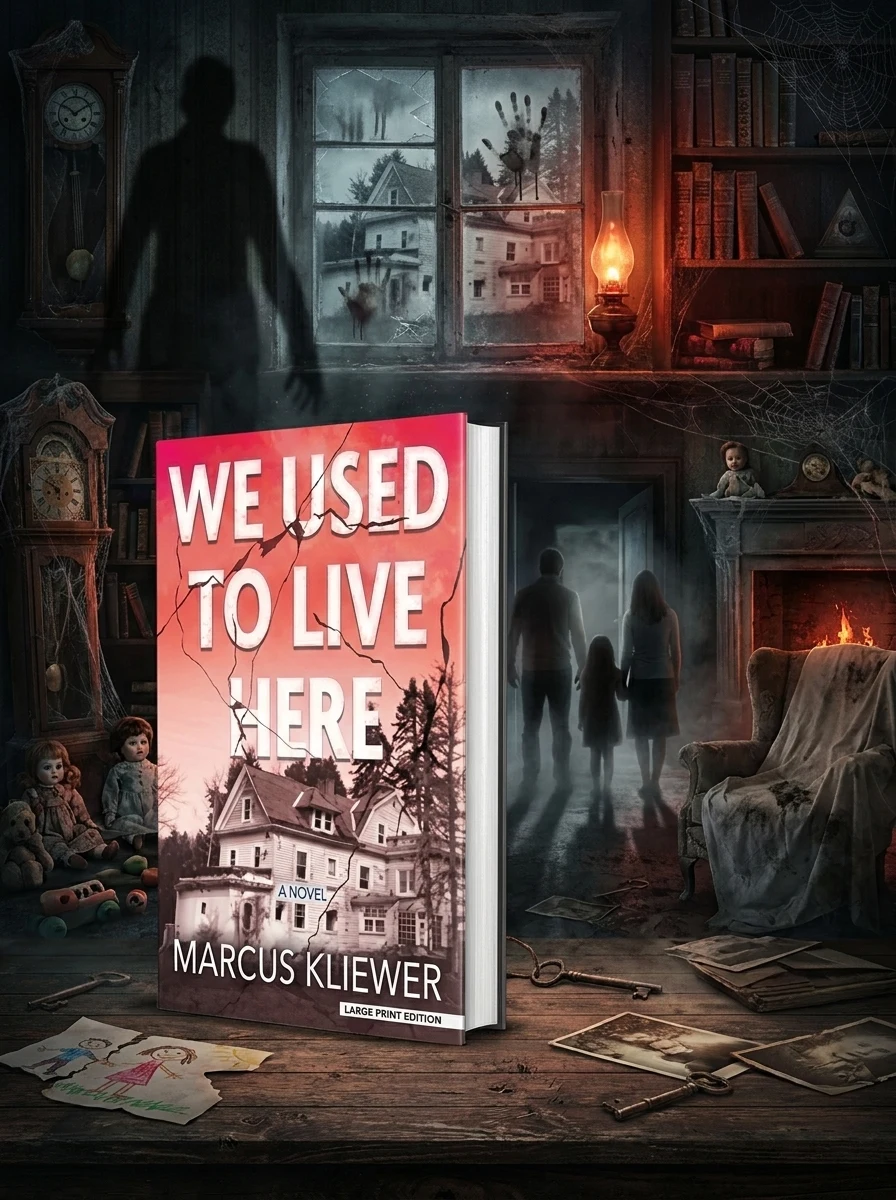
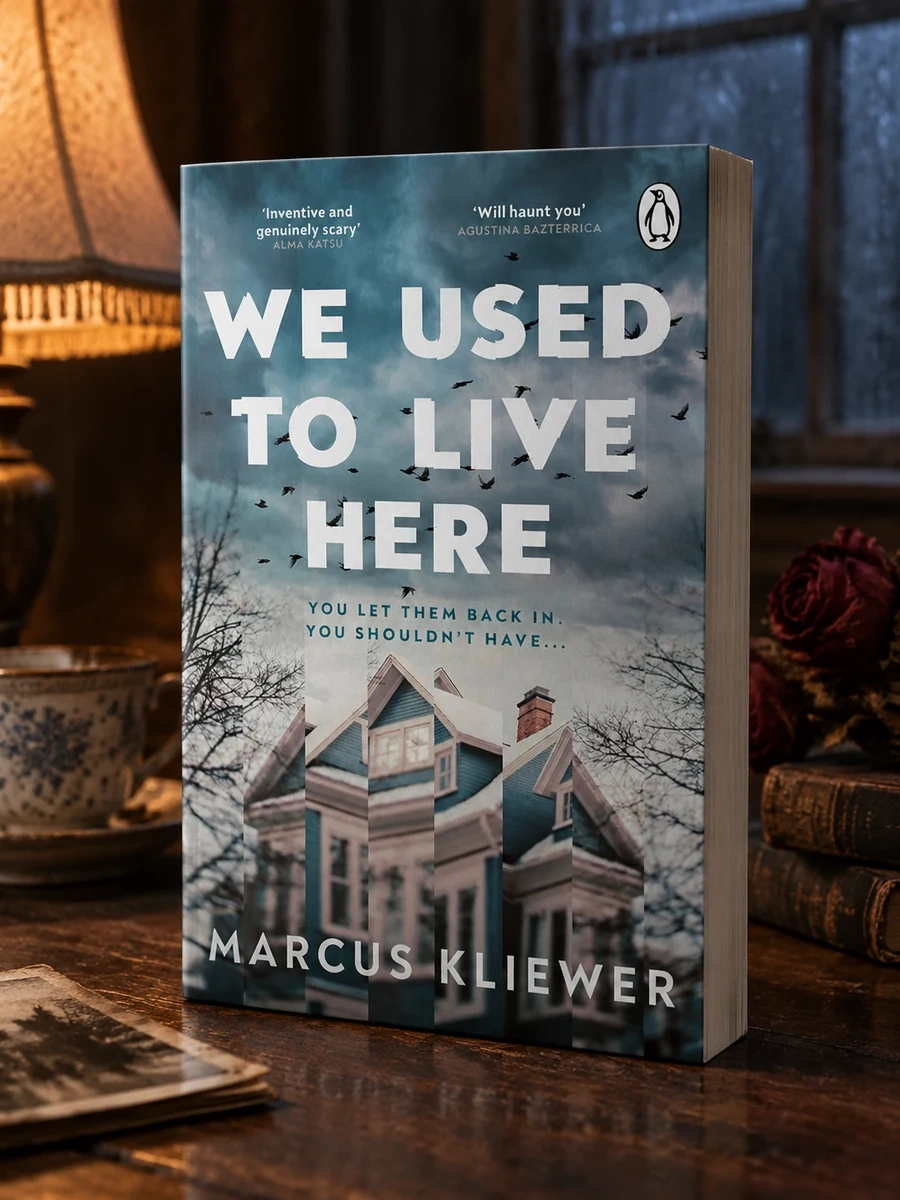
We Used to Live Here
A couple faces an uninvited family in their new home, leading to vanishing and madness.
The narrative tracks Eve's descent into uncertainty after her husband disappears during a visit from former residents. The story examines how grief and isolation warp perception. Kliewer uses the setting of an old house to explore themes of ownership and displacement. The text does not provide easy answers about the nature of the haunting. Instead, it focuses on the emotional toll of being trapped in a situation that defies explanation. The large print format ensures readability for those who prefer larger text sizes. The publisher Thorndike Press released this edition in October 2024. It appeals to fans of domestic horror and psychological thrillers.
Published by Thorndike Press in October 2024, this large print edition targets American readers seeking accessible horror fiction. The work fits within the tradition of domestic supernatural tales where the home becomes a site of terror.


📝 Description: We Used to Live Here
💎 Our verdict on We Used to Live Here
📖 Why choose it
Why this book is worth reading
Readers who prefer slow-burn dread over explicit gore will find this narrative deeply engaging. It appeals to those fascinated by the violation of domestic sanctity and the psychological toll of isolation. The large print format makes it accessible for readers with visual needs who still crave complex, ambiguous storytelling. Fans of stories where the source of evil remains unclear will appreciate the refusal to provide easy answers. This book suits individuals interested in how grief and uncertainty warp perception, offering a tense atmosphere that blurs the line between supernatural intrusion and mental breakdown without resorting to traditional ghost story resolutions.
⭐ Reader reviews
Reader rating
Kliewer crafts a tense narrative where an old house becomes a hostile environment through the arrival of uninvited former residents. The story excels in depicting Eve’s fracturing reality as her husband vanishes, leaving her alone to confront inexplicable events. The text effectively explores themes of ownership and displacement, maintaining ambiguity regarding whether the house is malevolent or if sanity is simply unraveling. This approach suits readers who enjoy psychological horror and domestic thrillers with ambiguous endings. Those seeking clear resolutions may find the lack of explanation unsatisfying, but fans of slow-burn dread will appreciate the focus on emotional toll and isolation within a defyingly unexplained situation.
📖 Read on the blog
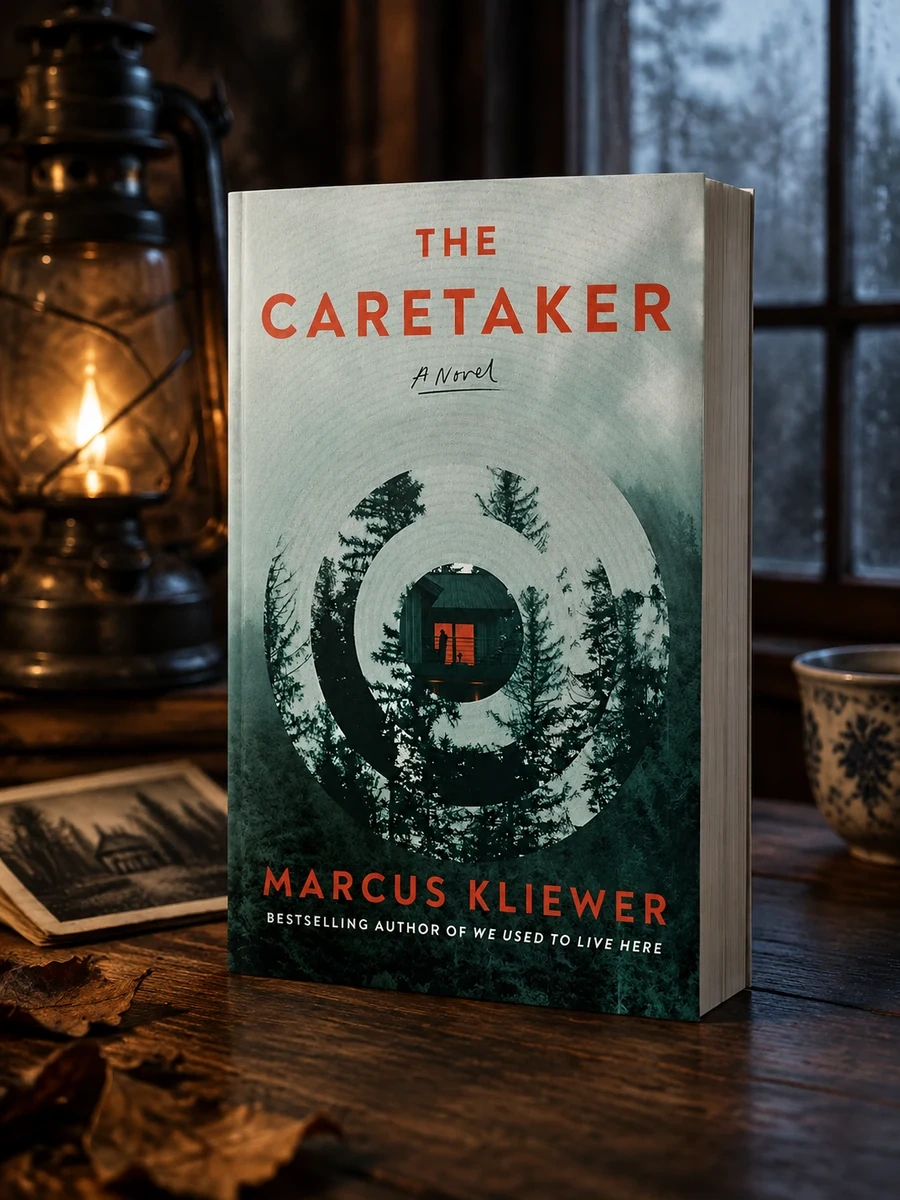
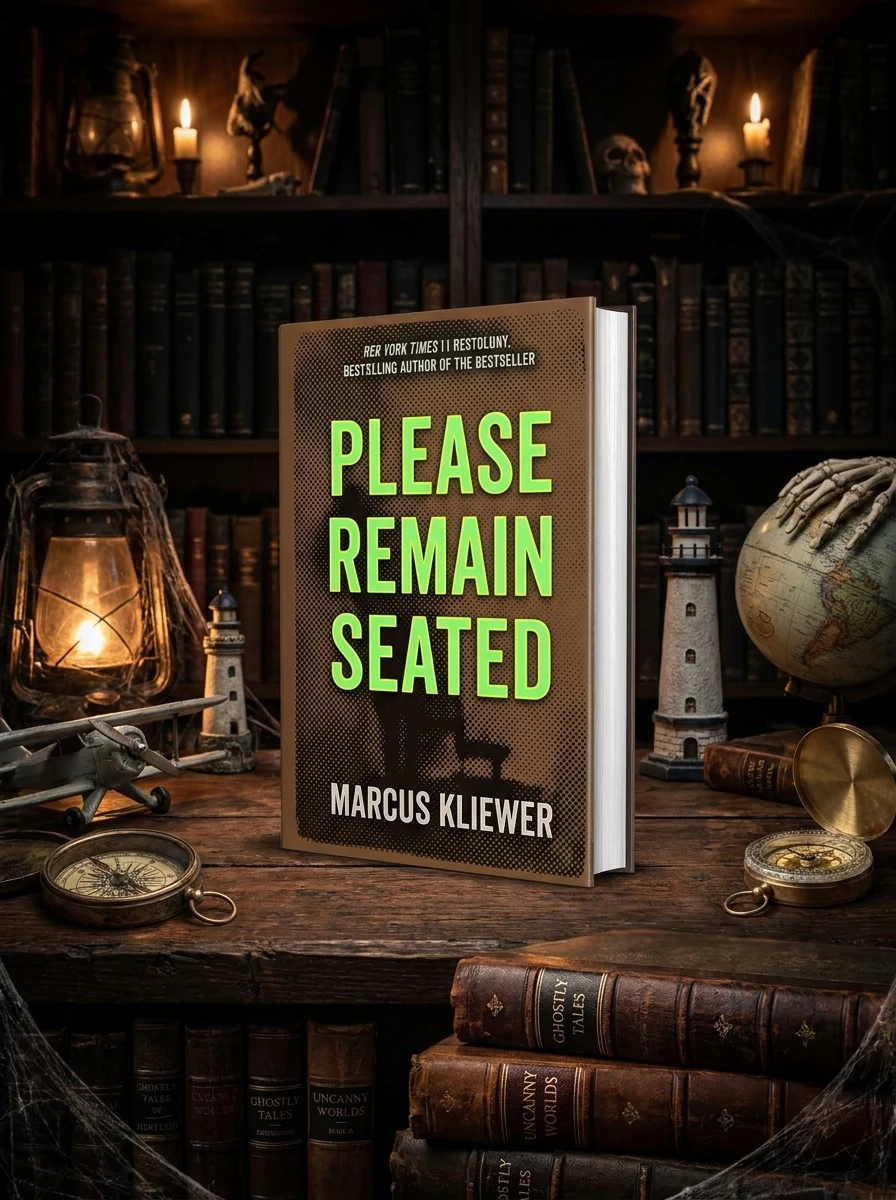
✍️ More books by this author Marcus Kliewer


🏛 Books from this publisher Thorndike Press Large Print



You might also like
See more →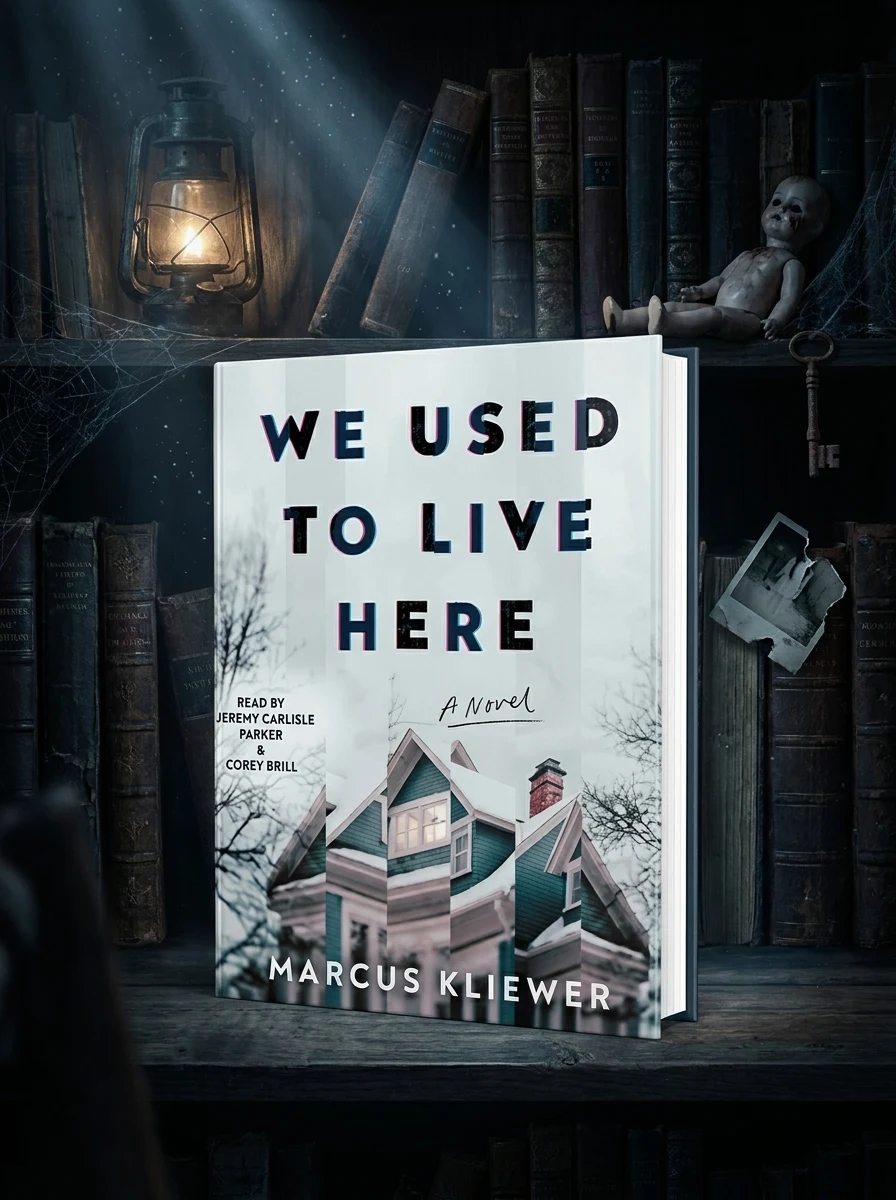

Have a question about this item?
Ask about the edition, condition, delivery or anything else — we reply by email or phone, usually within a day.
