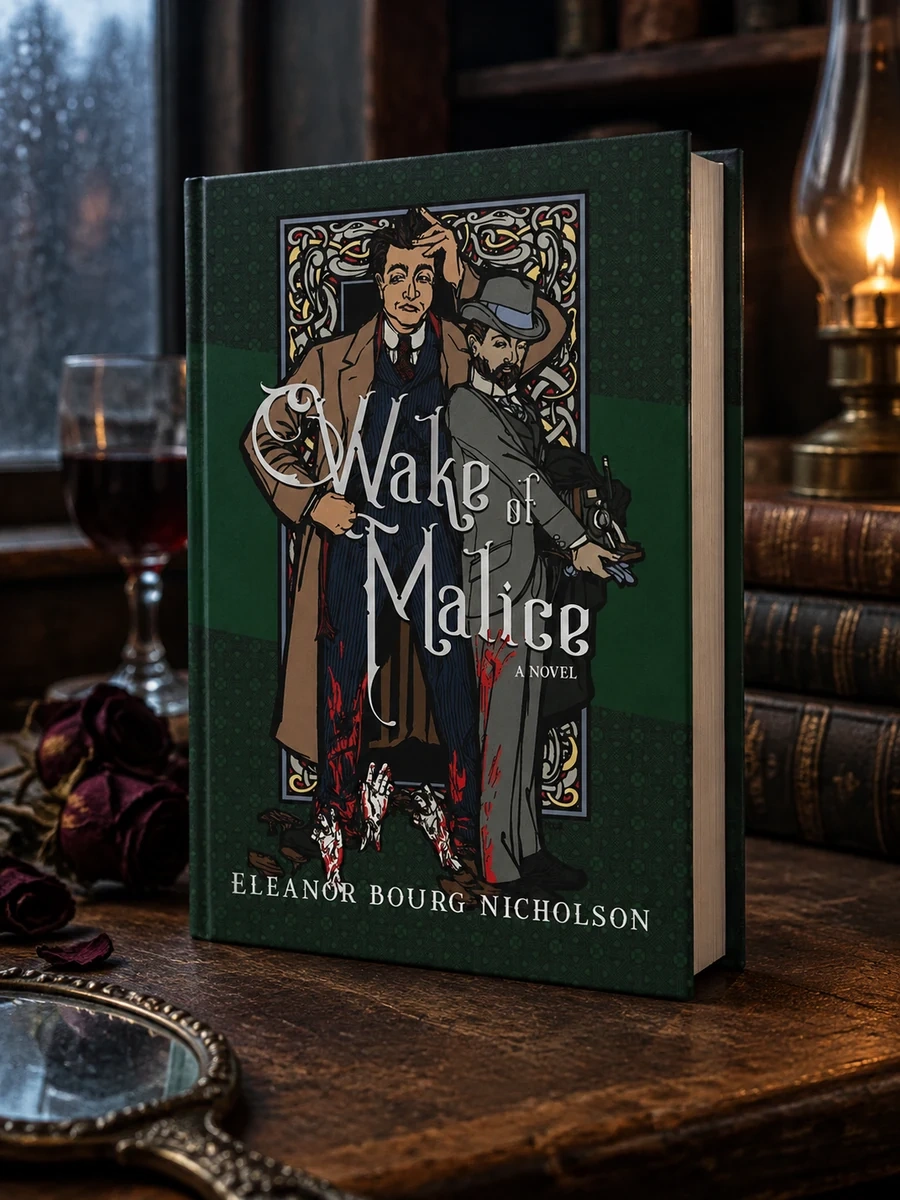
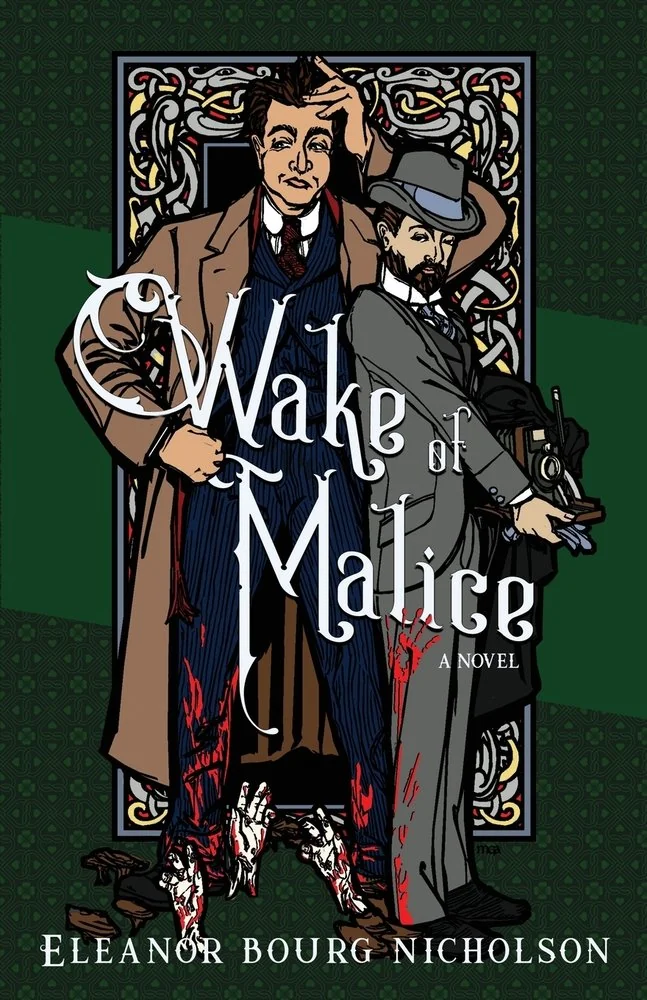
Wake of Malice
A journalist investigates occult murder in rural Ireland.
The story centers on Hugh Buckley’s forced return to Ireland to cover a scandal involving Father Michael Walsh. His assignment quickly shifts from financial crime to supernatural horror as he encounters occult practices in Doolin. Frederick Jones documents the events while Buckley grapples with his own lost faith. Father Thomas Edmund Gilroy arrives to support Walsh and combat the dark powers emerging from the ground. The plot intertwines a murder investigation with a spiritual battle, forcing Buckley to confront his past.
The narrative is set in Doolin on the western coast of Ireland. It draws on Jesuit and Dominican Catholic traditions within a gothic supernatural framework. The story reflects tensions between expatriate Irish identity and local religious authority during a period of spiritual crisis.


📝 Description: Wake of Malice
💎 Our verdict on Wake of Malice
📖 Why choose it
Why this book is worth reading
Readers interested in the intersection of faith and horror will find this novel compelling. It offers a unique perspective on expatriate trauma, as the protagonist confronts repressed struggles with abandoned faith while navigating parish politics. The story appeals to those who enjoy atmospheric settings where the landscape itself feels alive with dark secrets. Fans of religious conflict narratives will appreciate the detailed depiction of spiritual warfare against occult practices. It is ideal for audiences seeking a serious tone that blends professional investigation with personal crisis, rather than lighthearted entertainment or purely secular mystery plots.
⭐ Reader reviews
Reader rating
Nicholson effectively weaves a tale of parish intrigue and supernatural dread, grounding the horror in the specific cultural context of rural Ireland. The narrative succeeds in balancing the external threat of occult violence with the internal struggle of a journalist grappling with lost faith. By introducing a Dominican friar to aid in the spiritual battle, the author creates a dynamic interplay between professional skepticism and religious conviction. The atmosphere is thick with tension, making the grotesque violence feel earned rather than gratuitous. This book suits readers who appreciate gothic fiction that explores the consequences of returning home to face unresolved trauma. It is particularly well-suited for those who enjoy stories where spiritual warfare plays a central role in the resolution of earthly conflicts.
You might also like
See more →







Have a question about this item?
Ask about the edition, condition, delivery or anything else — we reply by email or phone, usually within a day.
