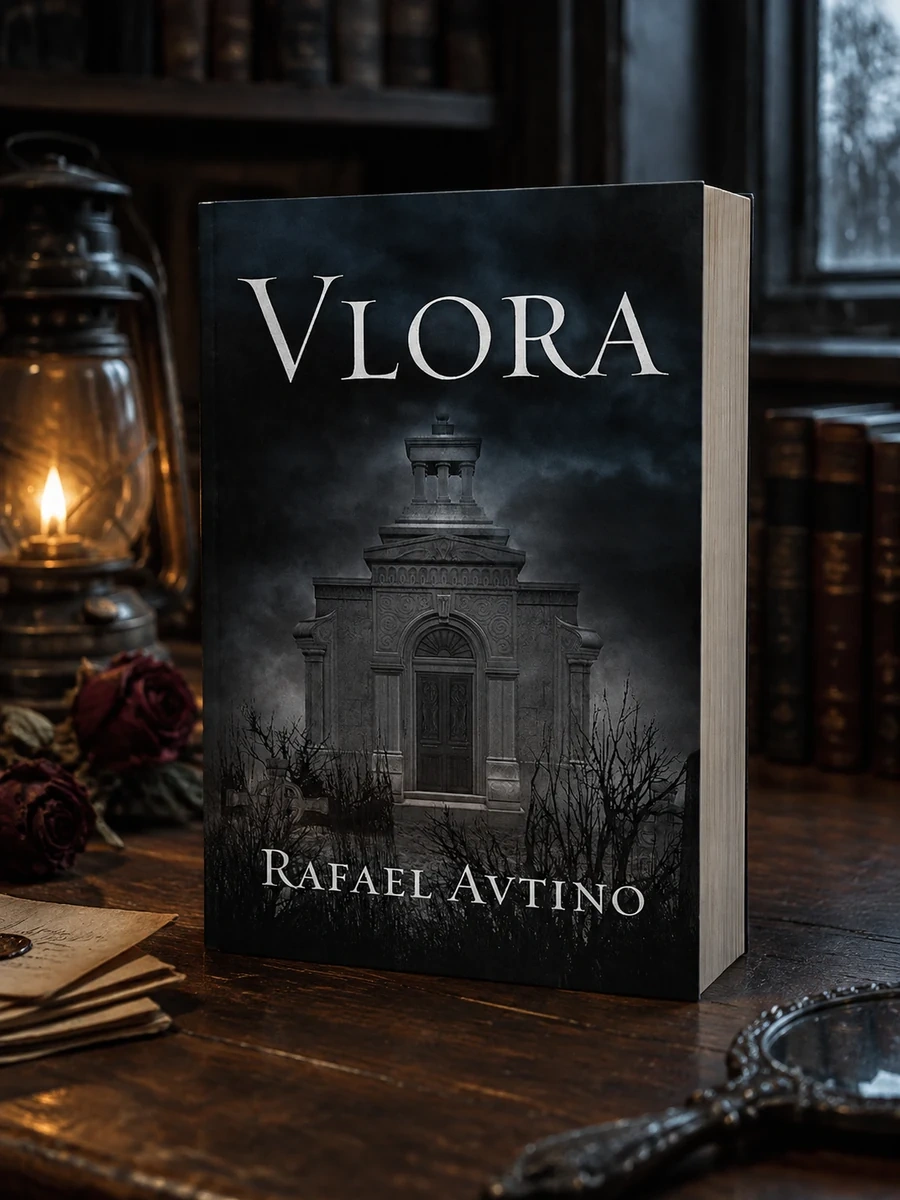
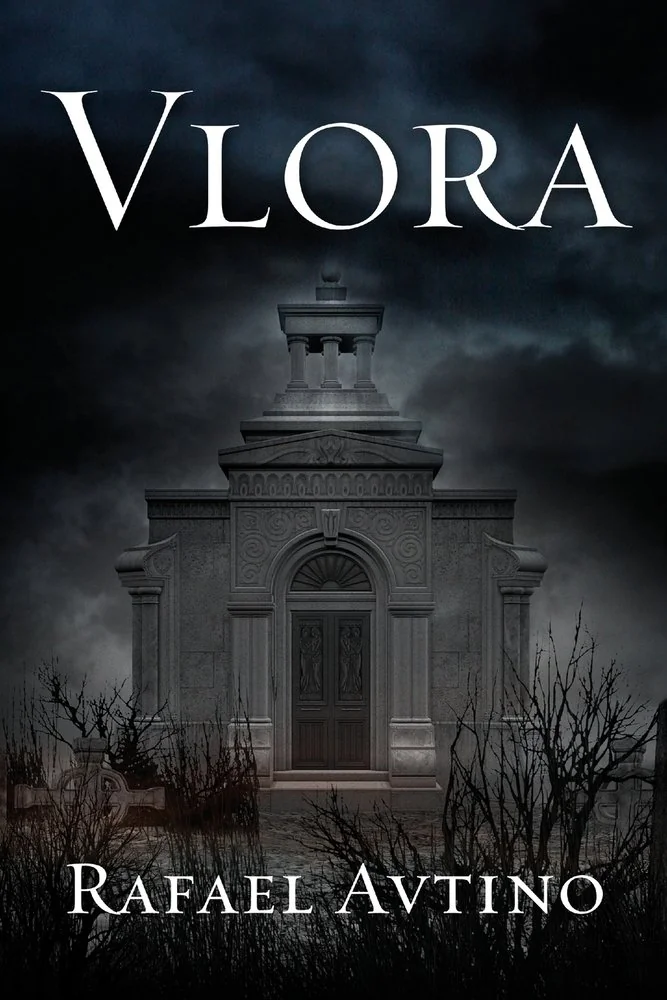
Vlora
A businesswoman fights a terrifying supernatural intruder in her home.
Vlora Whitaker works hard and lives alone until strange visions invade her private space. She initially dismisses these events as sleep-related hallucinations common to tired professionals. The situation escalates when the apparitions become physically threatening and impossible to ignore. Her decision to report the incidents to the police yields no clear answers, leaving her isolated and vulnerable. The story examines how fear can distort perception and erode trust in one’s own senses. Avtino constructs a claustrophobic atmosphere where the home becomes a site of danger rather than safety. The narrative does not offer easy resolutions or comforting explanations for the supernatural elements. Instead, it focuses on the protagonist’s desperate attempts to regain control over her life and environment through direct confrontation with the unknown.
Published in 2013 by Amethyst Sky Publishing, this work fits within the contemporary American tradition of psychological horror fiction. It reflects modern anxieties about mental health and isolation in urban professional life. The narrative draws on gothic tropes of the haunted home but grounds them in a realistic, contemporary setting rather than historical periods.


📝 Description: Vlora
💎 Our verdict on Vlora
📖 Why choose it
Why this book is worth reading
Readers who appreciate slow-burn psychological terror and the erosion of sanity will find this book compelling. It is ideal for those who enjoy stories where the home becomes a trap rather than a refuge, offering a claustrophobic atmosphere that prioritizes dread over action. The narrative appeals to individuals interested in the distortion of perception and the isolation of modern life, providing a tense exploration of fear without relying on complex lore or traditional monster-hunting tropes.
⭐ Reader reviews
Reader rating
Avtino effectively constructs a claustrophobic environment where domestic safety is replaced by danger, focusing on Vlora’s desperate struggle to regain control. The straightforward structure builds dread through psychological tension rather than complex subplots, making the protagonist’s descent into fear palpable. This approach suits readers who prefer internal conflict and atmospheric horror over fast-paced action. By avoiding easy resolutions or comforting explanations, the text maintains a lingering unease that lingers long after the final confrontation, appealing to fans of subtle, reality-bending terror.
You might also like
See more →







Have a question about this item?
Ask about the edition, condition, delivery or anything else — we reply by email or phone, usually within a day.
