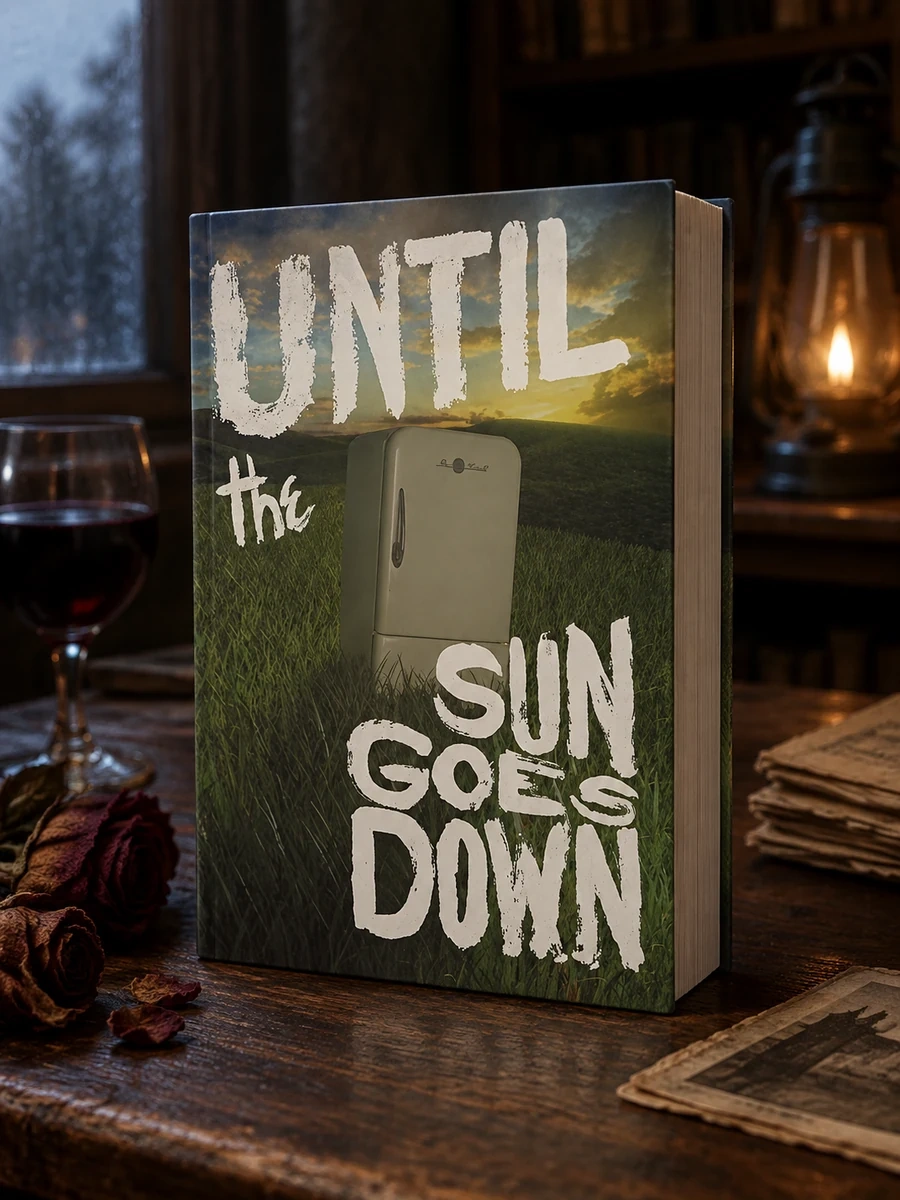

Until the Sun Goes Down
A stark, unromantic novel about childhood fears and cellar-dwelling monsters.
Hamill explores the erosion of sanity through a dialogue between a narrator and an elder. The story begins with claims of nocturnal visitors in Maine woods. As heat rises, the line between memory and present terror dissolves. The narrative structure relies on this confessional tone to build dread. There are no heroic defenses against the creatures. Instead, the focus remains on the inevitability of their embrace. The work challenges genre expectations by removing glamour from vampiric figures. It presents them as purely deadly forces of nature. This perspective appeals to readers who prefer psychological depth over action.
This 2019 independent publication recontextualizes the vampire genre by removing romantic elements. It draws on American gothic traditions set in the Maine wilderness, focusing on supernatural fiction that emphasizes psychological horror over traditional mythological lore.


📝 Description: Until the Sun Goes Down
💎 Our verdict on Until the Sun Goes Down
📖 Why choose it
Why this book is worth reading
Readers seeking a stark, unromantic exploration of childhood fears and psychological erosion will find this novel compelling. It appeals to those who prefer atmospheric tension and creeping unease over traditional heroic defenses or flashy spectacle. The book is ideal for audiences interested in the deconstruction of genre tropes, offering a gritty look at deadly forces of nature rather than glamorous monsters. Those who enjoy slow-paced narratives that prioritize dread and the blurring lines between memory and present terror will gain from this immersive, unsettling experience.
⭐ Reader reviews
Reader rating
Hamill delivers a masterclass in atmospheric horror by removing all glamour from vampiric figures, presenting them instead as inevitable, deadly forces of nature. The confessional tone effectively builds dread, allowing the narrative to focus on the protagonist's internal struggle against undeniable terror in the Maine woods. This approach creates a hostile environment where the night itself feels menacing. While it may disappoint those seeking action or conventional fantasy elements, it suits readers who appreciate psychological depth and the erosion of sanity under pressure. The work stands as a testament to the power of subtle, creeping unease over spectacle.