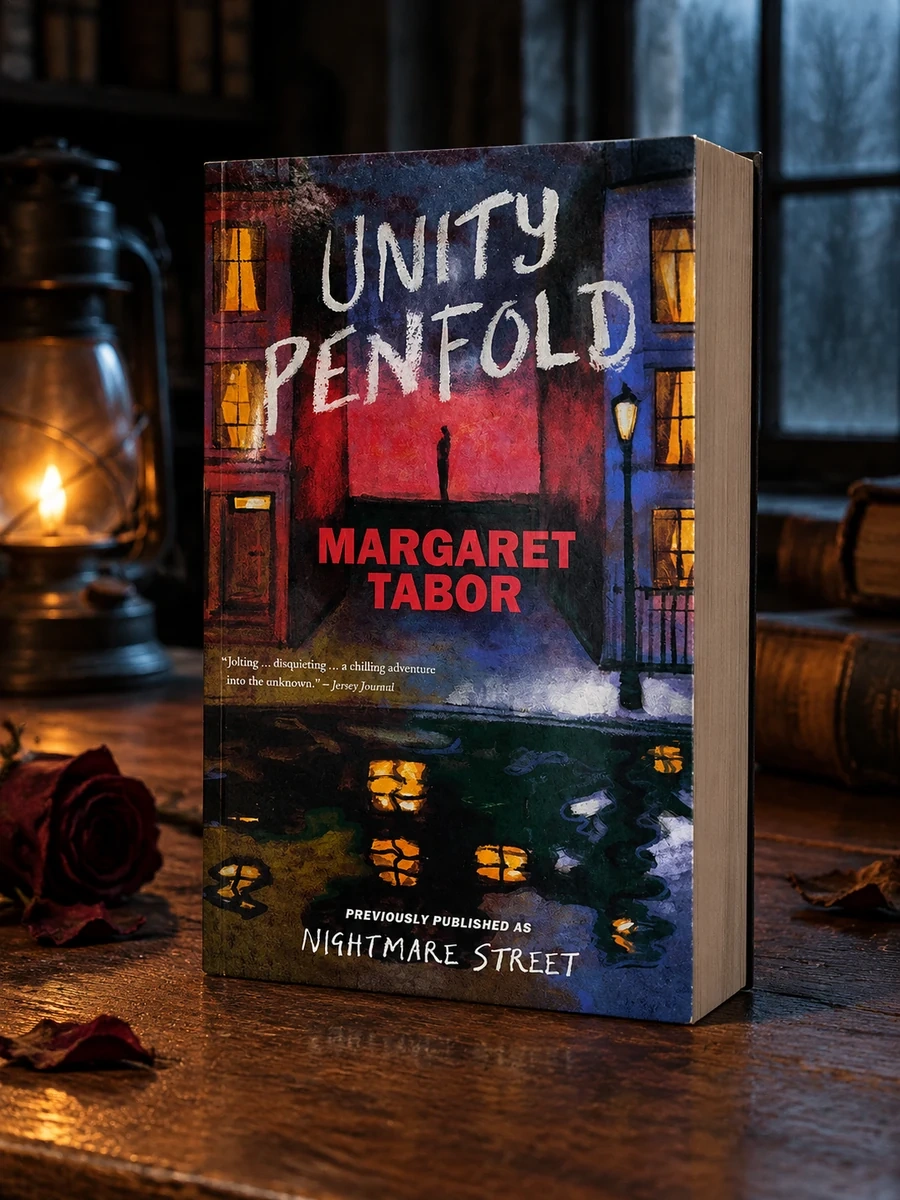
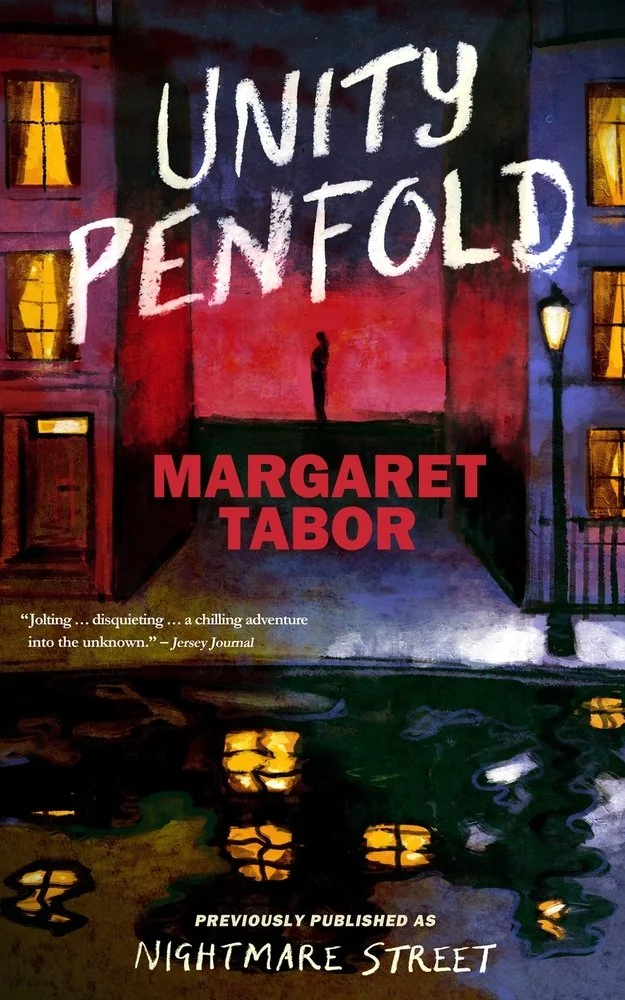
Unity Penfold
A woman vanishes from existence while her family forgets she ever lived.
This work examines the terror of total erasure through the lens of domestic horror. Tabor uses the disappearance of physical spaces to mirror the fading of personal history. The narrative does not rely on ghosts or monsters but on the silence of a community that has collectively forgotten a person. The structure follows Unity's attempts to reconnect with her past, only to find every link severed. This approach highlights the fragility of identity when social validation is removed. The story serves as a study in helplessness against an indifferent universe.
Published in September 2024 by Valancourt Books, this edition joins the catalog of restored horror and gothic fiction. It appeals to readers who appreciate modern takes on classic supernatural themes. The work fits within the tradition of psychological horror that questions the nature of reality.


📝 Description: Unity Penfold
💎 Our verdict on Unity Penfold
📖 Why choose it
Why this book is worth reading
Readers fascinated by psychological horror and the fragility of identity will find this narrative deeply compelling. It offers a unique exploration of domestic terror, focusing on the chilling concept of total erasure rather than traditional monsters or ghosts. Those who appreciate subgenres like cosmic horror or stories where social validation defines existence will gain from its stark depiction of helplessness. The book serves as an intense study in isolation, appealing to audiences seeking atmospheric dread over conventional plot resolutions. It is ideal for those who enjoy examining the intersection of personal history and communal memory through a lens of existential dread.
⭐ Reader reviews
Reader rating
Tabor constructs a masterful study in helplessness by stripping away the social validations that sustain identity. The narrative excels in portraying the terror of being forgotten, using the disappearance of physical spaces to mirror fading personal history. It avoids reliance on ghosts, instead focusing on the collective silence of a community. This approach makes it particularly suitable for readers interested in cosmic and psychological horror who value atmospheric tension over jump scares. While those seeking traditional haunted house stories might find the focus on social erasure less satisfying, the book remains a stark and compelling exploration of isolation. It effectively highlights the hostile nature of reality when personal history is severed from communal memory.
![The Mysteries of London, Vol. I [Unabridged & Illustrated]](/img/the-mysteries-of-london-vol-i-unabridged-illustrated-40029-scene.webp)