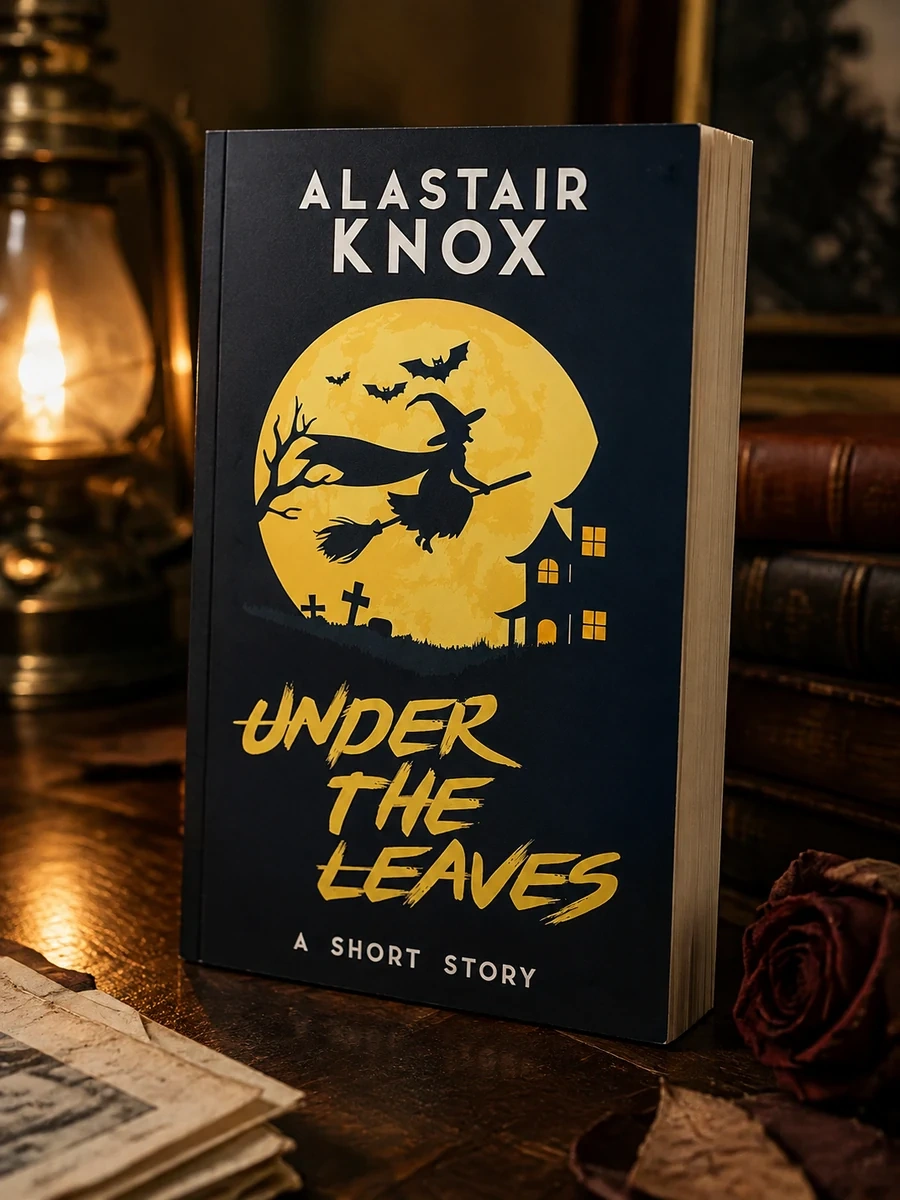
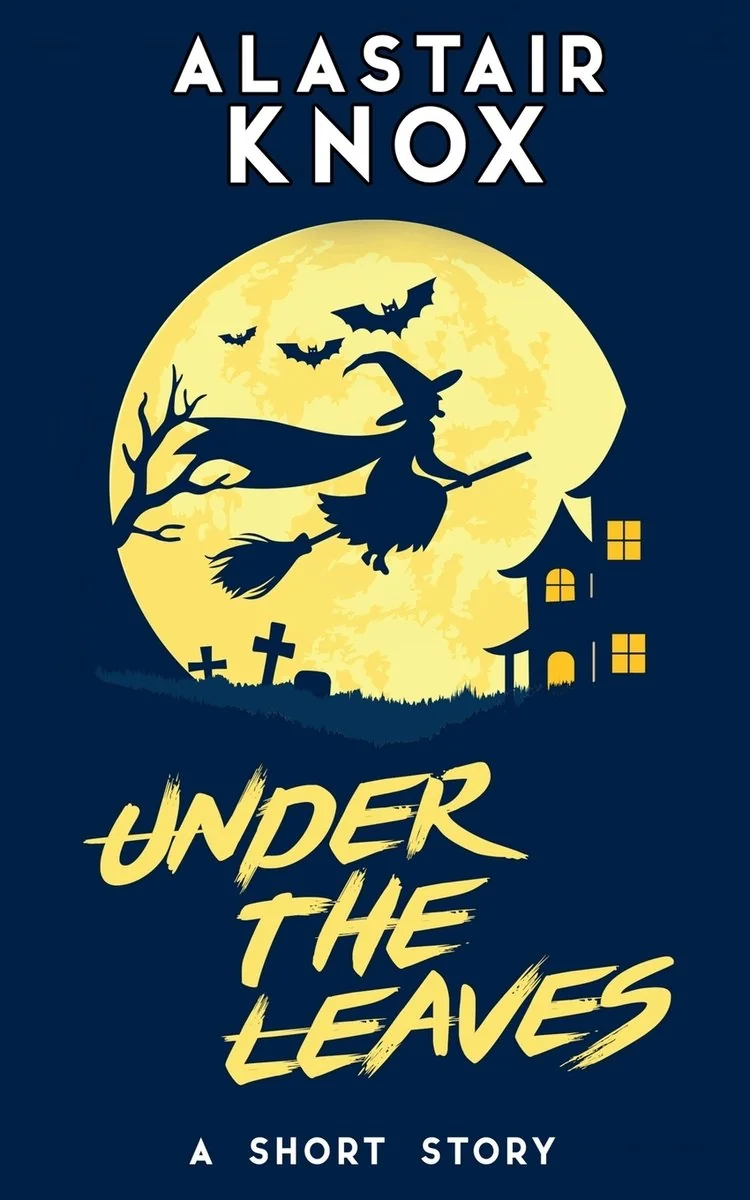
Under the Leaves
A scholar follows witches into a haunted wood where language alters reality.
Alastair Knox writes about Dr. Ambrose Weatherby, a minor Cambridge scholar obsessed with ancient languages. After seeing thirteen witches fly from a decaying house, he uses linguistic skills to recreate a flying ointment. He rides a broom to track them into a haunted forest. The book examines how specific Latin phrases and forbidden texts can change the physical world. Weatherby’s academic pride pushes him past safe inquiry into dangerous rites. The narrative focuses on his realization that words do not just describe reality but shape it. This is a tale of gothic horror where knowledge comes at a terrible cost. Knox structures the story around Weatherby’s descent from observer to participant. The plot relies on the tension between scholarly detachment and supernatural involvement. Readers will follow Weatherby as he confronts truths older than doctrine. The book avoids modern tropes in favor of atmospheric dread and linguistic mystery.
This work sits within the tradition of gothic horror and supernatural fiction. It draws on themes of ancient languages and forbidden knowledge prevalent in classic literary traditions. The story reflects a period where scholarly pursuit often clashed with occult practices.


📝 Description: Under the Leaves
💎 Our verdict on Under the Leaves
📖 Why choose it
Why this book is worth reading
Readers who appreciate intellectual protagonists and atmospheric dread will find this narrative compelling. It offers a unique exploration of linguistics as a tool for supernatural manipulation, appealing to those interested in the intersection of academia and horror. The book is ideal for enthusiasts of gothic fiction who prefer slow-burn tension over visceral gore. Those fascinated by the concept that words shape reality rather than merely describe it will discover a profound meditation on the cost of forbidden knowledge. It serves as a thoughtful critique of scholarly pride, making it suitable for readers who enjoy complex themes and psychological depth within the horror genre.
⭐ Reader reviews
Reader rating
Knox delivers a masterclass in atmospheric dread, focusing on the terrifying implications of linguistic precision rather than jump scares. The protagonist’s descent from detached observer to active participant is handled with psychological nuance, highlighting the peril of academic arrogance. The narrative structure effectively builds tension through the lens of ancient languages and forbidden texts. This story suits readers who favor intellectual horror and gothic traditions over modern urban settings. While it may lack lighthearted moments, its commitment to literary mystery and cosmic horror ensures a memorable experience. The focus on how language alters reality provides a fresh perspective on classic witchcraft tropes, making it a standout for devotees of the genre.