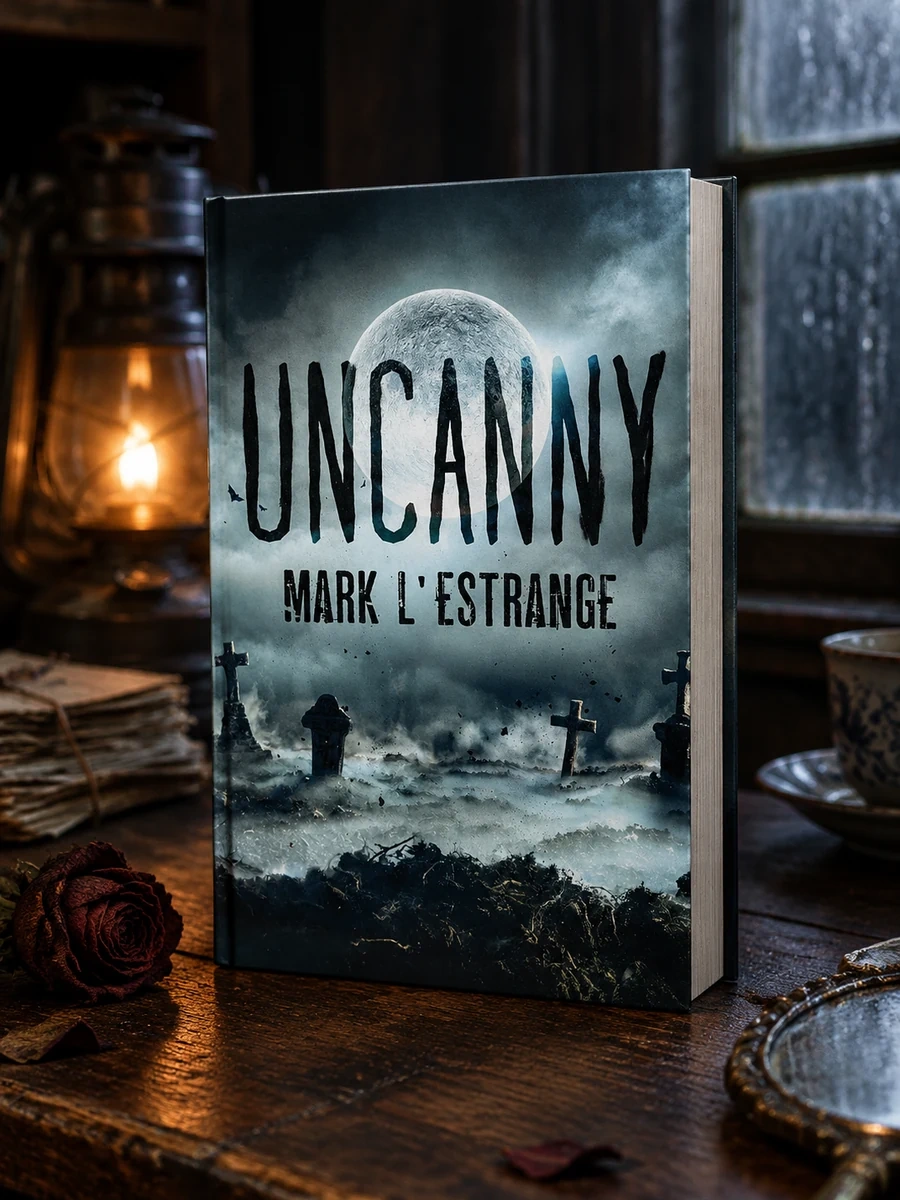
Uncanny
A psychiatrist hosts five trauma survivors, but one is a ghost unaware of its own death.
The narrative focuses on Professor Earnest Grossman’s attempt to cure his clients through shared storytelling. The twist lies in the presence of a spirit who does not know it is dead. This creates a tense dynamic as the group confronts their past traumas. Grossman seeks to expose the impostor by morning. The story examines how denial can trap individuals in liminal states. It uses the storm-lashed English countryside setting to enhance the sense of isolation and dread. The psychological horror stems from the characters' inability to accept reality rather than external monsters.
This work sits within the gothic horror tradition, utilizing the classic trope of an isolated English countryside estate during a storm. It blends psychological thriller elements with supernatural fiction, focusing on the uncanny valley of grief and denial rather than traditional monster lore.


📝 Description: Uncanny
💎 Our verdict on Uncanny
📖 Why choose it
Why this book is worth reading
Readers who appreciate atmospheric tension and psychological depth will find this book compelling. It offers a claustrophobic experience centered on character interaction rather than action, making it ideal for those who enjoy slow-burn suspense. The narrative explores profound themes of denial and guilt through the lens of trauma recovery. Those interested in the intersection of mental health and supernatural elements will engage with the unique premise of a group session gone wrong. It suits fans of stories where the horror stems from internal states rather than external monsters. The isolated setting enhances the sense of dread, providing a immersive environment for character-driven conflict.
⭐ Reader reviews
Reader rating
Mark L'Estrange crafts a tense atmosphere in Uncanny by focusing on the psychological unraveling of his characters. The premise of identifying a hidden ghost among trauma survivors creates a compelling dynamic that drives the narrative forward without relying on gore or jump scares. The isolation of the storm-lashed countryside effectively amplifies the sense of dread and inevitability. This approach appeals to readers who favor intellectual horror over visceral shock. The exploration of how denial traps individuals in liminal states adds thematic weight to the supernatural elements. It is a refined exercise in suspense that rewards patience and attention to character psychology, offering a chilling look at the boundaries of acceptance and reality.
📖 Read on the blog
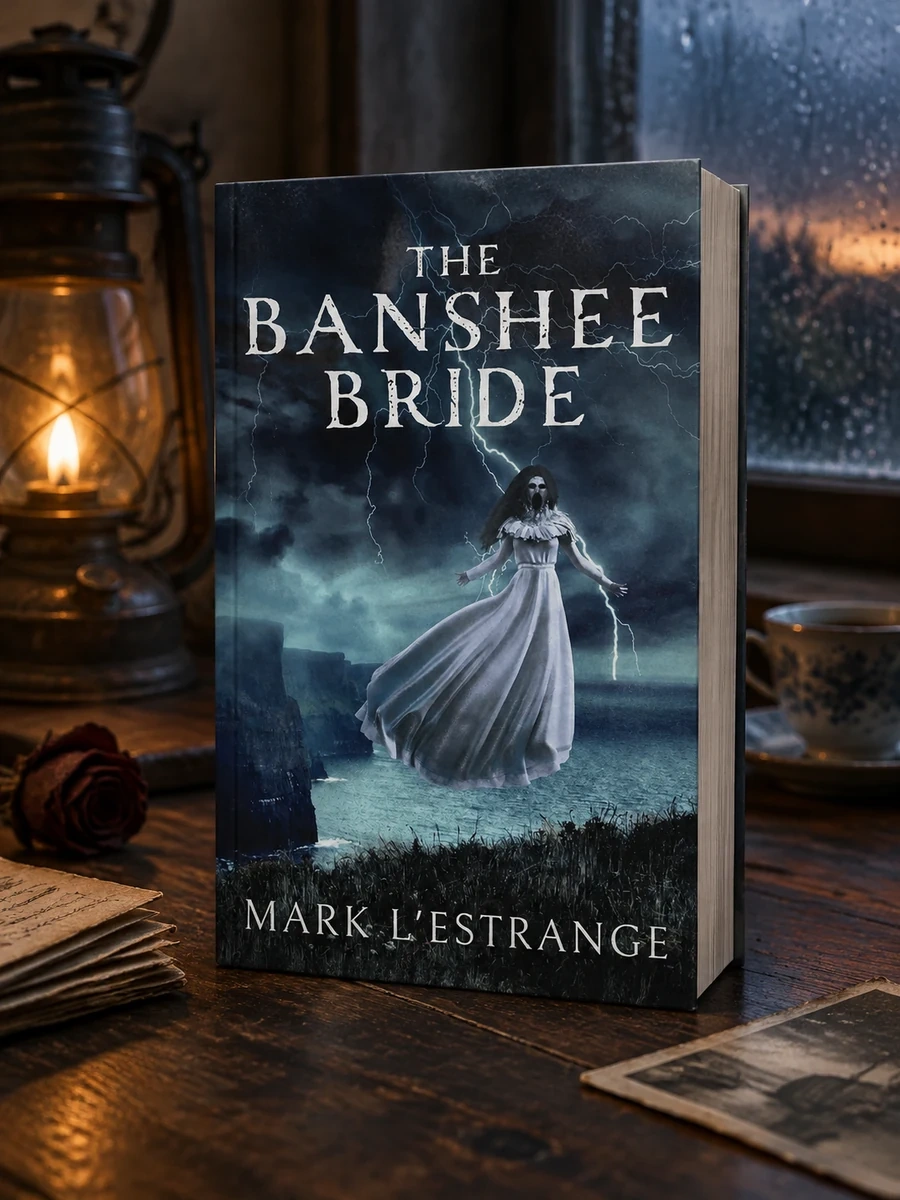
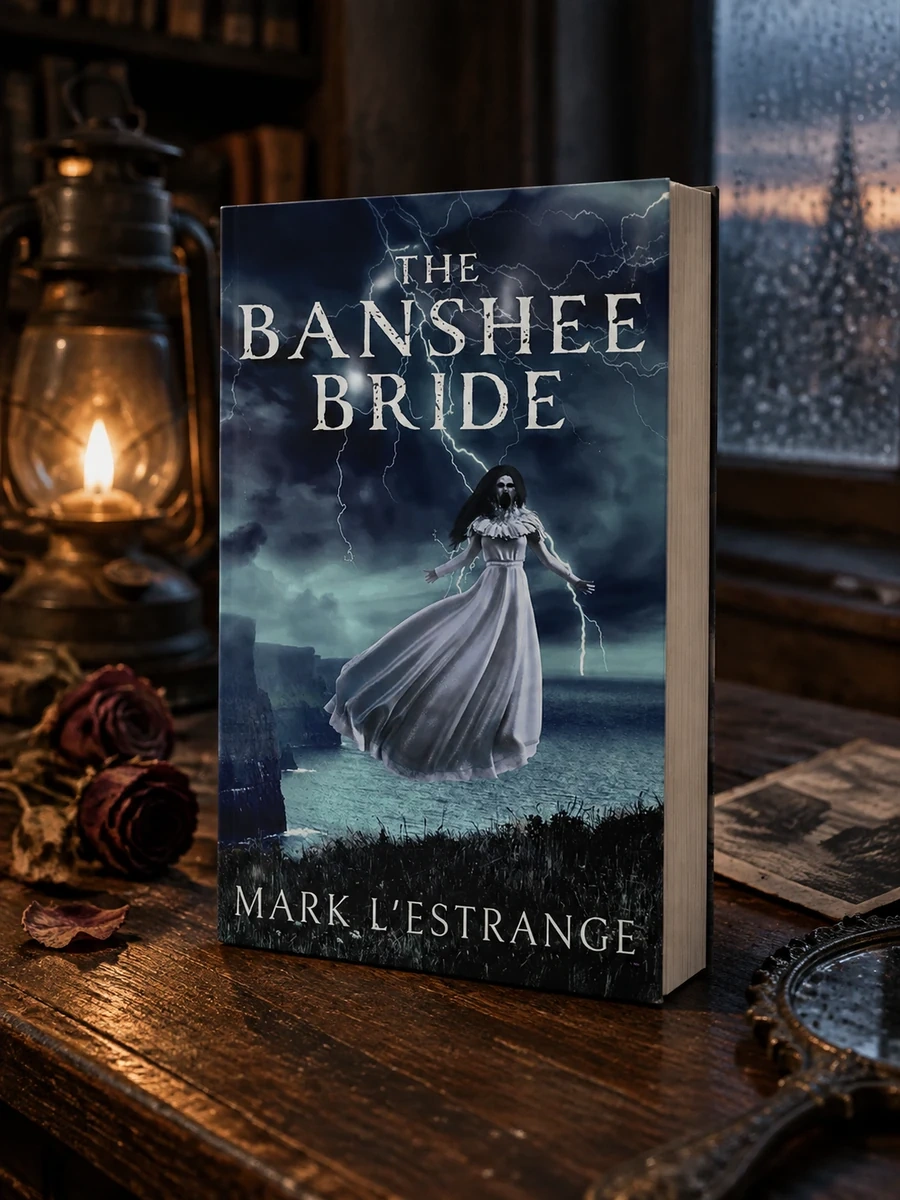
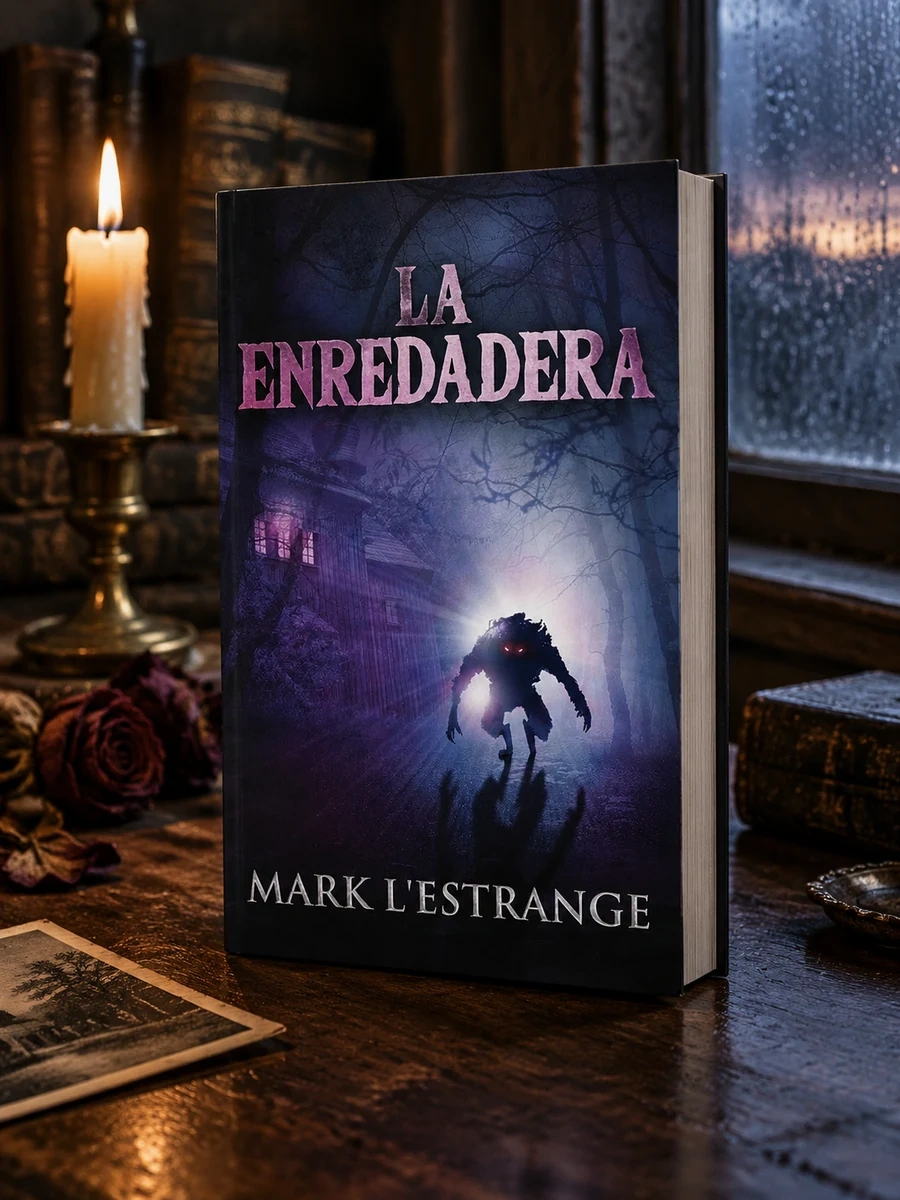
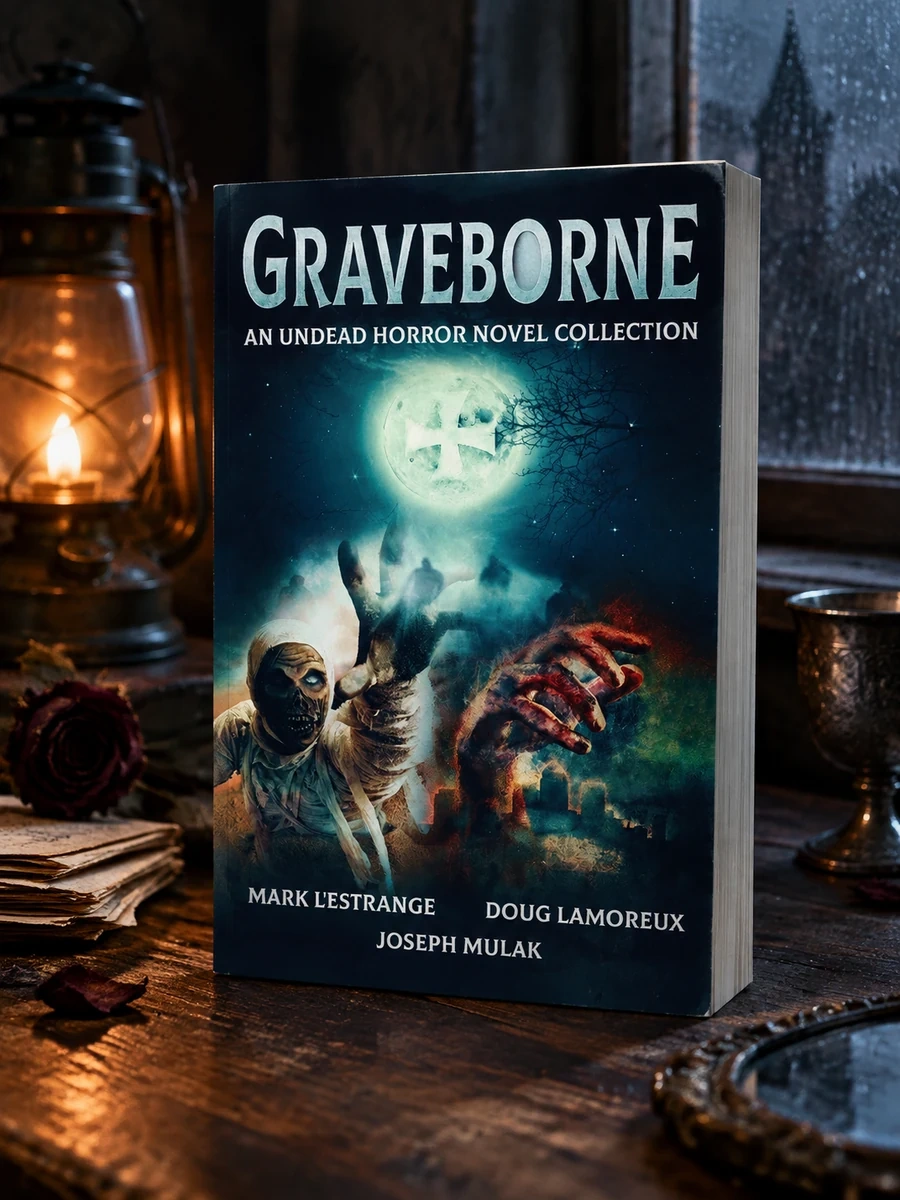
✍️ More books by this author Mark L'Estrange
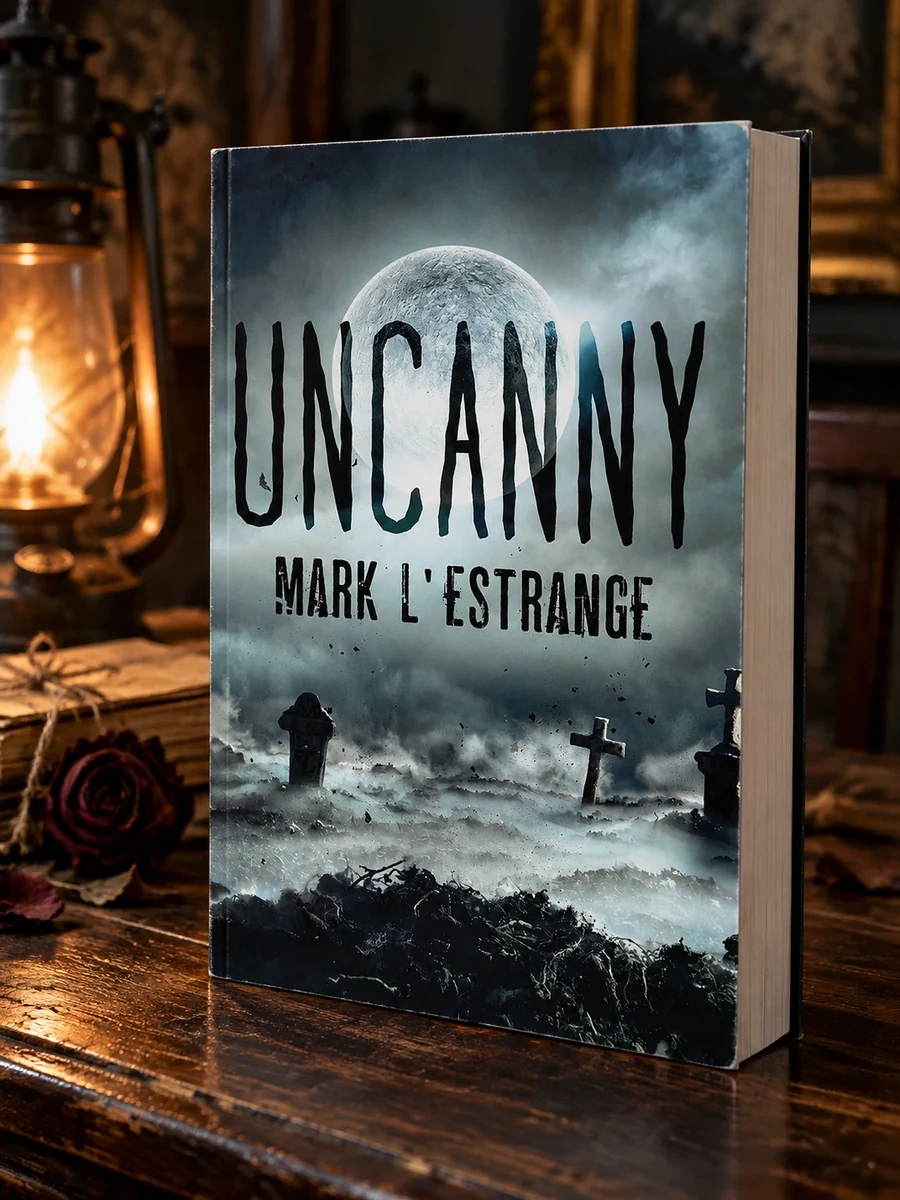


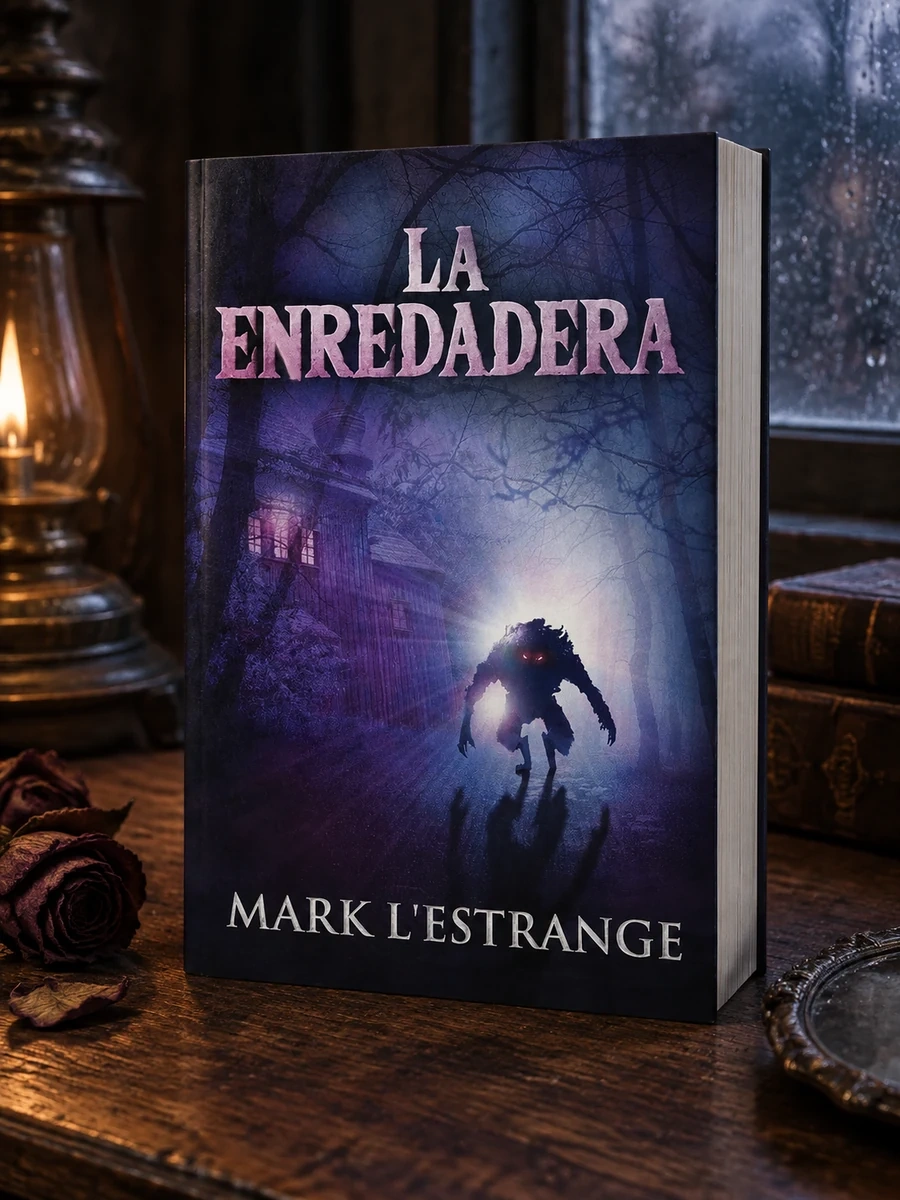
🏛 Books from this publisher Next Chapter


You might also like
See more →
Have a question about this item?
Ask about the edition, condition, delivery or anything else — we reply by email or phone, usually within a day.
