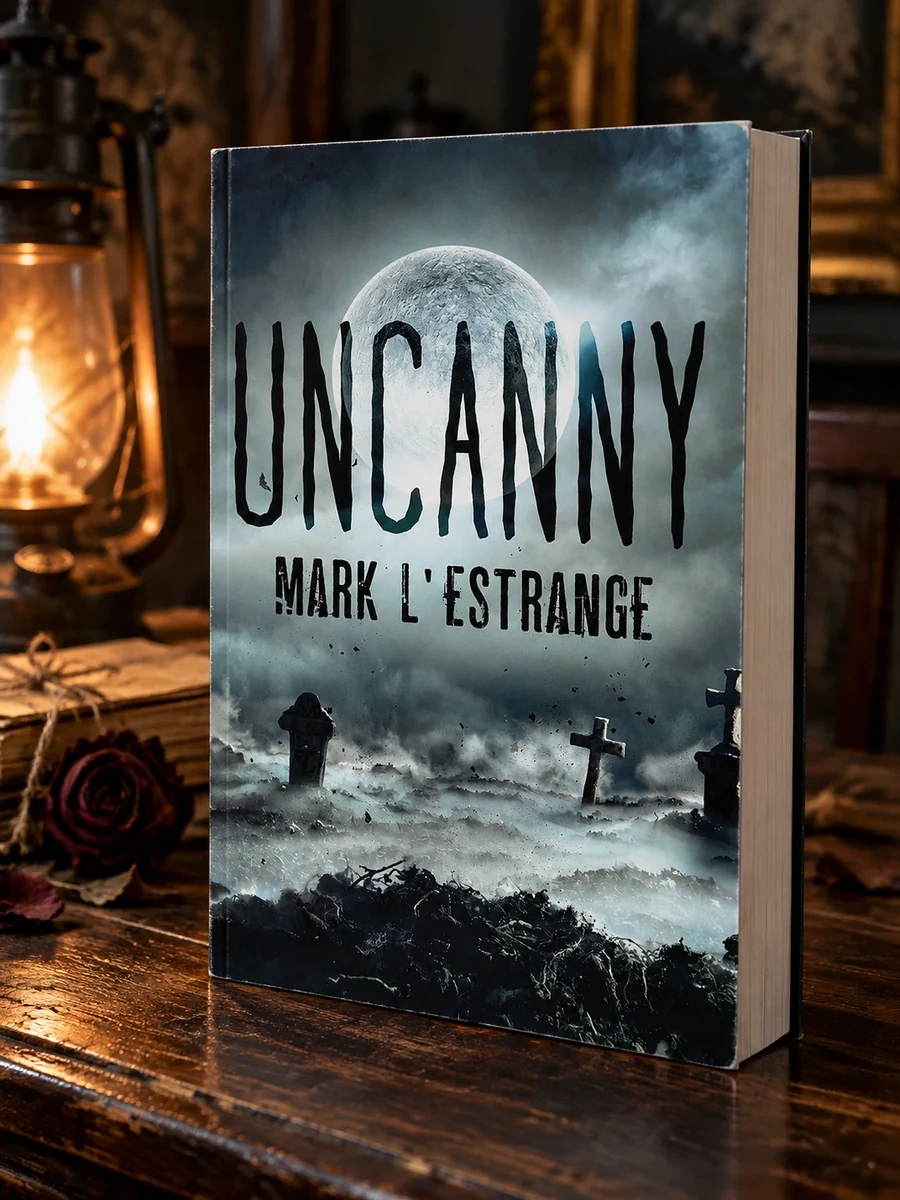
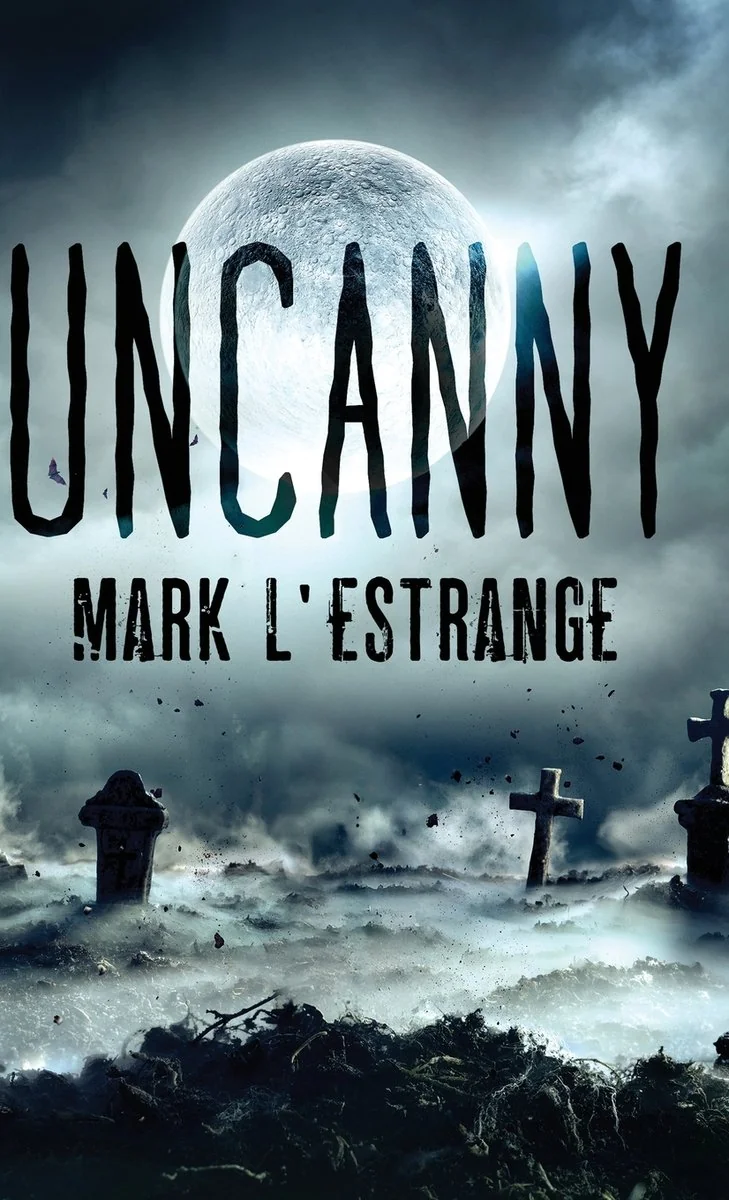
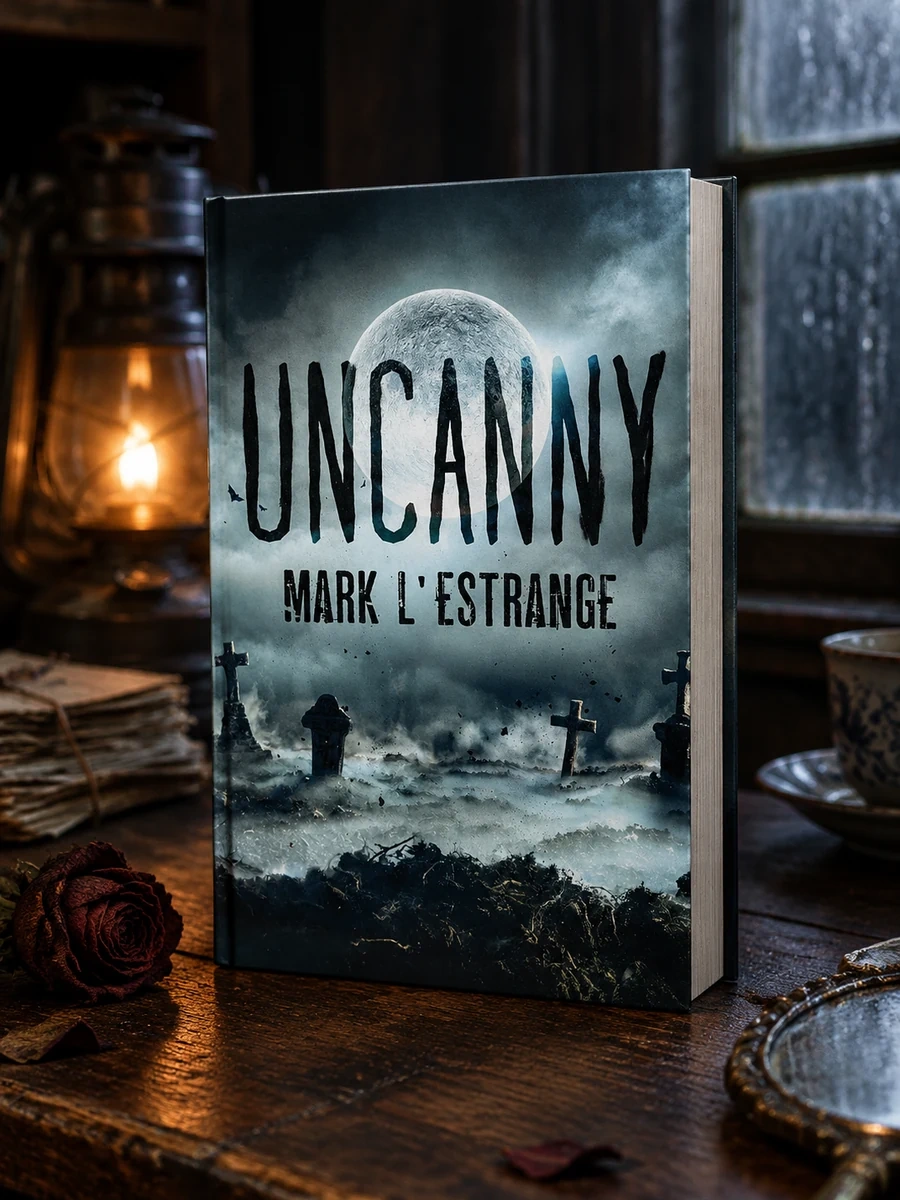
Uncanny
A psychiatrist hosts five clients, one of whom is a spirit unaware of their death.
The narrative focuses on Professor Earnest Grossman's attempt to cure his patients through group therapy. He selects individuals who have survived near-death experiences. The session takes place in isolation during severe weather. Grossman believes that recounting these events will break the cycle of trauma. However, he does not initially know that one participant is deceased. This spirit is part of the group but lacks self-awareness regarding their condition. As the therapy progresses, Grossman tries to uncover who does not belong. The tension rises as the dead client's presence becomes undeniable. The story examines how guilt and denial can trap a soul. It also questions the nature of reality and acceptance. The resolution hinges on whether the spirit can face its end.
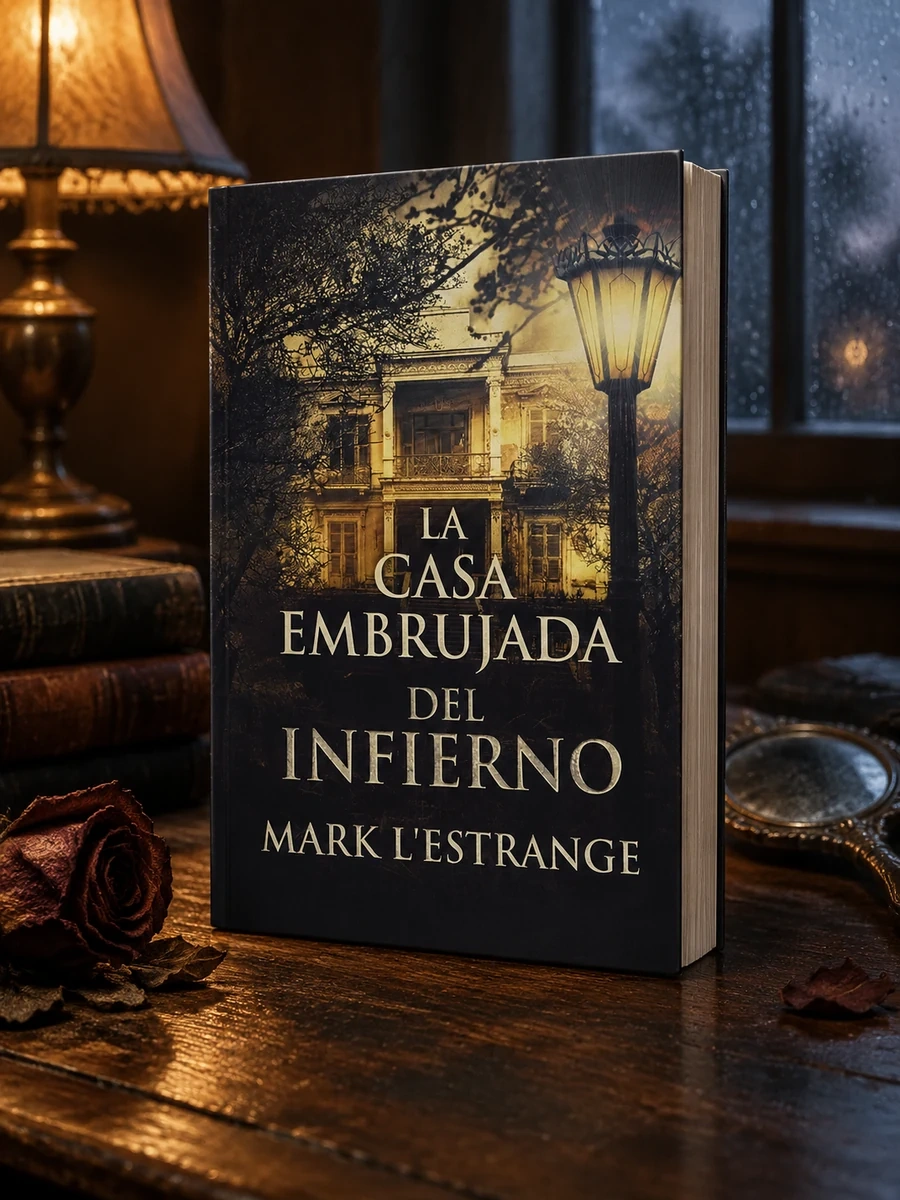
The book is published by Next Chapter in 2026. It draws on the tradition of English countryside gothic horror. The setting relies on storm-lashed isolation to create tension. The narrative structure mirrors classic haunted house tales but focuses on psychological trauma rather than physical hauntings.


📝 Description: Uncanny
💎 Our verdict on Uncanny
📖 Why choose it
Why this book is worth reading
Readers who appreciate slow-burn psychological horror and atmospheric ghost stories will find this narrative compelling. The book offers a tense exploration of guilt, denial, and the nature of reality through the lens of a trapped group therapy session. Those interested in how trauma manifests supernaturally may enjoy the premise of a spirit unaware of its own death. However, it is best suited for those who prefer deliberate pacing and intellectual engagement over fast-paced action or explicit gore. It serves as an excellent choice for fans of claustrophobic settings where the terror stems from psychological unraveling rather than physical threats.
⭐ Reader reviews
Reader rating
L'Estrange constructs a tense, atmospheric tale rooted in gothic traditions, utilizing the storm-lashed estate to enhance claustrophobia and dread. The premise of a psychiatrist attempting to cure clients while one is actually a deceased spirit provides a unique twist on the haunted house trope. The narrative effectively examines how guilt can trap a soul, blending psychological depth with supernatural elements. While the pacing may feel too deliberate for action-seekers, it rewards patience with a compelling inquiry into acceptance and reality. This is a refined entry in the genre, prioritizing mood and character dynamics over shock value.
📖 Read on the blog
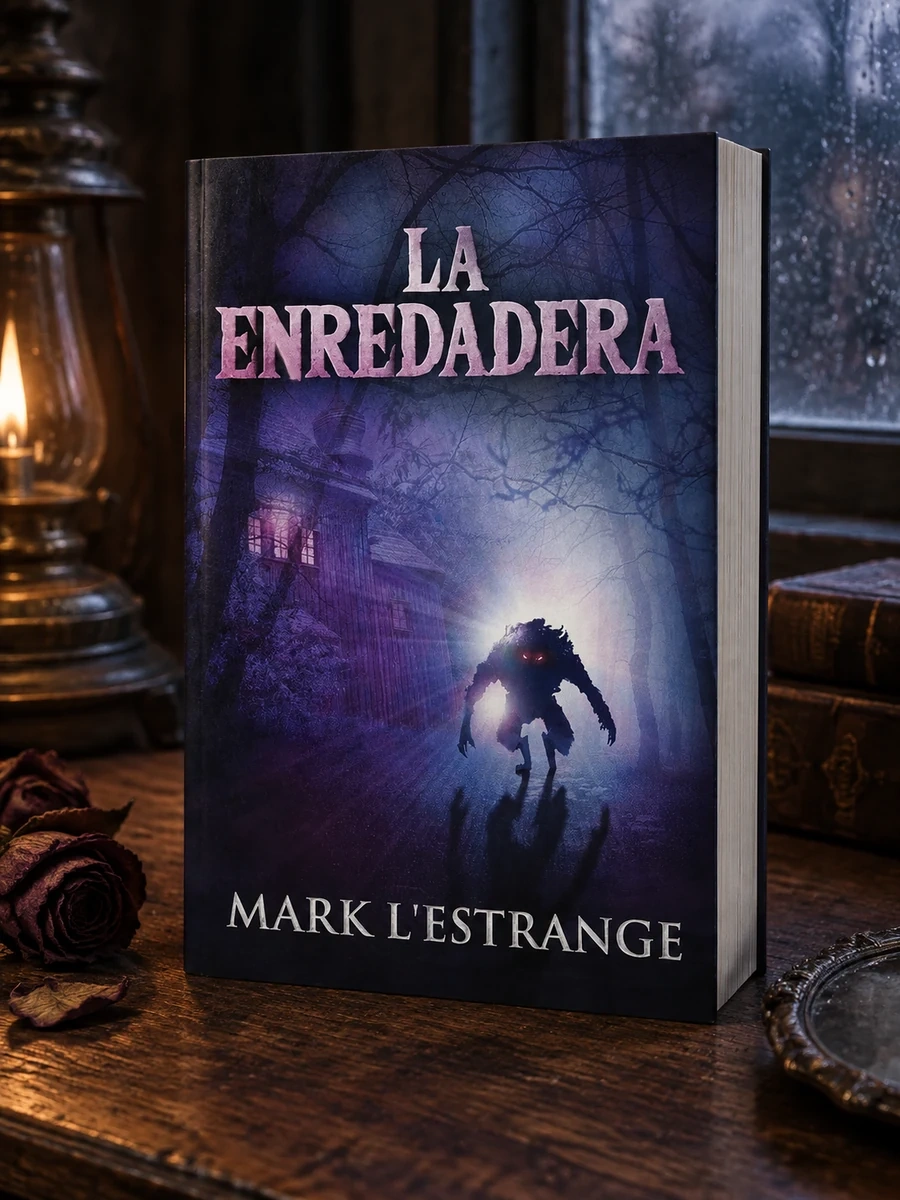
✍️ More books by this author Mark L'Estrange




🏛 Books from this publisher Next Chapter
You might also like
See more →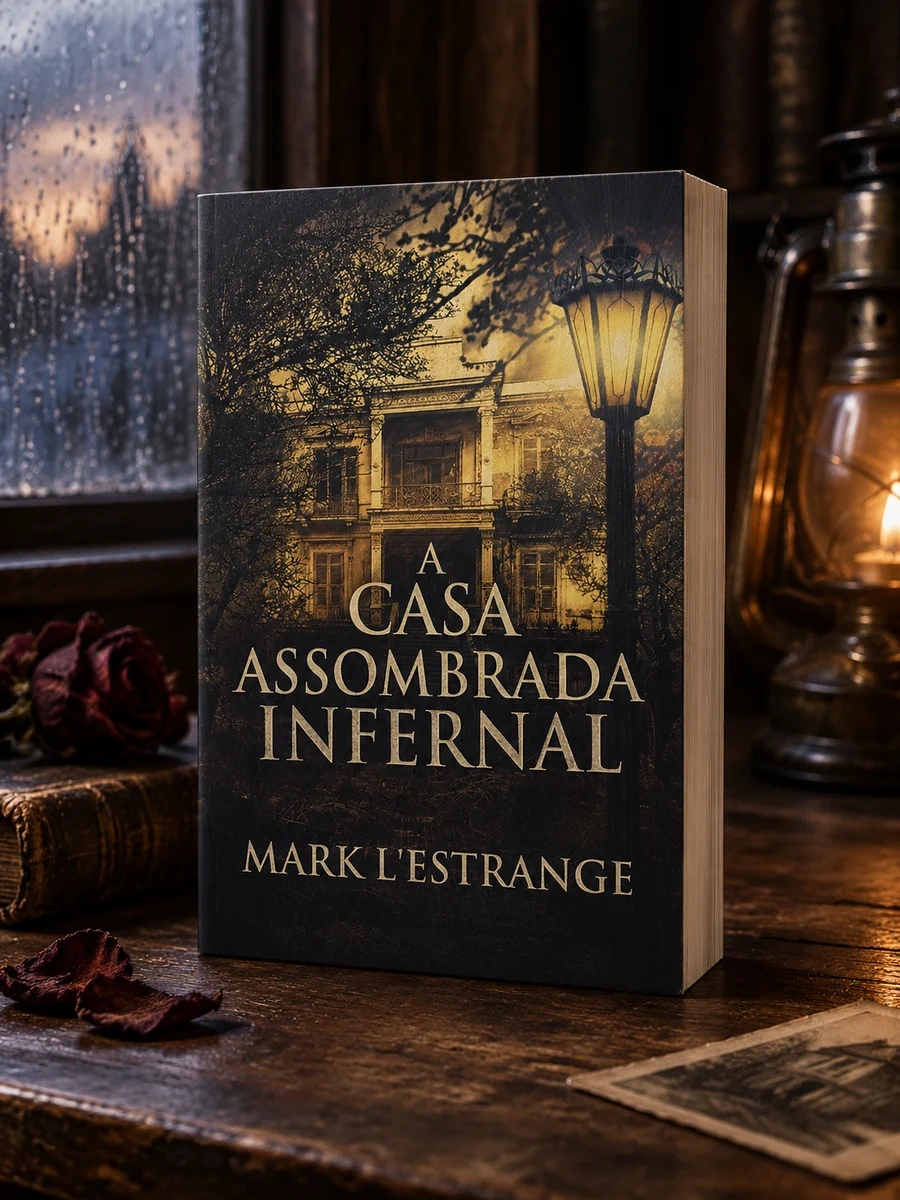
Have a question about this item?
Ask about the edition, condition, delivery or anything else — we reply by email or phone, usually within a day.
