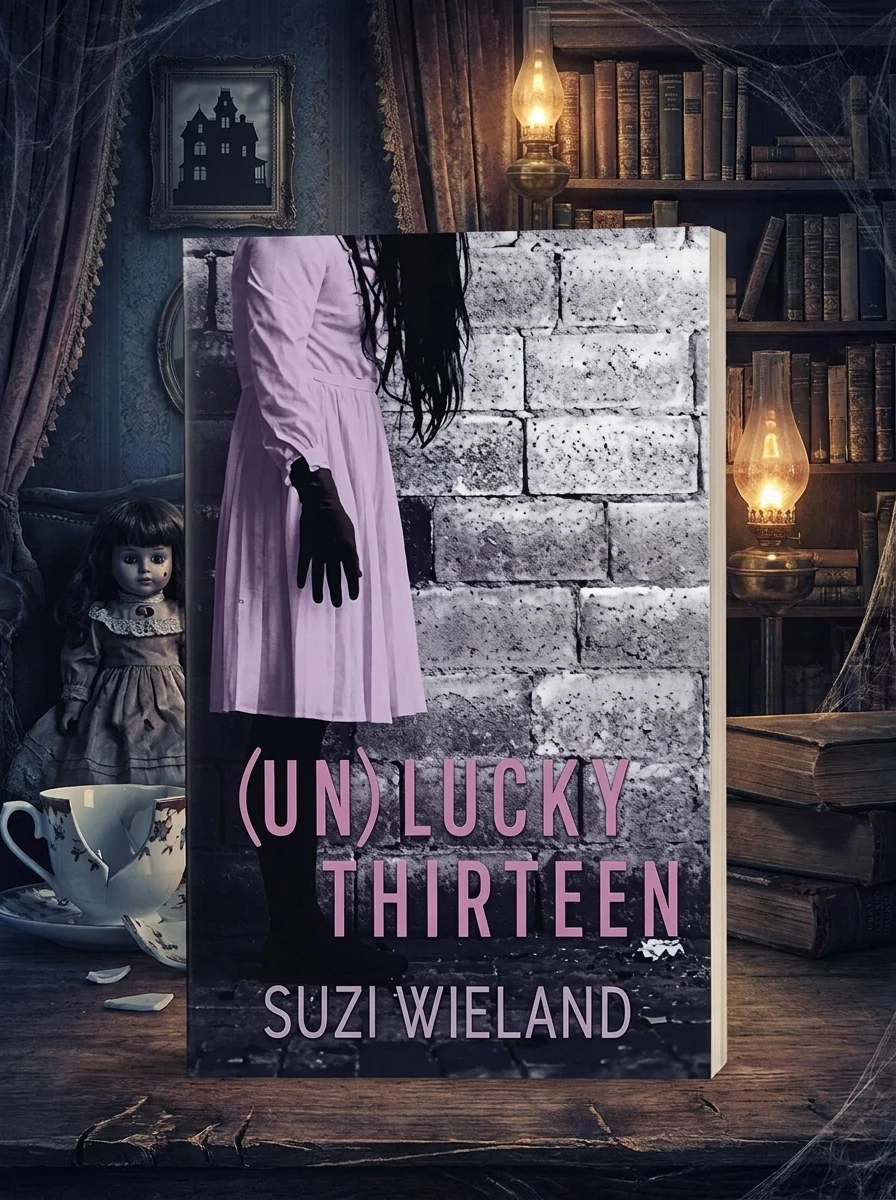
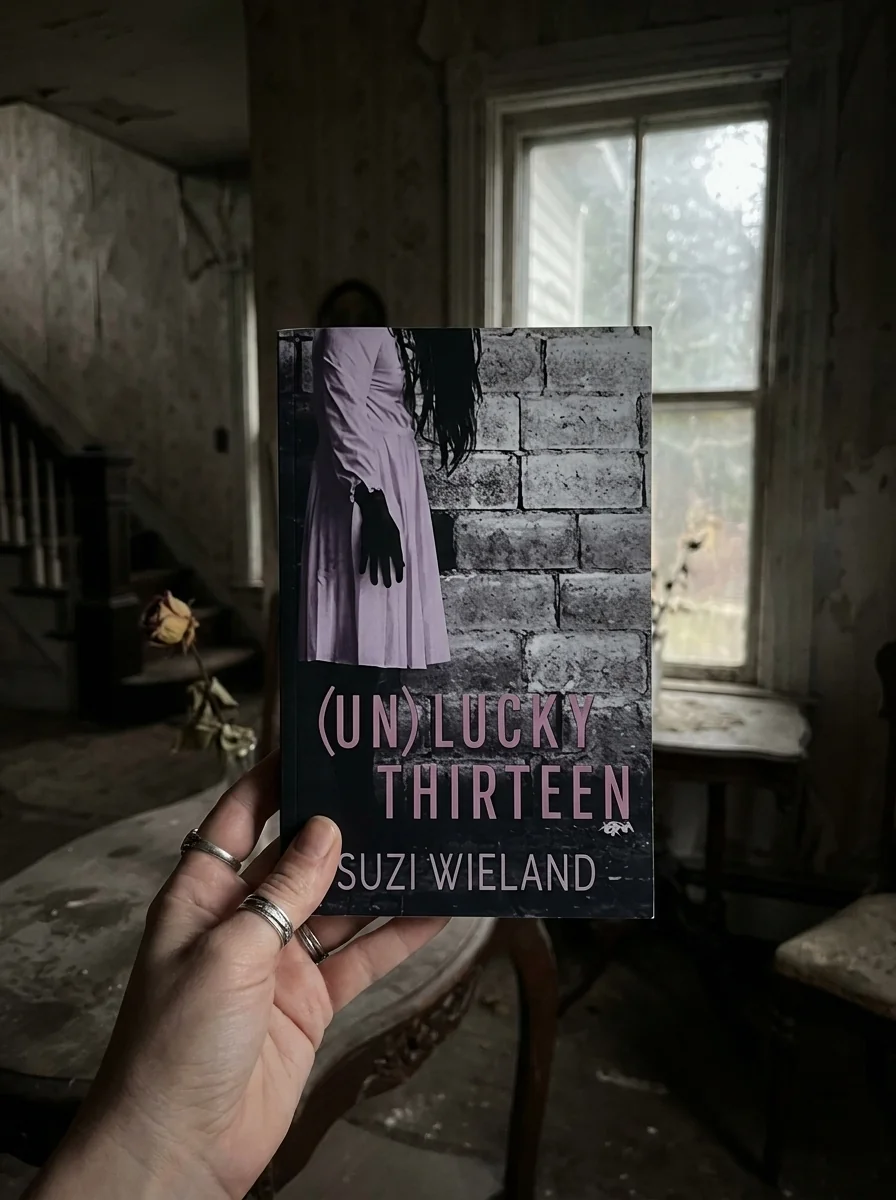
Un(lucky) Thirteen
A trapped woman faces a sinister child in a deceptive Victorian home.
Wieland uses the familiar trope of a friendly neighborhood to create unease. Cara’s encounter with Lindsey begins with innocent curiosity but quickly turns into a nightmare. The house acts as a cage, isolating Cara from the outside world. The narrative does not rely on gore but on the psychological horror of being hunted by someone who appears harmless. This approach highlights the vulnerability of adults when confronted with supernatural evil disguised as childhood innocence. The story is organized around Cara’s realization of her predicament and her subsequent struggle for freedom. It avoids traditional monster tropes, focusing instead on the specific threat posed by Lindsey. The tension builds through Cara’s internal monologue and her observations of the house’s oppressive atmosphere. This novella offers a tight, focused experience that leaves readers with lingering discomfort rather than resolution.
This novella sits within the contemporary American horror tradition, drawing on gothic architecture tropes. It reflects modern anxieties about safety in familiar spaces. The Victorian setting evokes historical dread while the narrative remains firmly in a present-day context.


📝 Description: Un(lucky) Thirteen
💎 Our verdict on Un(lucky) Thirteen
📖 Why choose it
Why this book is worth reading
Readers who enjoy psychological suspense and supernatural fiction will find this novella compelling due to its tight, focused experience. It offers a concise delivery of dread without relying on gore or traditional monster tropes. The narrative highlights the vulnerability of adults when confronted with sinister forces disguised as harmless childhood innocence. Those seeking short, intense narratives that rely on atmosphere rather than complex plots will appreciate the lingering discomfort it leaves. It is ideal for fans of stories where the setting acts as a cage and trust is betrayed by those appearing benign.
⭐ Reader reviews
Reader rating
Wieland constructs horror around the betrayal of trust, revealing that the true threat is not the adult male figure but the child herself. The narrative builds tension through Cara’s internal monologue and observations of the oppressive atmosphere within the Victorian home. This approach effectively subverts familiar tropes to create genuine unease. Readers who prefer long-form epics or non-supernatural mysteries may find it too focused on immediate tension. However, those valuing atmospheric dread over historical depth will appreciate the concise exploration of domestic terror. The novella succeeds by maintaining a relentless focus on psychological horror rather than resolving its predicament.
📖 Read on the blog
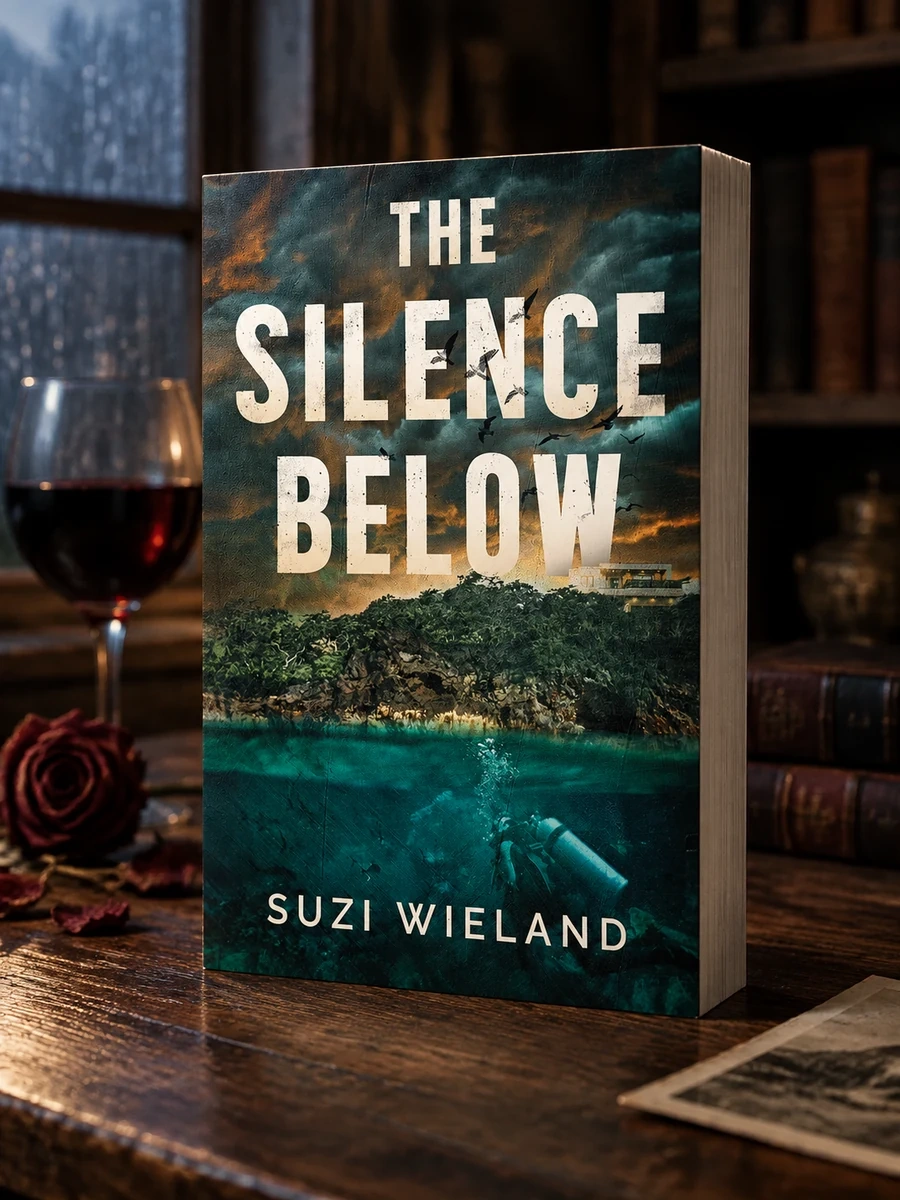
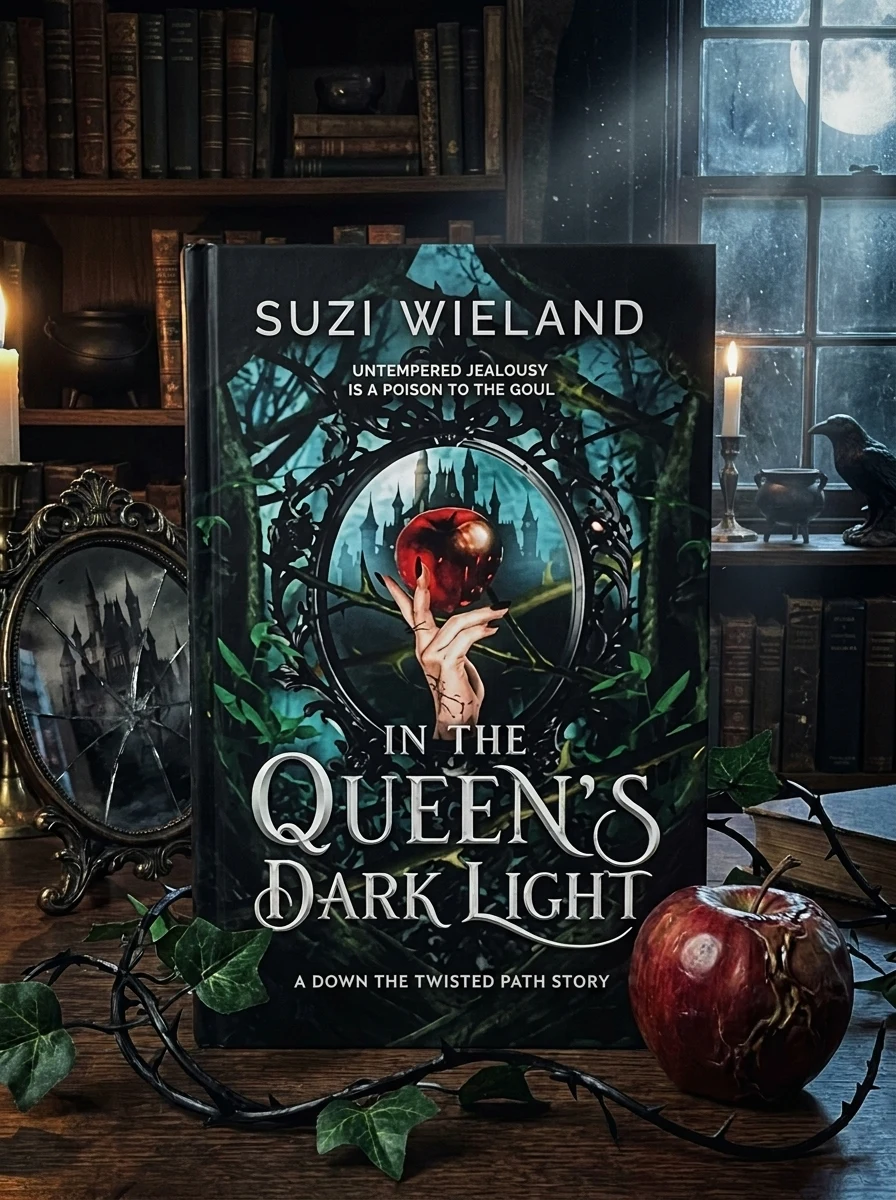
✍️ More books by this author Suzi Wieland


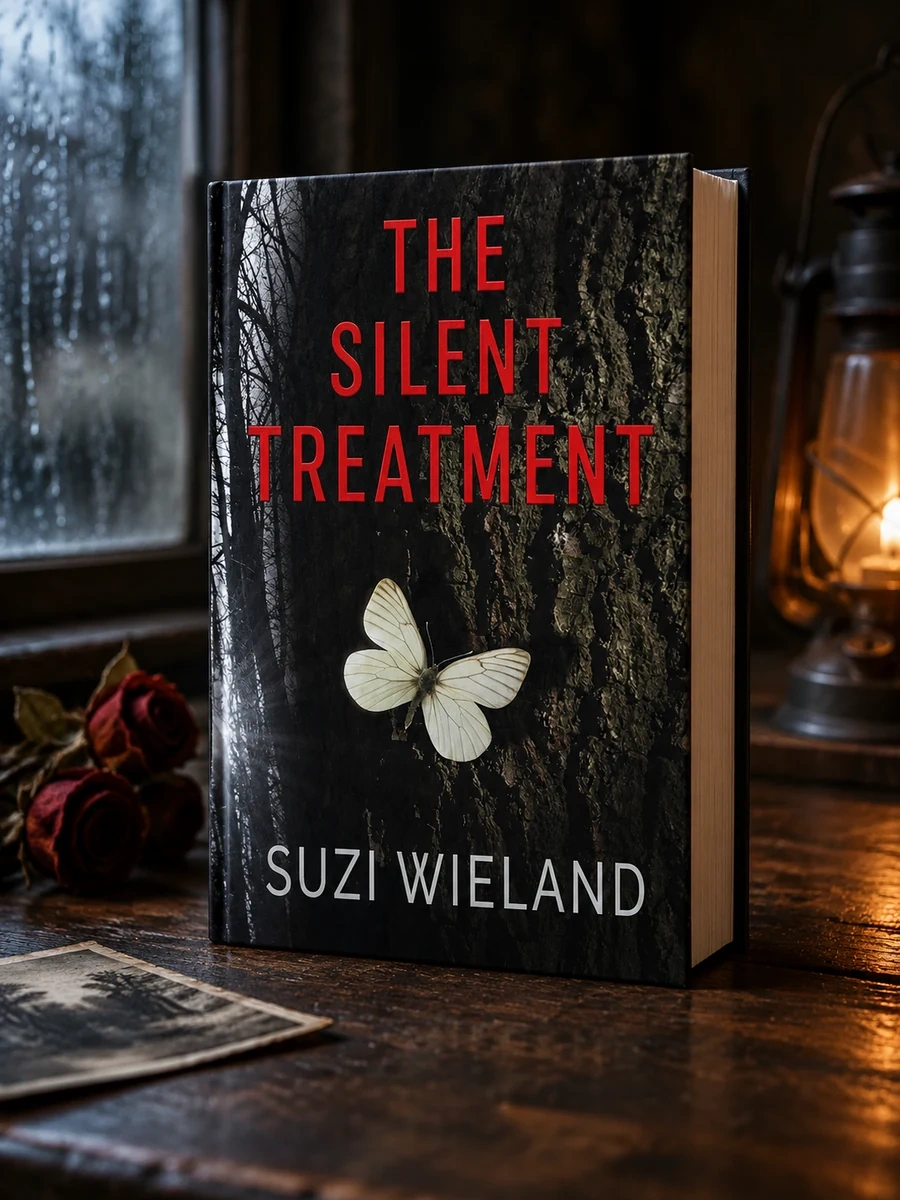
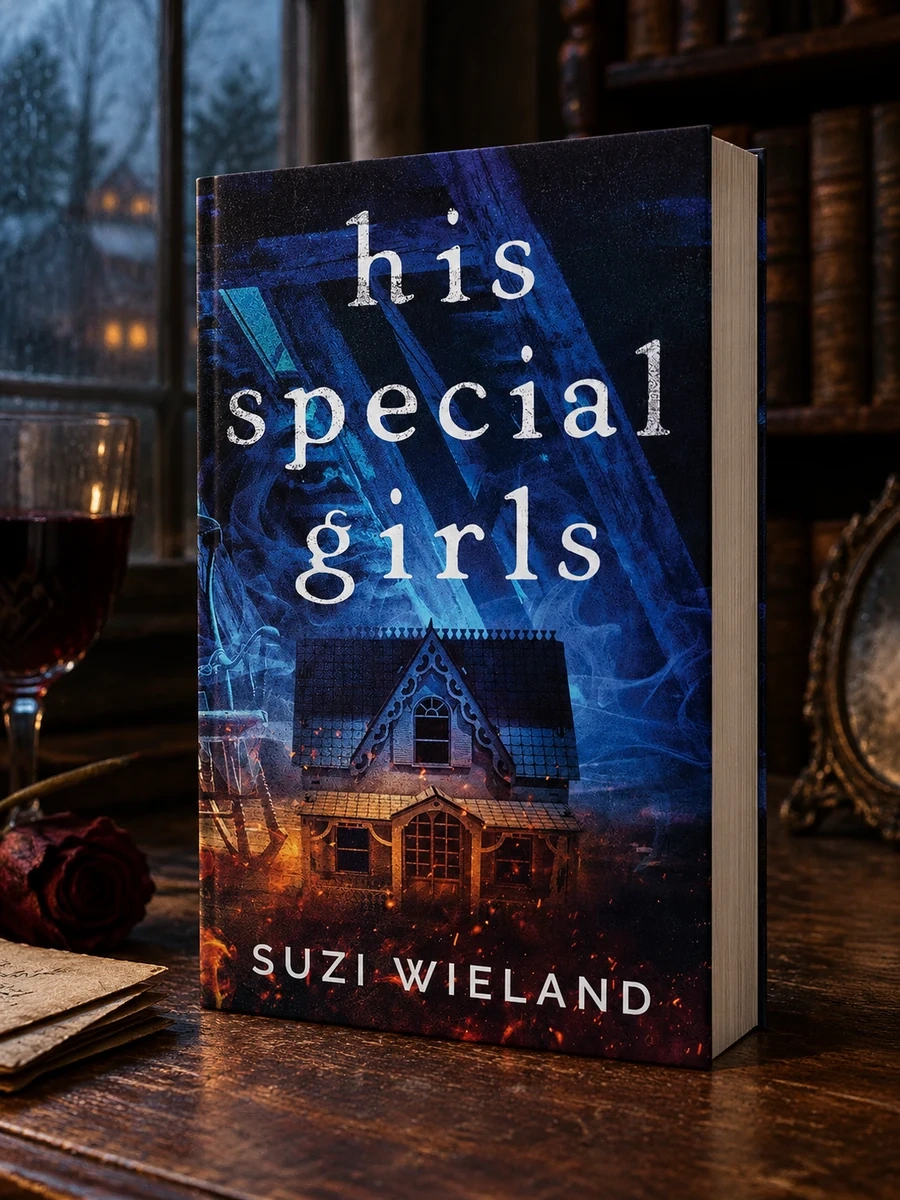
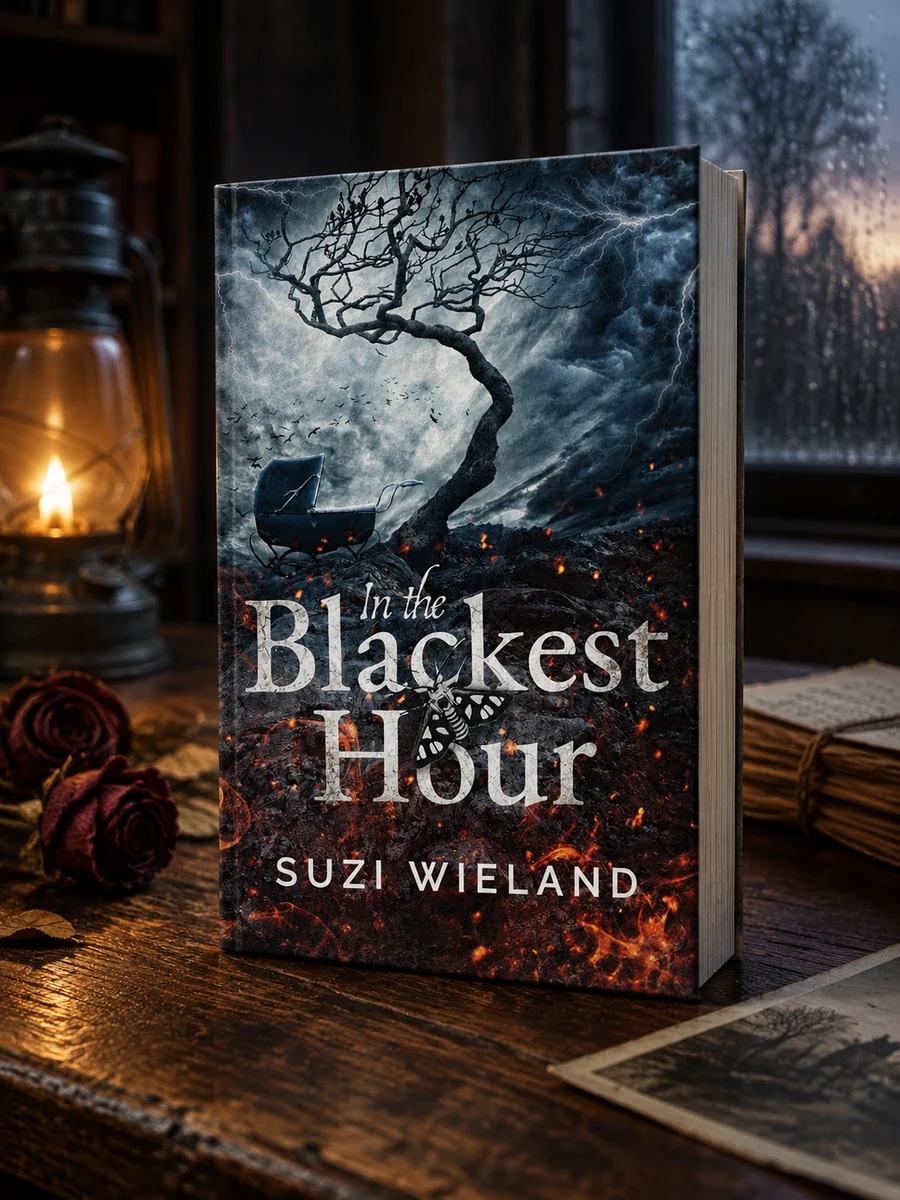
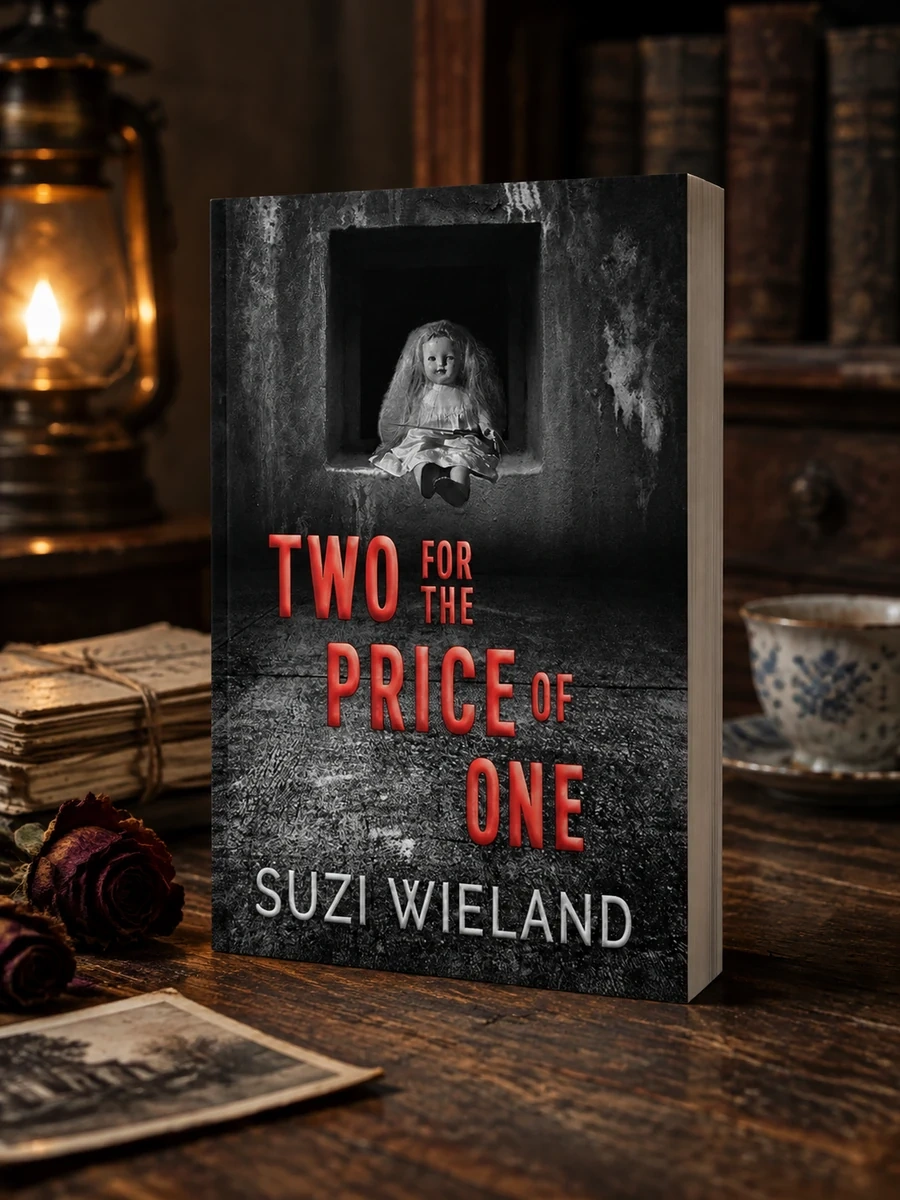
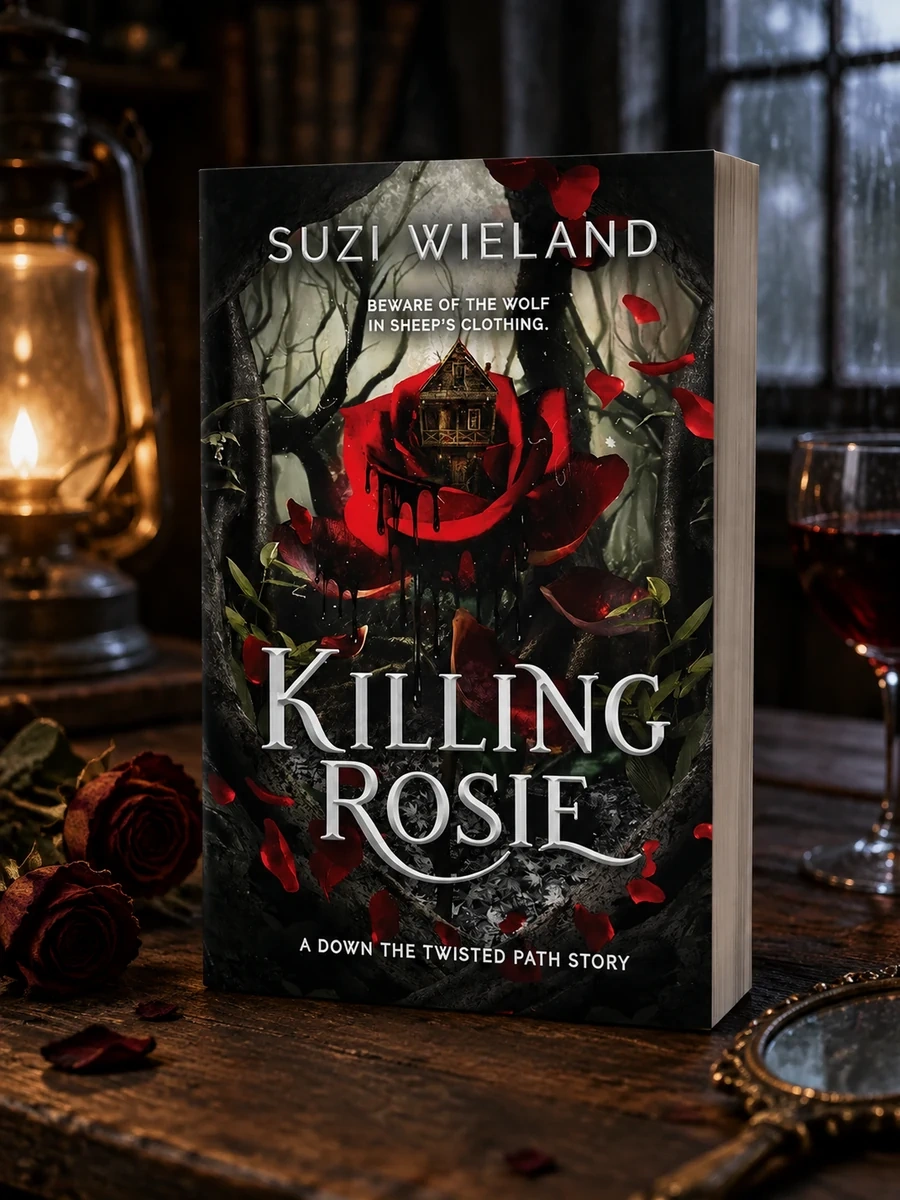
🏛 Books from this publisher Twisted Path Press
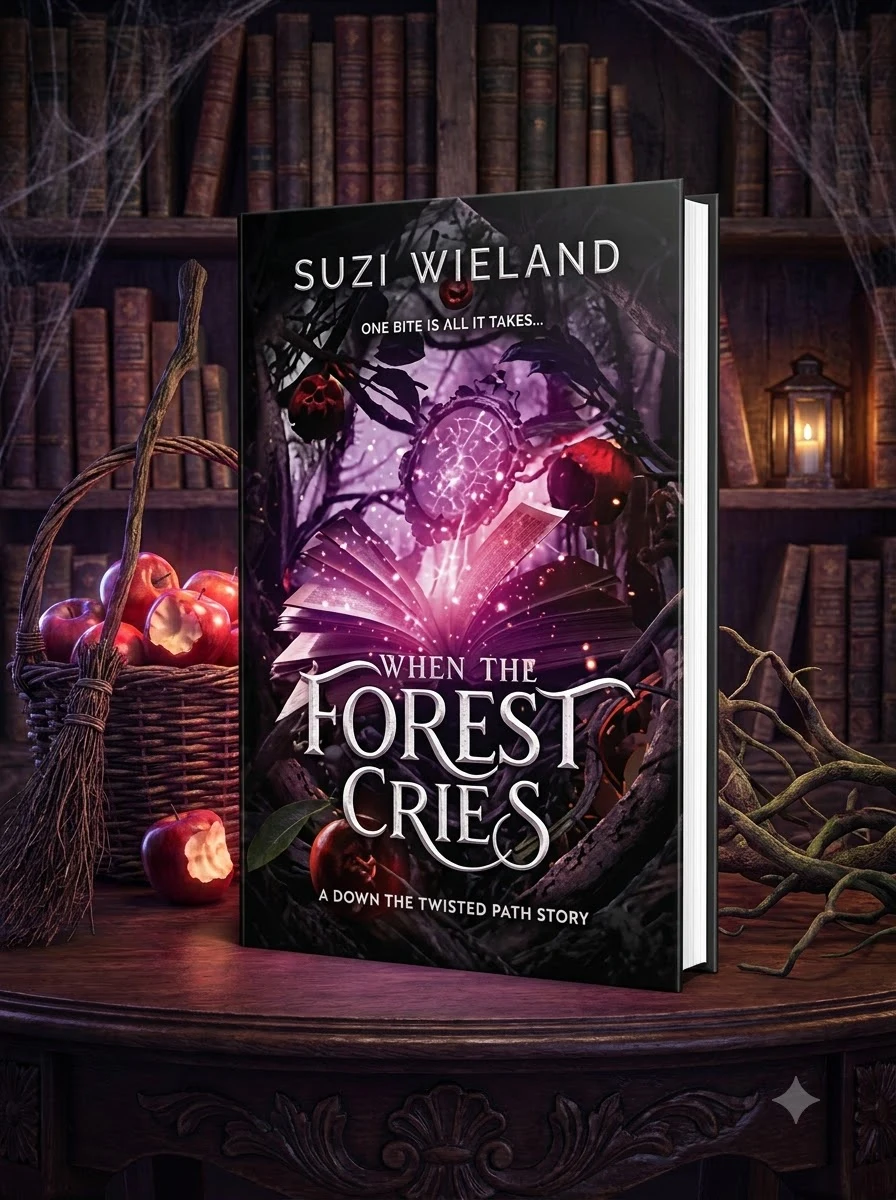
You might also like
See more →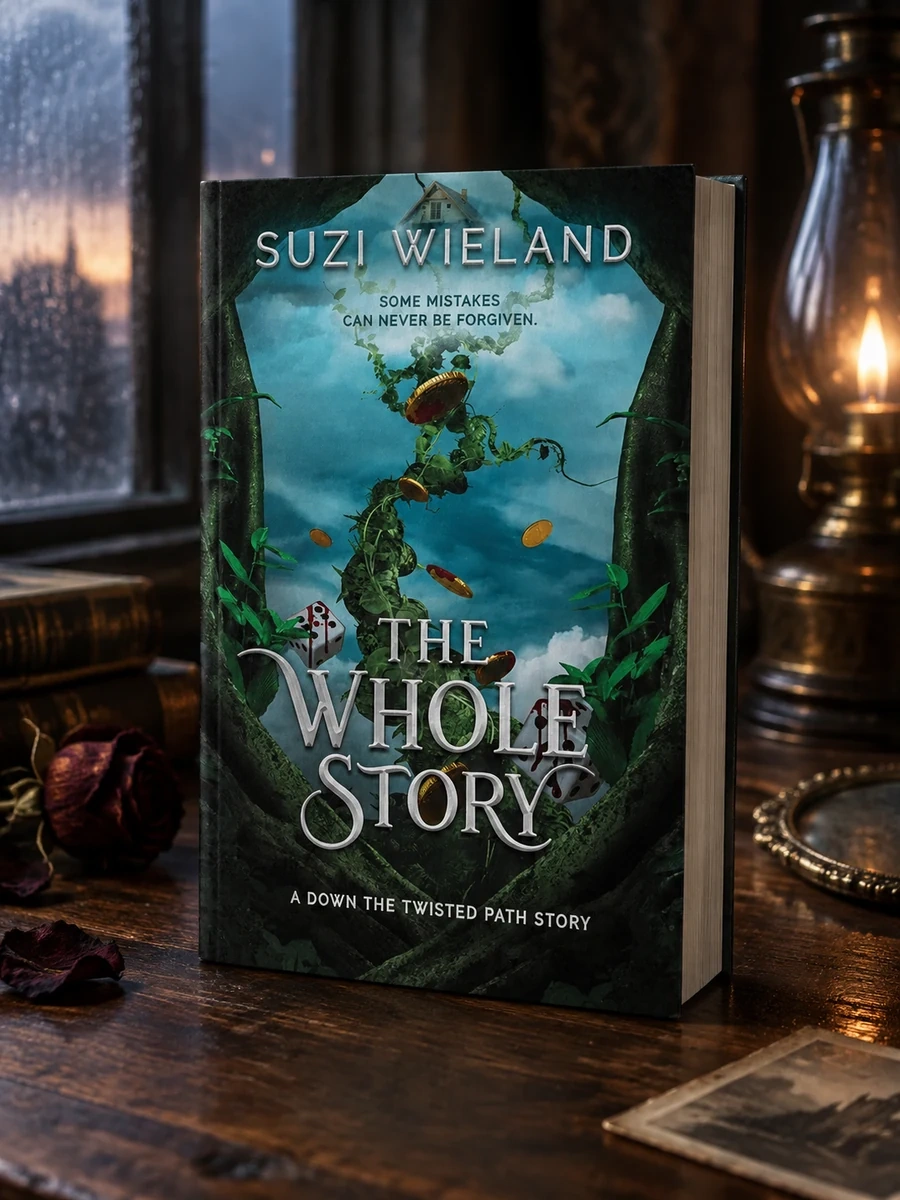




Have a question about this item?
Ask about the edition, condition, delivery or anything else — we reply by email or phone, usually within a day.
