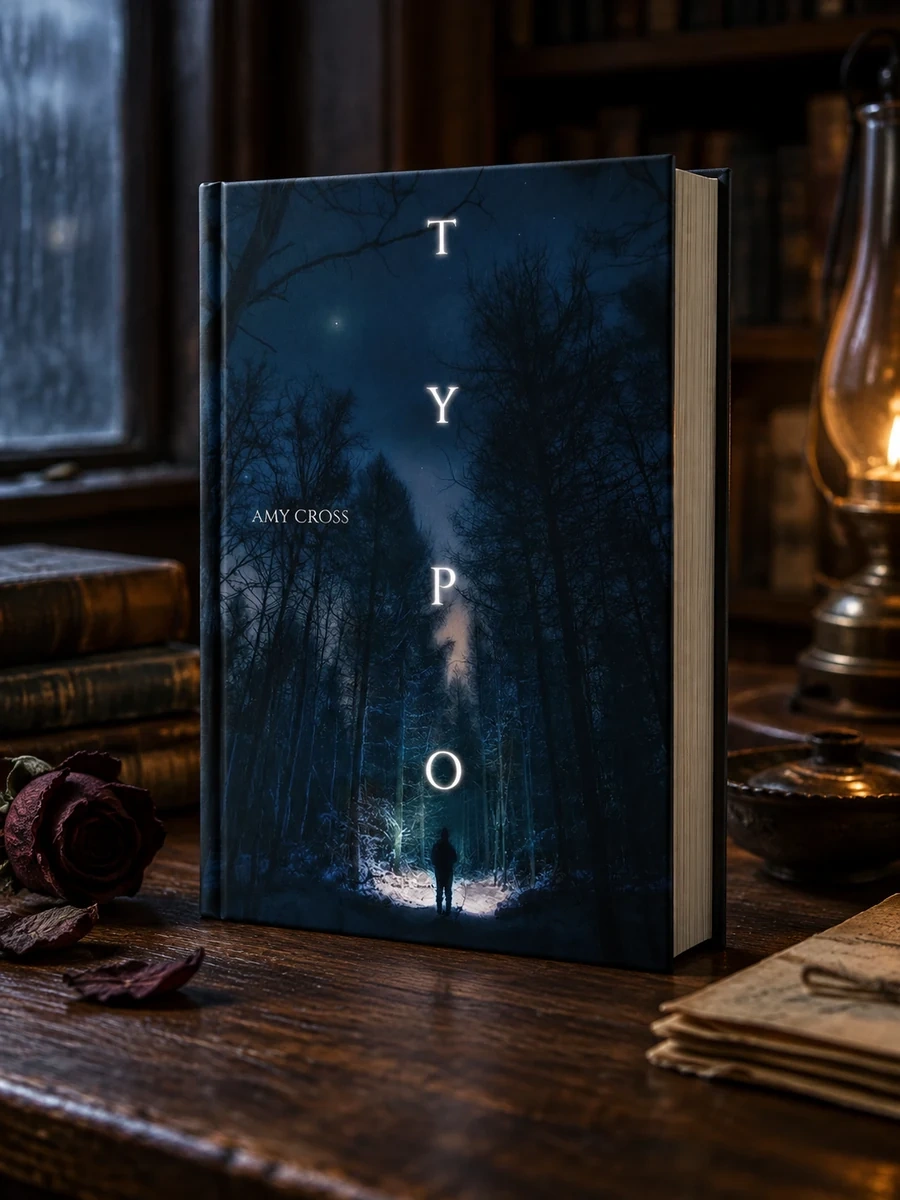
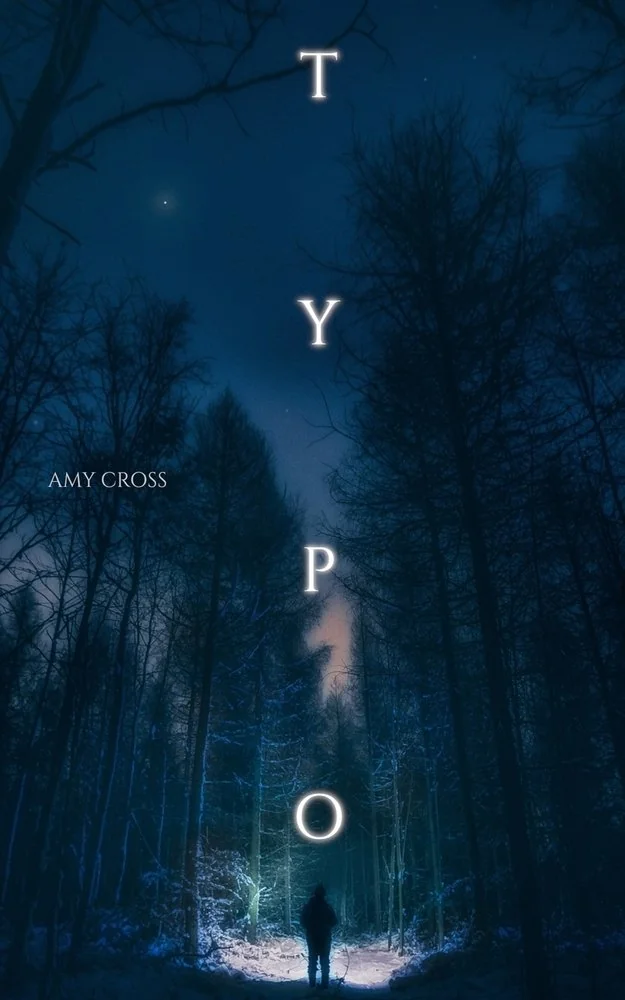
Typo
A successful author fears dementia while a remote forest home reveals terrifying truths.
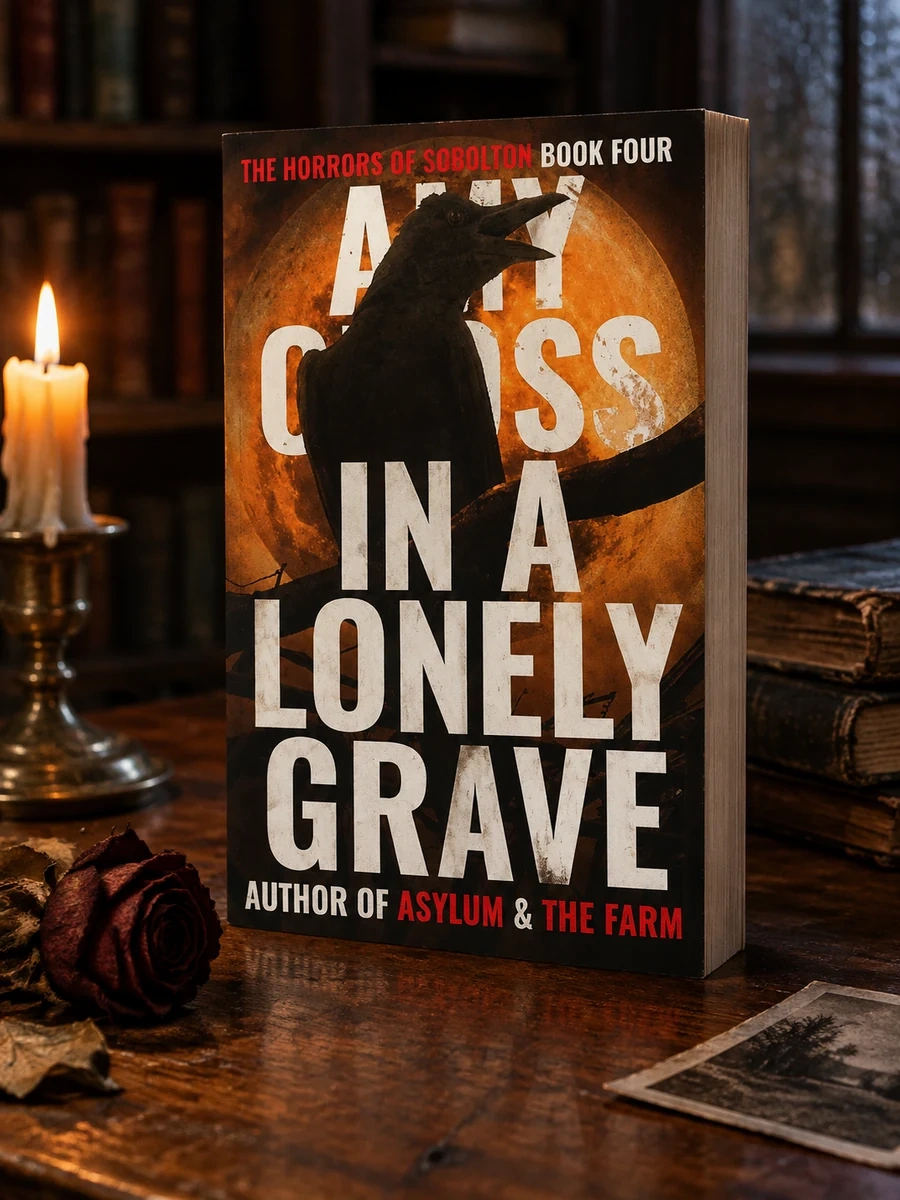
Cross explores the intersection of creative pressure and mental health through Tom Clifton’s descent into confusion. The story begins with his fear of inheriting his parents' dementia and moves to his isolated retreat where reality fractures. The presence of his editor adds professional stakes to the personal horror, as even his manuscripts reflect his declining state. The narrative focuses on the uncertainty of perception, forcing Tom to question the nature of the noises haunting him. This approach creates a claustrophobic atmosphere where the protagonist cannot trust his own senses or his work. The ending leaves the source of the horror ambiguous, emphasizing the psychological toll of the experience rather than providing a conventional resolution.
Published in 2025 by Independently Published, this title enters the contemporary market for psychological horror. It appeals to American readers interested in modern takes on domestic dread and mental health narratives within the supernatural fiction genre.


📝 Description: Typo
💎 Our verdict on Typo
📖 Why choose it
Why this book is worth reading
Readers who appreciate slow-burn tension and character-driven dread will find this narrative compelling as it dissects the intersection of creative pressure and cognitive decline. The story appeals to those interested in the uncertainty of perception, forcing the protagonist to question reality amidst a claustrophobic atmosphere where he cannot trust his own senses. It is ideal for audiences who enjoy exploring the desperate measures taken to survive deteriorating mental states. However, those seeking fast-paced action or clear supernatural explanations may find the ambiguity frustrating, as the book emphasizes the psychological toll over conventional resolution.
⭐ Reader reviews
Reader rating
Cross effectively crafts a claustrophobic atmosphere where the protagonist struggles to distinguish between memory loss and supernatural intrusion. The narrative excels in portraying the convergence of personal fear and professional failure, making the horror deeply intimate. By focusing on internal demons rather than external monsters, the book offers a nuanced examination of mental fragility. It suits readers who prefer ambiguous endings that provoke thought about whether the nightmare improves writing or shatters the mind. The approach creates genuine dread through the uncertainty of perception, though it may disappoint those desiring definitive answers regarding the source of the disturbances in the remote forest home.
📖 Read on the blog
✍️ More books by this author Amy Cross


🏛 Books from this publisher Independently Published






You might also like
See more →
Have a question about this item?
Ask about the edition, condition, delivery or anything else — we reply by email or phone, usually within a day.
