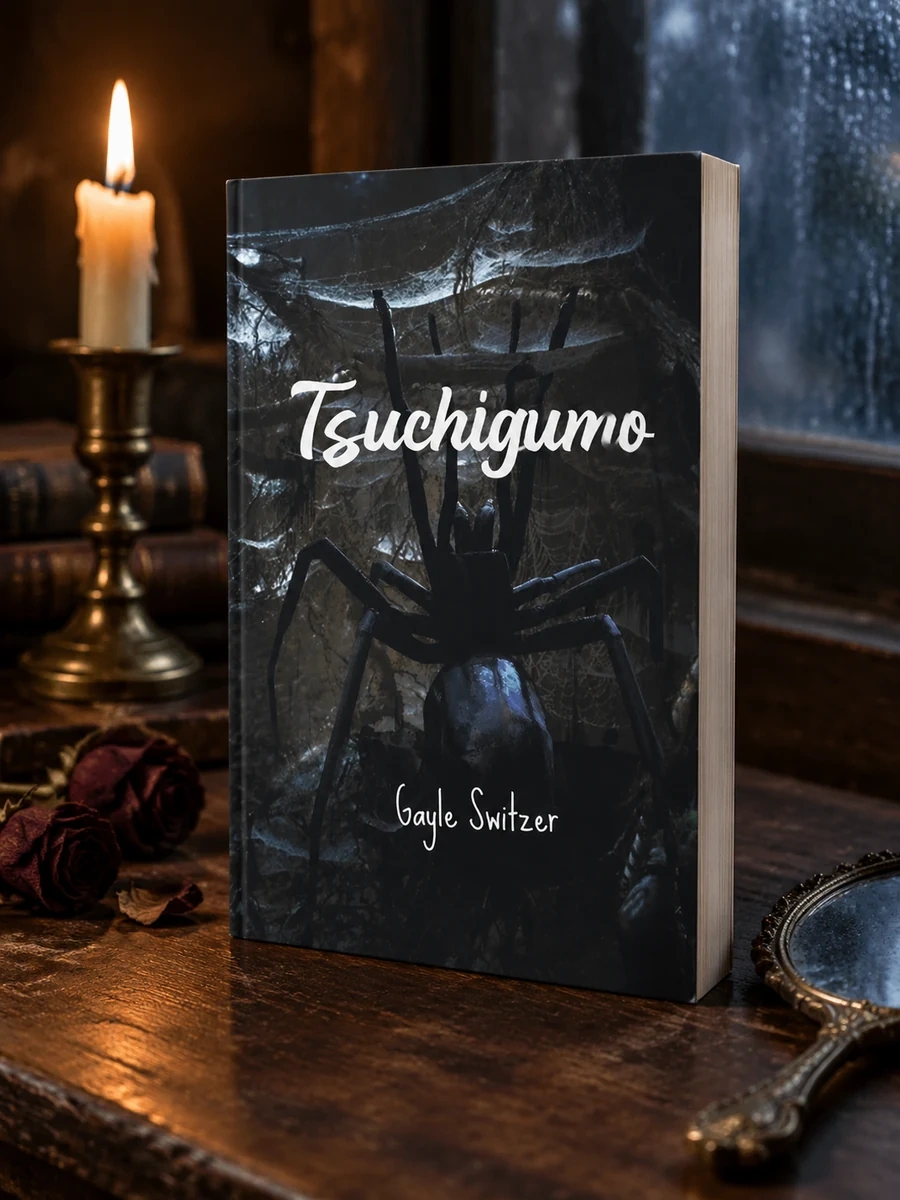
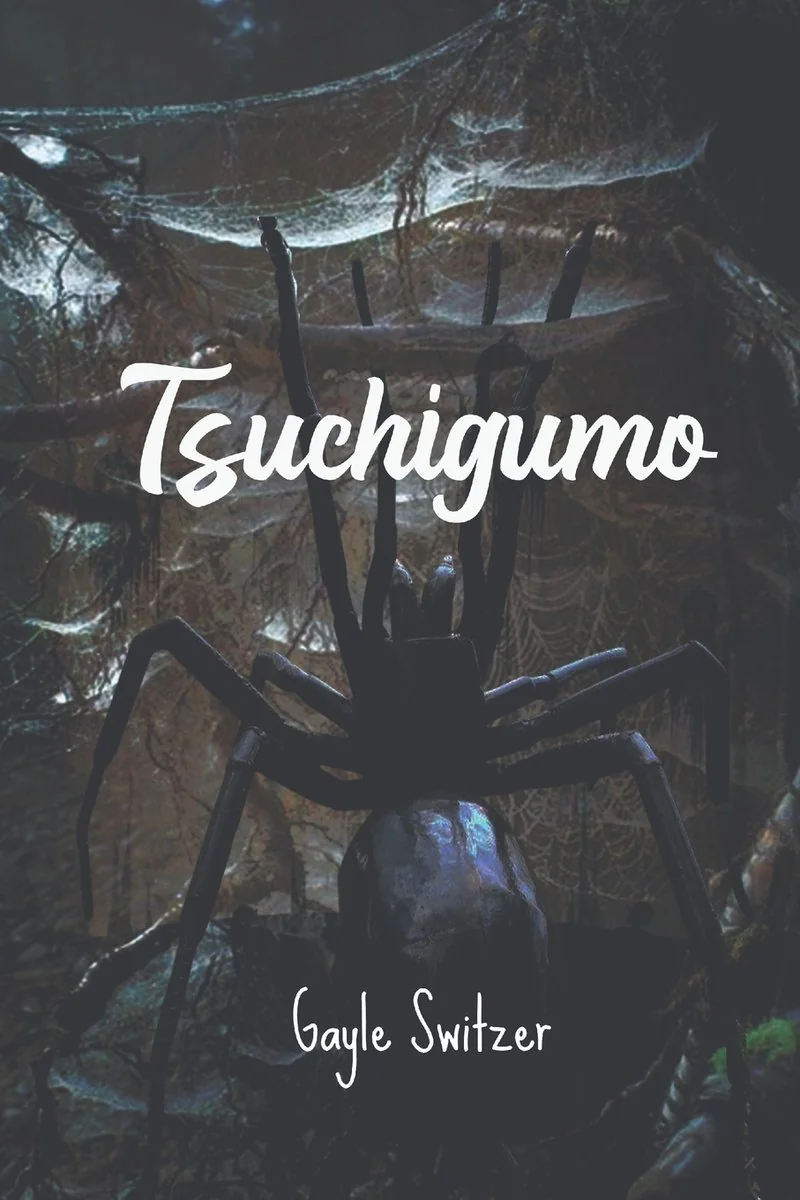
Tsuchigumo
A family battles a shapeshifting spider demon in a dilapidated house bordering an ominous forest.
The narrative centers on Asuka’s desperate search for her missing brother Renji after their home is invaded by spiders. The text draws directly from Japanese folklore, specifically the legend of the Tsuchigumo. Switzer structures the plot around the violation of domestic safety and the subsequent invasion of the natural world. The story moves from the initial warning by Aunt Rachel to the physical confrontation in the forest. It concludes with a twist regarding the nature of the monster’s mimicry abilities. This approach highlights the fear of deception within familial bonds. The book does not offer historical analysis but rather uses myth as a framework for contemporary terror. Readers interested in how traditional spirits interact with modern financial struggles will find this relevant.
The story utilizes Japanese folklore, specifically the Tsuchigumo spider demon. It places these traditional supernatural elements into a contemporary setting involving financial ruin and family displacement. The narrative bridges ancient myth with modern domestic anxiety.


📝 Description: Tsuchigumo
💎 Our verdict on Tsuchigumo
📖 Why choose it
Why this book is worth reading
Readers who enjoy psychological horror and supernatural threats derived from specific cultural myths will find this work compelling. It is ideal for those interested in how traditional spirits interact with modern financial struggles, offering a relevant examination of contemporary fears through a mythological lens. The book suits audiences who appreciate the dread of the unknown and suspense over action sequences. It appeals to fans of stories where the terror stems from the violation of domestic safety and the deception within familial bonds. Those seeking lighthearted tales or historical non-fiction will find this unsuitable, but others will gain from its exploration of trust and loss in the face of monstrous mimicry.
⭐ Reader reviews
Reader rating
Gayle Switzer crafts a modern horror narrative that effectively utilizes Japanese folklore to examine deep-seated fears regarding deception and familial trust. The story successfully builds suspense through the violation of domestic safety, moving from initial warnings to a visceral confrontation in an ominous forest. While it lacks historical analysis, it uses myth as a robust framework for contemporary terror, highlighting the dread of monsters wearing familiar faces. This approach creates a chilling atmosphere that relies on psychological tension rather than explicit action. The work is best suited for readers who appreciate supernatural threats grounded in specific cultural traditions and those interested in how ancient legends can illuminate modern anxieties about trust and survival.
📖 Read on the blog
🏛 Books from this publisher Independently Published








You might also like
See more →





Have a question about this item?
Ask about the edition, condition, delivery or anything else — we reply by email or phone, usually within a day.
