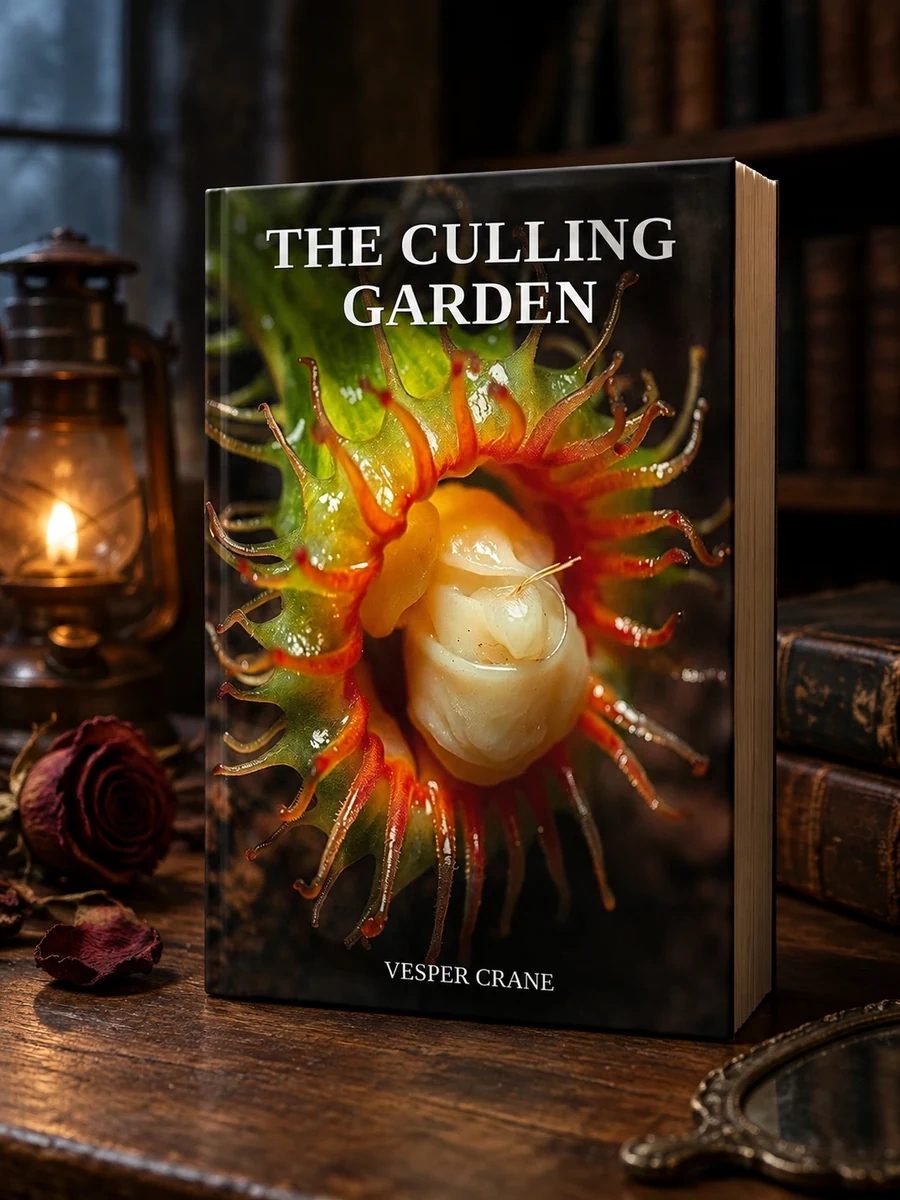
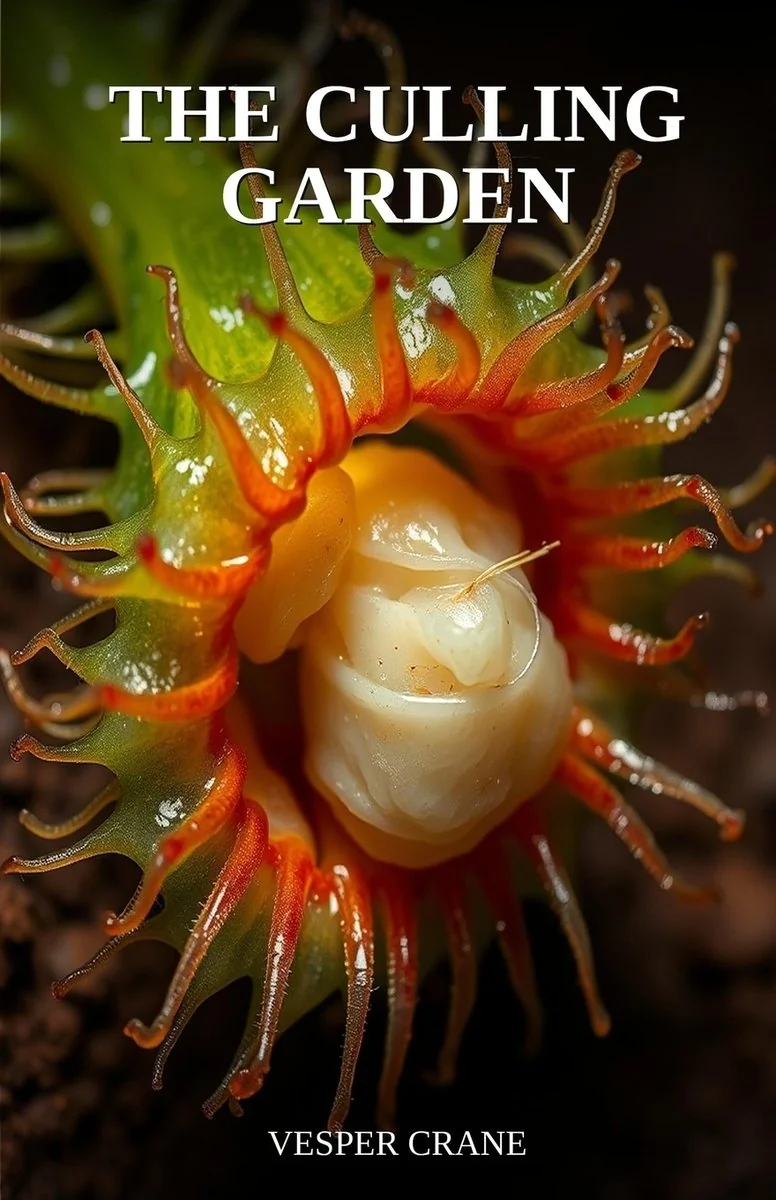
The Culling Garden
A botanist inherits a hungry garden demanding bloodline sacrifices in the Blue Ridge.
Crane constructs a claustrophobic tale where botanical science intersects with generational trauma. Elspeth’s professional expertise becomes her trap as she identifies the plant’s unique needs. The story traces the lineage of Tarrow County, showing how local institutions facilitated the garden’s growth. The horror stems from the realization that escape is impossible because the community has been complicit for centuries. The narrative does not offer redemption but rather the cold acceptance of a predetermined fate dictated by soil and seed.
The story is set in the Blue Ridge foothills within Tarrow County. It draws on local traditions of secrecy regarding the granite depression and the community’s long-standing complicity in the garden’s rituals. The narrative reflects a deep regional history spanning two hundred years of disappearances.


📝 Description: The Culling Garden
💎 Our verdict on The Culling Garden
📖 Why choose it
Why this book is worth reading
Readers who appreciate atmospheric dread and slow-burning narratives will find this book deeply rewarding. It is ideal for those interested in gothic fiction rooted in specific botanical details rather than fast-paced action. The story offers a unique study of science, sacrifice, and the will a garden exerts over human life. Those who enjoy psychological horror where escape is impossible due to community complicity will appreciate the suffocating experience. It suits audiences seeking a cold acceptance of predetermined fate dictated by soil and seed. The text relies on the tension between empirical observation and inevitable doom, providing a lingering sense of unease that appeals to fans of hereditary curses and claustrophobic tales.
⭐ Reader reviews
Reader rating
Vesper Crane delivers a masterclass in atmospheric dread, weaving botanical science with generational trauma to create a uniquely oppressive narrative. The author excels at establishing a claustrophobic tone where Elspeth’s professional expertise becomes her trap, highlighting the horror of inevitable doom through precise hereditary patterns. The book effectively examines how local institutions facilitate this sacrifice, grounding the supernatural in historical reality. It is best suited for readers who enjoy gothic fiction rooted in specific botanical details and those who prefer deliberate pacing over action. The tension between empirical observation and the will of the garden creates a suffocating experience that lingers long after reading, making it a standout for fans of psychological horror.