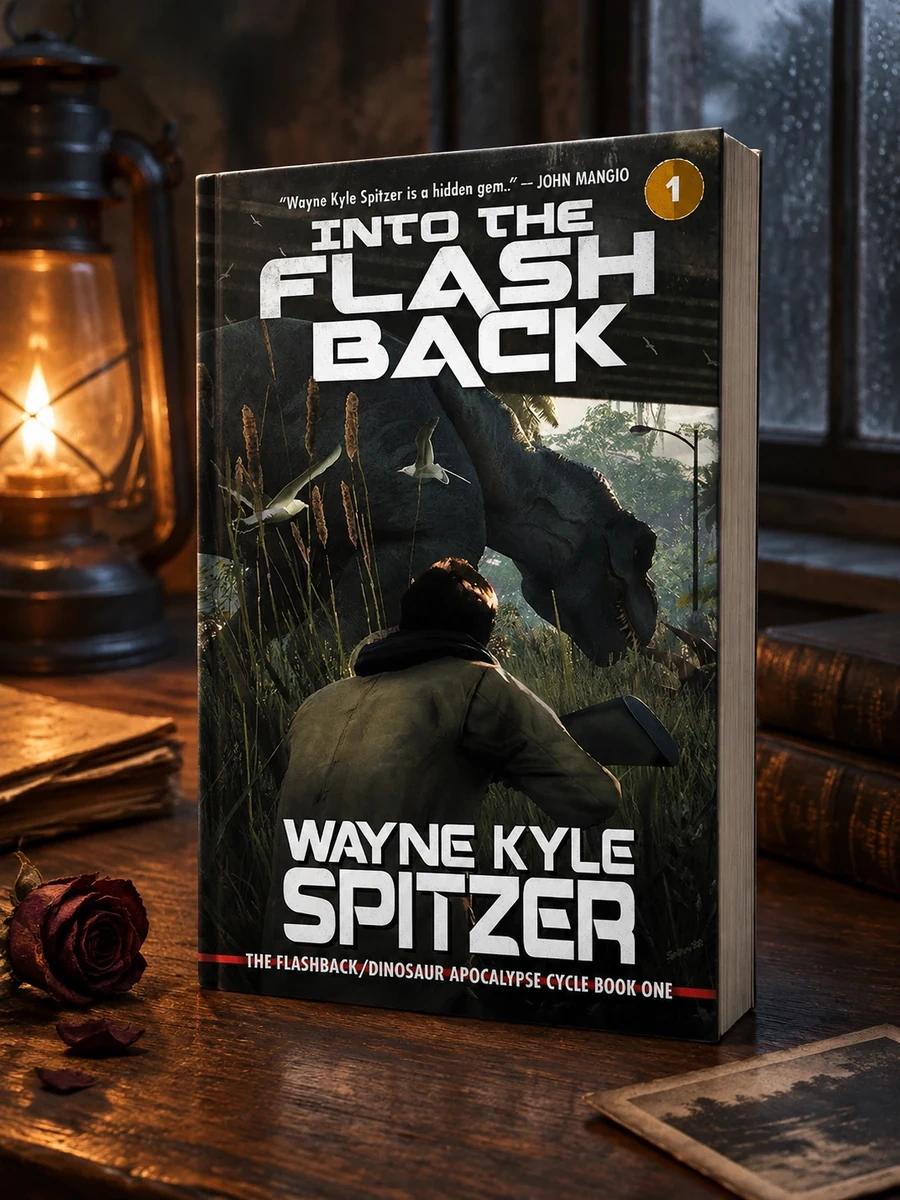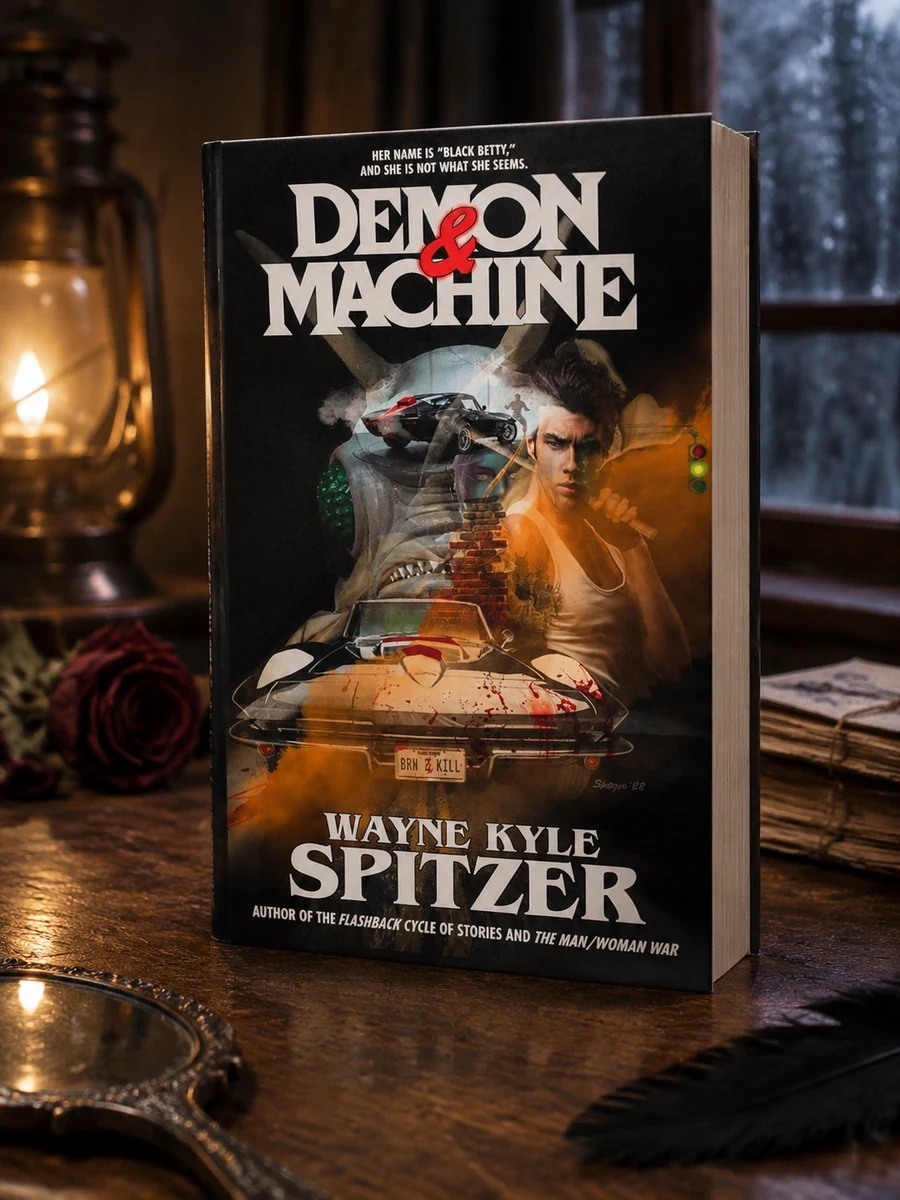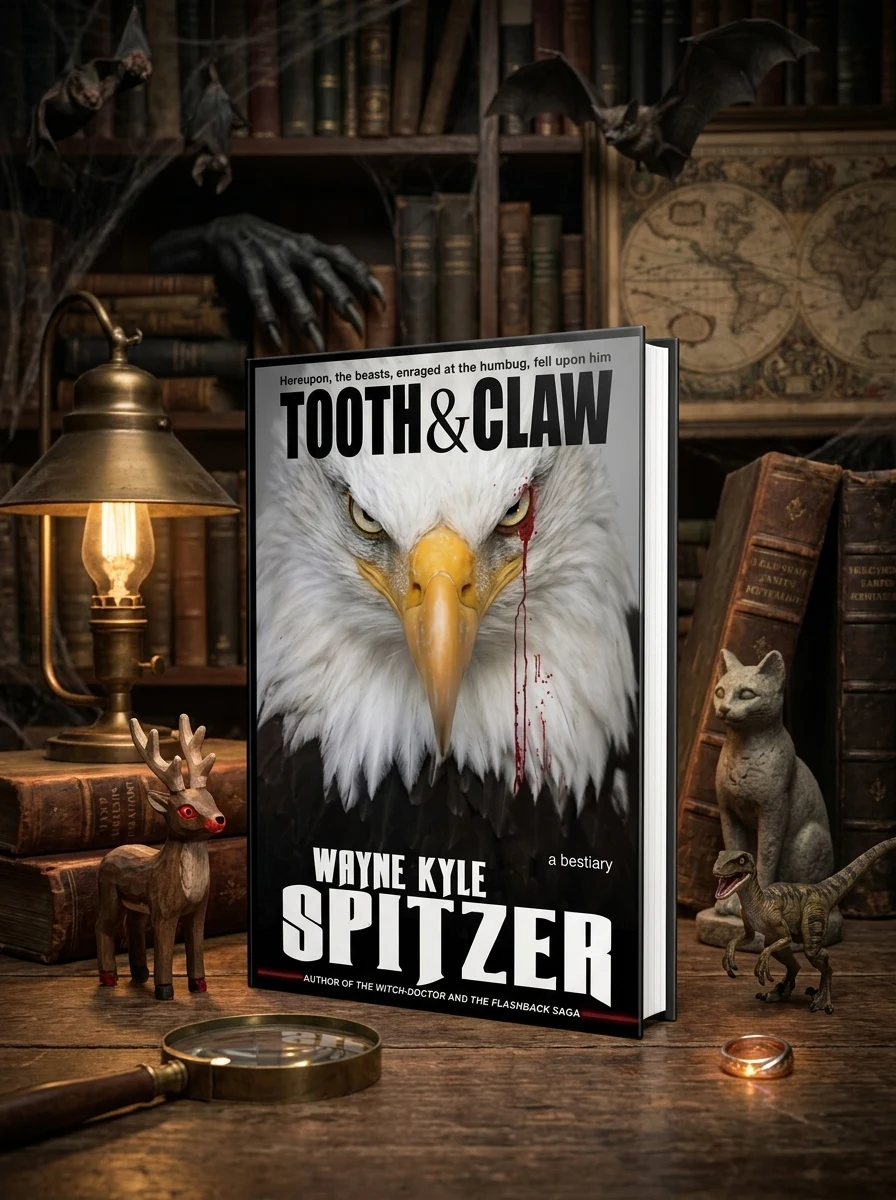
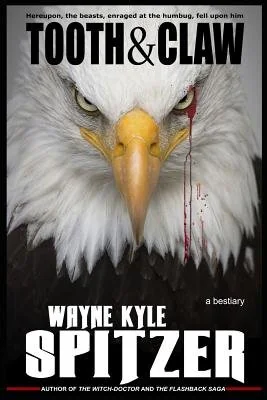
Tooth and Claw: A Bestiary
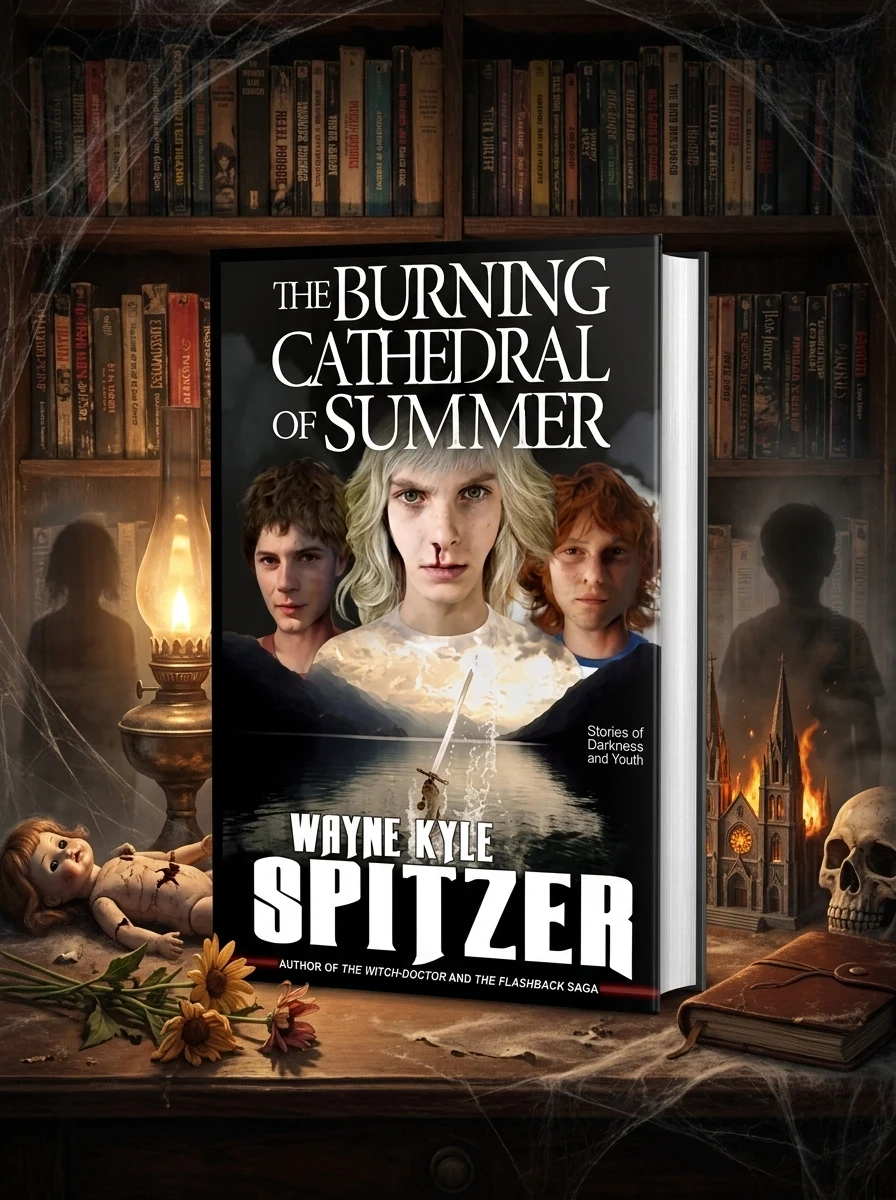
A compendium of natural and supernatural monsters by Wayne Kyle Spitzer.
This volume functions as a bestiary that refuses to separate biological reality from supernatural fiction. Spitzer gathers creatures like Jupiter bat entities and bloodthirsty reindeer alongside classic horror figures such as demonic pets and inhuman defenders. The work examines specific narratives, including a chase involving prehistoric terror and the lingering memory of a murdered thing. It also addresses the threat of powerful artifacts, specifically noting a ring of unimaginable power. This approach creates a unique catalog for enthusiasts who enjoy horror that blends scientific concepts with supernatural dread.
Published in late 2018 by Wayne Kyle Spitzer, this work sits within the tradition of independent horror publishing. It appeals to American readers interested in eclectic bestiaries that mix paleontological threats with supernatural entities, reflecting a genre that values diverse monstrous archetypes over strict classification.


📝 Description: Tooth and Claw: A Bestiary
💎 Our verdict on Tooth and Claw: A Bestiary
📖 Why choose it
Why this book is worth reading
This volume is ideal for enthusiasts who crave horror that defies conventional categorization. Readers interested in the intersection of paleontology and the occult will find value in Spitzer’s unique approach to monstrous archetypes. It appeals to those who enjoy eclectic horror fiction, offering a diverse roster of threats ranging from bloodthirsty reindeer to Jupiter bat entities. By gathering disparate fears into a unified structure, the book serves as a guide for those seeking to explore how biological reality and supernatural fiction can coexist. It is particularly suited for readers who appreciate varied narratives, including tales of demonic pets, inhuman defenders, and powerful artifacts, without adhering to strict scientific classification.
⭐ Reader reviews
Reader rating
Spitzer delivers a compelling compendium that refuses to separate biological reality from supernatural fiction, creating a unique catalog for horror aficionados. The text excels in its broad scope, examining specific narratives like prehistoric chases and the lingering memory of murdered entities with equal weight. This approach allows for a rich exploration of themes such as memory, death, and unimaginable power through artifacts like rings of dread. While traditionalists may find the lack of strict taxonomy unconventional, fans of eclectic horror will appreciate the varied roster of threats. It effectively bridges the gap between scientific concepts and supernatural dread, offering a fresh perspective on classic monster tropes without being bound by era or style.