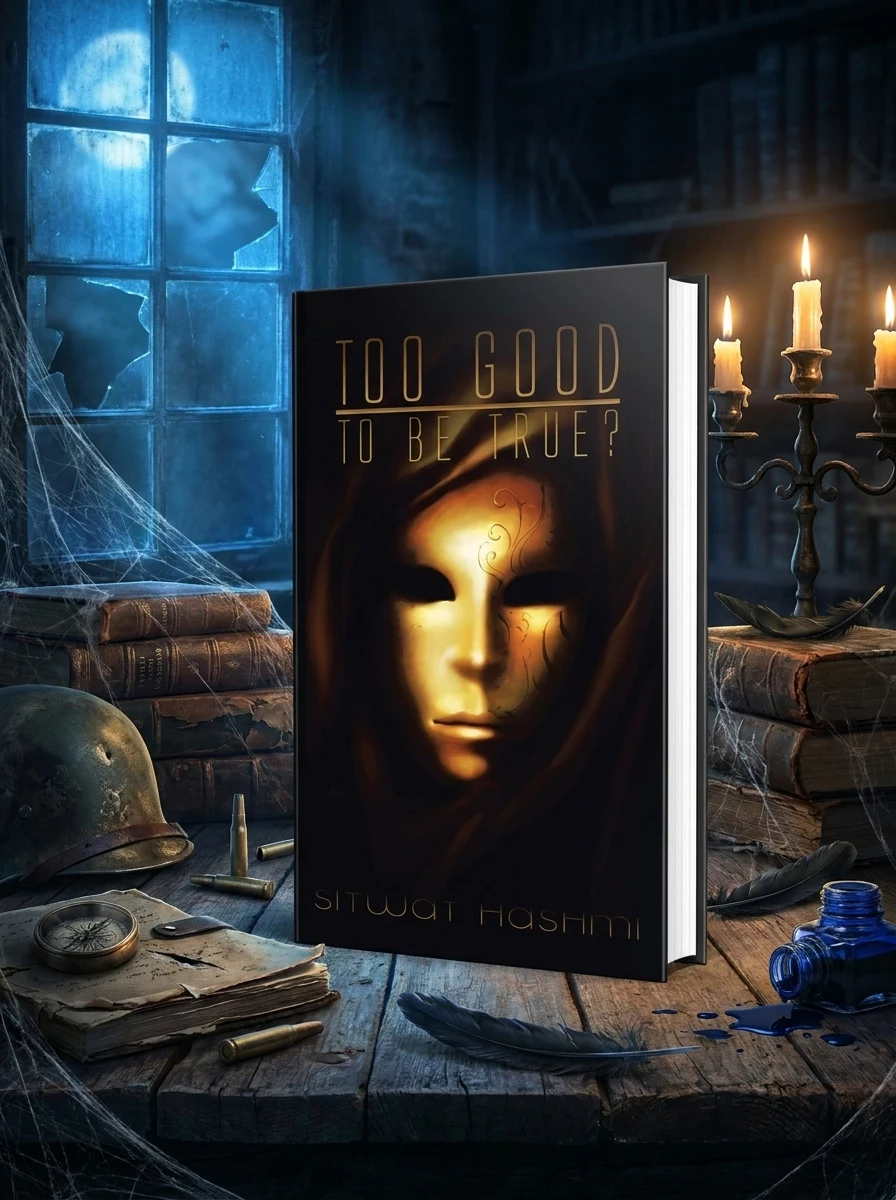
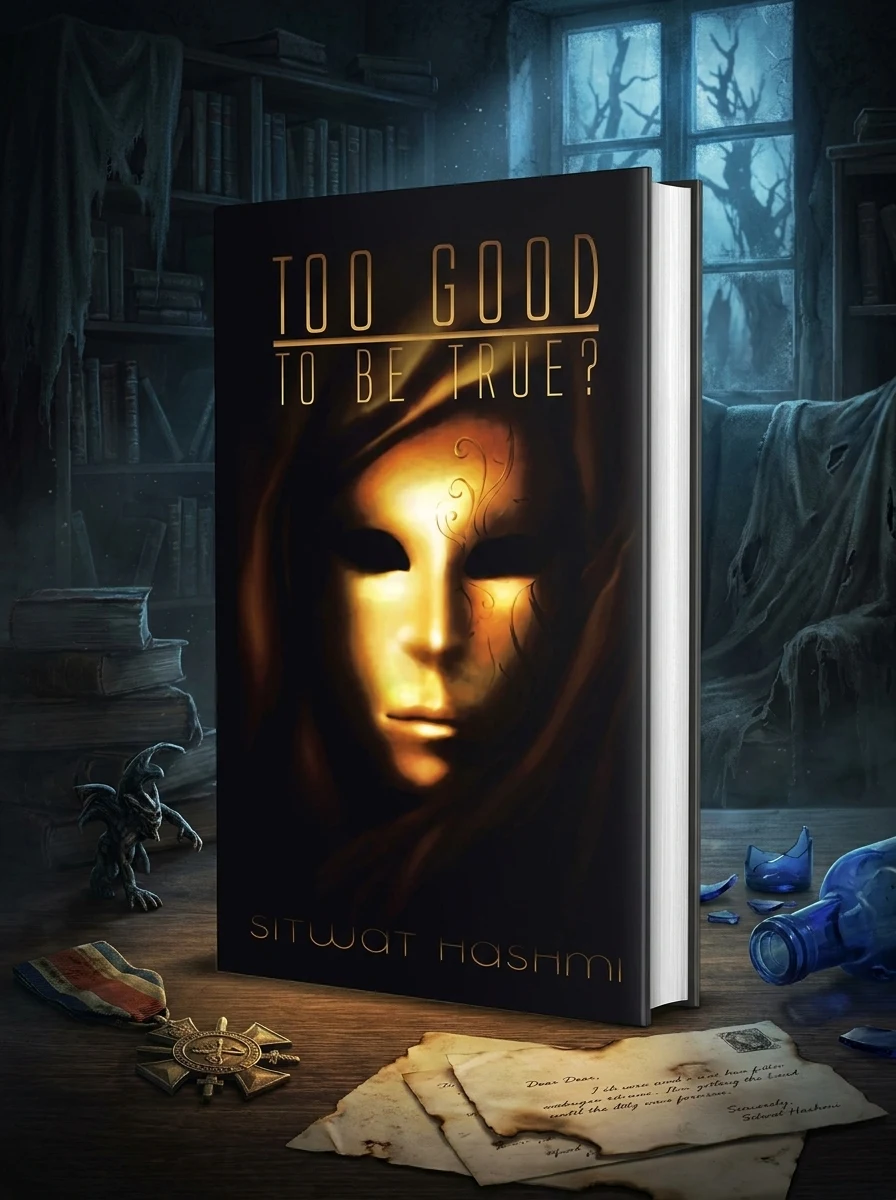
Too Good to Be True?
A study of trauma and identity loss following war in the Hue Islands.
The narrative focuses on a man who survives a brutal war only to become trapped by its lingering effects. He loses his entire support system to the tyranny of the Hue Islands. This tragedy sparks a deep internal change, replacing grief with vengeance. The story tracks how this hatred consumes his former self. It presents survival as a burden rather than a victory. The text examines the psychological toll of such loss and the resulting emotional decay.
The work is set against the backdrop of the Hue Islands, a location marked by tyranny and violence. It engages with themes of war survival and the subsequent psychological burden carried by those who endure such brutal conflict.


📝 Description: Too Good to Be True?
💎 Our verdict on Too Good to Be True?
📖 Why choose it
Why this book is worth reading
This book is essential for readers who prefer introspective narratives over action-heavy plots, offering a stark examination of emotional decay after catastrophic loss. It suits those interested in character-driven studies of trauma and the psychological effects of war, particularly how hatred can consume an individual. The narrative appeals to audiences seeking a study of identity loss rather than healing or recovery. By presenting survival as a burden rather than a victory, it provides a unique perspective on the moral weight of enduring tyranny. Readers who enjoy analyzing the cost of holding onto resentment and the resulting internal collapse will find this work profoundly resonant and intellectually stimulating.
⭐ Reader reviews
Reader rating
Sitwat Hashmi delivers a potent study of post-war trauma where survival is depicted as a curse rather than luck. The narrative excels in portraying the psychological toll of losing one's support system, transforming grief into a consuming vengeance. It effectively strips away the protagonist's original identity, leaving only sorrow and rage. The tone is bleak and introspective, avoiding uplifting resolutions to focus on the erosion of self. This approach suits readers who appreciate dark fantasy and gothic horror elements that prioritize internal psychological collapse over external action. It is a challenging but rewarding read for those willing to engage with deep-seated resentment and the heavy moral weight of enduring such tyranny without finding redemption.
📖 Read on the blog
✍️ More books by this author Sitwat Hashmi


🏛 Books from this publisher Authorhouse



You might also like
See more →

Have a question about this item?
Ask about the edition, condition, delivery or anything else — we reply by email or phone, usually within a day.
