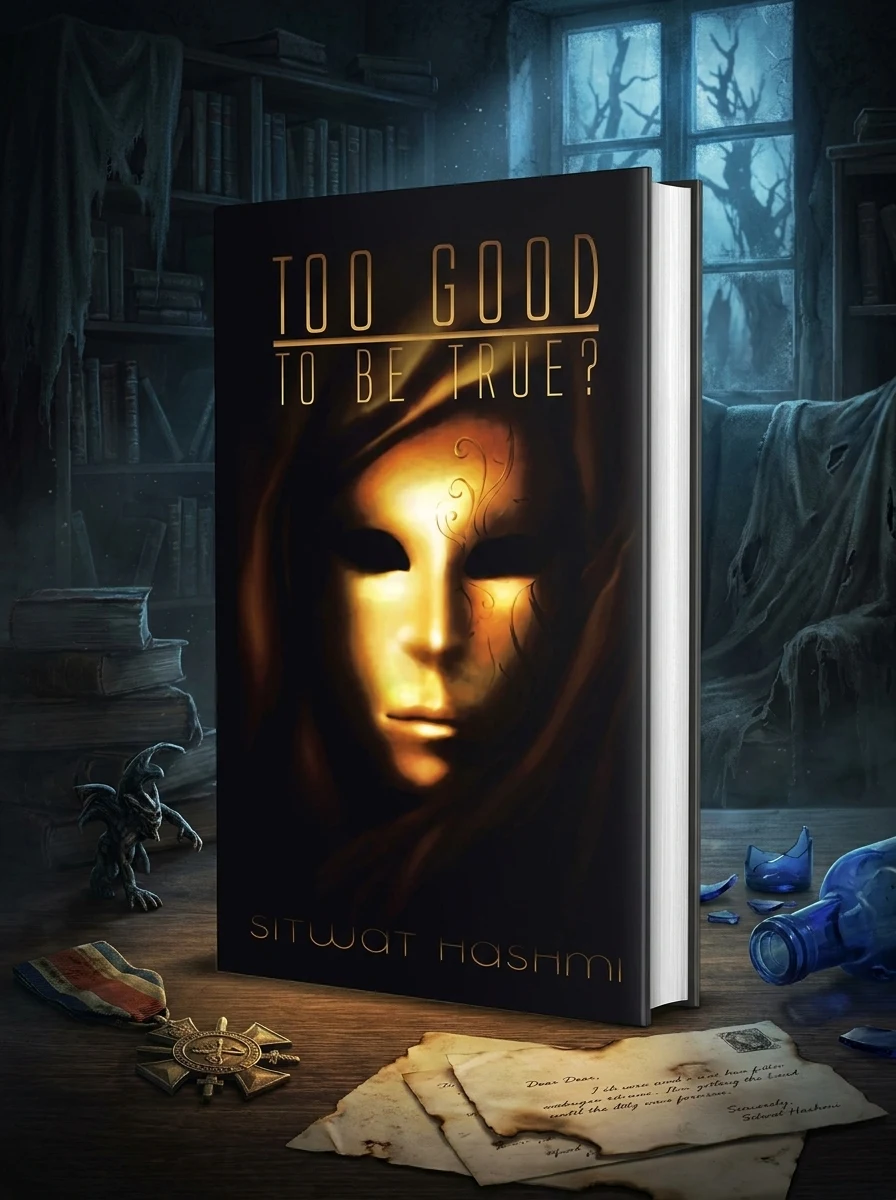
Too Good to Be True?
A psychological study of vengeance in post-war Hue Islands.
The narrative follows a survivor whose life is ruined by the tyranny of the Hue Islands. Loss of loved ones triggers a deep well of anger. This emotion reshapes his personality, turning him into a vessel for vengeance. The story illustrates how sorrow and hate can overwrite a person's core identity. It serves as an examination of psychological decay following traumatic events.
The work draws on the specific historical context of the Hue Islands and the brutal wars fought there. It examines the immediate aftermath of conflict and the personal toll taken on survivors who lose their families to political or military tyranny in that region.


📝 Description: Too Good to Be True?
💎 Our verdict on Too Good to Be True?
📖 Why choose it
Why this book is worth reading
Readers interested in deep psychological character studies will find value in this exploration of vengeance and identity loss. It appeals to those who prefer introspective narratives over action-heavy plots, offering a nuanced look at how trauma reshapes the self. The book is ideal for individuals fascinated by the fragility of the human mind under extreme duress. Those seeking traditional ghost stories may find it less engaging due to its grounded focus on internal rage and sorrow. It serves as a cautionary tale for those willing to confront the destructive power of hatred without the distraction of supernatural thrills.
⭐ Reader reviews
Reader rating
Hashmi delivers a compelling examination of psychological decay following traumatic events, focusing on how sorrow and hate overwrite core identity. The narrative effectively illustrates the transformation of a survivor into a vessel for vengeance within the specific context of the Hue Islands. While it lacks traditional supernatural elements, its strength lies in its grounded character study of internal rage. This approach suits readers who appreciate complex emotional landscapes over plot-driven action. However, those expecting classic horror tropes or ghost stories may find the focus on psychological erosion less appealing. The work remains a poignant exploration of the limits of human endurance.
📖 Read on the blog
✍️ More books by this author Sitwat Hashmi
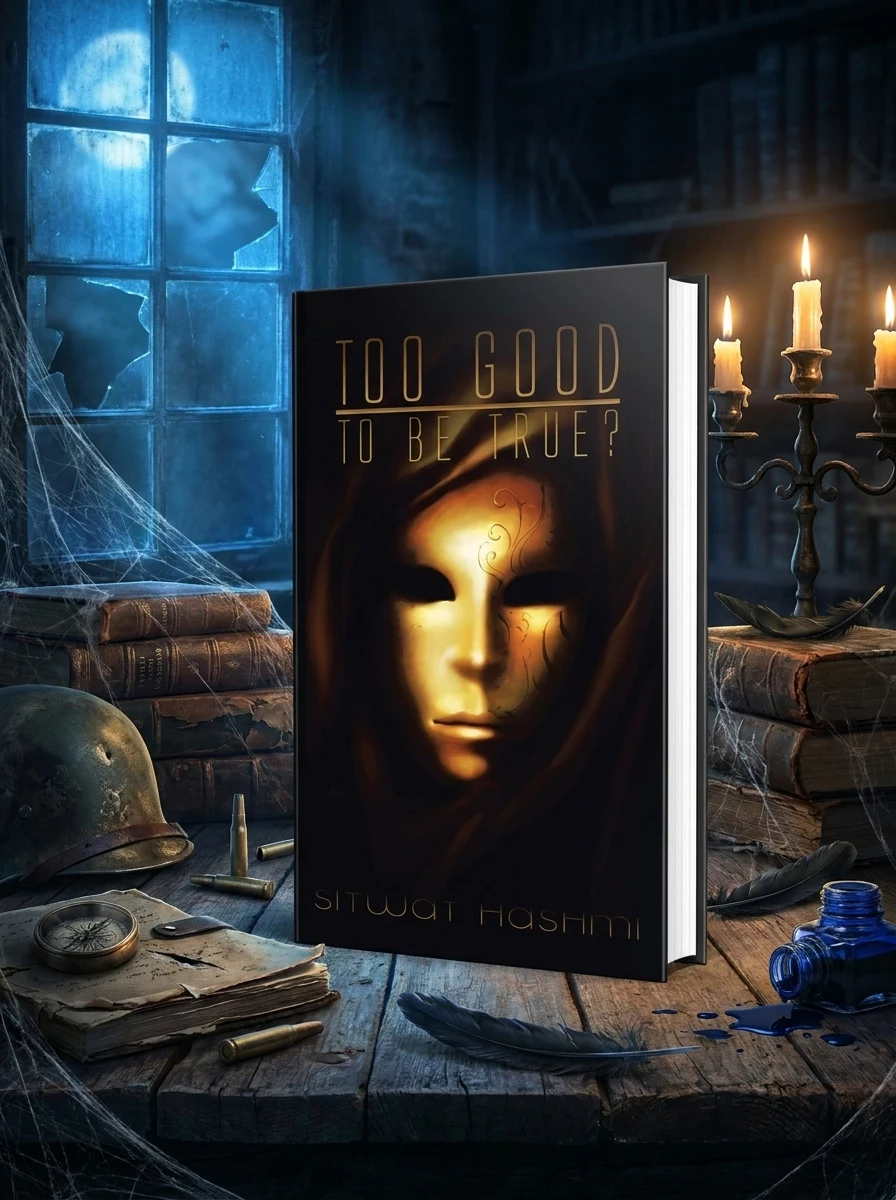


🏛 Books from this publisher Authorhouse
You might also like
See more →


Have a question about this item?
Ask about the edition, condition, delivery or anything else — we reply by email or phone, usually within a day.
