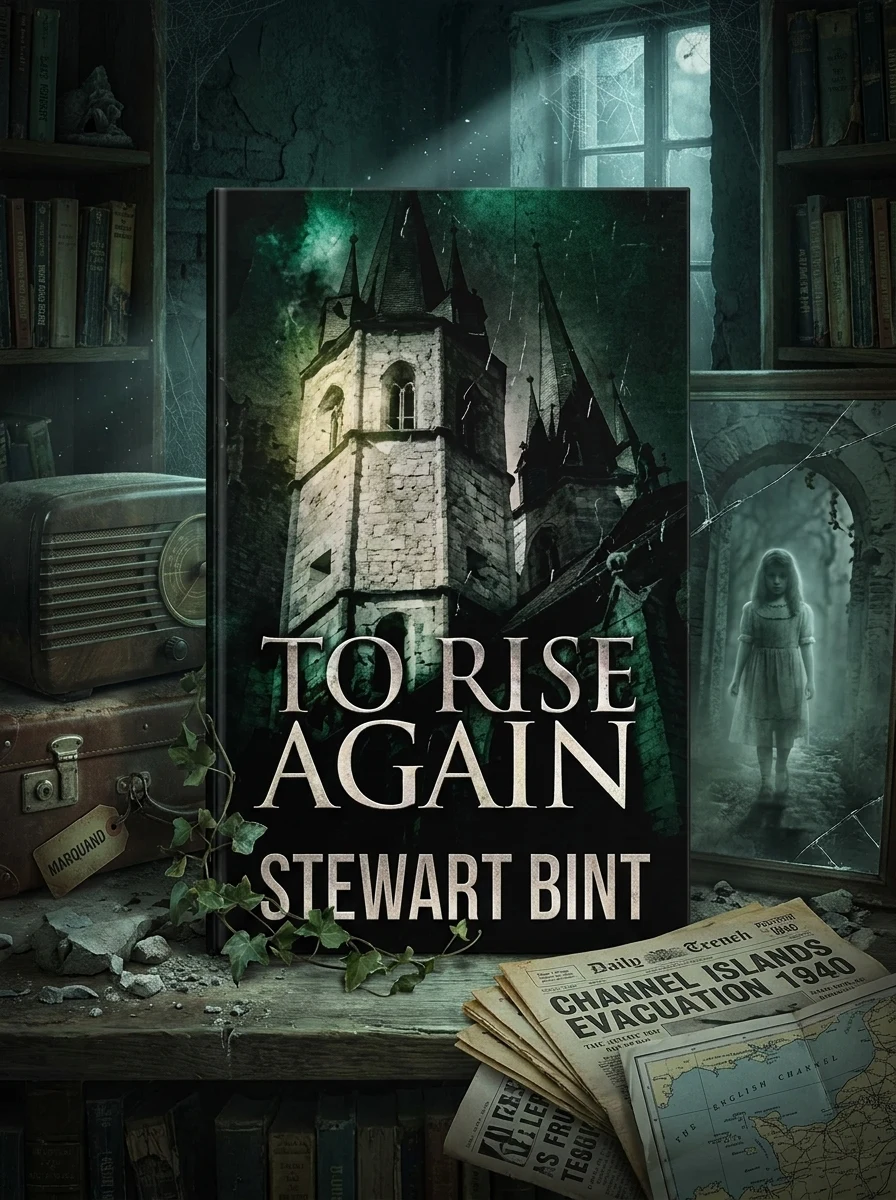
To Rise Again
A large print novel linking a fleeing family to a haunted mansion decades later
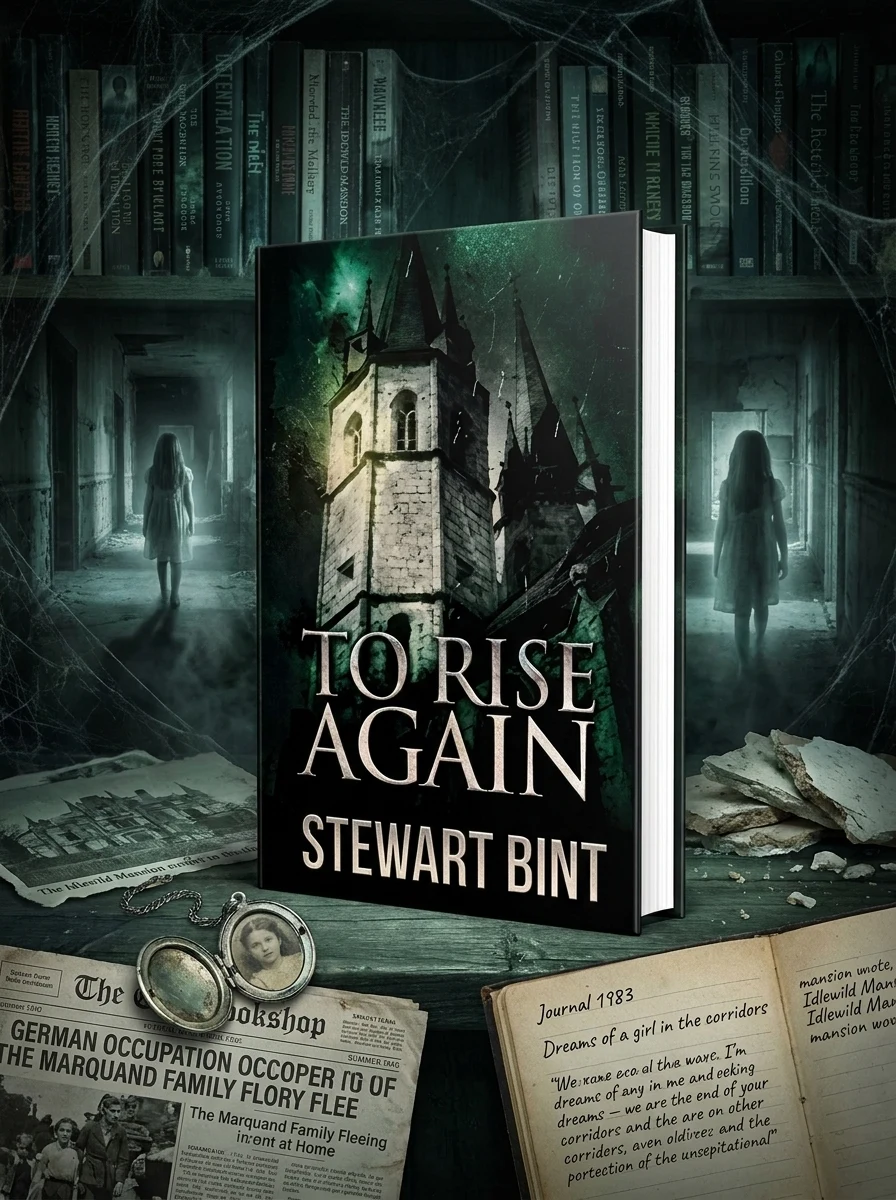
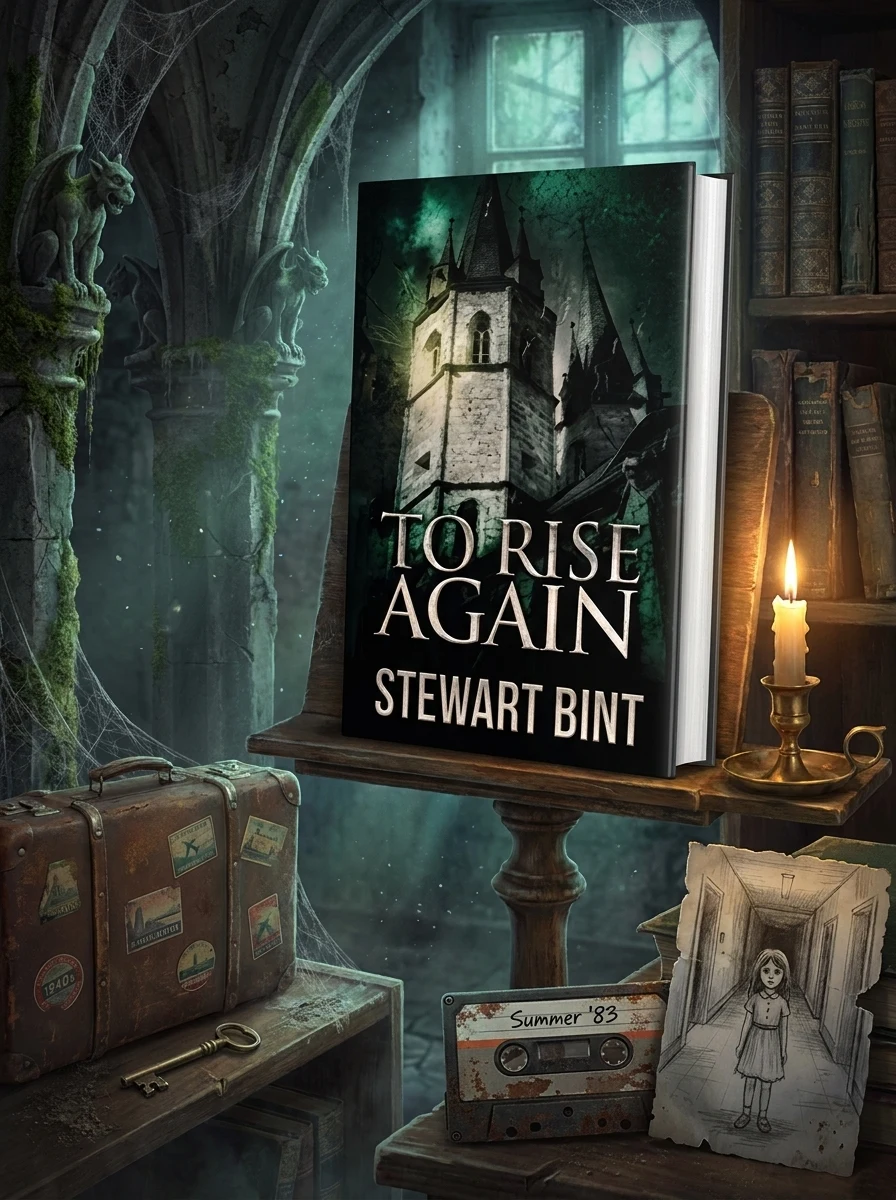
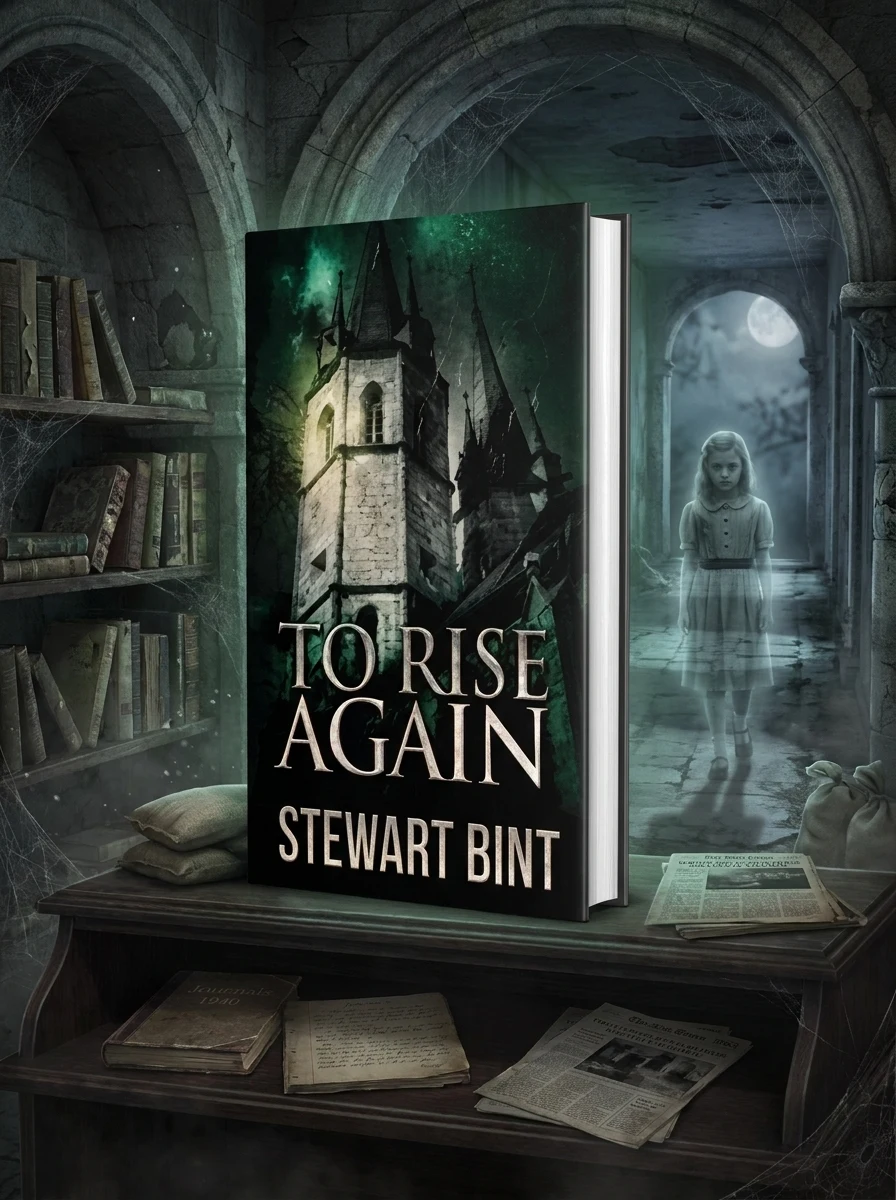
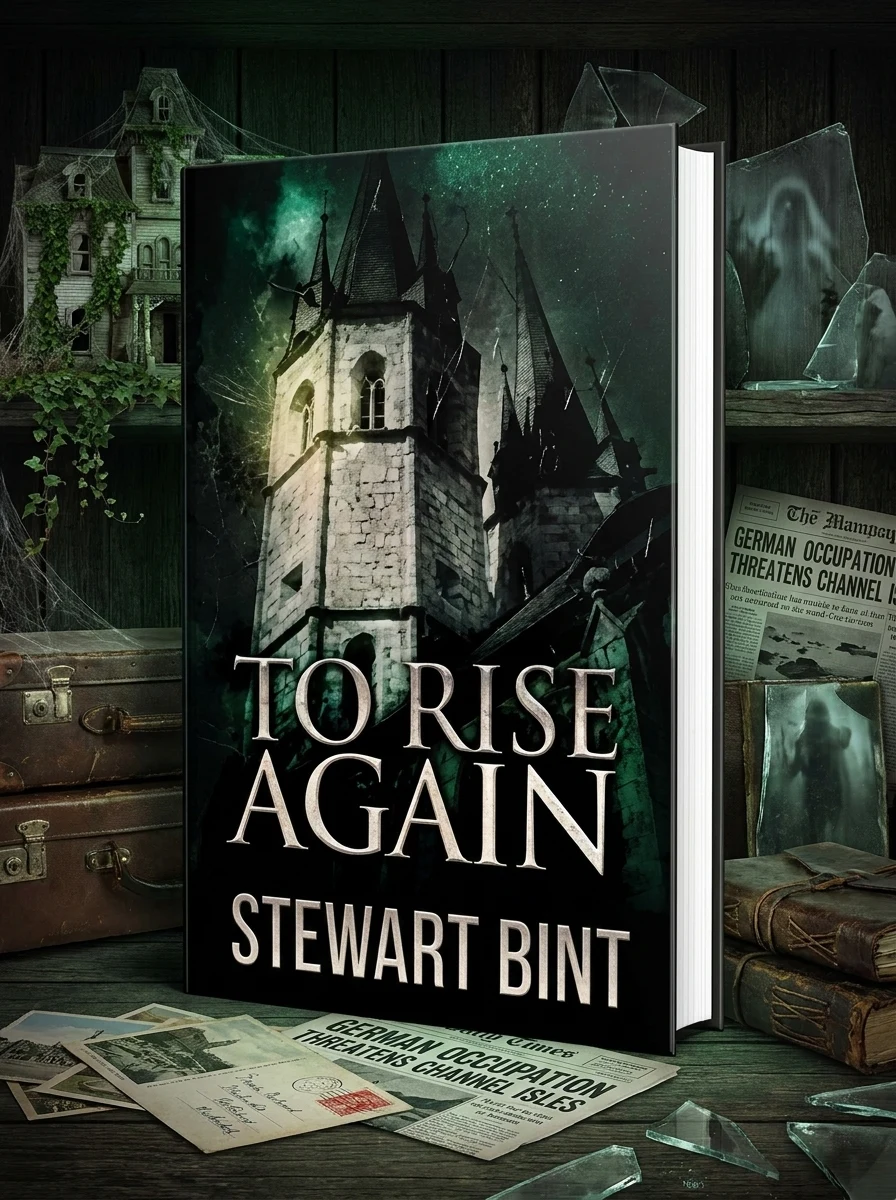
Bint structures the narrative around the parallel timelines of 1940 and 1983. The Marquand family’s departure from their English Channel home sets the stage for future unrest. David Simeon’s experience at Idlewild Mansion serves as the focal point for supernatural elements. The book examines how historical trauma persists in physical spaces. It does not rely on modern technology or urban settings. Instead, it focuses on the isolation of a crumbling estate and the psychological impact of inherited history. The large print format ensures accessibility without altering the core story.
The novel is set against the backdrop of the German occupation during World War II in 1940 and the decay of English heritage properties by 1983. It reflects on the displacement of families from the English Channel region and the subsequent neglect of once-opulent homes in the decades following the war.


📝 Description: To Rise Again
💎 Our verdict on To Rise Again
📖 Why choose it
Why this book is worth reading
Readers who appreciate atmospheric, slow-burn horror will find this novel deeply rewarding. It appeals to those interested in the intersection of personal history and supernatural dread, particularly how the past refuses to stay buried. The dual timeline structure offers a compelling puzzle for fans of gothic fiction who enjoy piecing together familial secrets across decades. Additionally, the large print format makes it an accessible choice for readers with visual impairments or those who simply prefer larger text, ensuring that the core themes of isolation and inherited trauma remain central without being obscured by formatting constraints.
⭐ Reader reviews
Reader rating
Stewart Bint crafts a compelling narrative that bridges two distinct eras through the haunting presence of Idlewild Mansion. The novel excels in building tension through isolation rather than modern technology or urban settings. By focusing on the Marquand family’s departure and David Simeon’s subsequent experiences, Bint effectively examines how historical trauma persists in physical spaces. The slow-burn approach suits readers who prefer psychological depth over fast-paced action. While those seeking contemporary thrills might find the pacing deliberate, fans of gothic atmospheres and family secrets tied to specific historical moments will likely appreciate the meticulous exploration of inherited history and the blurring line between memory and reality.
📖 Read on the blog
✍️ More books by this author Stewart Bint


🏛 Books from this publisher Next Chapter


You might also like
See more →

Have a question about this item?
Ask about the edition, condition, delivery or anything else — we reply by email or phone, usually within a day.
