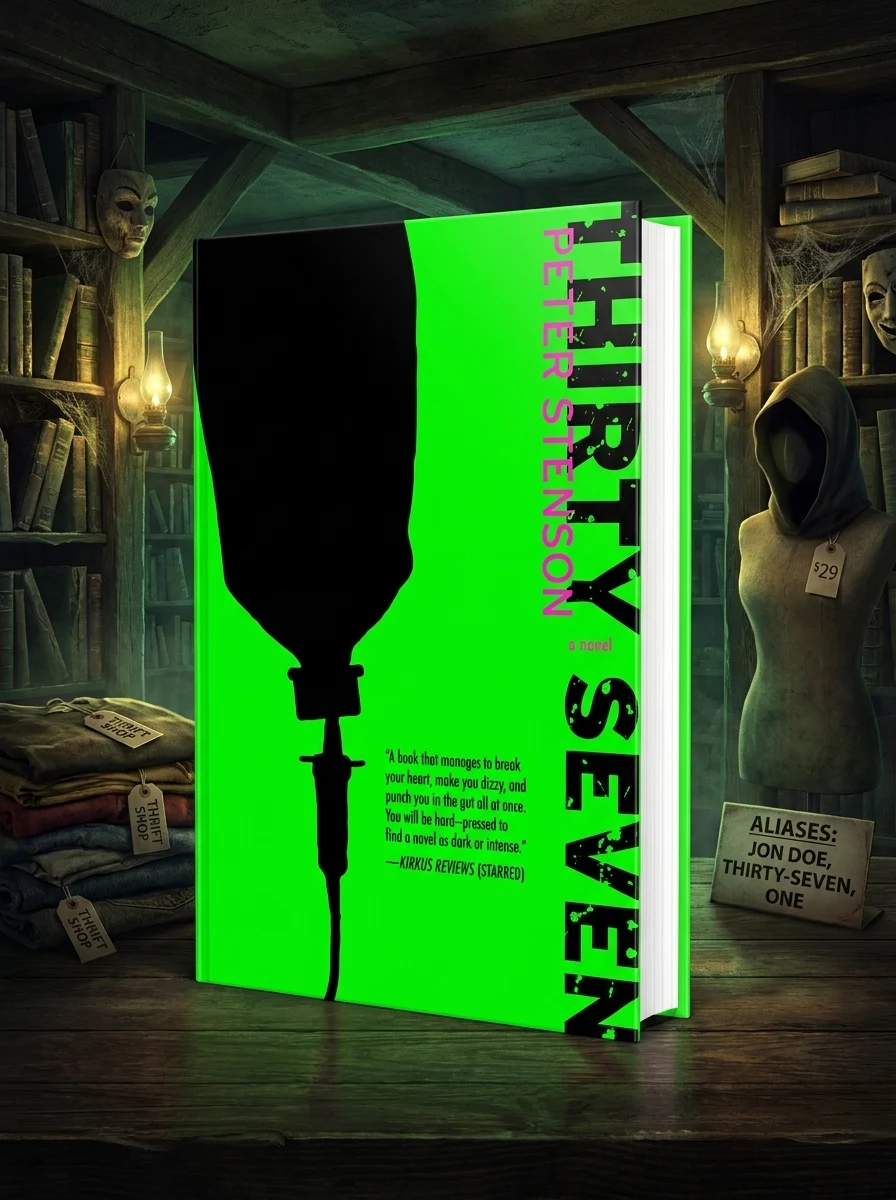
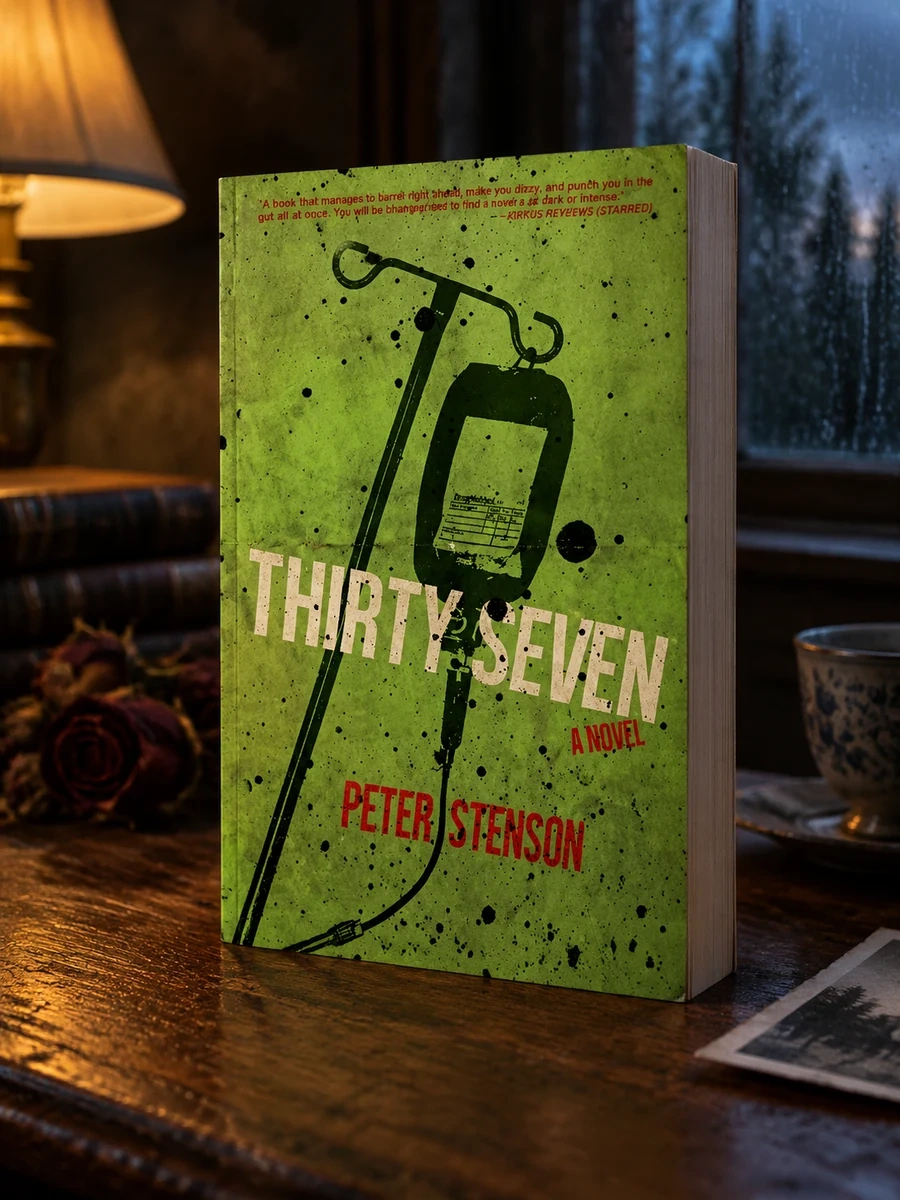
Thirty-Seven
A man trying to hide from his past joins a former cult member to rebuild it.
Mason Hues uses multiple names to escape his life with the Survivors. He thinks he can disappear by becoming someone else entirely. The thrift shop encounter changes everything. Talley’s manic energy pulls Mason back into the fold. They aim to reform the group, believing they can do it better this time. Their actions create new victims and spread darkness. Stenson explores how identity is fragile and how easily one can slip back into old patterns. The story is a study in regret and repetition. It asks if anyone can truly leave their past behind or if we are doomed to repeat our worst mistakes. The ending offers no comfort, only the continuation of the cycle.
Published by Dzanc Books in 2018, this work fits within the contemporary American horror tradition. It draws on gothic themes of haunted pasts and supernatural undertones. The narrative reflects modern anxieties about anonymity and the loss of self in a connected world.


📝 Description: Thirty-Seven
💎 Our verdict on Thirty-Seven
📖 Why choose it
Why this book is worth reading
Readers interested in the psychological mechanics of cult dynamics and the fragility of personal identity will find this narrative compelling. It offers a stark examination of how difficult it is to shed past affiliations, appealing to those who prefer introspective horror over action-driven plots. The book suits audiences drawn to stories about regret, repetition, and the failure of erasure. Those seeking clear moral boundaries or straightforward resolutions may find it unsatisfying, but fans of ambiguous endings and deep dives into the human capacity for self-destruction will appreciate its unflinching look at how easily one can slip back into harmful patterns.
⭐ Reader reviews
Reader rating
Stenson delivers a tense exploration of failed erasure, focusing on Mason Hues’s inability to escape his history with the Survivors. The narrative effectively captures the manic pull of past affiliations and the tension between anonymity and familiar structures. It avoids easy redemption, instead presenting a cycle of regret and repetition that feels authentic to the psychological horror genre. The prose is suited for readers who appreciate subtle dread over explicit gore. While it lacks straightforward action or clear resolutions, its strength lies in its unflinching portrayal of identity’s fragility. This book is best for those willing to engage with uncomfortable truths about human nature and the enduring power of the past.
📖 Read on the blog
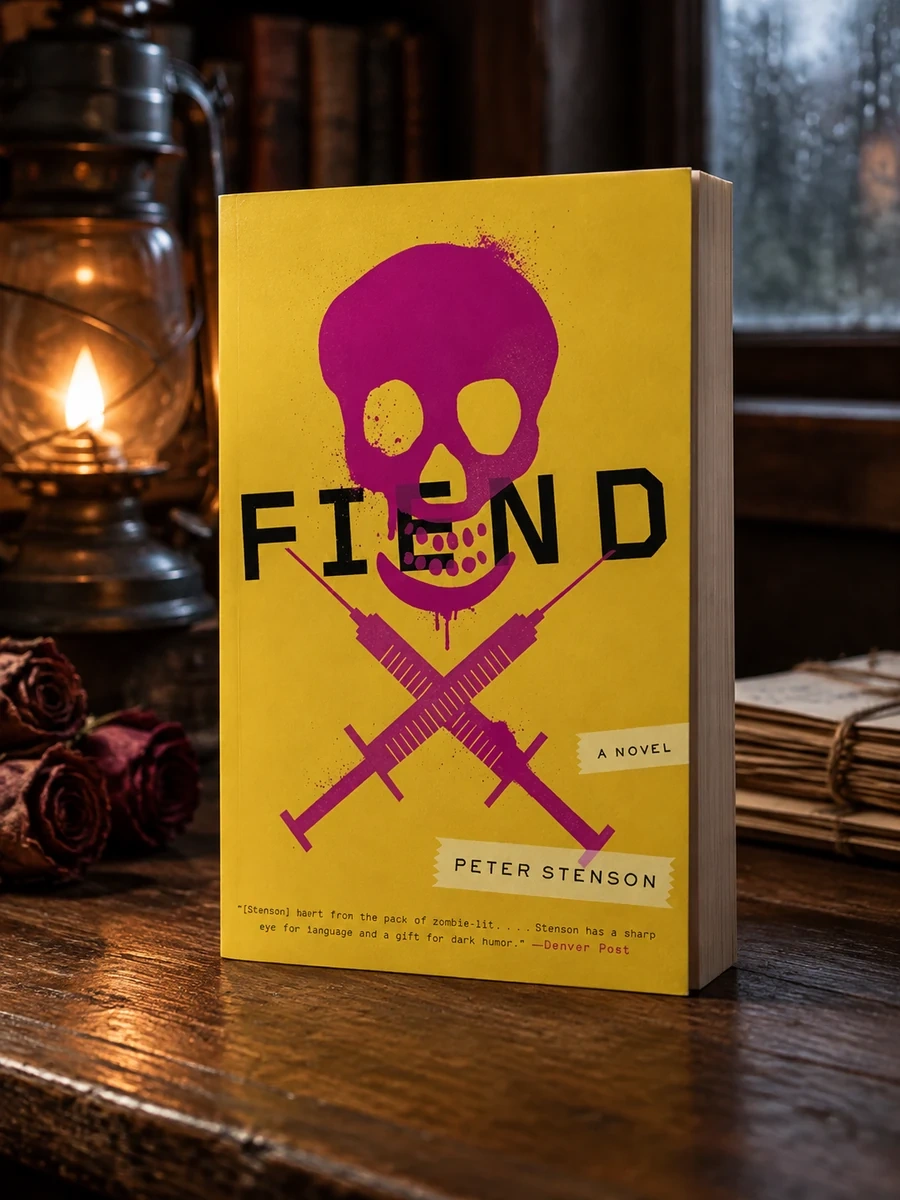
✍️ More books by this author Peter Stenson


🏛 Books from this publisher Dzanc Books
You might also like
See more →


Have a question about this item?
Ask about the edition, condition, delivery or anything else — we reply by email or phone, usually within a day.
